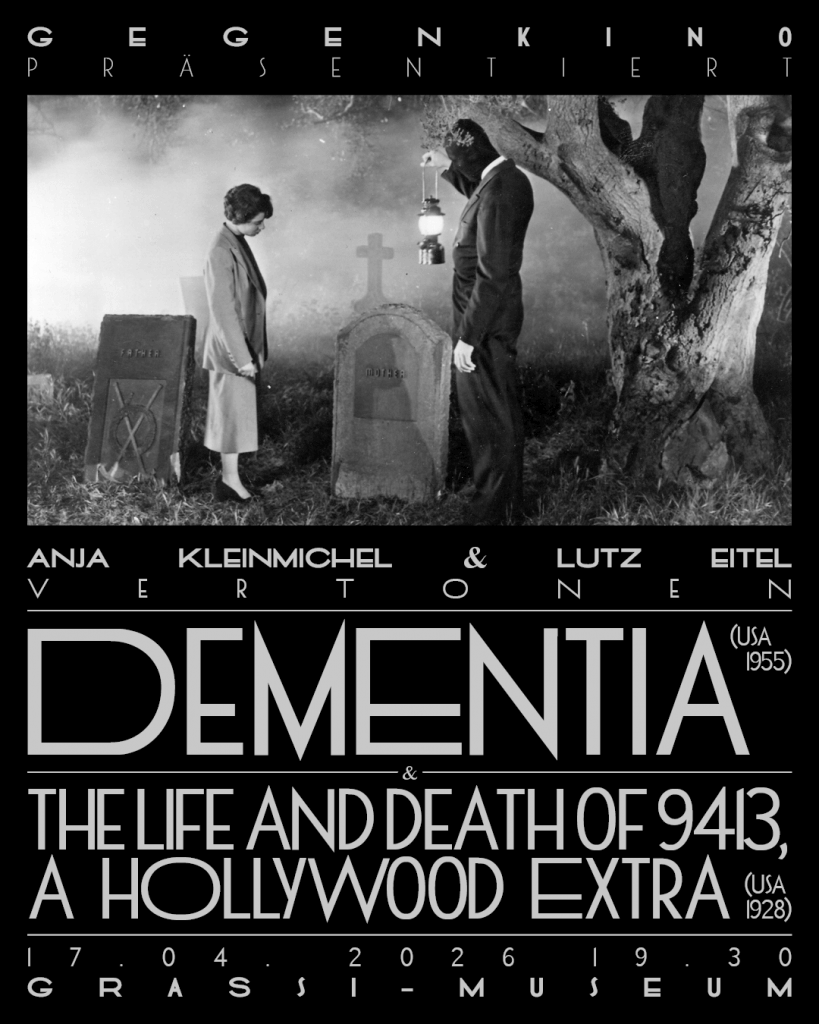
DEMENTIA
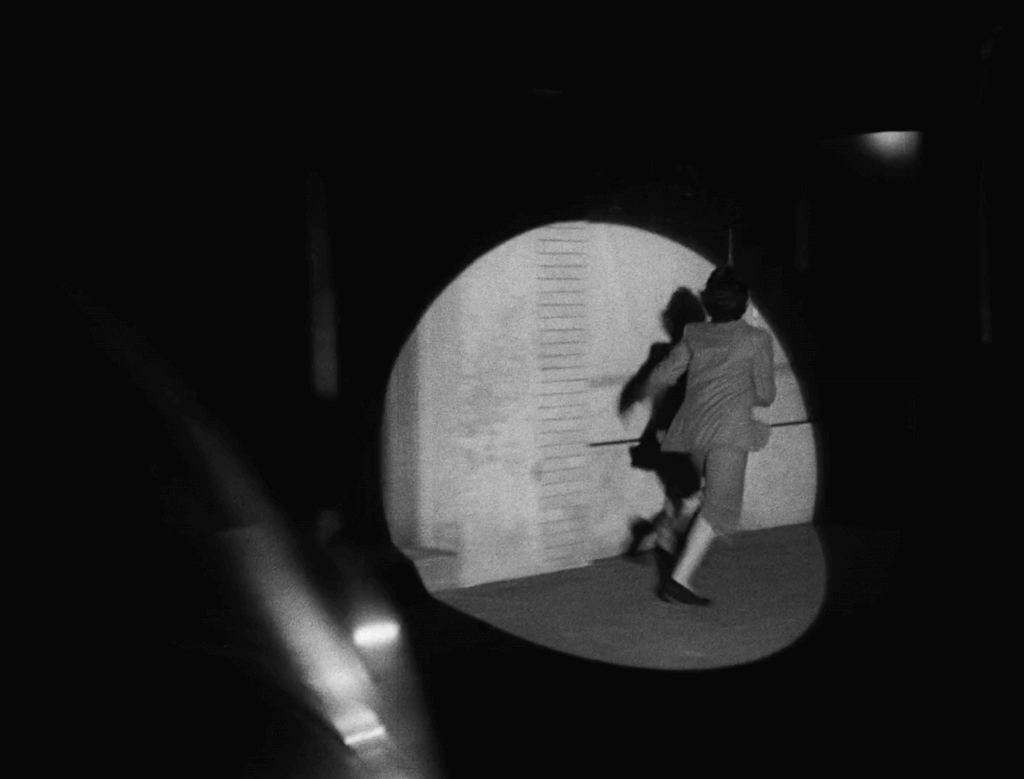
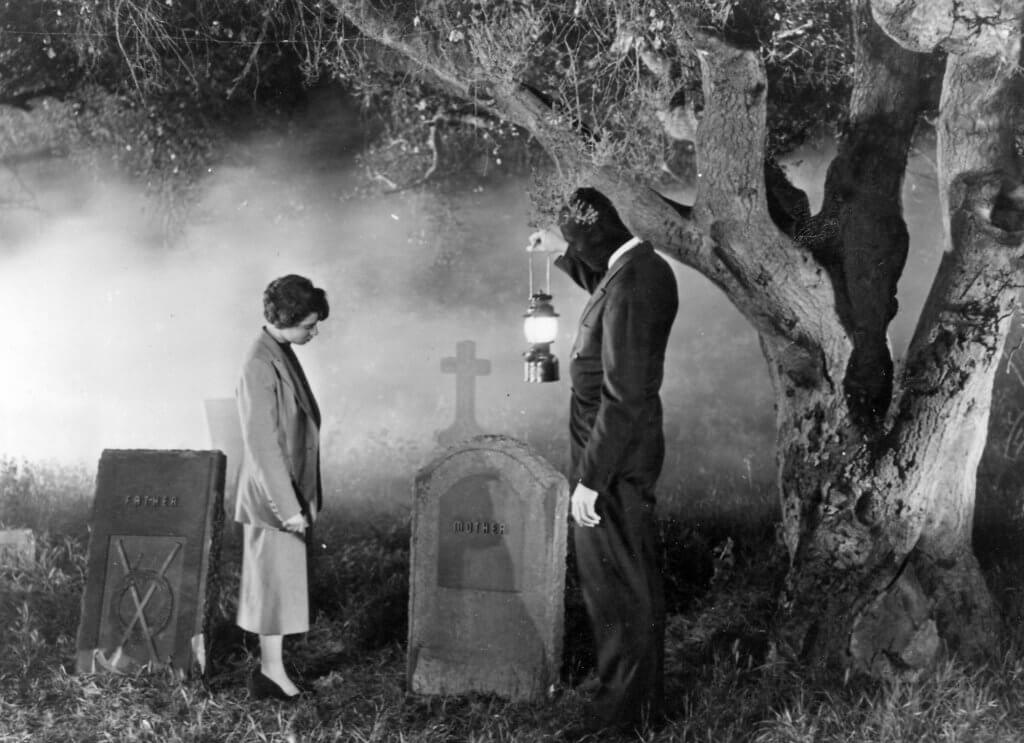
US 1955, D: John Parker, 56‘, no dialogue, DCP
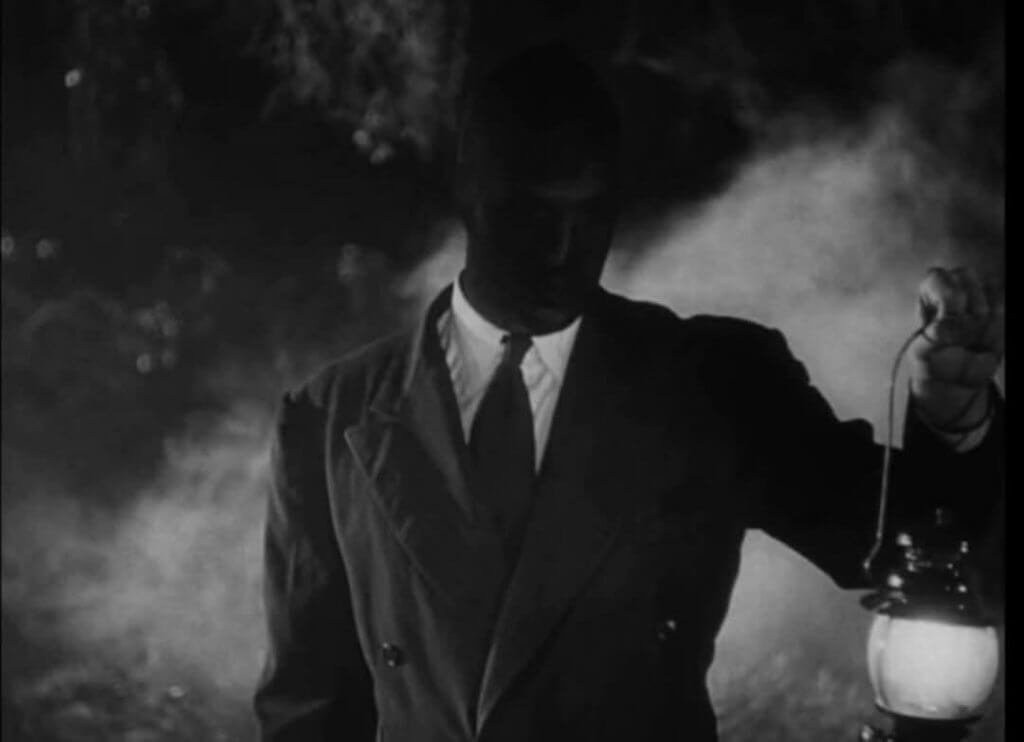
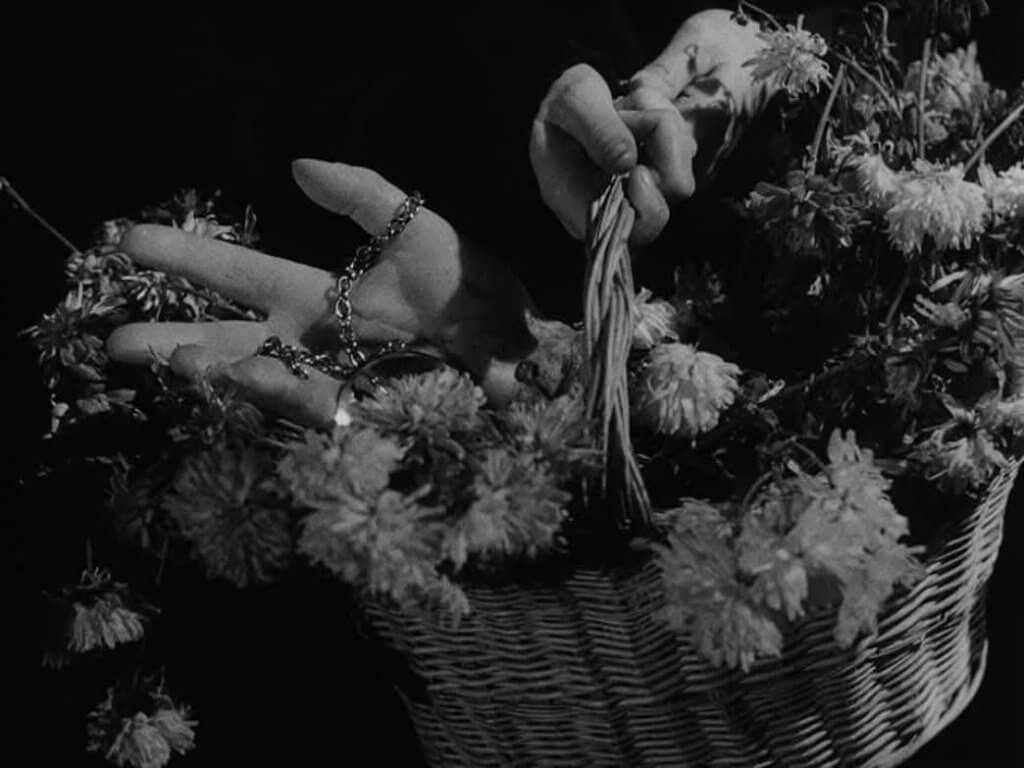
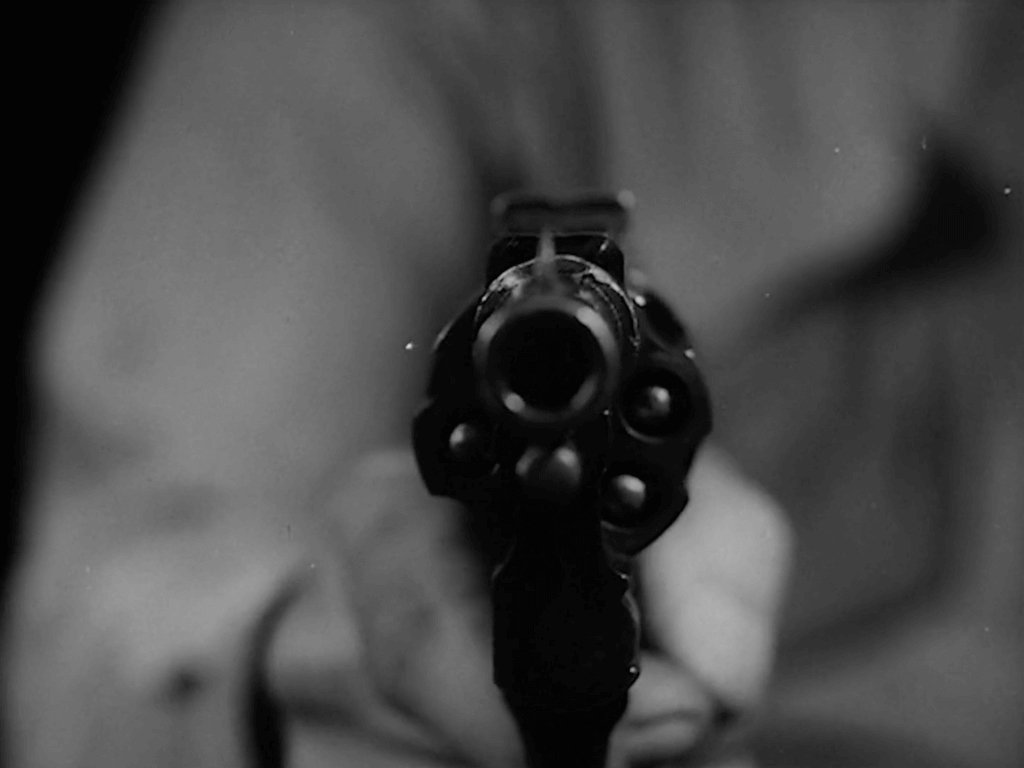
THE LIFE AND DEATH OF 9413. A HOLLYWOOD EXTRA
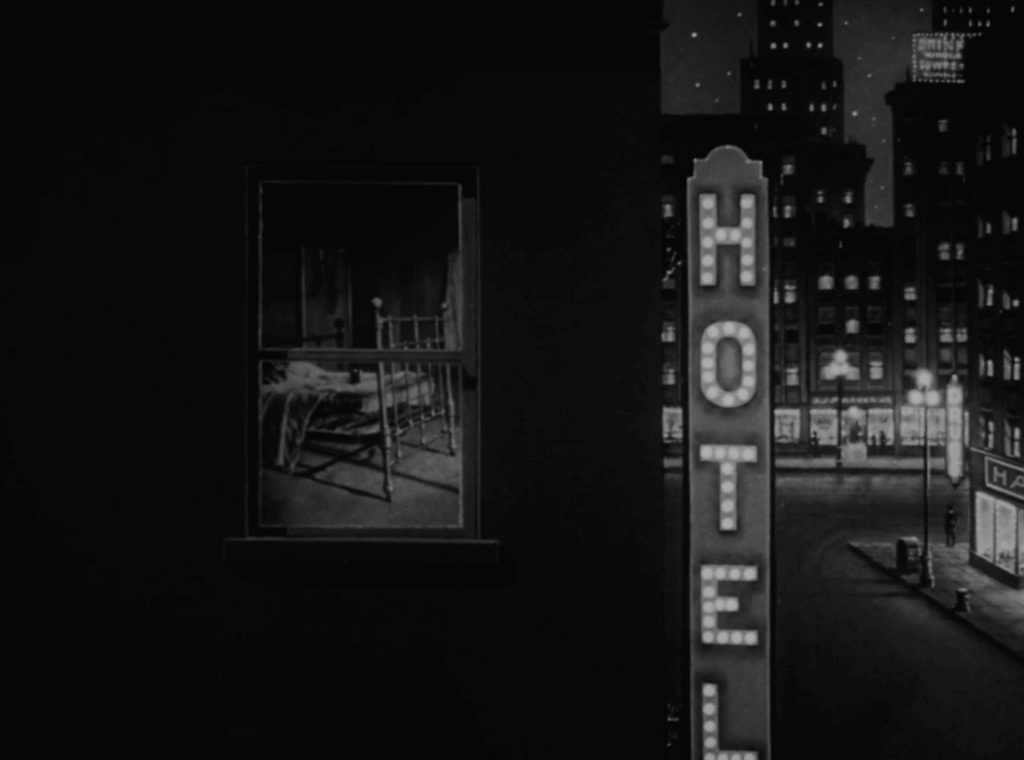
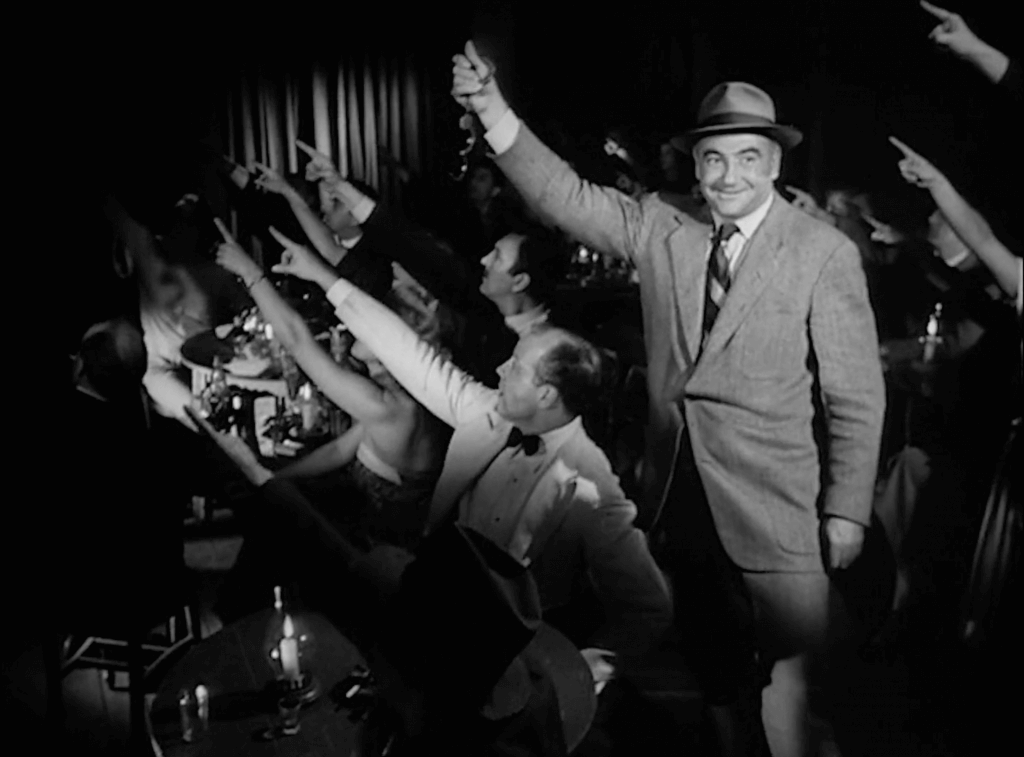
US 1928, D: Robert Florey, Slavko Vorkapich, 13‘, silent, DCP
After our evenings with the experimental landscapes and puppet worlds of SLEEP HAS HER HOUSE and BLOOD TEA AND RED STRING, we at GEGENkino meets Kinoorgel are delighted to put your viewing and listening habits to the test for the third time. While previous Kinoorgel performances have combined contemporary cinema with time-honoured cultural practices from the silent film era, this time we are actually going back to the production period of the 1920s, then spanning the arc to the 1950s. Musically, we are also dealing with a ‘double feature’: organist Anja Kleinmichel will be joined by Lutz Eitel on electric guitar and samplers to live score John Parker’s DEMENTIA (1955) and Robert Florey and Slavko Vorkapich’s THE LIFE AND DEATH OF 9413. A HOLLYWOOD EXTRA (1928).
An evening dedicated to American avant-garde and neo-avant-garde cinema, as well as nightmarish genre films: dimly lit alleys, cast shadows, dreamlike leaps in time and place, threatening cityscapes and landscapes of the soul that no longer convey a clear narrative, acting that, in its jerky and abrupt manner, leaves no pathos untouched and reaches directly out of the screen. In short: a world that seems to have fallen apart in form and content.
This is what connects both films of the evening, which are visibly influenced by European expressionism and surrealism of the 1910s and 1920s. The rarely shown THE LIFE AND DEATH OF 9413. A HOLLYWOOD EXTRA (1928) revolves around the world of Hollywood, more precisely around a man who seeks his fortune there as an actor but instead ends up as a nameless extra. A grotesque film essay that oscillates between satire and formal experimentation, it also anticipates the horrific worlds that director Robert Florey would create a little later in his adaptation of Poe’s MURDERS IN THE RUE MORGUE (1932).
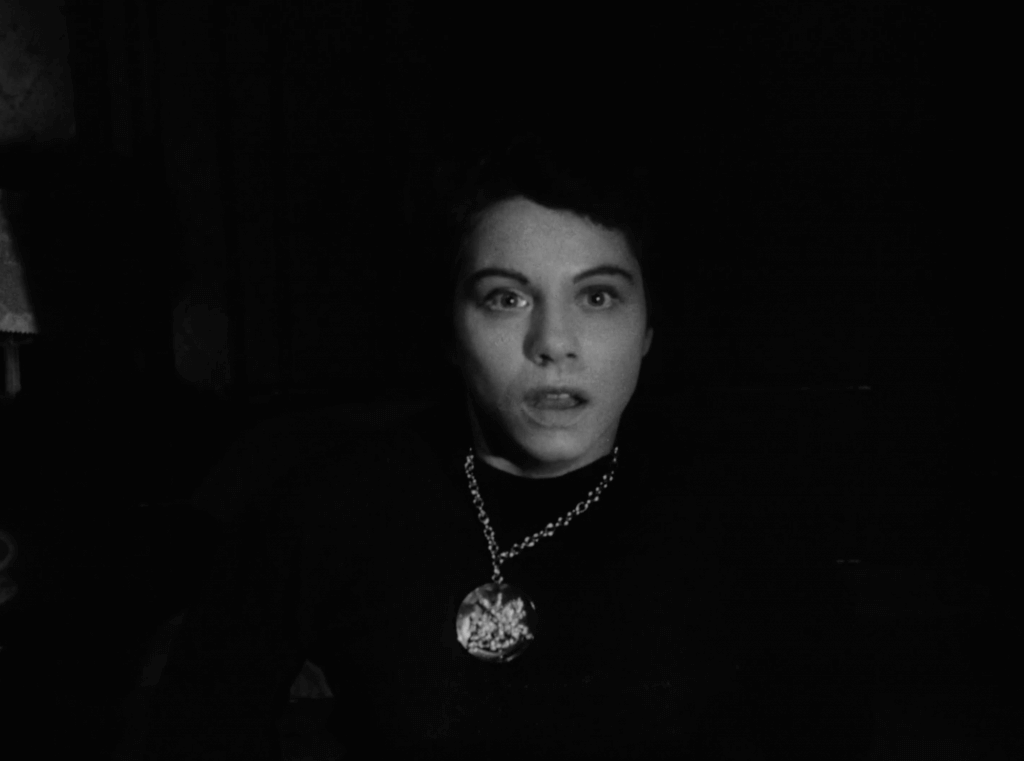
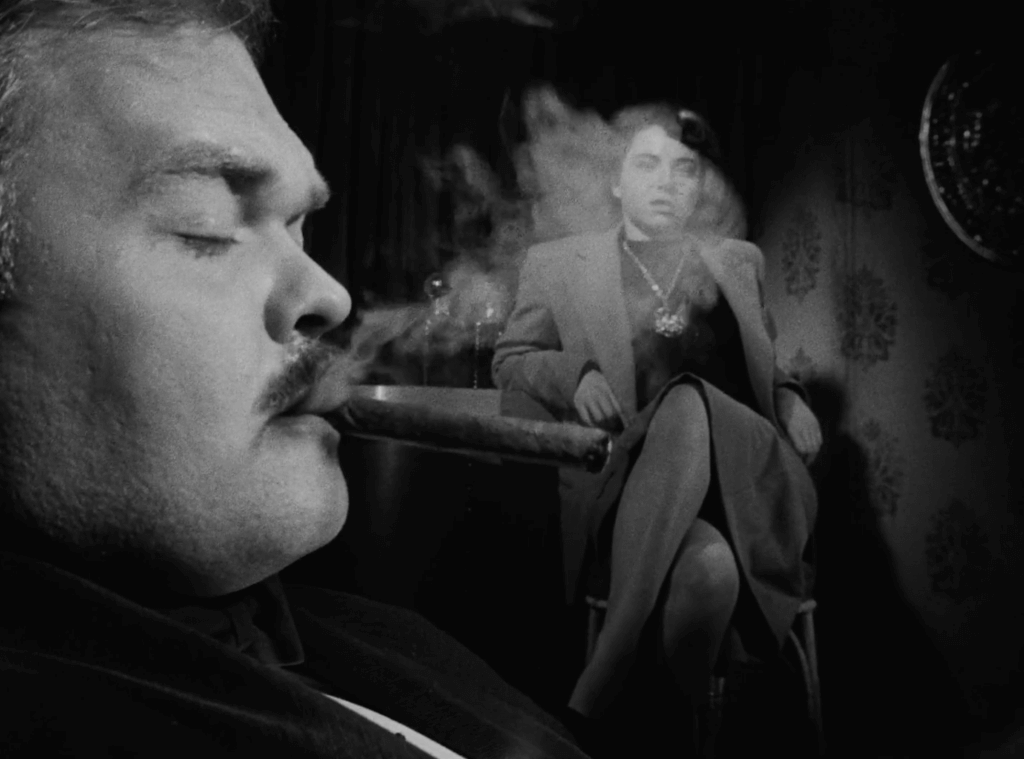
Also residing in the horror genre is DEMENTIA, a film composed without dialogue, which was initially banned in 1953 by the New York Film Board for being the ‘quintessence of gruesomeness’ due to its portrayal of female violence, which was perceived as sensationalist, which quickly fell into oblivion after its release. Such a protagonist was too much for the film market at the time: In the film, she wakes up at night and roams through Hollywood, haunted by the trauma of her past – another parallel to the previous film. But the present is also precarious. Shady men, figures straight out of the underworld, loiter on the streets and threaten her; the Hollywood Tribune reports a ‘mysterious stabbing’. She rides with a rich man in a limousine to his hotel room, where an éclat ensues. What fuels the heroine’s violent fantasies?
Incidentally, his only directing credit, John Parker stages DEMENTIA, which he also produced, like a nightmare, as a woodcut-like flow of images that seems to be heading towards a terrible finale. In the original, the music of avant-garde composer George Antheil provides a menacing soundtrack. We are very excited to see whether the performers Anja Kleinmichel and Lutz Eitel will follow suit, or whether they will take us on a completely different journey through horror noir Hollywood.
| Sun 17 April | Grassi Museum Musikinstrumentenmuseum der Universität Leipzig |
| 7:30 PM | Live Score by Anja Kleinmichel and Lutz Eitel Entry fee: 12€ (reduced: 10€) Tickets at tixforgigs |
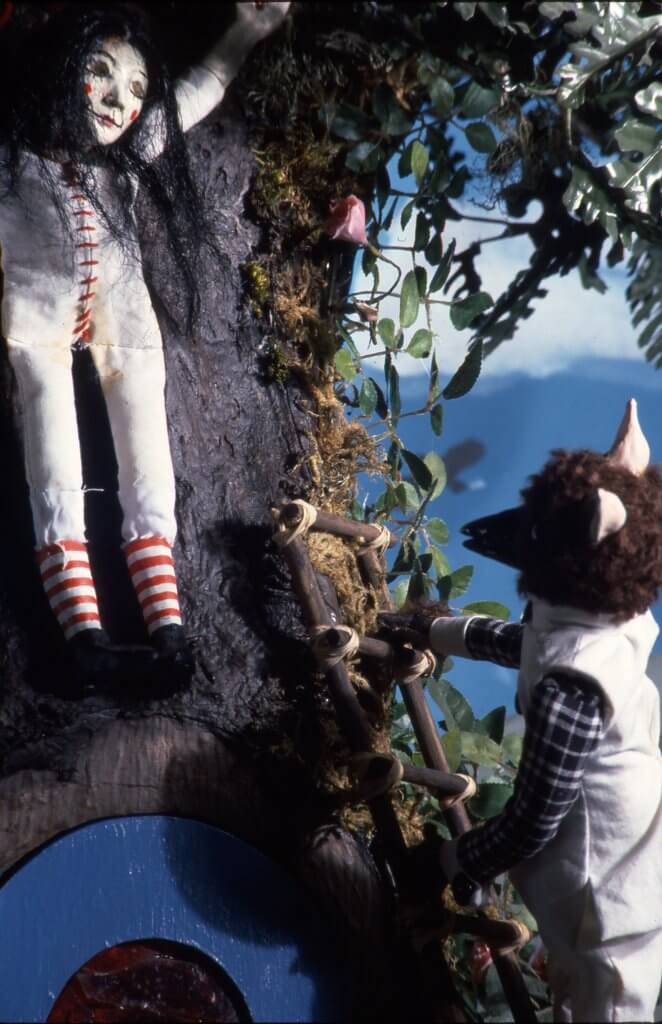
US 2006, 71′, no dialogue, DCP
We are delighted to once again put viewing and listening habits to the test at GEGENkino meets Kinoorgel. After Scott Barley’s SLEEP HAS HER HOUSE, silent film organist Jürgen Kurz will again join us in the experiment – this time live scoring a film from 2006 live on the Welte organ – thus combining contemporary cinema with a venerable cultural practice associated with the silent film era up to the end of the 1920s.
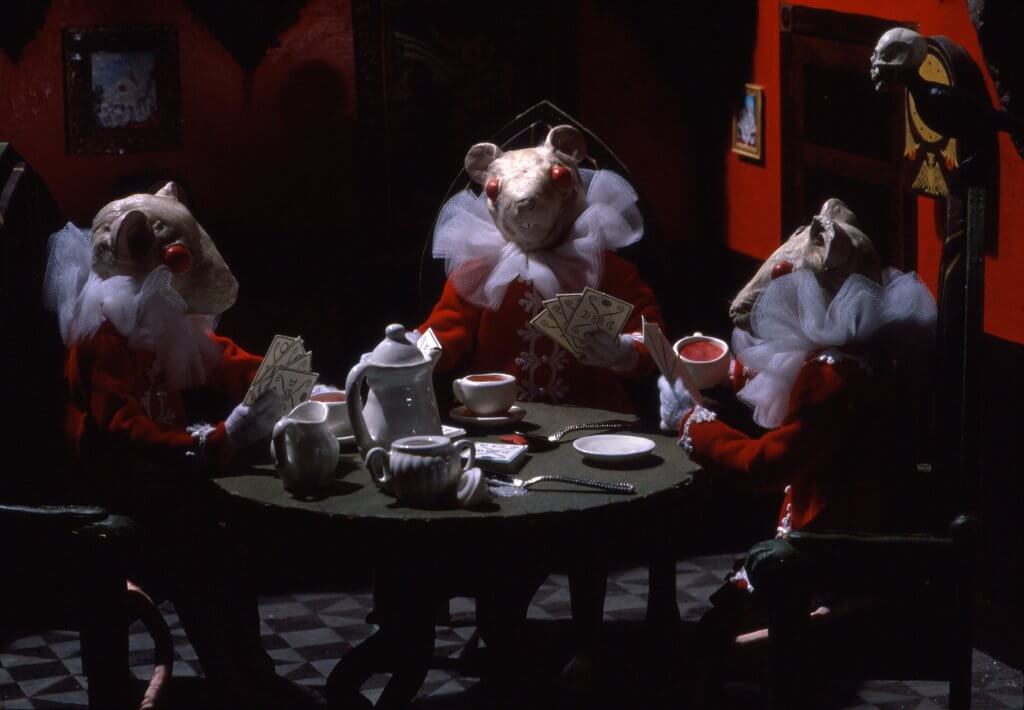
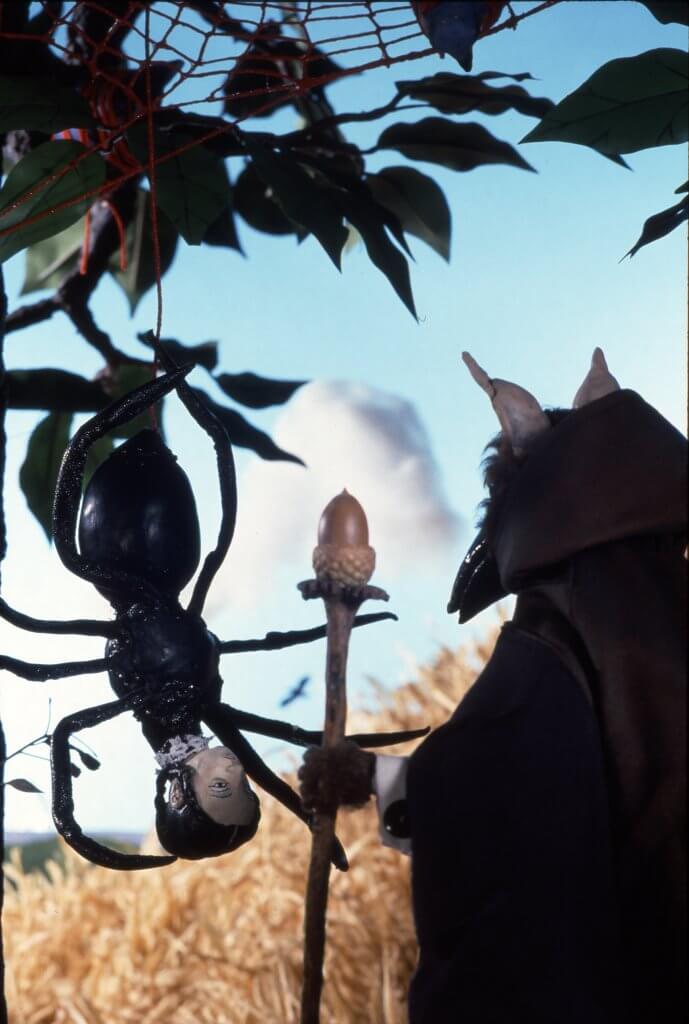
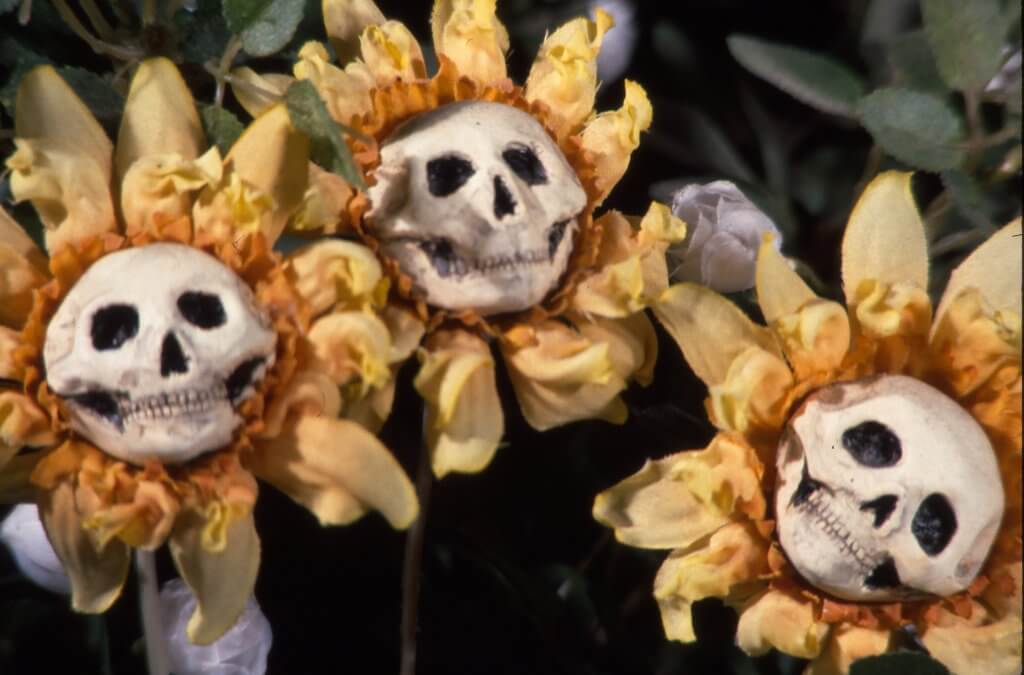
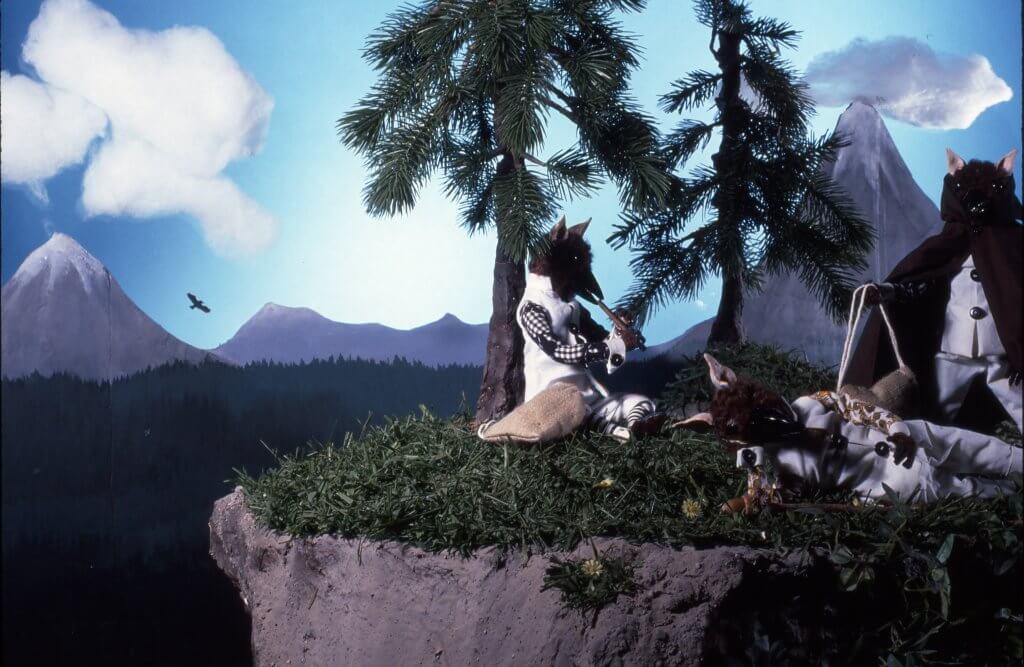
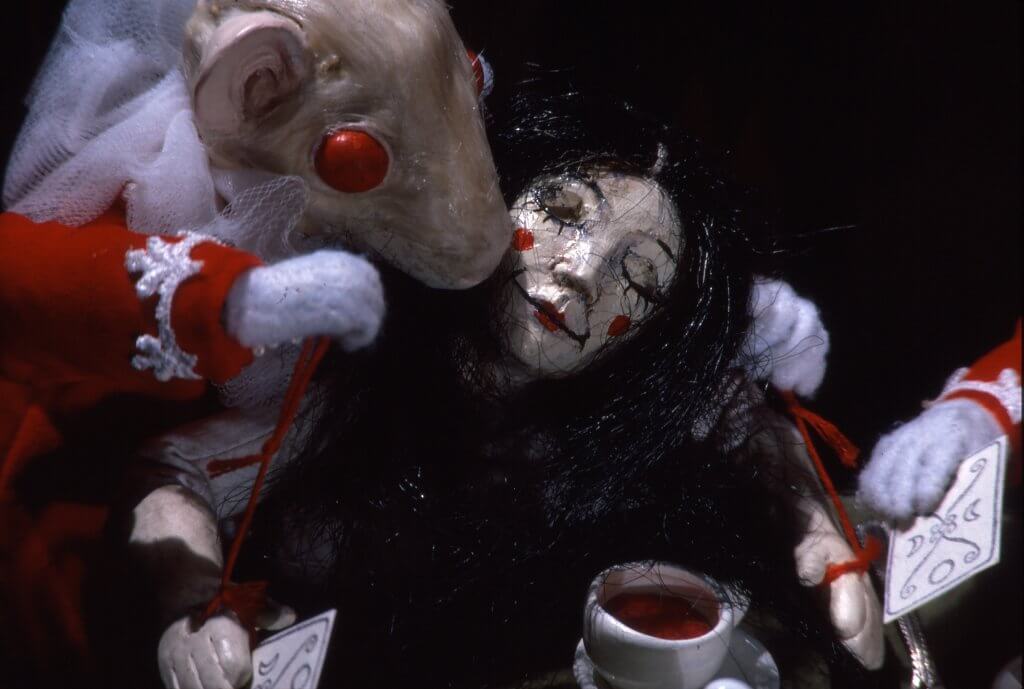
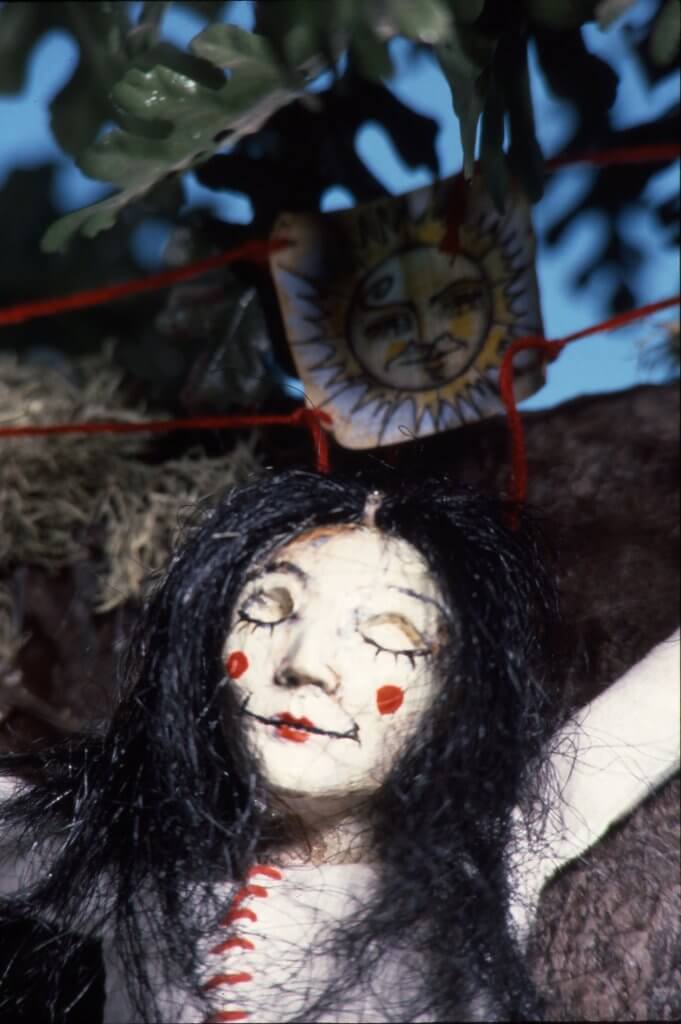
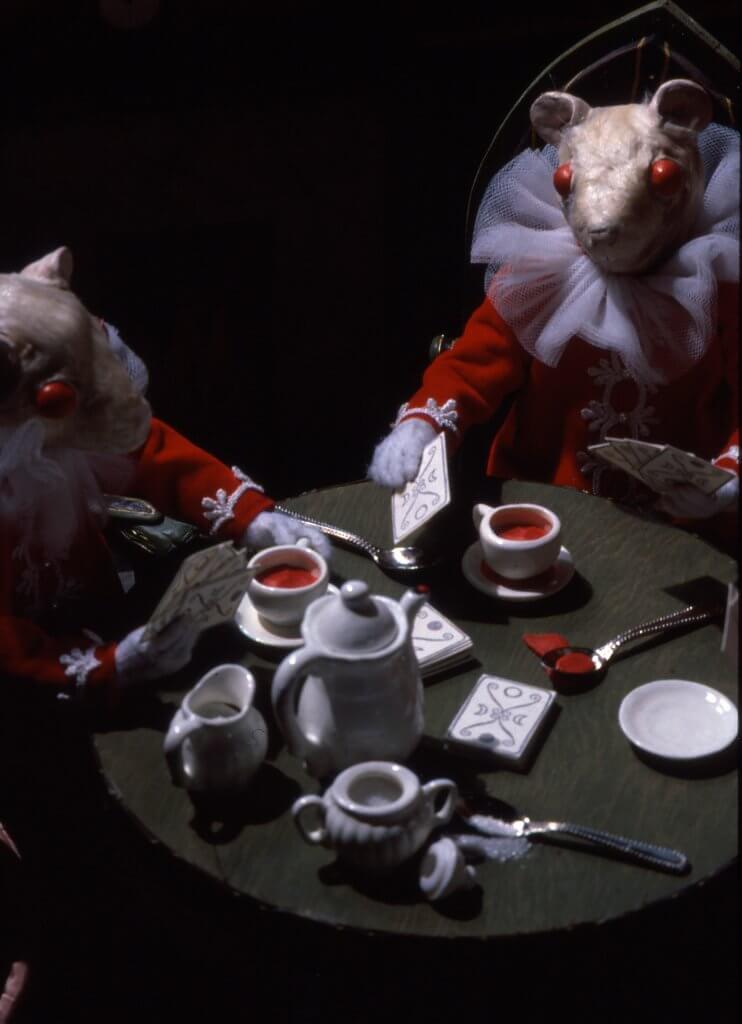
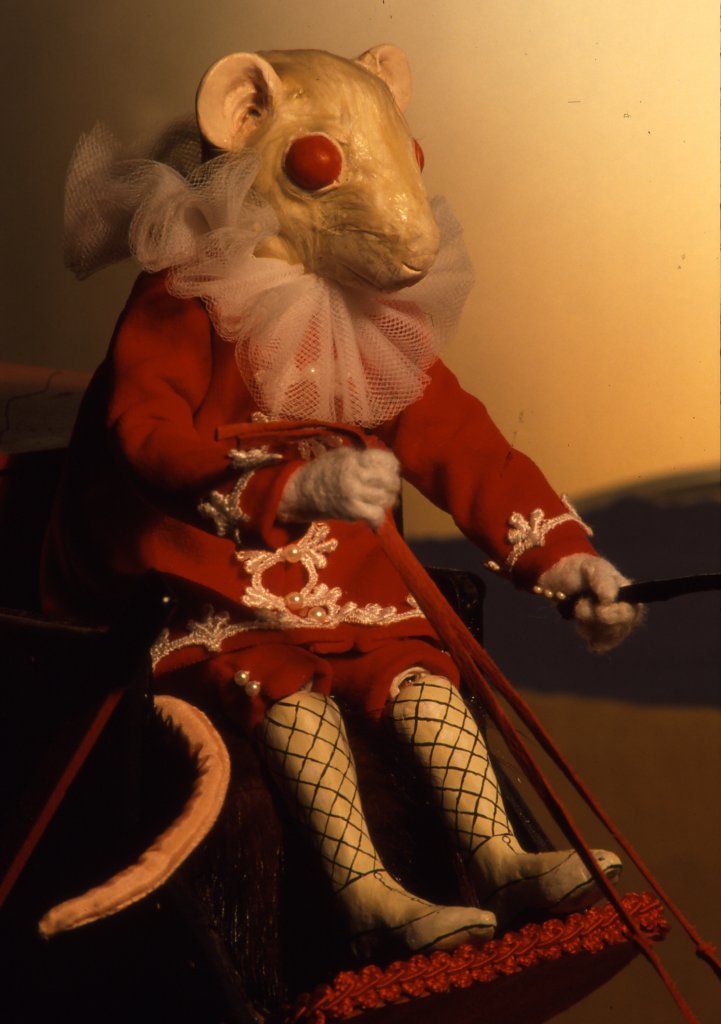
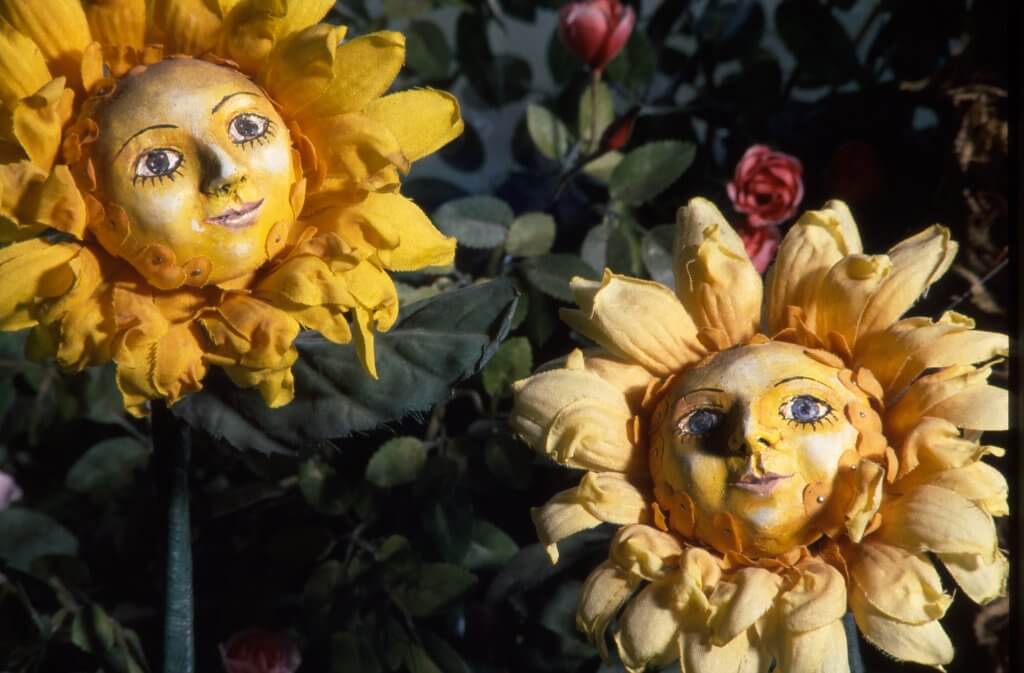
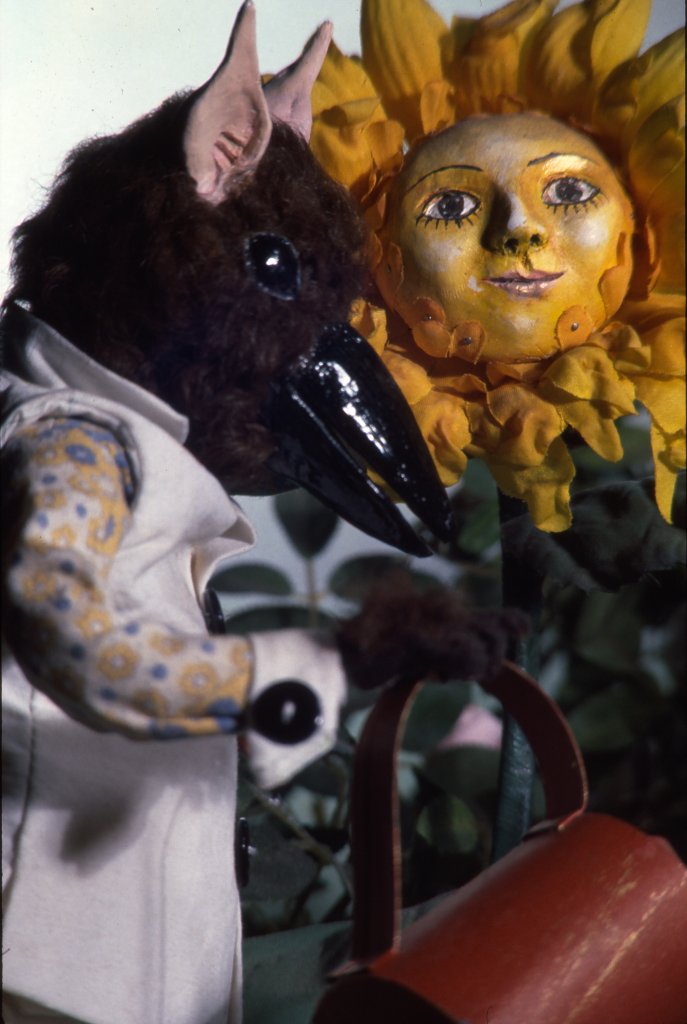
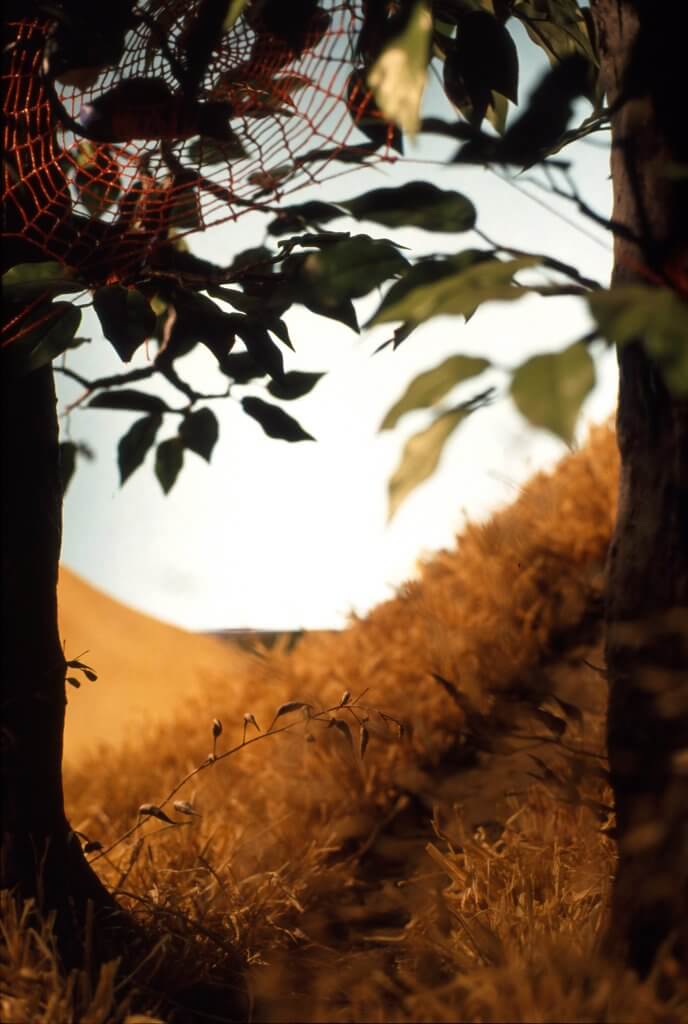
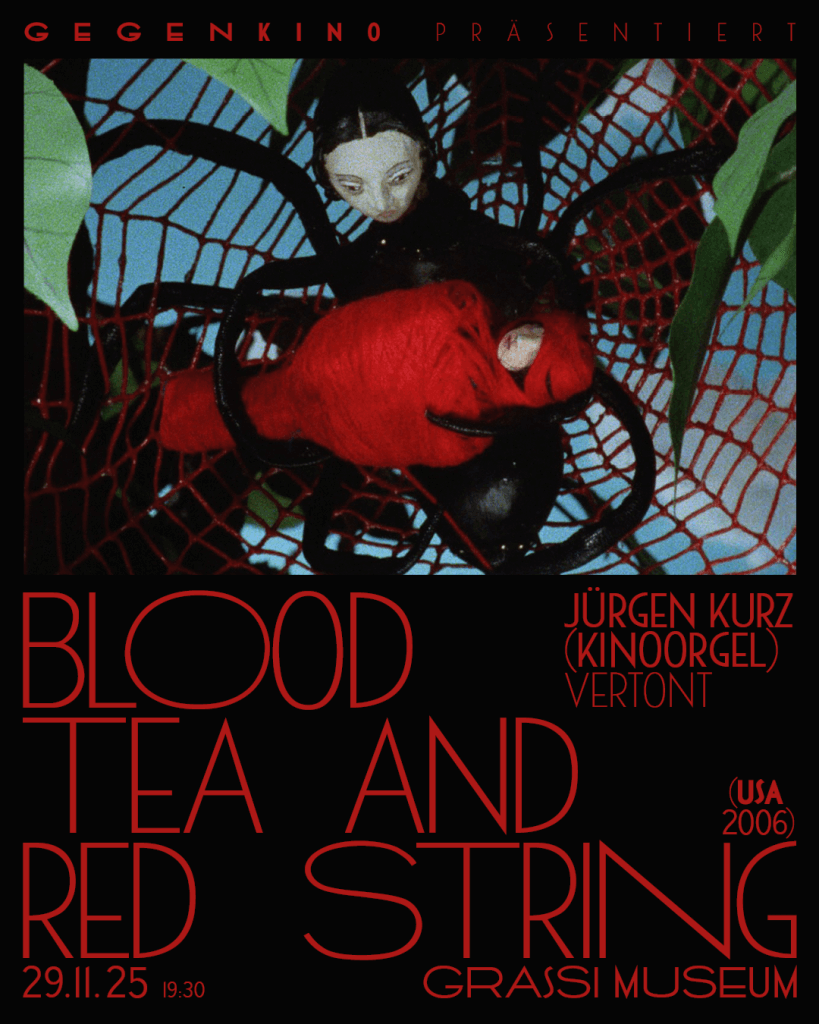
This time we present: aristocratically dressed mice, friendly hybrid creatures that are a cross between ravens and bats, turtles pulling carriages, sunflowers and a monster spider with a human face, a frog healer figure, a raven with a skull, and intoxicating celebrations with blood tea and blank playing cards. That said, we are in the middle of the excsssive world of BLOOD TEA AND RED STRING, a surrealistic stop-motion fairy tale for adults, written, animated and produced over a period of 13 years by artist and director Christiane Cegavske. The film tells the story of a group of supercilious white mice who commission the forest creatures living under the oak tree to make a doll for them. The oak tree dwellers fall in love with the finished doll and refuse to give it up. The mice then kidnap the doll and the forest creatures travel after them to get it back.
Shot on 16mm film and rarely to be seen in Germany, BLOOD TEA AND RED STRING is something like a remarkably detailed, contemporary interpretation of Victorian children’s horror stories. The ominous fever dream of the plot goes beyond the conventional form of fairy tales with its mythological level: instead of an educational undertone, the characters relentlessly and now and then amorally pursue their needs. Recurring images and behaviours include substance abuse and intoxication, as well as obsessive, misguided needs for love. Aesthetic references of the film include the works of Jan Švankmajer and the Quay Brothers – other atmospheric kindred spirits include David Lynch and Edgar Allen Poe. Don’t miss the opportunity to experience this darkly sparkling film with a new soundtrack – we are very much looking forward to it!
| Sat 29 November | Grassi Museum Musikinstrumentenmuseum der Universität Leipzig |
| 7:30 PM | Live score by organist Jürgen Kurz Entry fee: 12€ (reduced: 10€) Tickets available at tixforgigs |
Trailer