AR/GB/ES 2025, D: Sofía Petersen, A: Tina Sconochini, Dario del Carmer, Haro Santana, 126′, OV with English subtitles, DCP
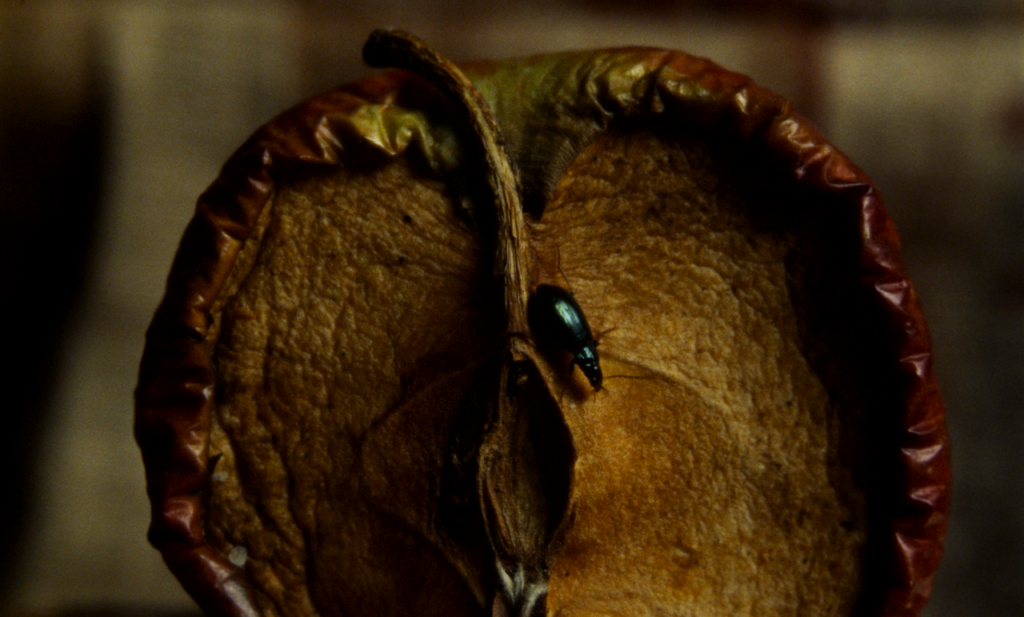
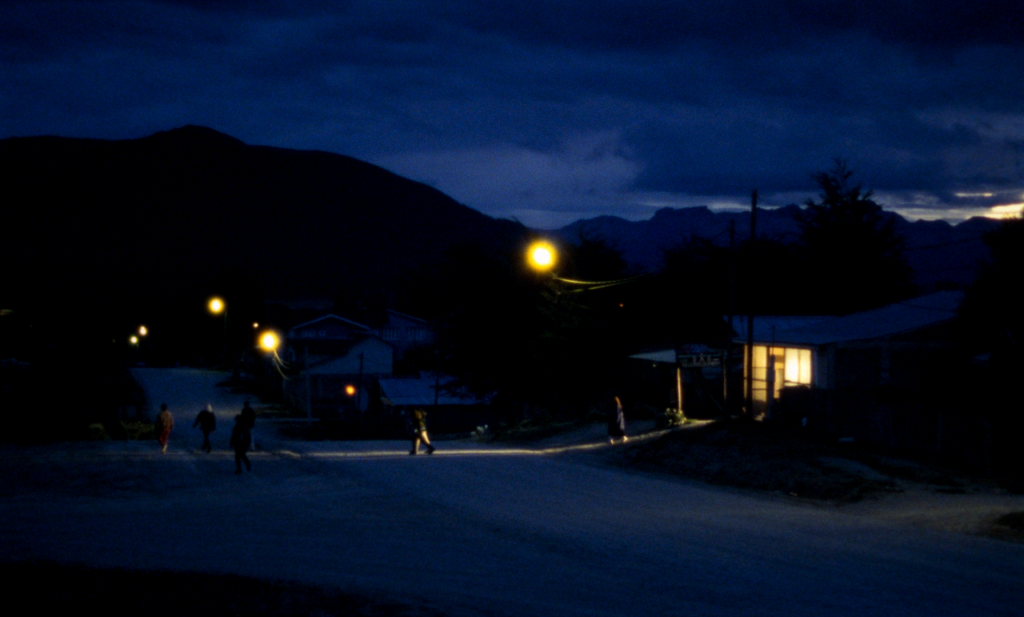
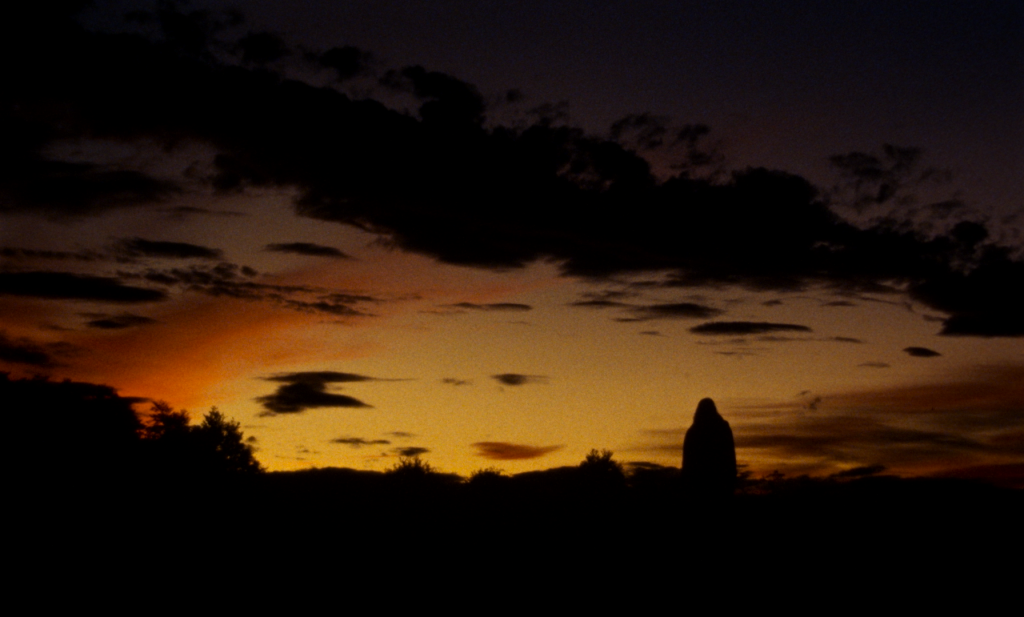
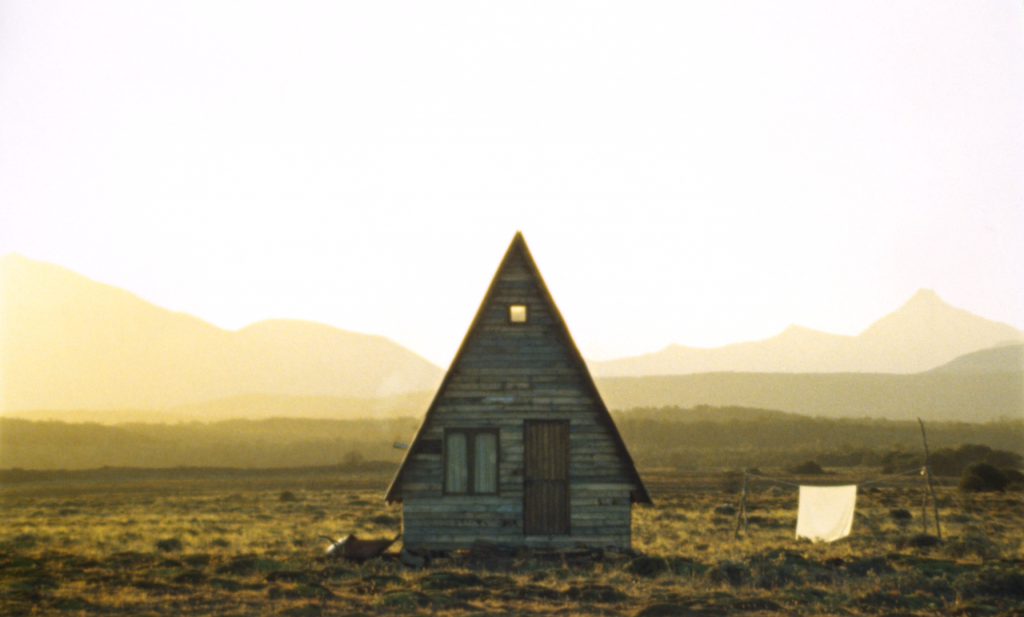
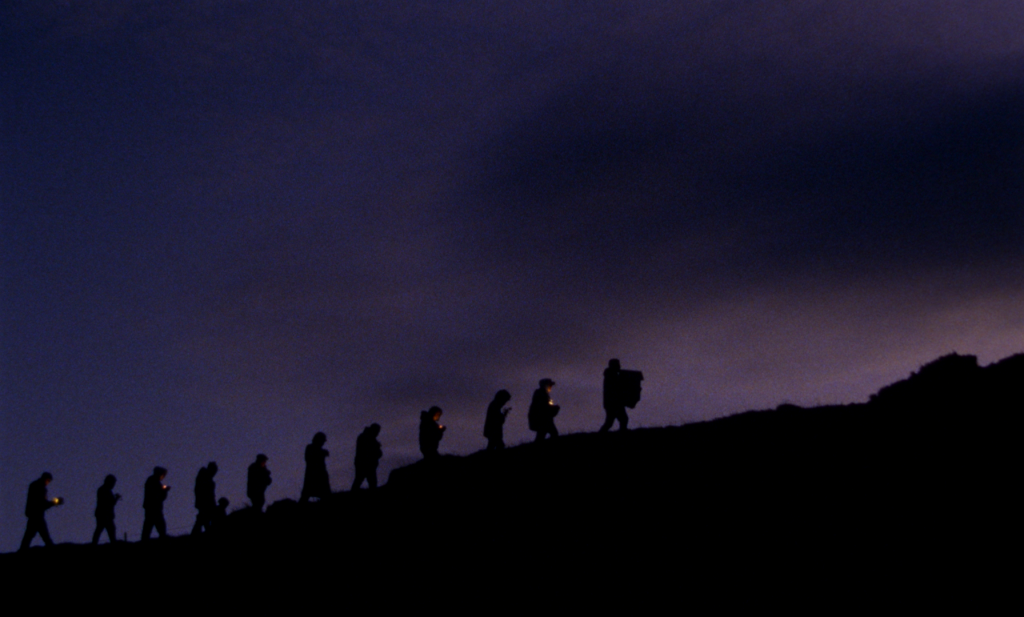
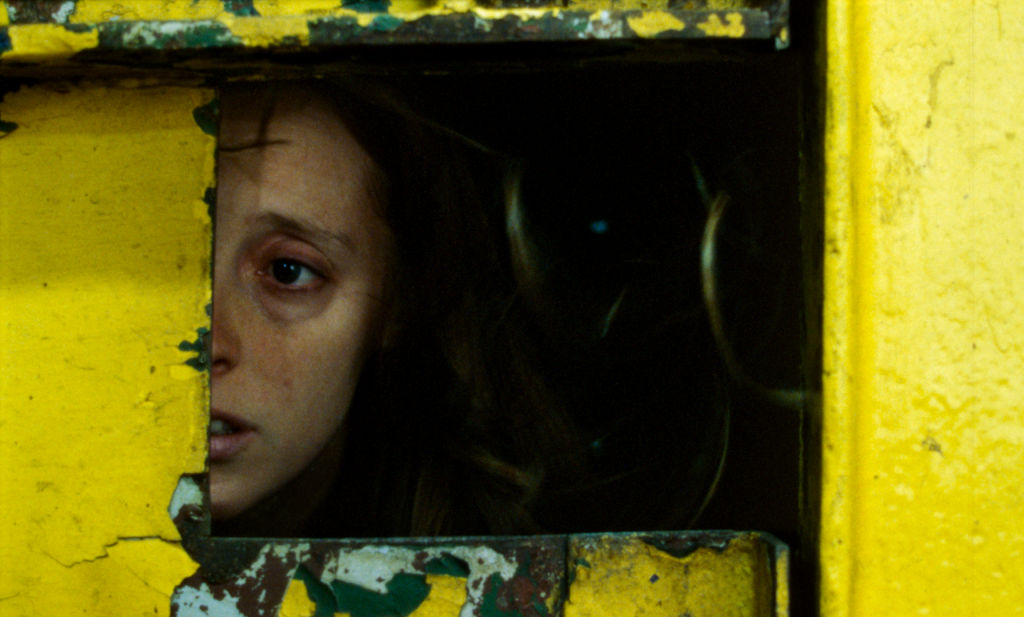
Grown-up Olivia lives with her father in a tiny house on the Tierra del Fuego archipelago in Patagonia. On her nightly wanderings, she roams the wilderness, collecting beetles, losing track of time. One night she wakes up to find her father has disappeared. She searches for him in the corridors of the huge slaughterhouse where he earns his living. In a small coastal village, she finally meets Mari and with her, sets off on a journey into the own inner wounds. As if in a dream, actress Tina Sconochini glides through a universe of light and shadow, between the tides of day and night, immersed in lyrical images of nature and sensual close-ups of everyday objects that develop a peculiar, otherworldly magic. A fascinating debut.
| Sun 20 September 2026 | Luru Kino |
| 9 PM | € 7,50 (6,50 reduced) |
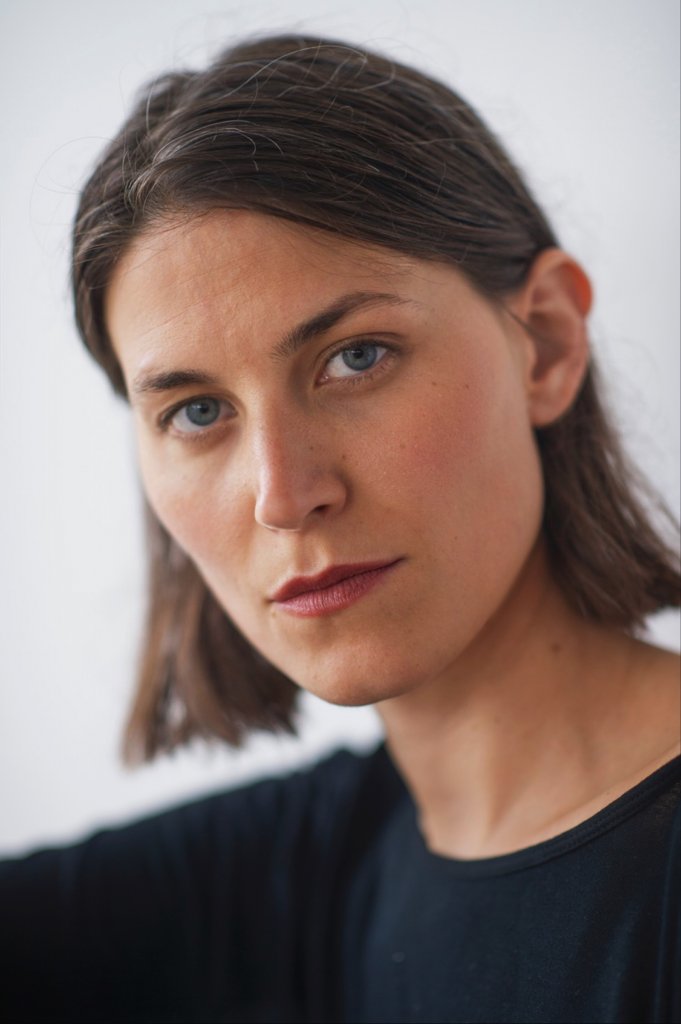

Norika Sefa is a Kosovan writer, director, and editor. Her feature debut, LOOKING FOR VENERA (2021), premiered at the International Film Festival Rotterdam, where it received the Tiger Award, establishing Sefa as one of the most distinctive emerging voices in contemporary European cinema. Prior to her feature debut, Sefa directed the hybrid documentary DESDE ARRIBA (2020), filmed in the Peruvian Amazon under the guidance of Werner Herzog. Her latest short film, LIKE A SICK YELLOW (2024), continues her exploration of experimental forms, blending documentary and avant-garde practices through a bold visual and narrative approach. Alongside her artistic work, she is actively involved in film education, giving lectures, workshops, and has served as a jury member for numerous film festivals. She is a member of the European Film Academy (EFA).
I chose, across different countries, years, and cinematic traditions, films that treat cinema not as an explanation, but as a way of unsettling reality. “Poor images” make visible what we are used to seeing without questioning. (Norika Sefa, curator of the programme)
Programm:
AND WE ALL SHINE ON is an experimental collage that transforms found imagery, layered landscapes, and karaoke into an eerie meditation on media, belief, and apocalypse. A mysterious drift through the material blurs memory, myth, and deception, while exposing the emotional power and danger of mediated images and spiritual longing.
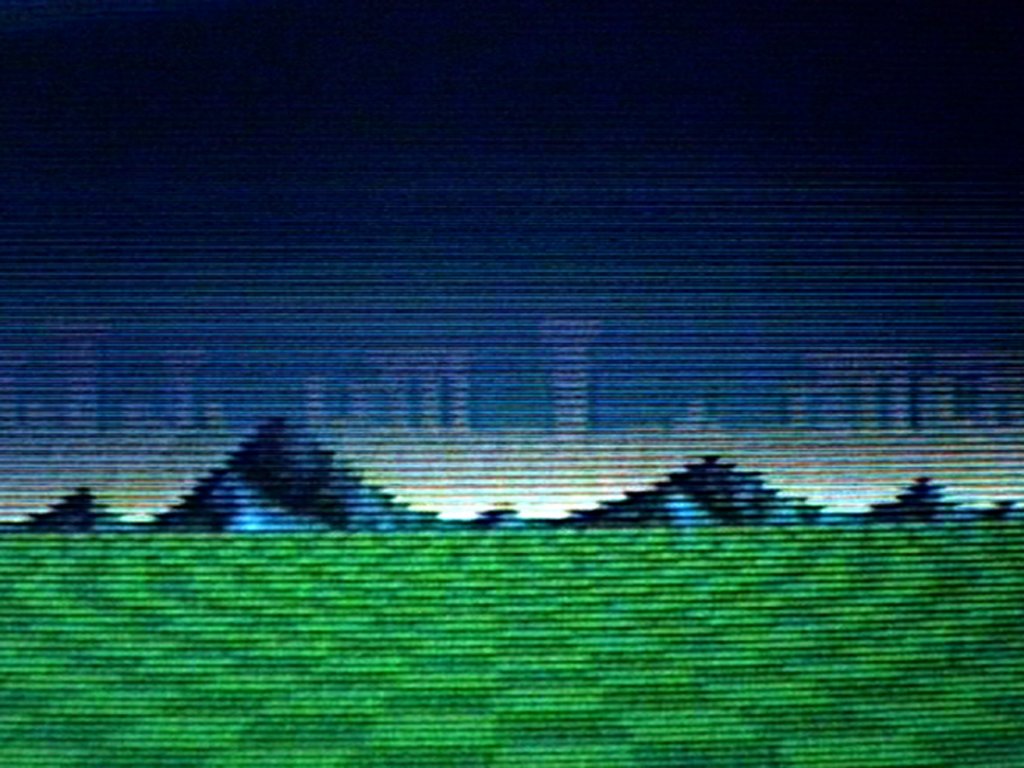
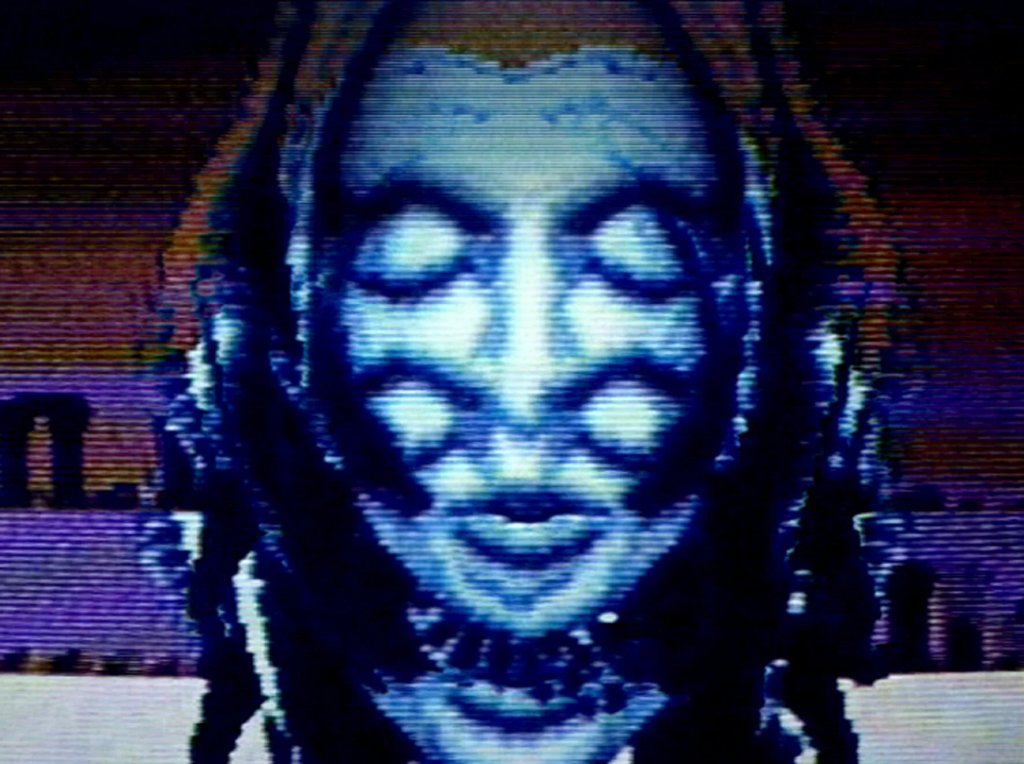
US 2006, Michael Robinson, 7’, no dialogue, DCP
2020 is a brief, concentrated portrait in which Friedl vom Gröller’s characteristic attention to faces, presence, and duration becomes almost tactile. In its minimal form, the film turns a fleeting encounter into a meditation on looking, memory, and the fragile trace of a moment.
POV MEMORY explores human memory through the unstable perspective of digital memory where recorded experience becomes fragmented, reconstructed, and estranged. Blurring the boundaries
between personal archive, perception, and virtual space, the film reflects on how contemporary technologies reshape the way memories are formed and recalled.
S/T is a luminous, meditative study of light, movement, and duration in which everyday reality is transformed into pure cinematic sensation. With this film, Caldini reduces cinema to its elemental qualities, inviting viewers to experience image and time as physical, almost transcendental phenomena.
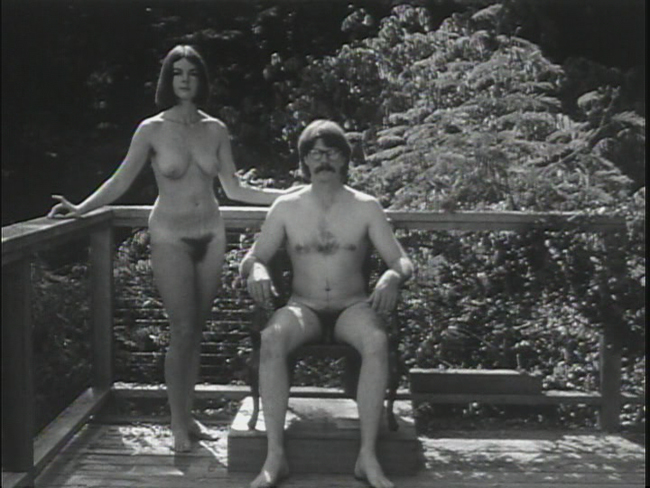
I CHANGE I AM THE SAME is a playful one-minute experimental film in which a man and a woman repeatedly exchange clothes, blurring the visual markers of gender and identity. Through simple transformations, it questions how much identity depends on appearance rather than the person beneath. Despite constant change, the film suggests that something essential remains the same.
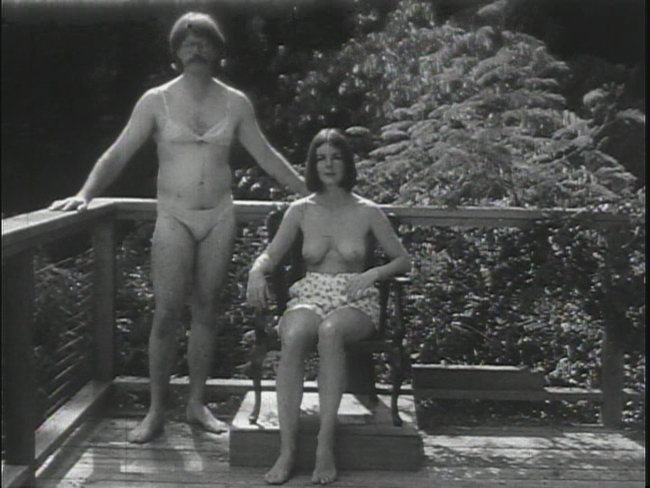
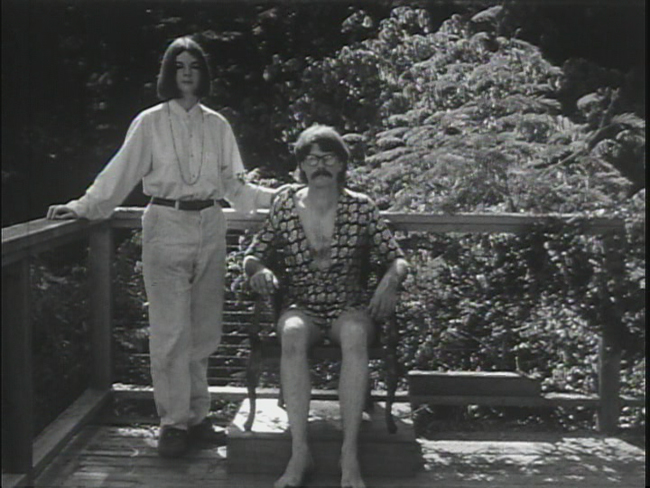
US 1969, Alice Anne Parker, Shelby Kennedy, 1’, no dialogue, DCP
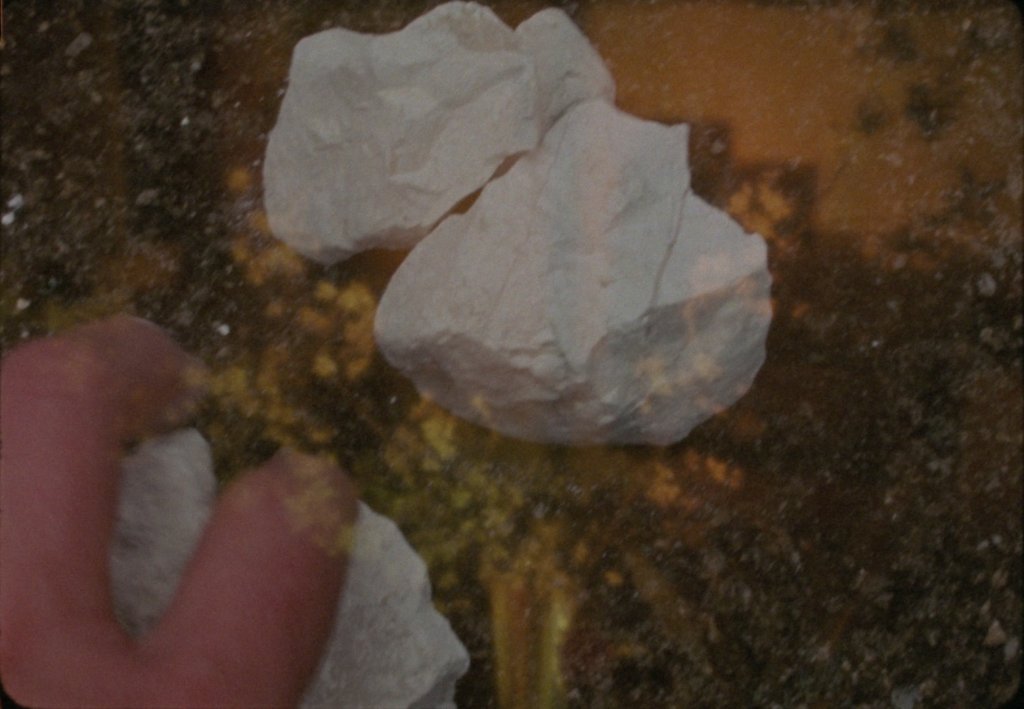
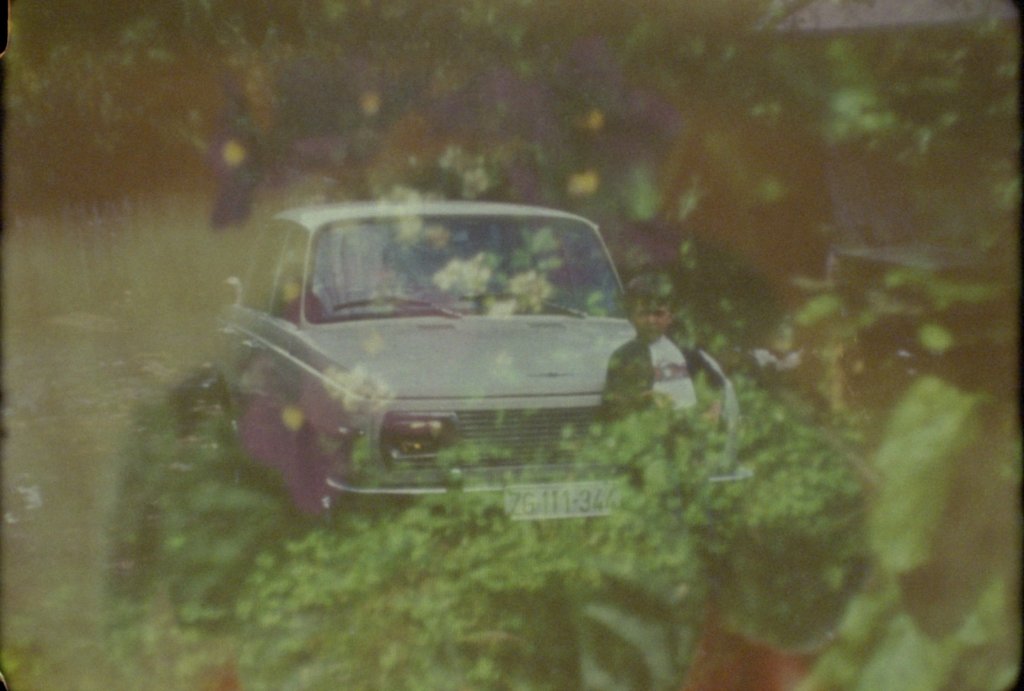
I WOULD RATHER BE A STONE explores memory, landscape, and inherited histories through a poetic encounter with voices, images, and material traces. Moving between personal and collective forms of remembrance, the film reflects on the weight of the past and the ways bodies, places, and stories carry what cannot be fully articulated.
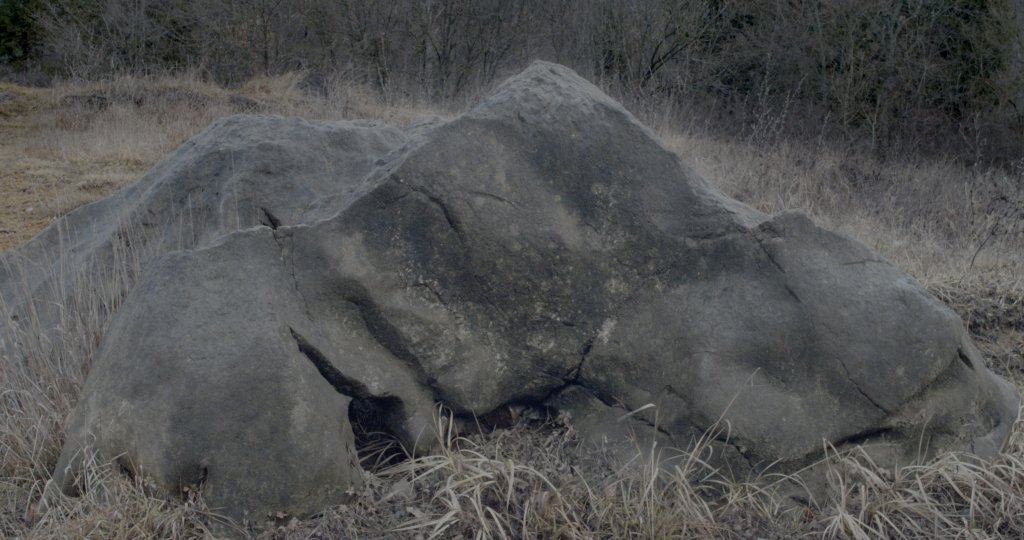


HR 2024, Ana Hušman, 24’, OV with English subtitles, DCP
EXTRA TERRESTRIAL is a hypnotic experimental journey that investigates perception, trance,
and the limits of the visible. Through a carefully constructed encounter between image, sound, and landscape, Russell creates a space where documentary observation slips into the hallucinatory, questioning what it means to experience and record another reality.
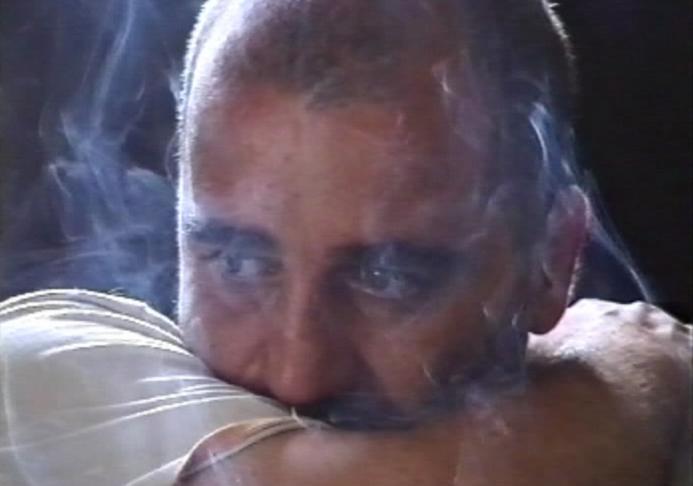
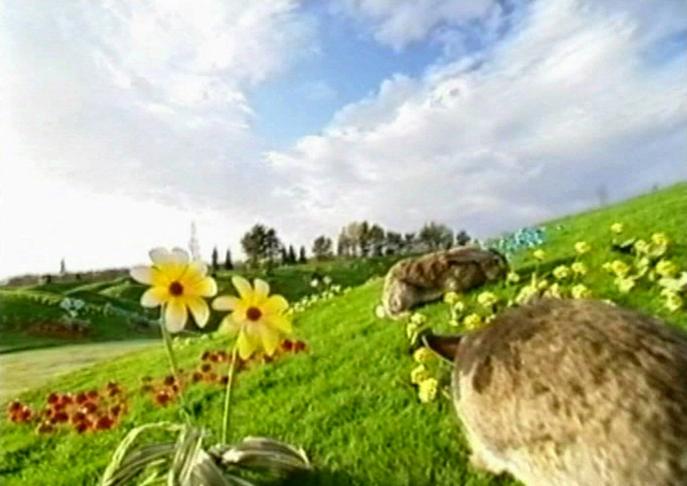
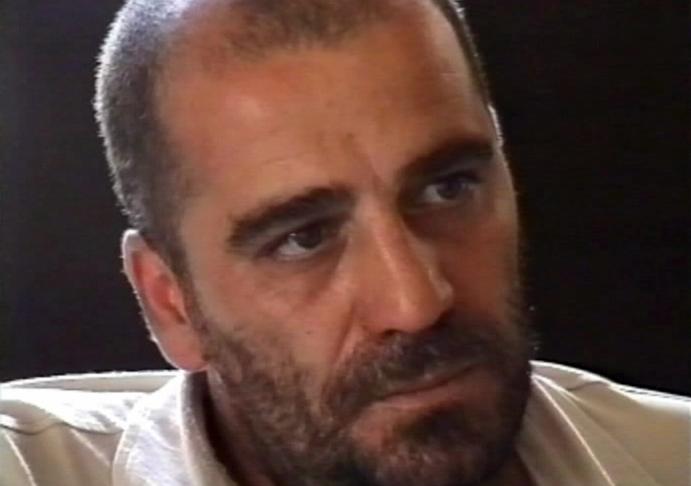
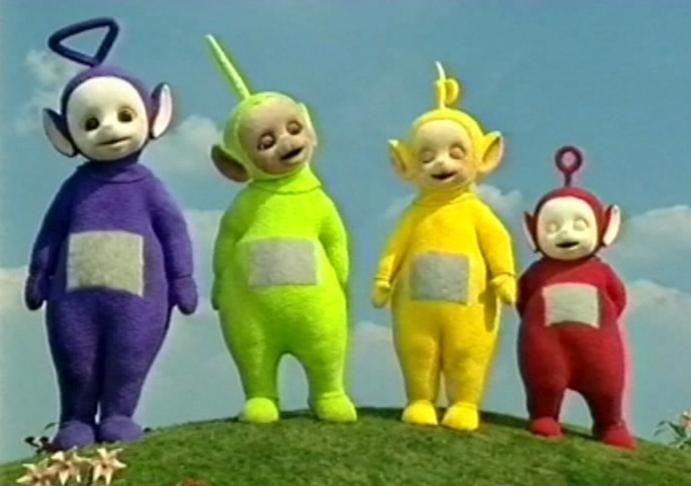
XK 2002, Sokol Beqiri, 3’, no dialogue, DCP, Lender: Kontakt Collection, Vienna
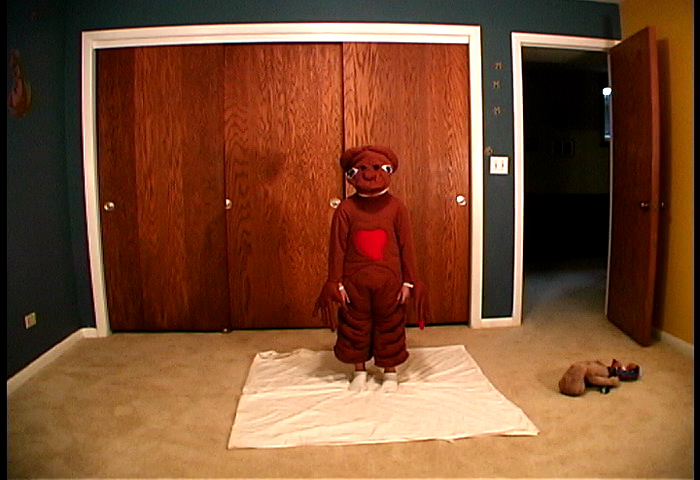
SUPERMAN is a concise and provocative gesture that uses the figure of the superhero as a symbol of power, vulnerability, and collective imagination. Through a simple yet unsettling visual intervention, Beqiri questions ideas of heroism, identity, and the desire for transcendence within a fractured reality.
F1GHTING LOOKS DIFFERENT 2 ME NOW is a vibrant experimental collage that moves through memory, resistance, and transformation using fragments of sound, image, and personal archive. The film challenges fixed narratives of identity and history, creating a space where struggle becomes a form of survival yet is always on edge, constantly shifting trying to become something else, refusing to settle into a single form or meaning.
| Sun 20 September 2026 | Luru Kino |
| 7 PM | Ordinary Errors: everything about yourself AND WE ALL SHINE ON US 2006, Michael Robinson, 7’, no dialogue, DCP 2020 AT 2021, Friedl vom Gröller, 2’, no dialogue, DCP POV MEMORY SG/AZ 2023, Igor Smola, 13’, OV with English subtitles, DCP S/T CA 2007, Claudio Caldini, 3’, silent, DCP I CHANGE I AM THE SAME US 1969, Alice Anne Parker, Shelby Kennedy, 1’, no dialogue, DCP I WOULD RATHER BE A STONE HR 2024, Ana Hušman, 24’, OV with English subtitles, DCP EXTRA TERRESTRIAL US 2004, Rhyne Piggott, Ben Russell, 11’, no dialogue, DCP SUPERMAN XK 2002, Sokol Beqiri, 3’, no dialogue, DCP, Lender: Kontakt Collection, Vienna F1GHTING LOOKS DIFFERENT 2 ME NOW Mesa Grande Reservation/US 2022, Fox Maxy, 11’, English OV, DCP With an introduction by curator Norika Sefa € 7,5 (6,5 reduced) |
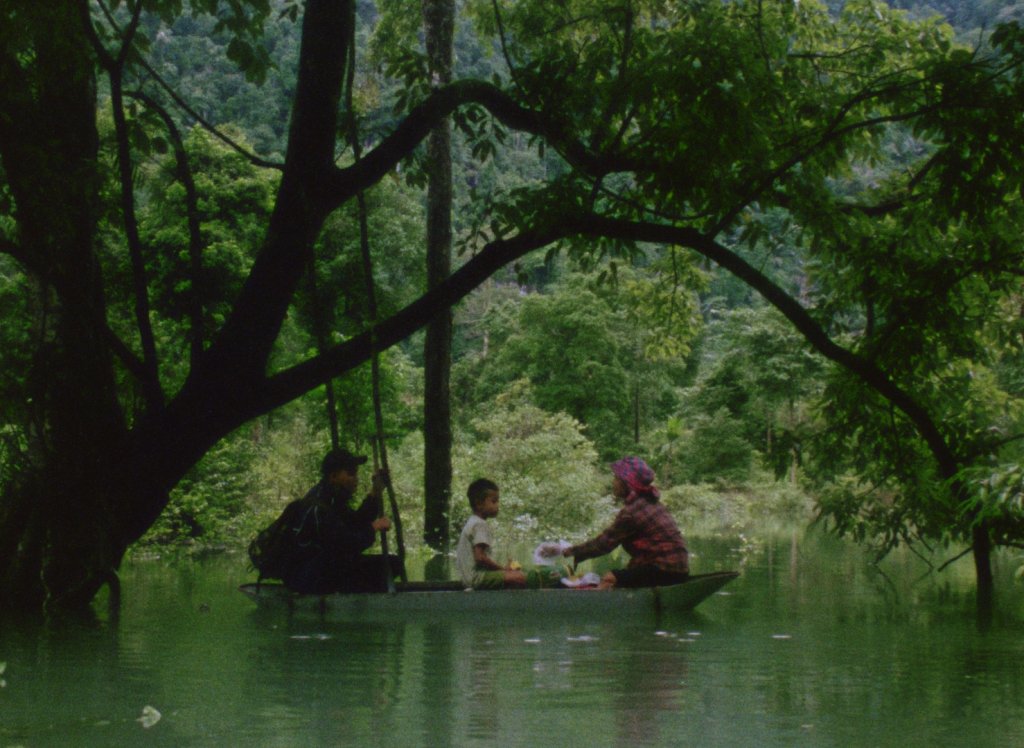
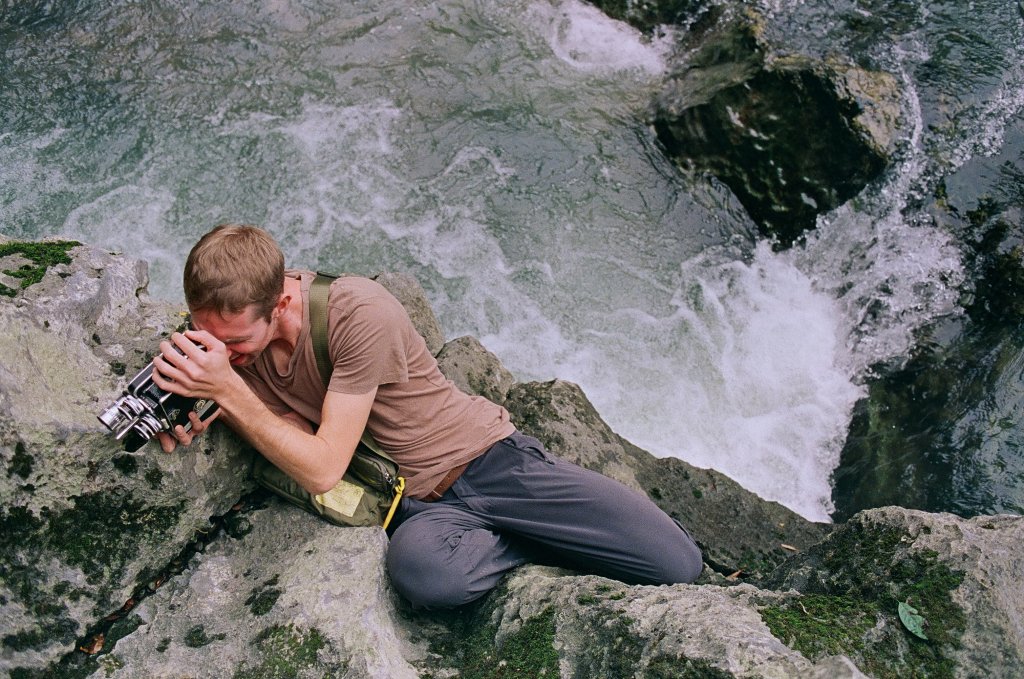
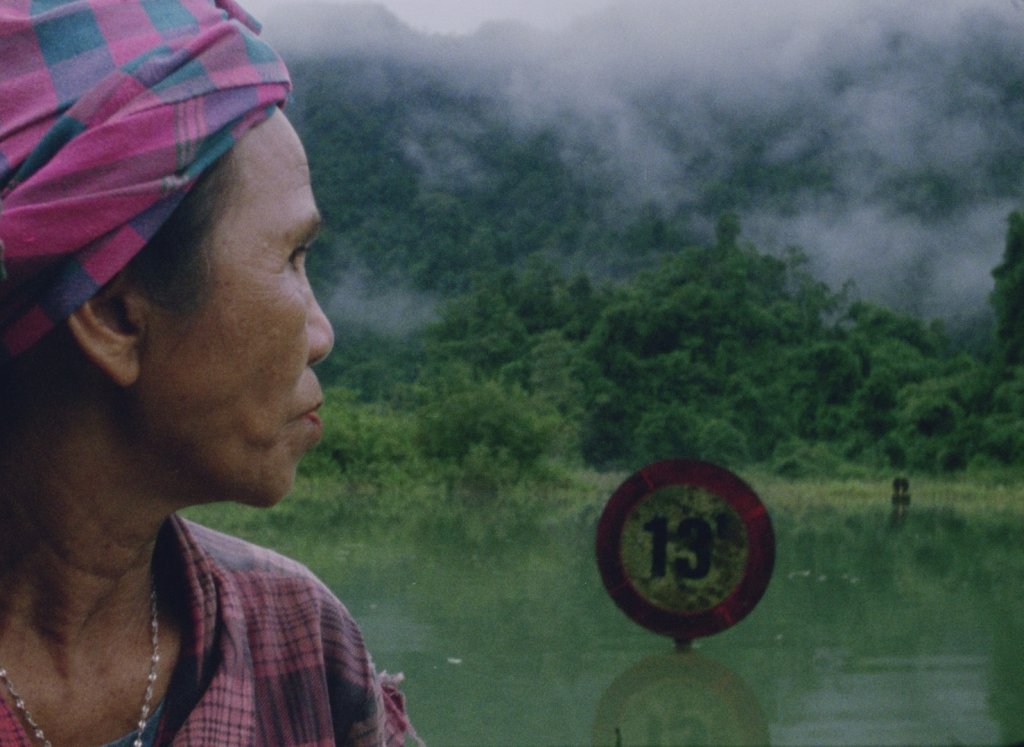
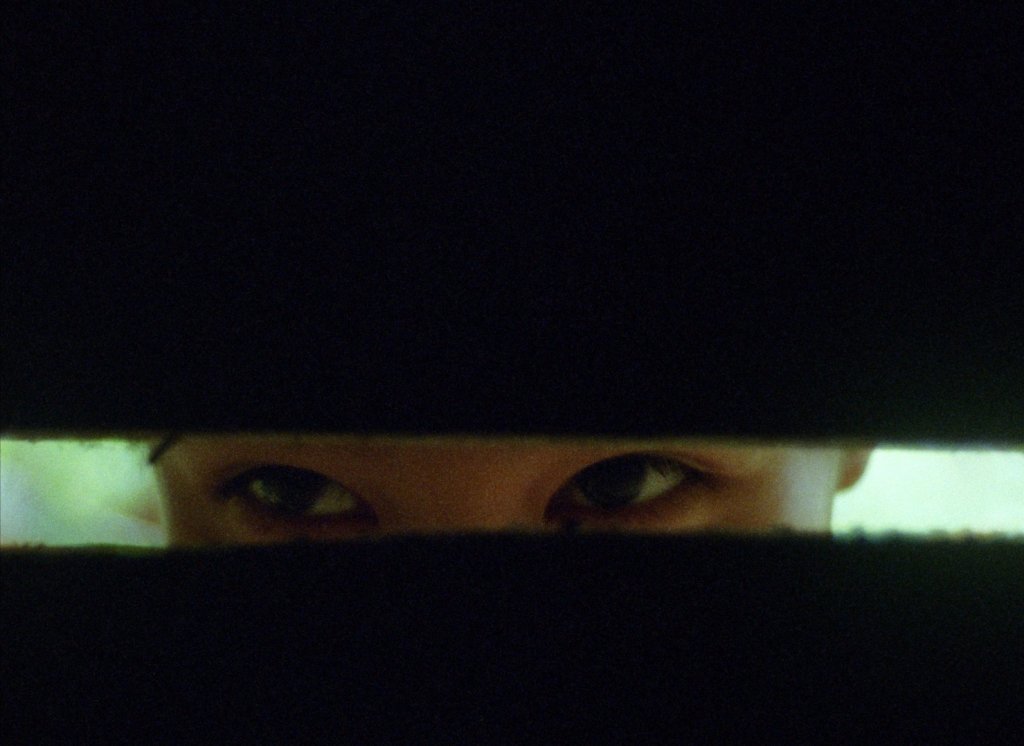
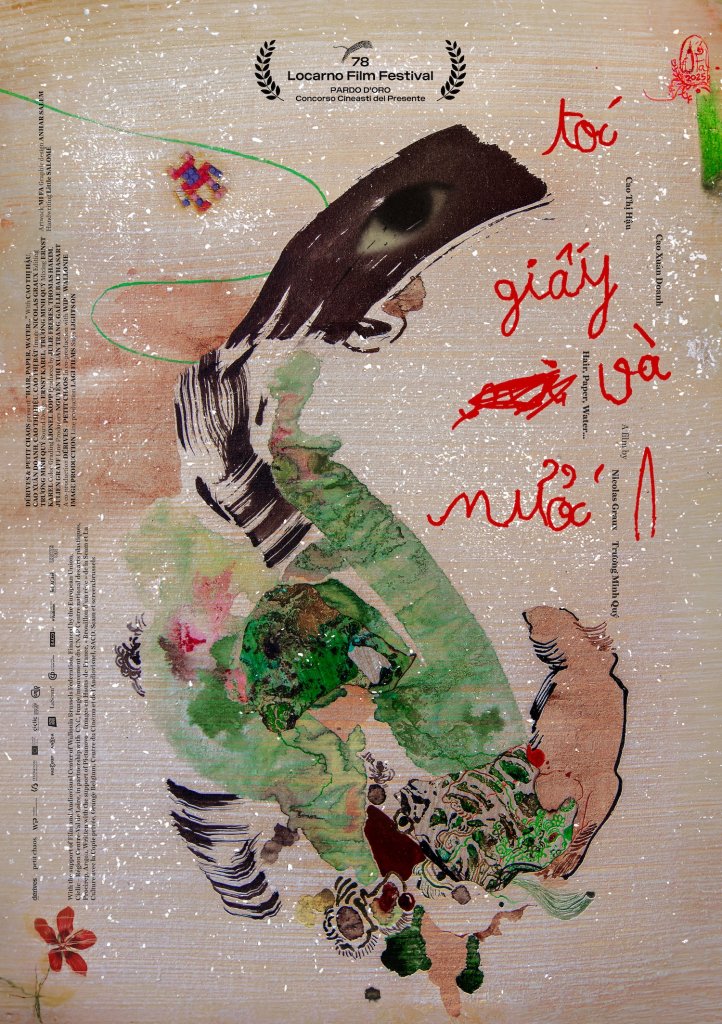
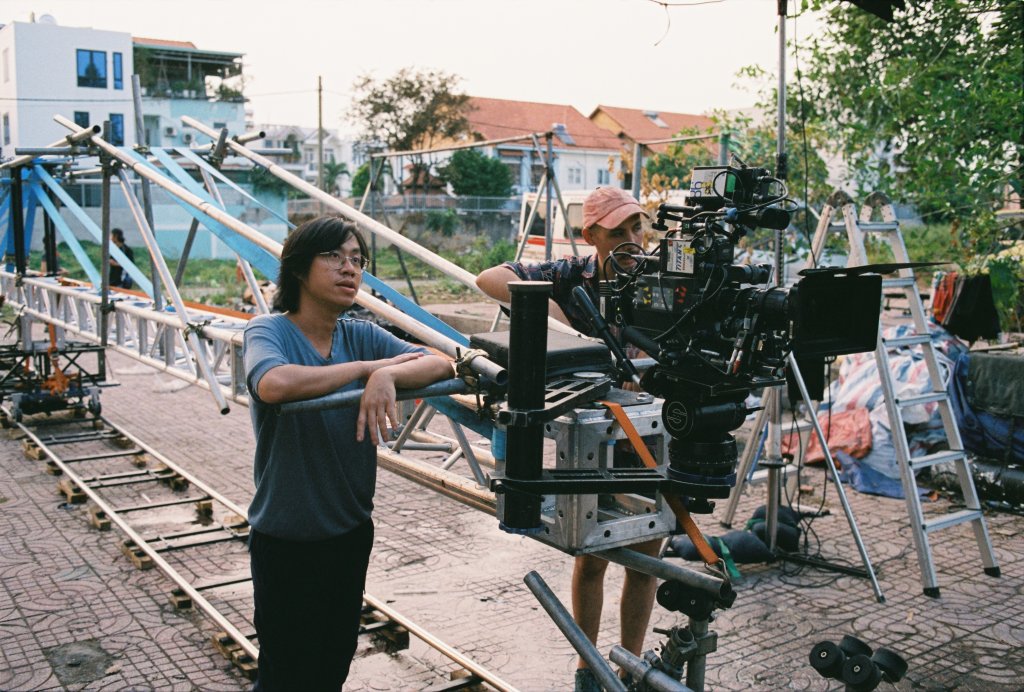
BE/FR/VN 2025, D: Nicolas Graux, Truong Minh Quy, 71′, OV with English subtitles, DCP
More than 60 years ago, Thị Hậu Cao was born in a cave populated with bats. She belongs to the ethnic group of the Ruc, whose language and cultural practices are under threat of extinction in Vietnam. She is committed to passing on her language to future generations – she travels down the river with her grandson and practises vocabulary using examples from nature. The directing duo Nicolas Graux and Truong Minh Quy accompany her in this sensual documentary, shot on 16mm film and brimming with warm colours, imagery, sounds and atmospheres. They gently weave together the present-day reality of Vietnam with Thị Hậu Cao’s memories and dreams to create an intimate portrait.
| Sat 19 September 2026 | Luru Kino in der Spinnerei |
| 10 PM | € 7,50 (6,50 reduced) |
Avantgarde Now! and Then! sixpackfilm from Vienna

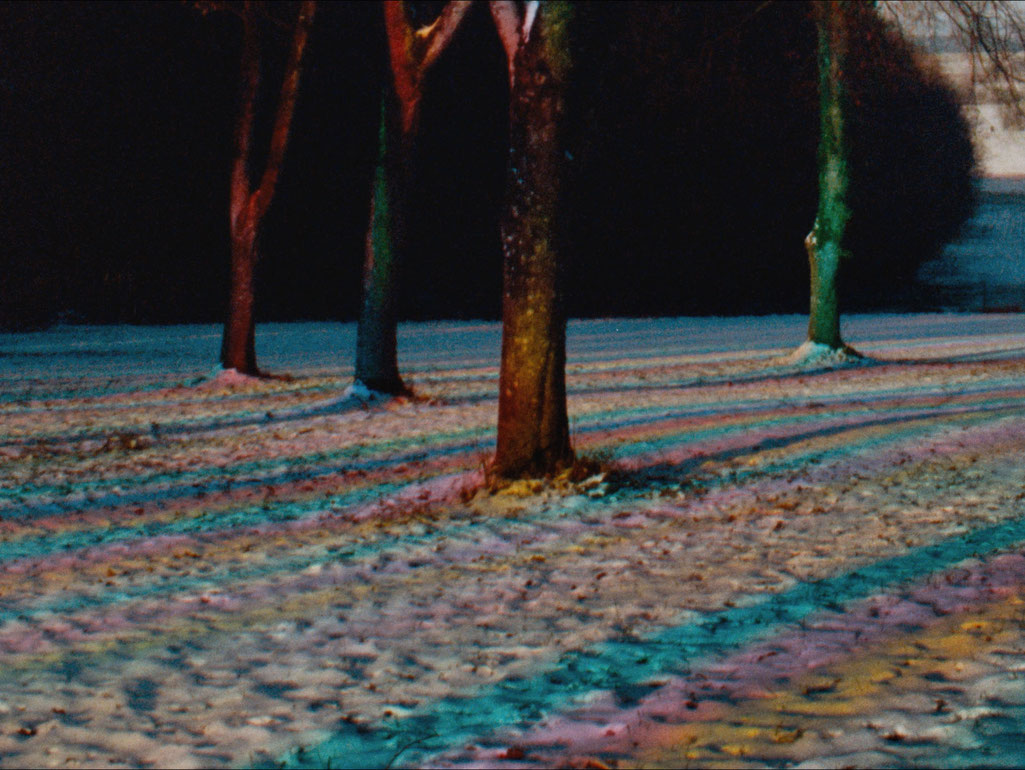
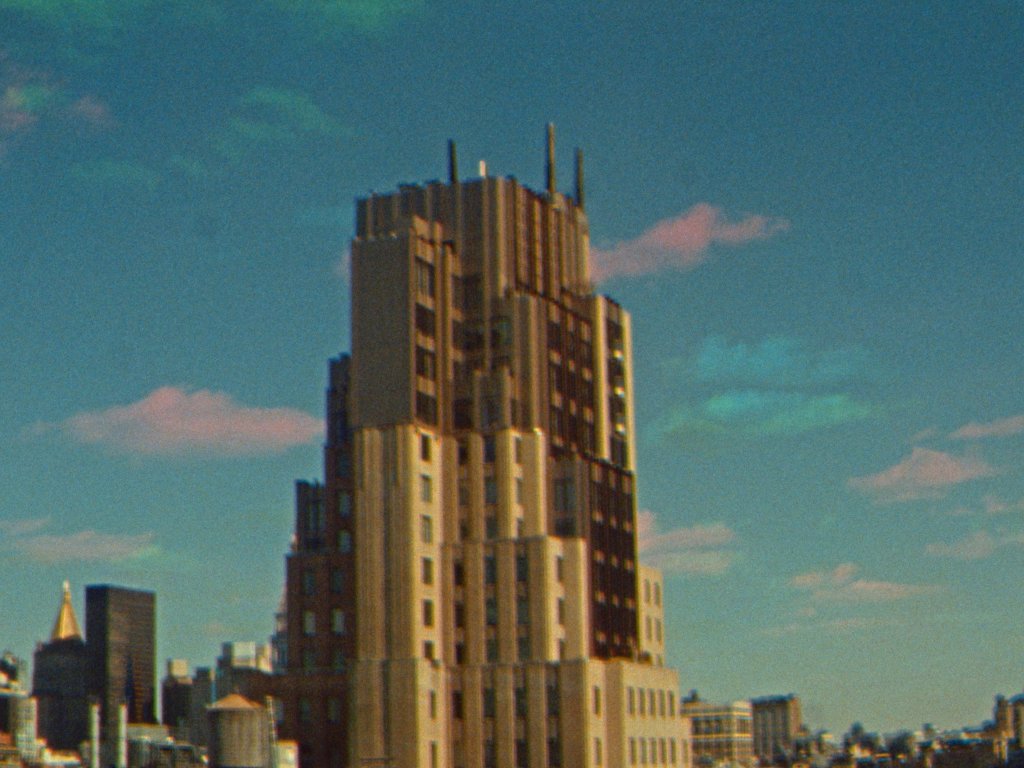
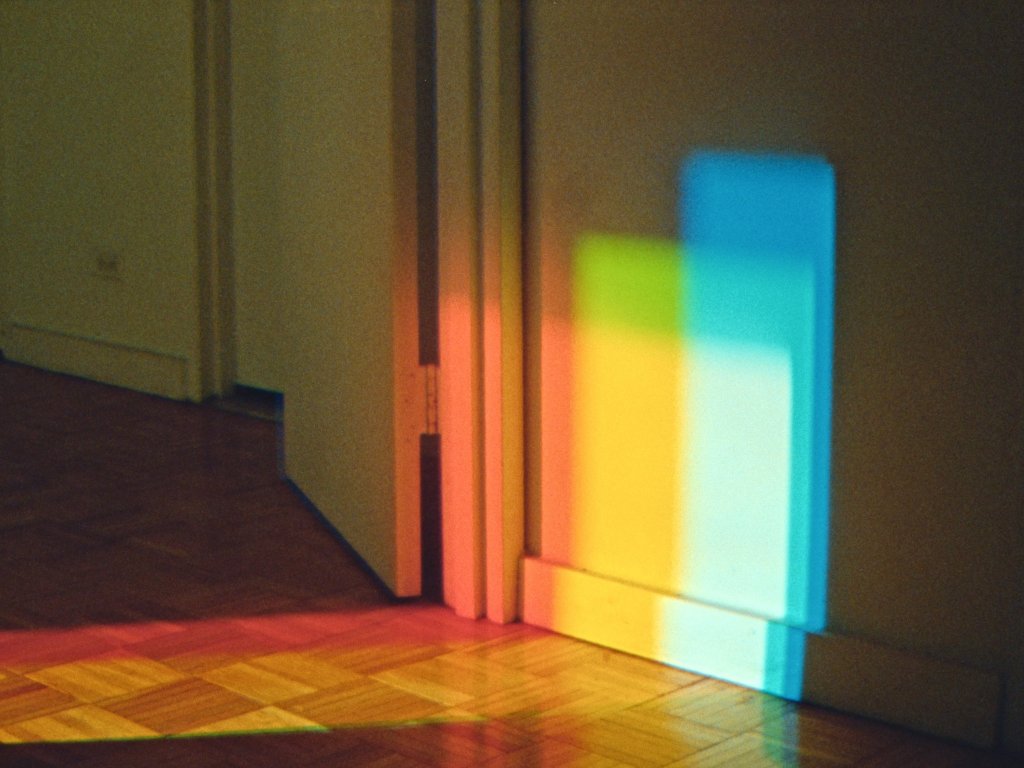
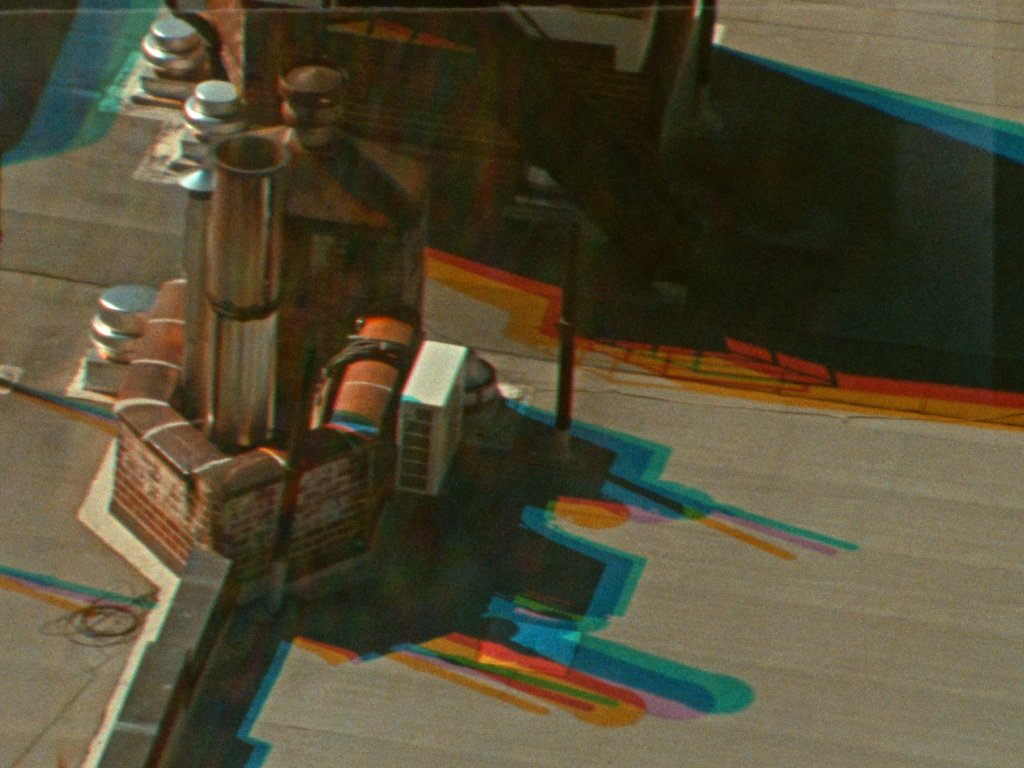

Viktoria Schmid’s films operate at the intersection of experimental film, installation and media reflection. At the heart of her works lie the fundamental elements of the cinematic apparatus – camera, editing, lighting, film material and screen – which Schmid treats not merely as technical prerequisites, but as independent aesthetic factors creating meaning in their own right. Thus, her films engage with the cinematic dispositif by making visible the interplay between perception and projection, pictorial space and materiality. Street canyons, skyscrapers and water towers: The iconography of New York’s urban landscape is well known. In NYC RGB however, Schmid shows us New York City as we have never seen it before. She has triple-exposed the analogue film stock using different colour filters – first red, then green, and finally blue – thereby fusing colours, architecture and time into a completely new form of perception. NYC RGB and ROJO ZALJA BLAU are part of a series of works in which Schmid explores early filming techniques, historical colouring processes in analogue film and 16mm footage “cut” in-camera.
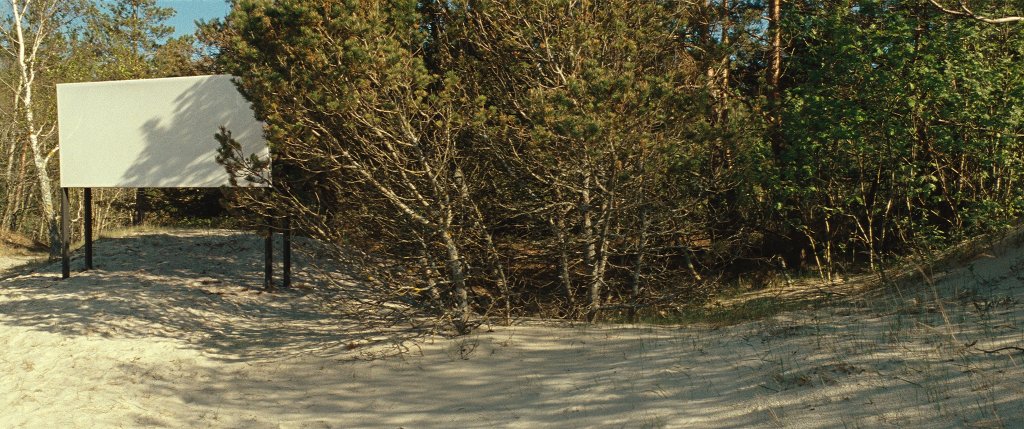
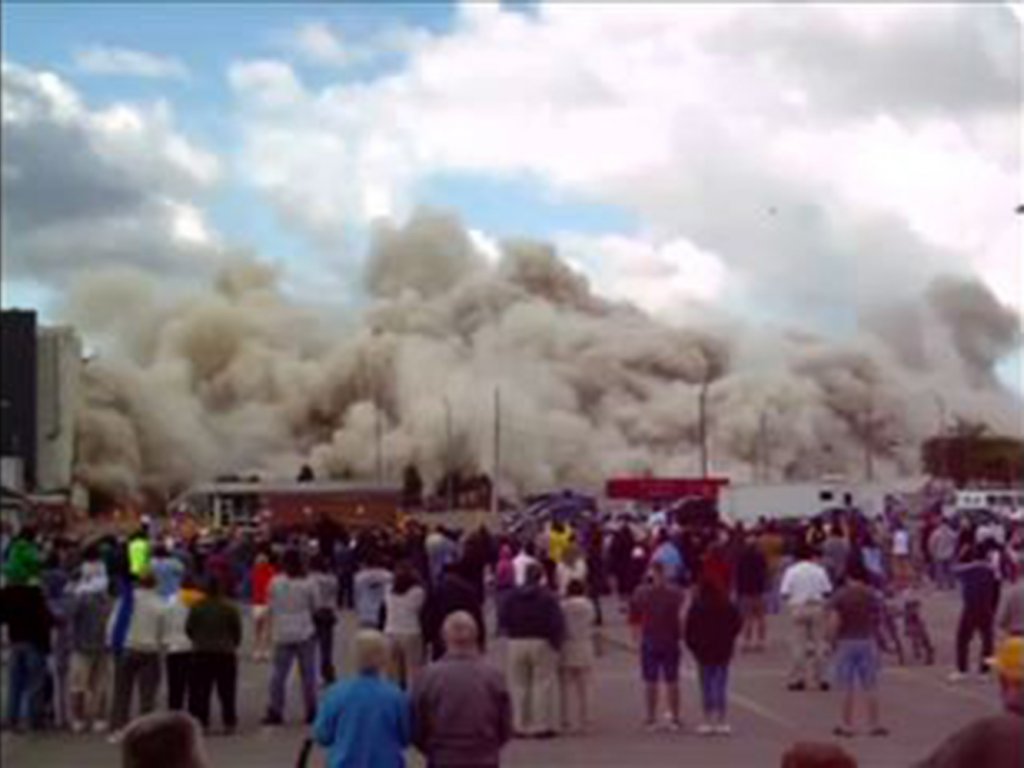
In W O W (KODAK), she compiles and manipulates amateur footage of the partial demolition of Eastman Business Park in Rochester, New York. Once a global centre for analogue photography, the site’s redundant film production facilities were reduced to rubble and ashes. On the one hand, the demolition shown here is a radical expression of media shift towards the digital. At the same time, the reverse playback of the footage – one of the earliest special effects techniques in film history—articulates a longing for the continuation of analogue media. For A PROPOSAL TO PROJECT IN SCOPE, Schmid set up a screen in Cinemascope – the widest aspect ratio, which was increasingly used in the Western genre – on a barren dune on the Lithuanian coast. The film simultaneously portrays the landscape while documenting the intervention in the natural environment. Schmidt filmed this site-specific installation at various times of the day, turning the screen into a projection surface for the shadows of the surrounding trees and bushes. A cinema without film.
| Sat 19 September 2026 | Luru Kino |
| 8 PM | Light, colour, time – the films of Viktoria Schmid ROJO ZALJA BLAU AT 2025, 10′, DCP NYC RGB AT/US 2023, 7′, DCP KATHARINAVIKTORIA 2(021) AT 2021, 1′, DCP A PROPOSAL TO PROJECT IN SCOPE AT/LT 2020, 8′, DCP W O W (KODAK) AT 2018, 3′, DCP A TAMA FOR EKTACHROME AT 2016, 1’, DCP A PROPOSAL TO PROJECT IN 4:3 AT 2016, 2′, DCP IT’S A DANCE AT 2014, 2′, DCP KATHARINAVIKTORIA AT 2011, 1′, DCP ACHTUNG / HALLO 35 AT 2010, 2′, 35mm GOLAN AT 2012, 2’, 16mm FOODFILMS AT 2010, 8′, 16mm In presence of Viktoria Schmid and Dietmar Schwärzler € 7,50 (6,50 reduced) |
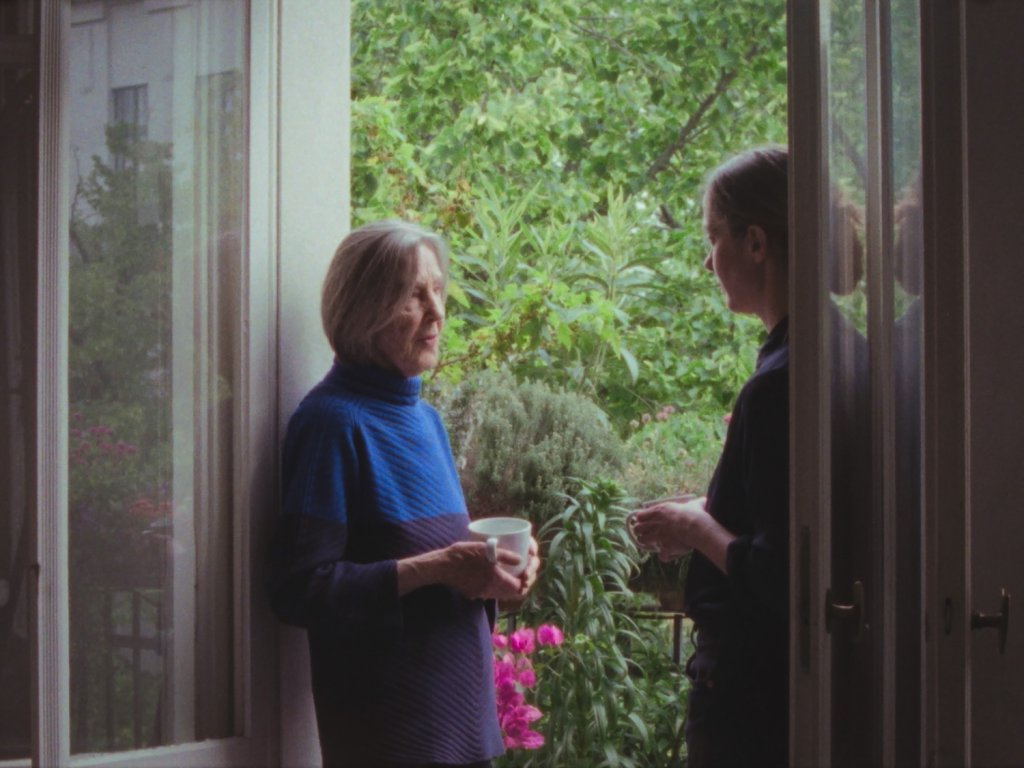
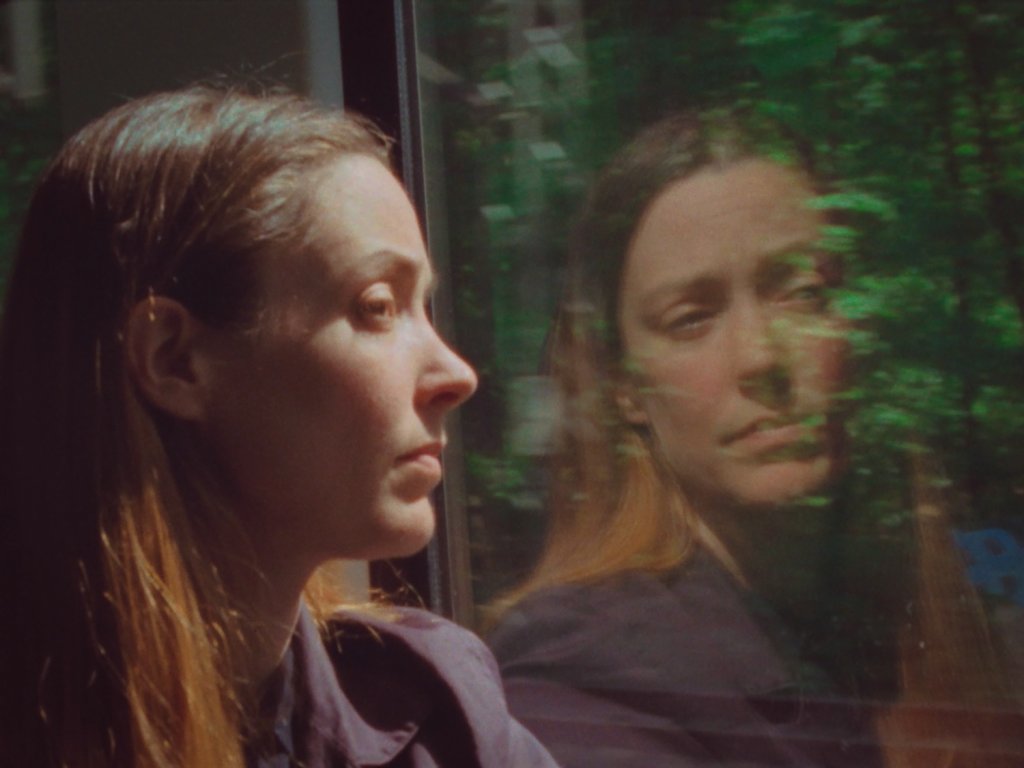
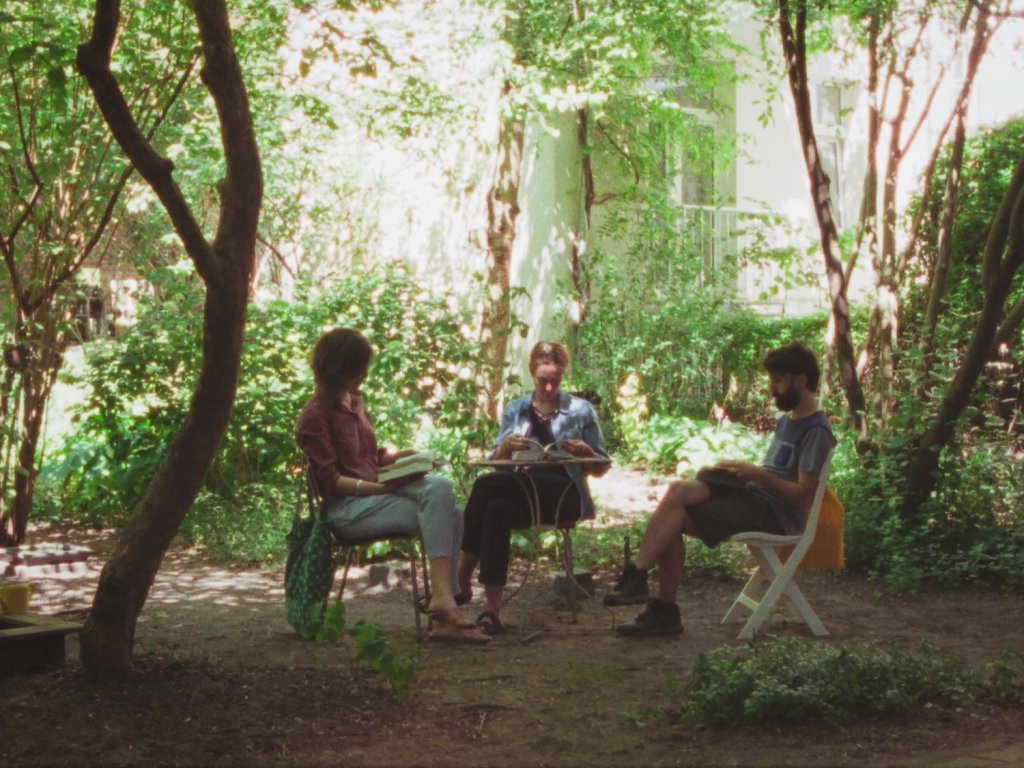
DE 2026, D: Ted Fendt, A: Leonie Rodrian, Florian Model, Alejo Franzetti , 63‘, OV with English subtitles, DCP/35mm?
Leonie wanders through familiar streets, parks and backyards around Berlin’s Chamissoplatz whilst immersing herself in the multi-layered work of the Italian author Anna Maria Ortese. Together with friends, she engages in conversations in which the original text and its translation, linguistic nuances and literary references are discussed with great precision. From this, Ted Fendt crafts a cinematic experience that trusts in inconspicuous moments. Literature is not an alternative to life, but a tool for perceiving the present more precisely. The result is a quiet, exceptionally focused work that sharpens our eye for the hidden layers of everyday life and shows how language can deepen our perception of the world.
| Sat 19 September 2026 | Luru Kino |
| 6 PM | In presence of Ted Fendt € 7,50 (6,50 reduced) |