Okay, let’s complete the programme of our MIKA TAANILA hommage with the last two items.
On the last day of our festival we will have the German premiere of
“Return of the Atom“—one Taanila’s most recent films. In this documentary, Taanila covers the on-going construction of the nuclear power plant Olkiluoto in Southern Finland and the proccesses of change that it brings with it, on a larger ecological as well as on the level of the individuals in the region—geo-political processes like these will be of great interest in the rest of GEGENkino’s 2017 programme as well, as you will soon see. You can watch a teaser to “Return of the Atom“ over at The Wire magazine‘s vimeo channel.
Before “Return of the Atom“, which will conclude GEGENkino 2017, we will have another short film programme. The “The Future Is Not What It Used To Be“ entitled programme is partly also Taanila’s tribute to Finnish electroacoustics weirdo Erkki Kurenniemi and will give you a chance to see some more of Taanila’s unique linking of technology, science and art. Fortunately, we will have the opportunity to see some of Taanila’s films from analog film rolls (16mm & 35mm), thanks to UT Connewitz being well equipped for this.
Get more information about the films below.
…and don’t forget about the other two days of our MIKA TAANILA hommage:
14 April 2017, Luru-Kino in der Spinnerei: “Futuro“ short film reel & Mannerlatta (Tectonic Plate) + The Sad Song of Hard-Edged Transition Wipe Markers
15 April 2017, UT Connewitz: CIRCLE + Mika Taanila — SSEENNSSEESS
Short film reel II: The Future Is Not What It Used to Be
The Zone of Total Eclipse (FIN 2006, 6’, no dialogue, 2 x 16 mm), A Physical Ring (FIN 2002, 4’, no dialogue, 35mm), Future Is
Not What It Used To Be (FIN 2002, 52’, OV/English subtitles, 35mm), Spindrift (FIN 1966/2013, 14’, OV/English subtitles, 35mm)
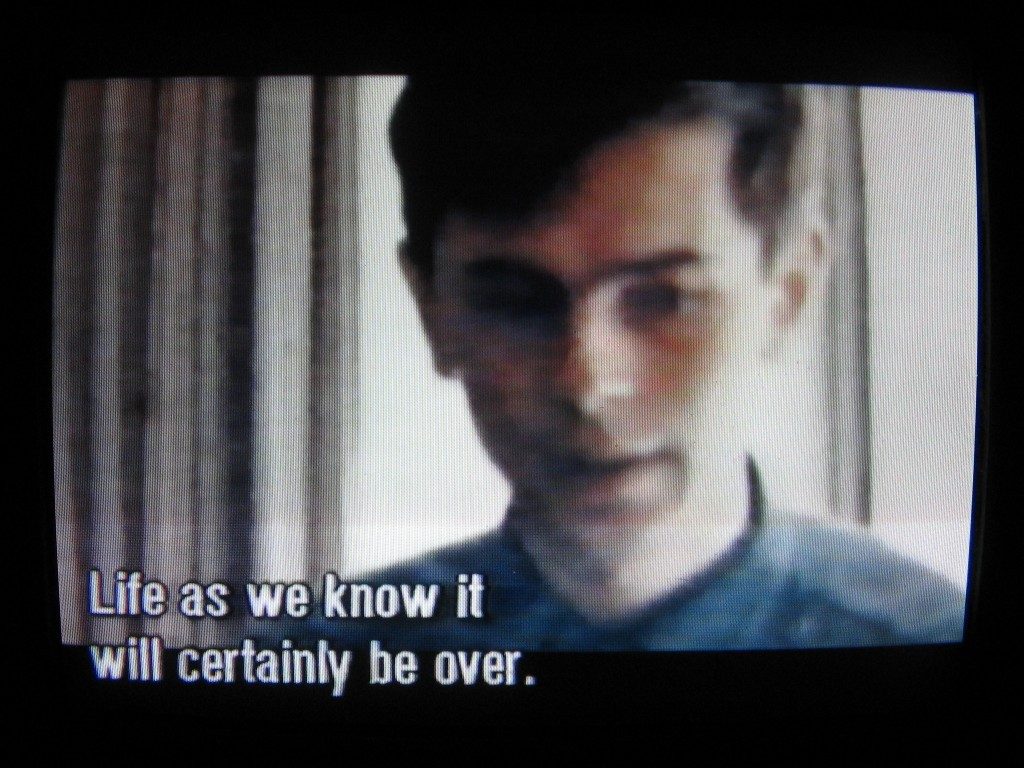
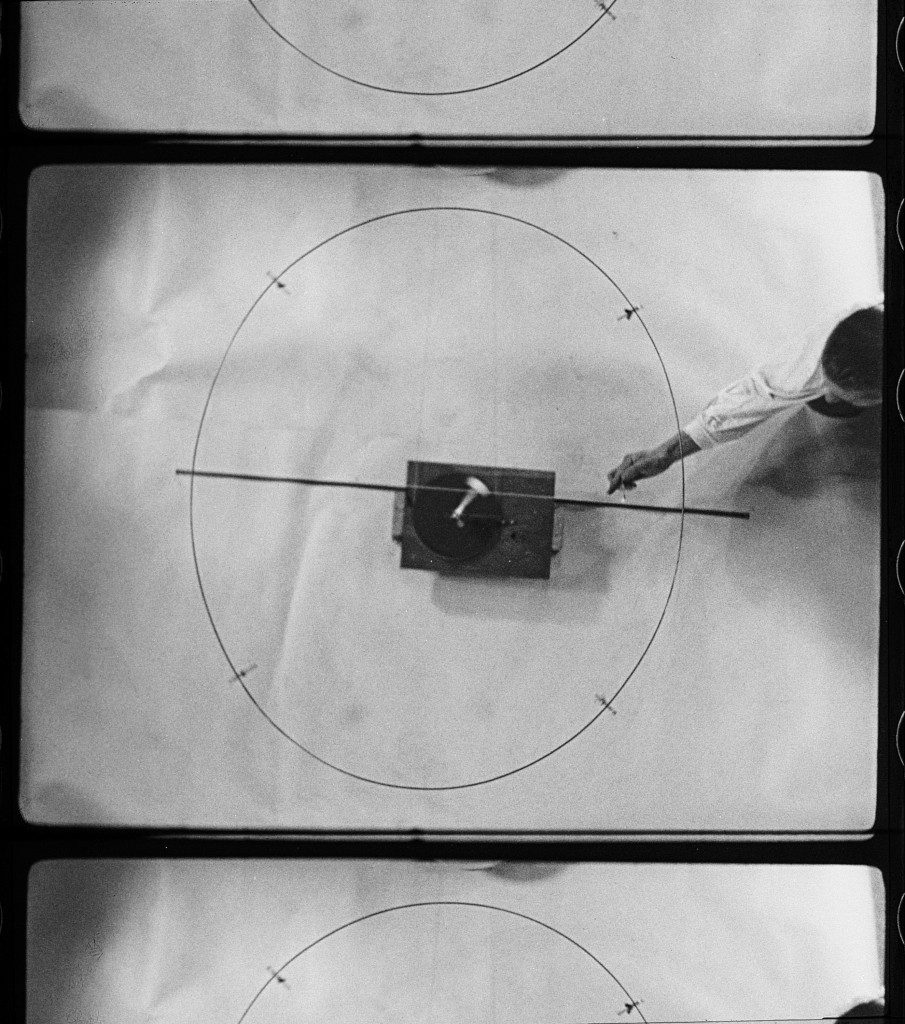
The Future Is Not What It Used to Be (Tulevaisuus ei ole entisensä) is not only the most beautiful film title of this year’s festival, but first of all a portrait of the 1941 born, obsessive electronical music pioneer, futurologist, programmer and all-round genius Erkki Kurenniemi. Being a gifted tinkerer, he dropped out of university in the 1960s to build electronic musical devices like the “sexophone”(!), with which several people could create tones by touching each other. At the same time, Kurenniemi believed that a virtual kind of humanity would abscond to the universe while the earth would continue to exist only as a museum planet. Nevertheless, he obsessively records his life on camera and in speech, because future generations’ pastime will be nothing but reconstructing the past—our present. In regard of this look back into the past, one can easily recognize a prophetic anticipation of our information age in Taanila’s work. Spindrift is Taanila’s attempt to reconstruct Kurenniemi’s only complete film—Finland’s first computer animation. Kurenniemi was not able to help him due to his huge gaps in memory induced by excessive consumption of LSD. The Zone of Total Eclipse is a 16mm double projection based on material of an unsuccessful attempt to measure the exact distance between two continents by filming a solar eclipse.
16. April, 8pm – UT Connewitz
€ 6,5 (5,5 red.) / € 9 (8 red.) for a double ticket incl. Return of the Atom
German Premiere
Return of The Atom
FIN, D 2015, 105’, Doc, D: Mika Taanial & Jussi Eerola, OV/English subtitles, BluRay
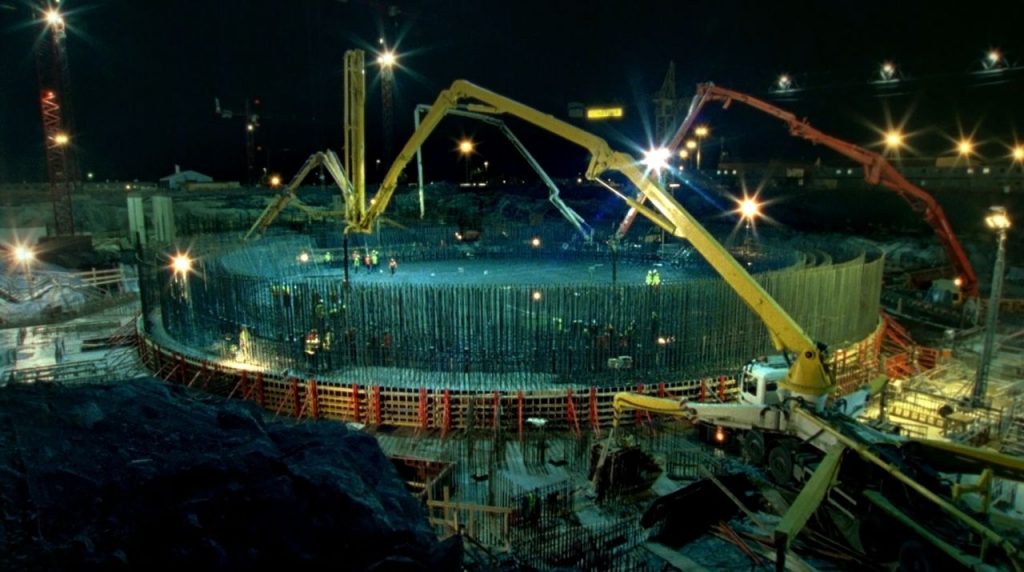

Being a documentary long-term-study, Return of the Atom observes the peculiar and strain-afflicted nuclear comeback in the Finnish countryside, without any anti-nuclear movement to speak of, over a course of 11 years. In 2004, superlatives find their way into the scene there: the construction of the world’s most efficient atomic plant on Europe’s biggest construction site along with the first Western European new building project after the MCA of Chernobyl throws the small local community into turmoil. Eurajoki—”the city with electrical vitality”—promises the welcome sign at the roadside in addition. The reactor was meant to provide power already in 2009, but since then the completion and start-up of Olkiluoto 3 (OL3) was delayed several times and held out in prospect for 2018. When not talking to reckless public relation spokespersons and construction area pastorates who compare the workers to Jesus’ parents, Taanila and Jussi Eerola meet the few people who utter their doubts and raise their voices. Despite numerous cases of leukemia, the precarious seismology of the area and in defiance of the triplication of costs since construction started—meanwhile somewhere else, the catastrophe of Fukushima took place as well—the Finnish government voted for the edification of yet another reactor.
16 April, 10pm – Luru Kino in der Spinnerei
€ 6,5 (5,5 red.) / € 9 (8 red.) for a double ticket incl. Short film reel II: The Future Is Not What It Used to Be

In order for you to have enough time to get yourself in mental shape for our tribute to MIKA TAANILA at GEGENkino2017, here’s already another notification:
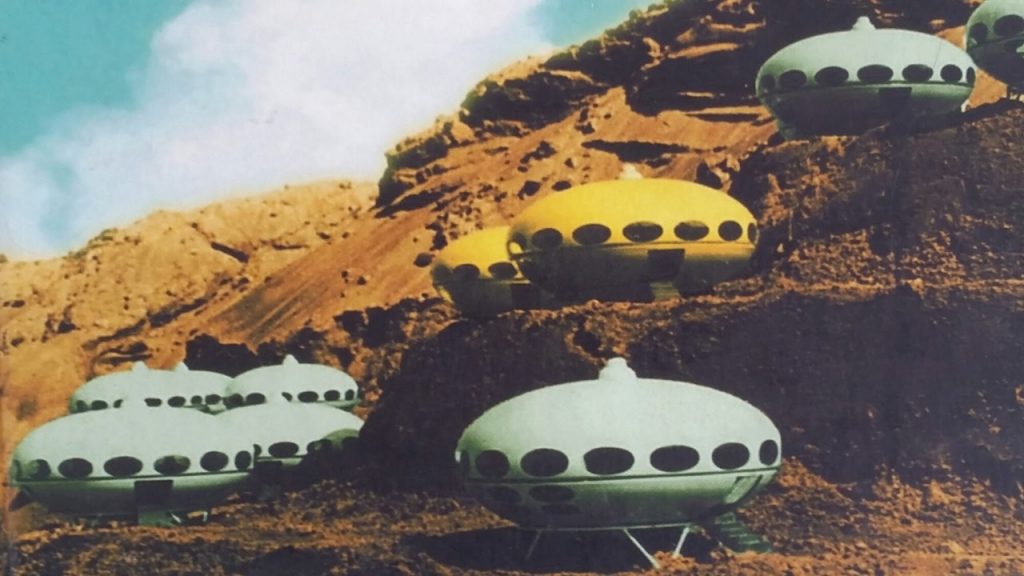
On Friday, April 14, we will show a selection of Taanila’s (retro) futurist short films, that revolve around the theme of technology—be it scientific technology or technologies of the self, like sports—and where we will even embark on 3D cinema, for the first time at Luru-Kino in der Spinnerei.
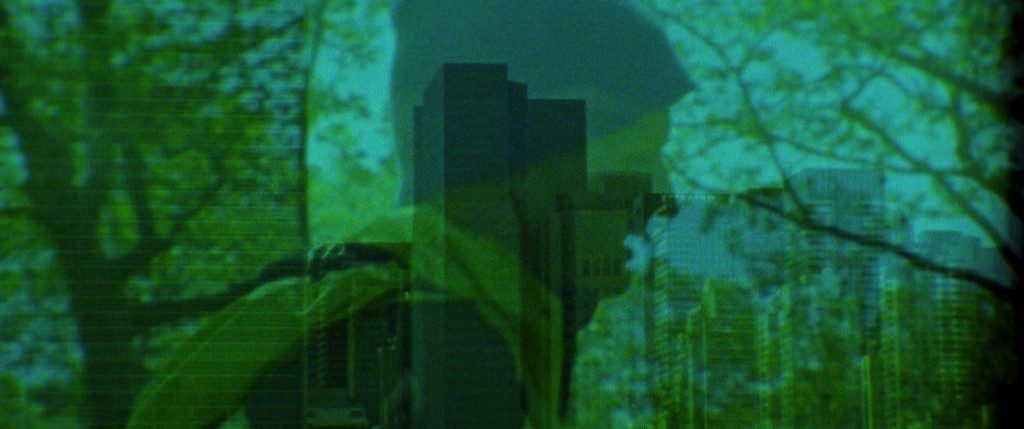
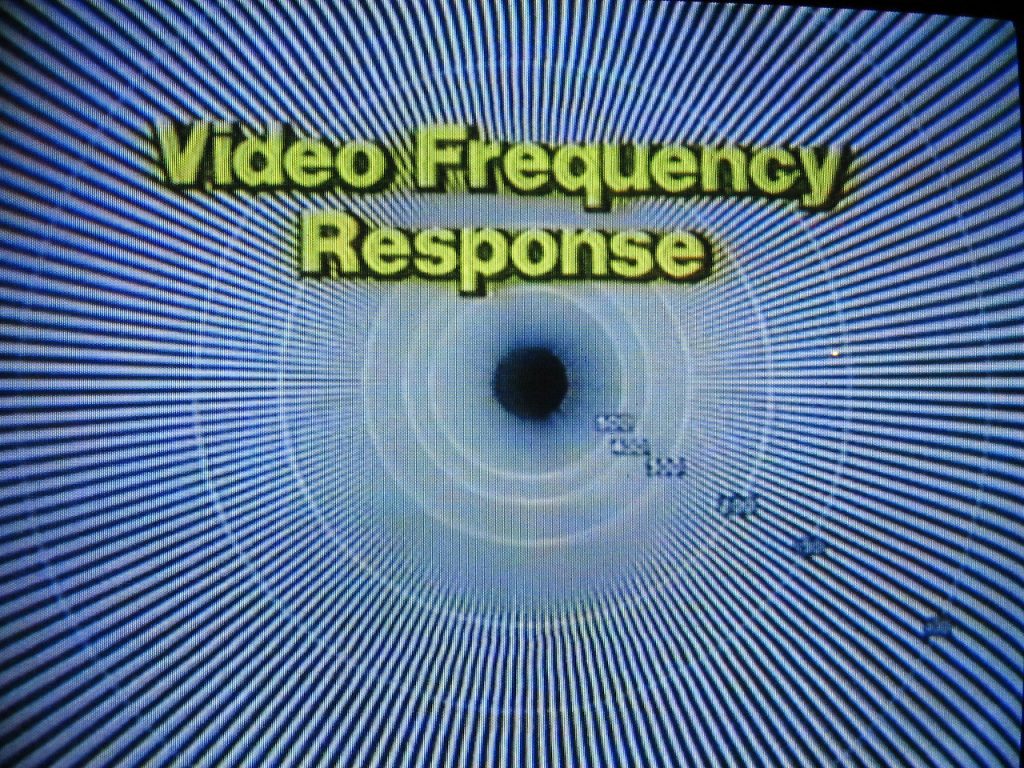
After that, we will show Taanila’s two techno-symphonies The Sad Song of Hard-Edged Transition Wipe Markers & Mannerlatta (Tectonic Plate), the last of which was made using almost entirely xerox copying images.
Read more about all the films below.
…and don’t forget about the rest of our MIKA TAANILA hommage: CIRCLE + Mika Taanila — SSEENNSSEESS (15 April 2017, UT Connewitz) & the third part, which will be revelaed soon.
Short film reel I
Futuro
Futuro – A New Stance for Tomorrow (FIN 1998, 28’, OV/English subtitles, 35mm)
RoboCup99 (FIN 2000, 25’, OV/English subtitles , 35mm)
Six Day Run (FIN 2013, 15’, OV/English subtitles, DCP)
Optical Sound (FIN 2005, 6’, no dialogue, 35mm)
Delay of Game (FIN 2017, 6’, no dialogue, 3D, file)
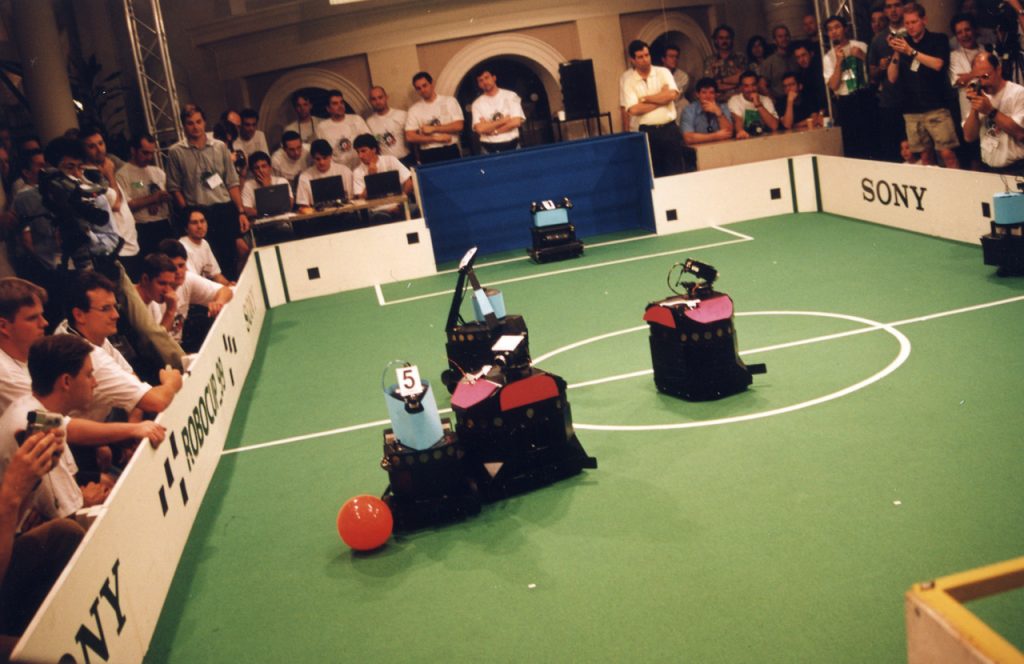
The ambitious utopia of a manmade, autonomous machine found a mad realisation in a football robot in 1999, whose very particular sporty genius Taanila dedicated awell-deserved memorial to with RoboCup99. Six Day Run came about during the ”Self-Transcendence Six Day Race” – the hardest competition of its kind. Film and protagonist – the extreme-run superstar Ashprihanal Pekka Aalto – transcend each other equally, shed their disdainful physicality and lose themselves in the pure spirit of movement. As a 3D animation, Delay Of Game captures a nocturnal match of ice hockey: ”On Thursday, January 14th, 1954 the weather in Helsinki was mild, only minus two degrees celcius.”
14. April, 8pm – Luru Kino at the Spinnerei
€ 6,5 (5,5 red.) / € 9 (8 red.) for a double ticket incl. MANNERLAATTA
Director Mika Taanila will be present.

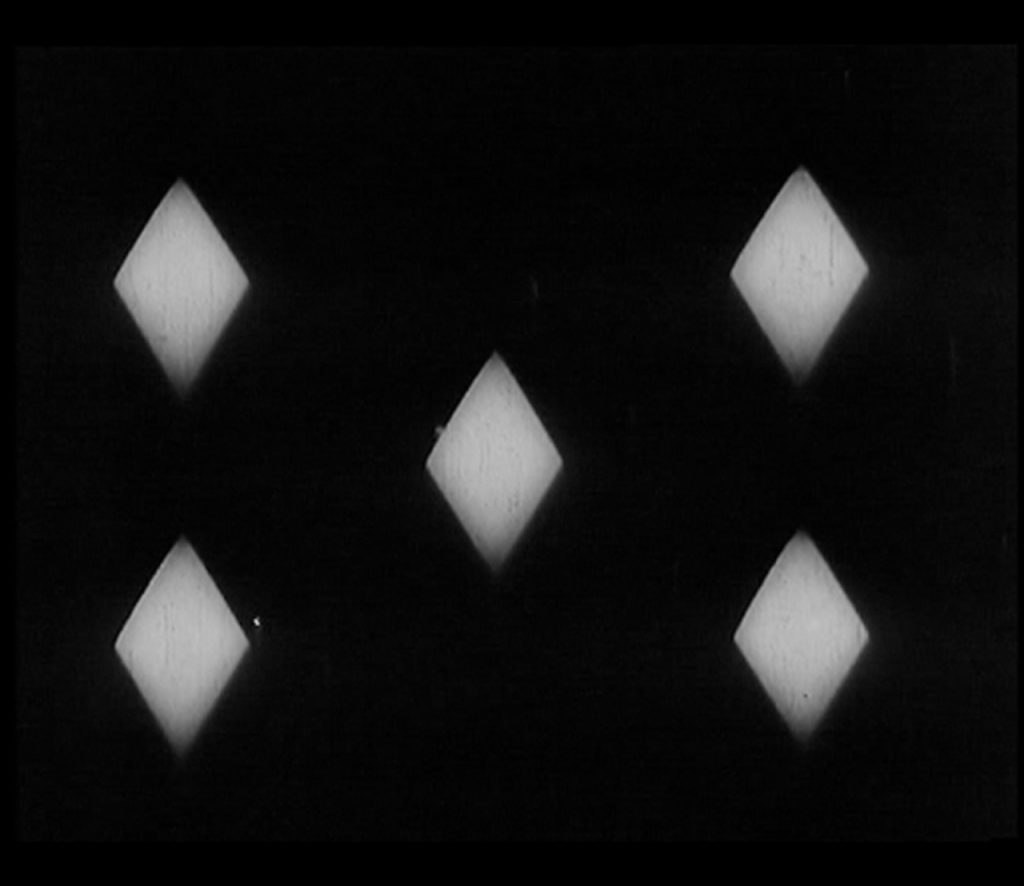
Mannerlatta (Tectonic Plate)
FIN 2016, 74’, OV/English subtitles, DCP
The Sad Song of Hard-Edged Transition Wipe Markers
FIN 2017, 4’, no dialogue, file
On his way back from a business trip to Tokyo, a nameless protagonist unexplainably gets stuck in a hotel near Helsinki airport. Not only is he not getting anywhere physically, he is also stuck in an endless loop of multi-tasking action, his attention cut up, his actions constantly oriented towards various directions at the same time. Telephones, computers and heart rate monitors claim his attendance, his awareness is being changed, his sense of time dissolves. Mannerlaatta is a lettrist film about aviophobia, security checks and time zones, which is produced entirely without camera. Its pictures originate from using photogram-technique and xeroxing: objects were directly exposed to 35mm reversal film and air safety brochures were printed onto clear film with a photo copier. The result has a downright disembodied cinematic quality, aesthetically reflecting a protagonist’s obsessive stream of thoughts and pictures all trapped inside an inner monologue revolving around itself. The soundtrack is provided by Mika Vainio, who is intern known as the pioneer of electronic music. The Sad Song of Hard-Edged Transition Wipe Markers stands in the tradition of early abstract rhythm experiments of Hans Richter. However, Taanila assembles his visual symphony out of switching signals that once marked the sequence change in TV in the upper right corner of the image.
14 April, 10pm – Luru Kino at the Spinnerei
€ 6,5 (5,5 red.) / € 9 (8 red.) for a double ticket incl. Short film reel I: Futuro
Alright, as promised, we will now start with the unveiling of this year’s GEGENkino programme… and we kick off with something big!
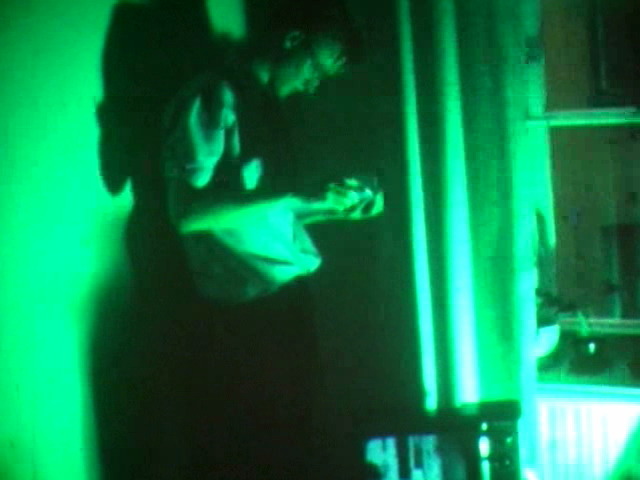
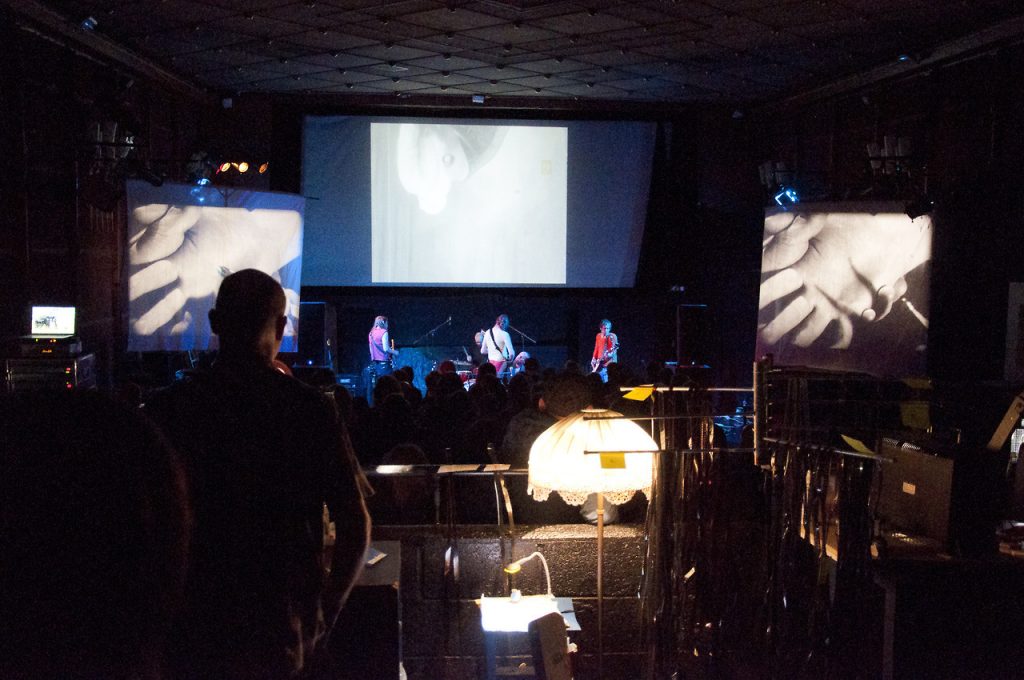
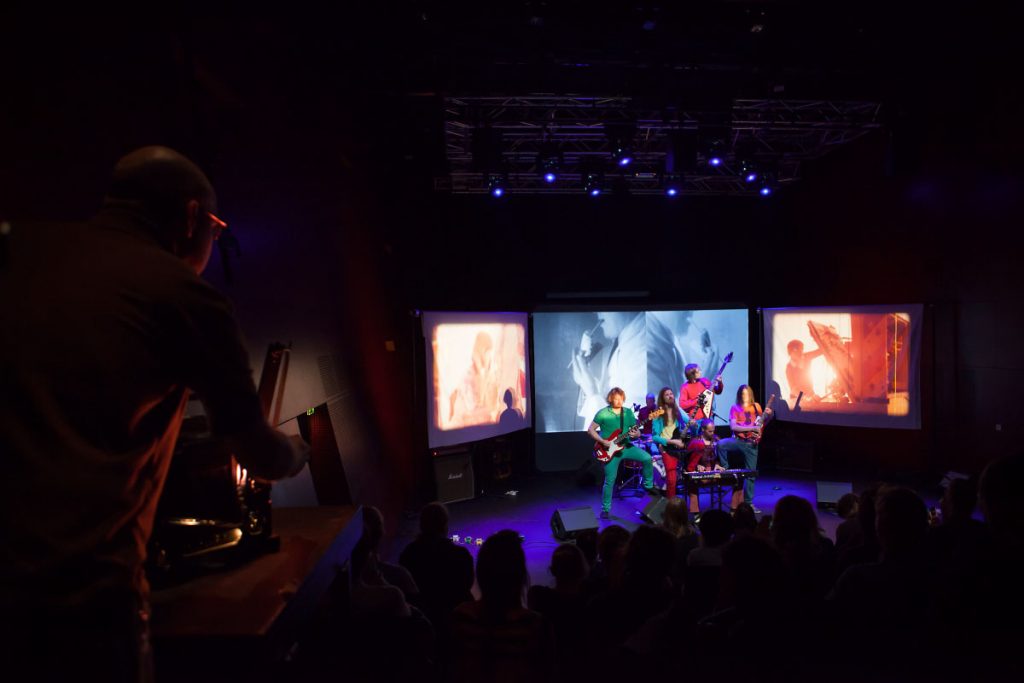
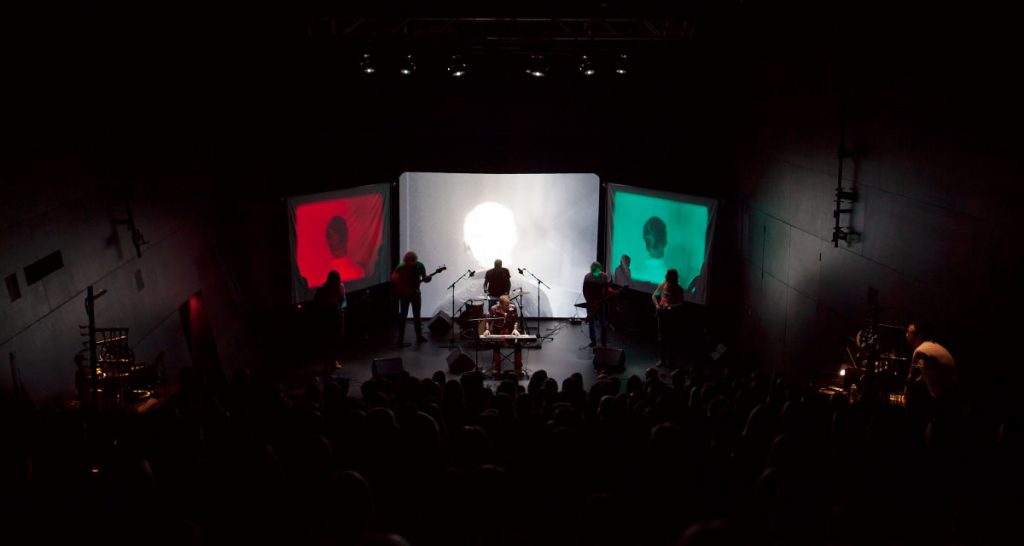
One part of our 2017 programme will be an extensive hommage to the still too under-appreciated Finnish artist and filmmaker MIKA TAANILA. For the occasion of this hommage, which will feature a wide and varied selection of his works, Mika Taanila will personally come to our festival and will bring with him the Finnish psych rock outfit CIRCLE for their first show in Germany in over six years and for the German premiere of their collaborative SSEENNSSEESS performance, which will combine a live show by the PHARAOH OVERLORD offspring and a triple 16mm projection by Taanila. Instead of an opening band, we will show the film HERMAFRODIITIT feat. music and footage of Taanila’s former post-punk band SWISSAIR. Read about the interesting history of this film and Taanila early post-punk endeavours over at N&B RESEARCH DIGEST, and find out more about the event below or at the FB event page.
15 April 2017, 9pm – UT Connewitz
Tribute to Mika Taanila
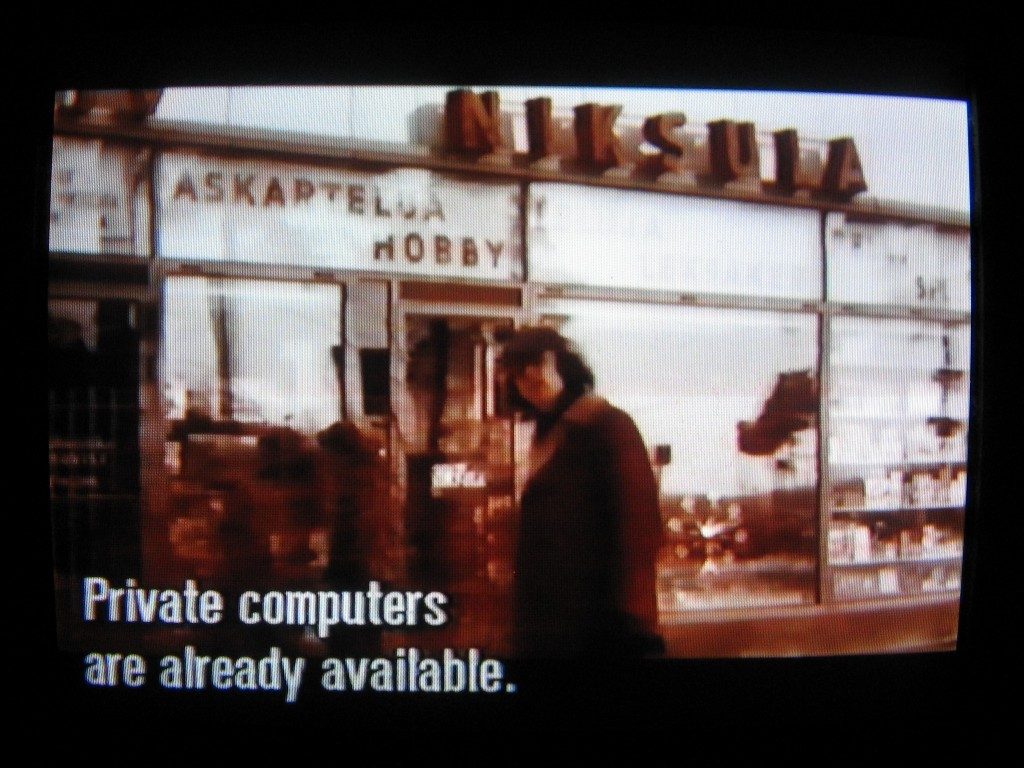
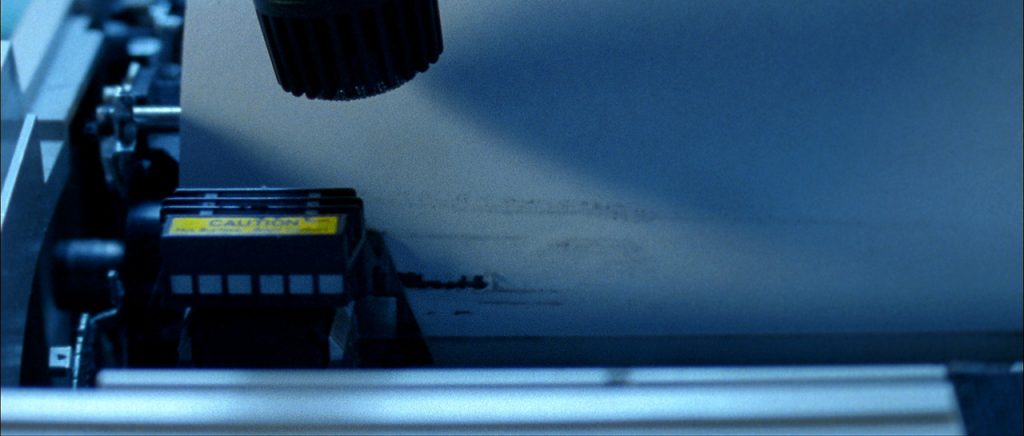
With brisk nonchalance, 1965 born Finn Mika Taanila moves between classical documentary film, experimental video art, avant-garde, performative installations and musical projects. Using diverse aesthetic strategies of access in his works, he deals with promises of a future to come (honored or not), technological evolution as well as human engineering. At that, they are also always about the accompanying noises that are triggering and flanking these phenomena. In the short piece Optical Sound for example, a perfectly cross-grained soundtrack for the state of yearning for a weightless world of data is created by layering mechanical sounds of a discarded twenty-four-wire-printer, turning it into a magnificent techno symphony. In our three-day tribute, we want to trace Taanila’s working methods as well as the utopian revisions that his films tell, be it in form of a biographical portrait of nuclear physicist-electronic instrument maker composer-filmmaker-programmer-artist Erkki Kurenniemi, be it as a relaxed comment on the stumbling man-machine-encounter at the RoboCup tournament or as an optimistic survey of the elliptical “futuro house” and its equally volatile history—a prototype of a modern, mass-produced tenement made of plastic. The uniting topic of these, admittedly, very different works is the topic of disappearing, discarding, forgetting, of making people forget something. Representative for this is A Physical Ring, whose found footage material originates from a laboratory experiment of which no one remembers what insights it was once hoped to reveal.
About
Mika Taanila (*1965) studied Anthropology at University of Helsinki and holds a diploma in Design from Lathi University of Applied Sciences. Taanila’s films and installations were shown at Toronto International Film Festival (TIFF), International Film Festival Rotterdam (IFFR), International Short Film Festival Oberhausen and at international biennials. He was honoured with the Finnish Ars Fennica Award in 2015.
About the event
German Premiere | Circle & Mika Taanila – SSEENNSSEESS
FIN 2013, 50’, no dialogue, live music by Circle, 2 x 16mm, 1 x file
Supporting films | Swissair: Hermafrodiitit
FIN 1986, 22’, OV/English subtitles, 2 x file), Verbranntes Land (FIN 2002, 7’, no dialogue, file
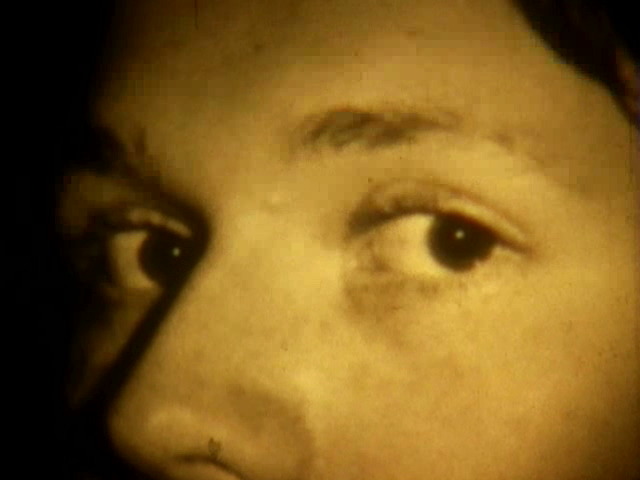
With Circle and Mika Taanila, rock music and film come together to a sensually and visually unique live experience. Located between rock opera and a theatrical audio-visual performance, the spectacular show combines blaring glam rock, improvised krautrock and chanson-metal with perfectly clocked 16mm film projections. Beside their musical range, Circle are particularly famous for their zappa-esque live performances: leather uniforms stand alongside spandex knickers, meticulously timed stage choreographies present pop iconography, celebrity attitude and rocker postures as decalcomania pictures and templates. In SSEENNSSEESS, Mika Taanila projects on a triptych of three screens with the help of four 16mm projectors and one video beam. The pictures of the loops derive from science films of the 1950s, which were made in the phonetics department of the University of Helsinki and which were digitally processed and alienated by Taanila. Verbranntes Land is a melancholic ode to bygone technology and its vanishing, generally, and to that of one image in particular: in a split screen composition, a VHS image is on view, vanishing gradually, with every run-through, in the process of cleaning. Swissair gathers super-8 material which Taanila shot for a music project of the same name with his co-pilot Jari Härkönen.
15 April, 21 Uhr – UT Connewitz – € 12 pre-sale / 15 at the door

When Things Occur
PS 2016, R: Oraib Toukan, feat. Lara Abu Ramadan, Hosam Salem, Khalil Hamra, Walaa Al Ghussein, Ashraf Al Masri, 28’, OmeU
WHEN THINGS OCCUR is based on skype conversations with photographers living in Gaza, with their local assistants and drivers. The conversational partners are responsible for pictures which were shared from screen to screen and, as a result, found their way into the collective picture archive. Being a photo reportage without any moving pictures, the film looks behind the pictorial materialisation of grief and pain – considers their digital embodiment on the hotographer’s harddrives and their media circulation. It examines how the view is guided inside digital spaces and how empathy leaps over. Apart from news agencies’ demands for sensation causing pictures, the film gives rise to further ethical questions, for instance about the functioning of the documentary significants while observing sorrow. What exactly does it mean to look at sorrow “from a distance” – how many meters or kilometers of distance are necessary for this purpose? What about properties and the political economy of pictures of war? Who is “the native” in a representation of war? Also, what is the daily routine of those exposing war?
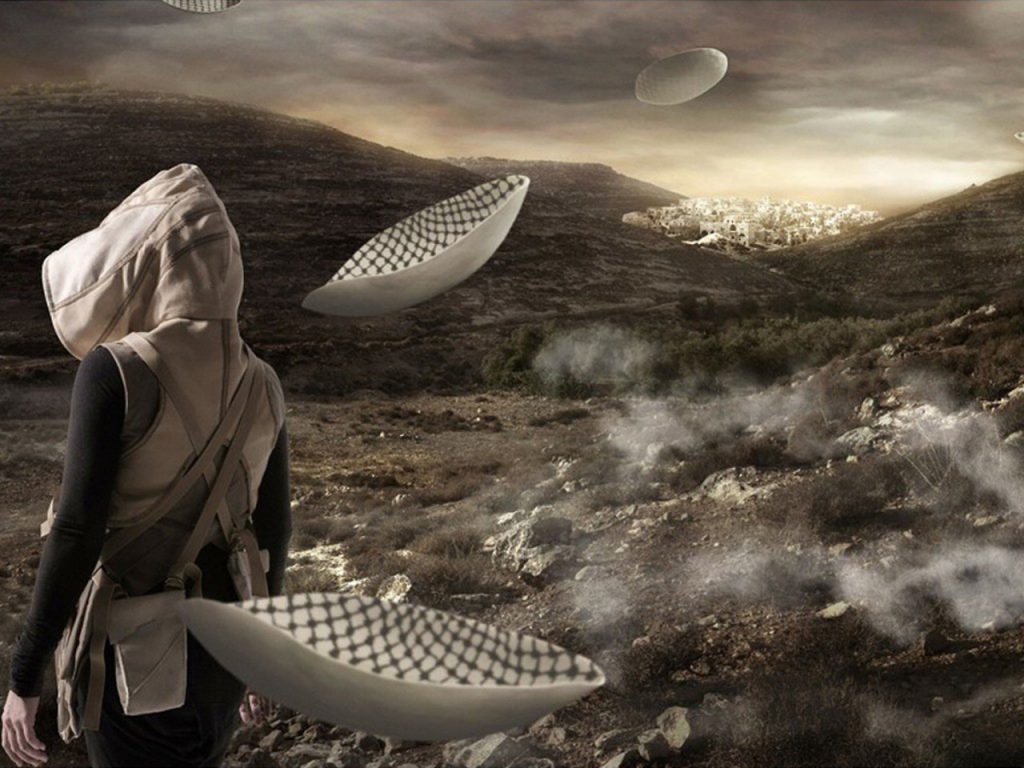
IN THE FUTURE THEY ATE FROM THE FINEST PORCELAIN
PS/DK/GB 2016, D: Larissa Sansour/Søren Lind,feat. Pooneh Hajimohammadi, Anna Aldridge, Leyla Ertosun, Larissa Sansour, 29’, OV/English subtitles
The film relates – as implied by the temporal twist in its title – the story of an intervention into the prospective perception of a territory’s political history. A self-proclaimed “narrative resistance group” buries finest porcelain which originates from an entirely contrived civilization. The group’s objective is to interfere with history and to assert claims on their vanishing territories in the time to come. When the porcelain is excavated again, it will prove the existence of a fictitious people. Creating an independent myth, the work of the group becomes a historical intervention which de facto creates a nation. In form of a fictional video essay, moving images are combined with computer-generated ones, archaeological and political aspects are entangled with science fiction contents. Staged as a voice-over conversation between a psychologist and the group’s leader and being about myths and fiction as constituent elements of facts, history and the documentary, the dialogue reveals the philosophy behind the actions of the group.