
Selma Doborac – IT WAS A DAY JUST LIKE ANY OTHER IN SPRING OR SUMMER.
AT/BA 2012, 17’, no dialogue, English language version
“In IT WAS A DAY JUST LIKE ANY OTHER IN SPRING OR SUMMER., the first-person narrator explores over the course of three brief episodes the experiences of four people, all of them related to one another; the events occurred during a bomb attack in war-time Bosnia in 1992. The story is told partly through descriptions of a remembered past inscribed into the filmic image in the form of a sequential textual trace, partly through a landscape that is featured in the memories as well as seen in the present, mediated by a mise-en-scène that attempts to find a visual structure, by means of continuous tracking shots, corresponding to the narrated past on location per se. From the constant back-and-forth between what is seen and what is read an experimental set-up of representation emerges, resulting, inevitably, in an unresolved overall picture, as the textual level not only occasionally constrains the visual level but sometimes, of its own accord, even obliterates it. While the titles in which layers of memory are couched (de)construct the notion of non-communicability, the landscape images encased in rides both en-title and give away the impossibility of making a likeness of (war-like) actions.” (Selma Doborac; Translation: Thomas Brooks)
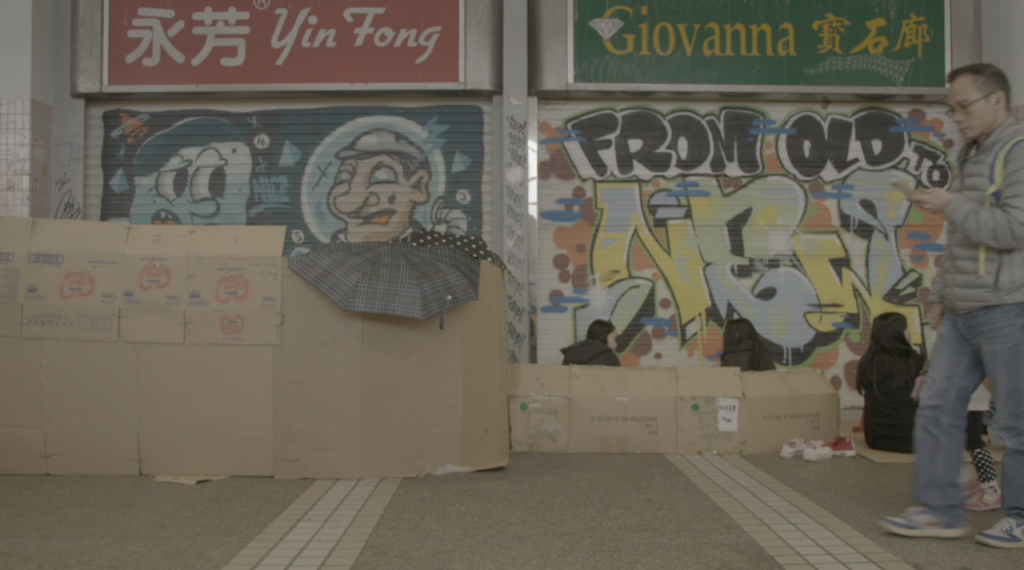

Stephanie Comilang – LUMAPIT SA AKIN, PARAISO (COME TO ME PARADISE)
CA/HK 2016, feat. music by Why Be & Sky H1, 26’, OV/English subtitles
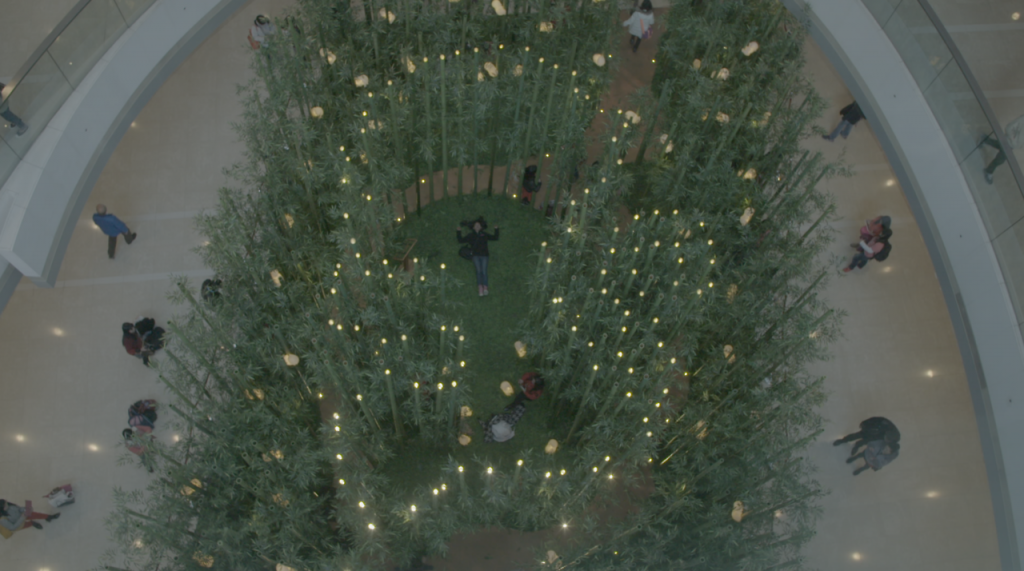
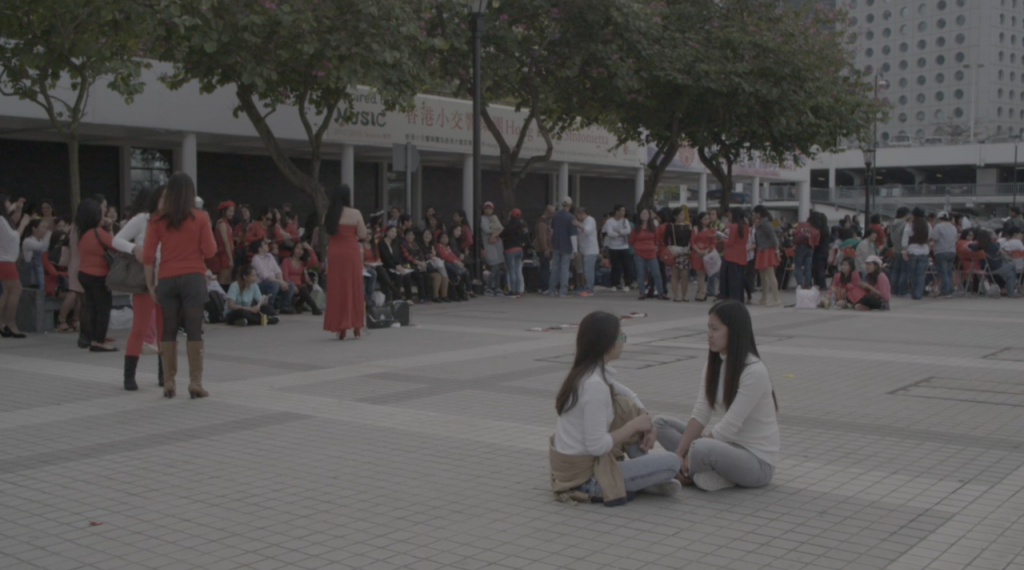
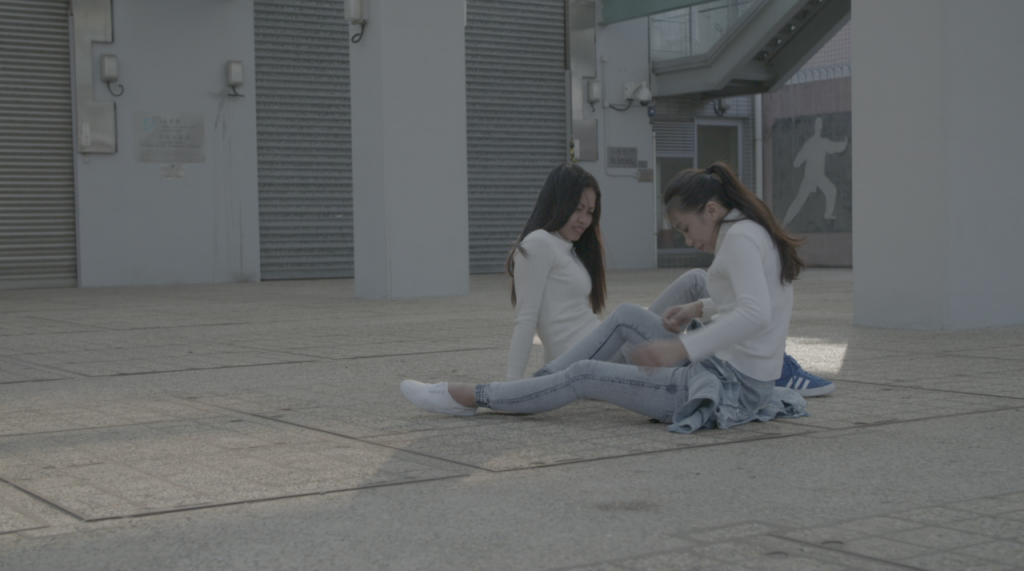
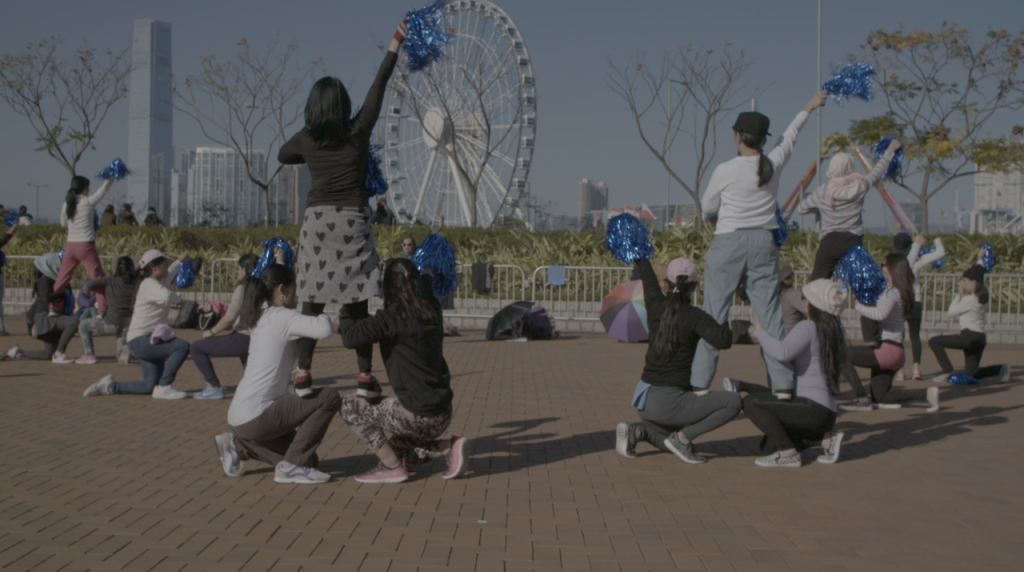
In LUMAPIT SA AKIN, PARAISO (COME TO ME PARADISE), Stephanie Comilang uses the backdrop of Hong Kong and the various ways in which Filipina migrant workers occupy its downtown Central district on Sundays. The film is narrated from the perspective of Paraiso, a ghost played by a drone who speaks of the isolation from being uprooted and thrown into a new place. Paraiso’s reprieve comes when she is finally able to interact with the women and feel her purpose, which is to transmit their vlogs, photos, and messages back home. The film is a documentary with a terrific score interacting with the science fiction elements in it. “Sci-fi [as a genre] always has the same sort of idea—that’s also why I wanted to make the film. It’s people who are within the society looking at these outsiders, minority groups, and excluding them because of some sort of thing. They’re scared of them. The minorities usually have some sort of power that the others don’t have, and they’re pushed to the side or the outside. That theme translates really well to the migrant, immigrant experience.” (Stephanie Comilang)




Lawrence Lek – EUROPA, MON AMOUR (2016 BREXIT EDITION)
UK 2016, 14’, English OV
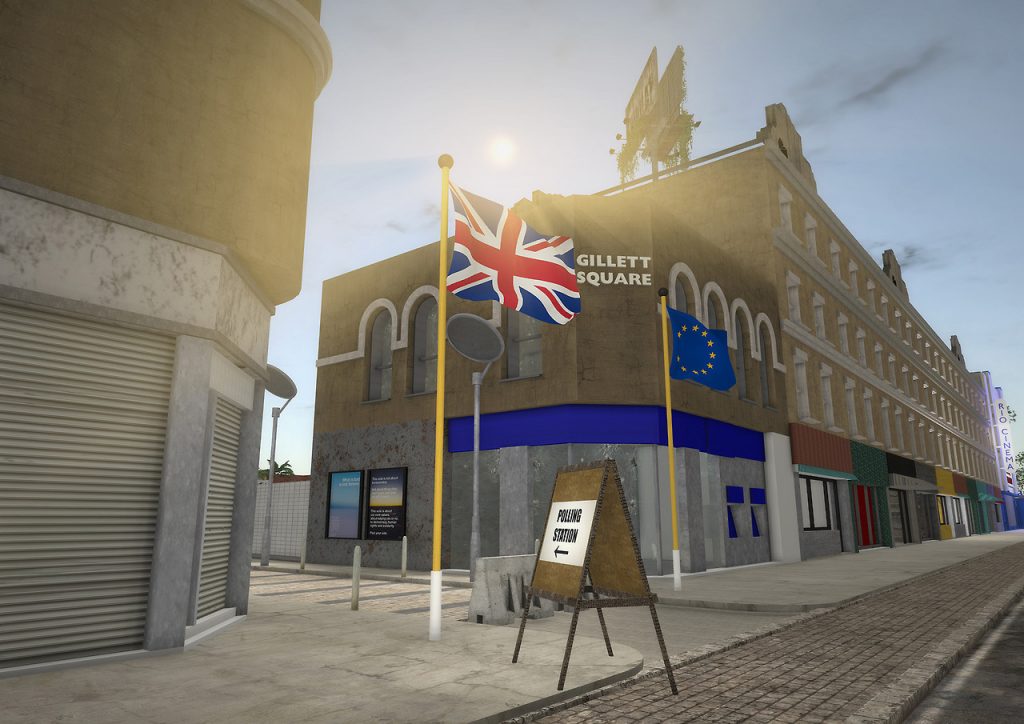
With the UK cast out of the EU, Dalston has degenerated into a post-apocalyptic utopia. Come and explore this drowned world of the near future: filled with forgotten nightclubs, neon-lit music venues, voting booths, Turkish snooker clubs and luxury penthouses. This site-specific simulation brings together multiple histories of the area into a single zone. As players roam around, a voiceover extracted from Alain Resnais’ HIROSHIMA, MON AMOUR speaks to them about the nature of memory. It is a gradual, but relentless sense of forgetting that comes with any form of urban transformation.
“Brexit would be a step back to the 19th century, to a world where the UK saw itself as the global superpower. Except now it would be a delusion. EUROPA, MON AMOUR is a virtual fantasy world based on this very real, but troubling, scenario. Dalston, acting as a proxy for the whole of the country, is buried under mountains of sand, luxury apartments lie in ruins, and only cultural landmarks like the Rio cinema and Efes snooker club are reminders of the vibrant life of the pre-Brexit UK.” (Lawrence Lek)





Mario Pfeifer – #BLACKTIVIST
USA 2015, feat. Flatbush ZOMBiES, 2-channel, 5’, English OV
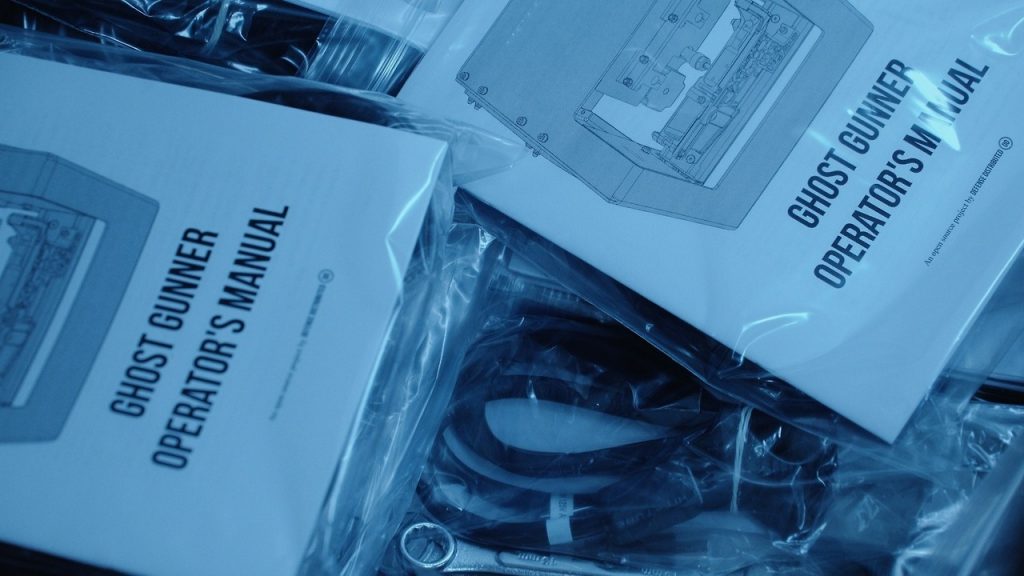
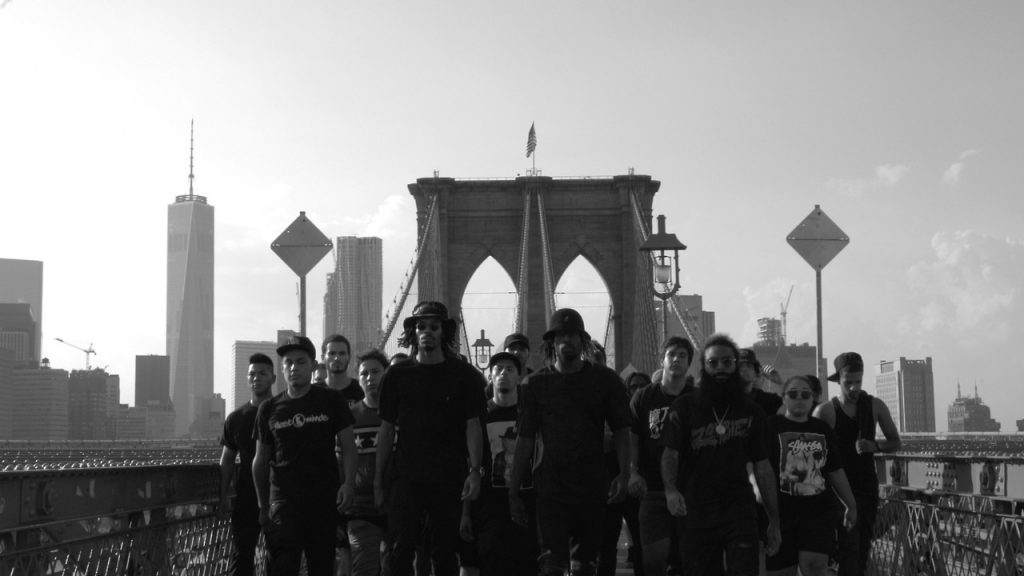
For the 2-channel work #BLACKTIVIST, Mario Pfeifer encouraged the rap collective Flatbush ZOMBiES to write a song about the current situation of Afro-American communities in the US and articulate their view on racism, police violence and the virtually unrestricted access to arms. They shot a music clip together, which on the one hand consists of found footage material – for example dashcam and bodycam pictures of encounters with the police saturated with violence –, on the other hand of staged elements. The clip is flanked by pictures of the first 3D printing arms factory, which is run in Texas as a nonprofit organization and makes the blueprints of fabricates public and freely accessible to anyone. Concerning the open access publication and with the associated subversion of registered gun possession, the arms workshop Defense Distributedrefers to the law of free expression being enshrined in the constitution and the second amendment which guarantees the right of possessing firearms. Moreover, interview extracts made by Pfeifer and the rappers Erick Arc Elliott, Meechy Darko and Zombie Juice, talking about pacifism and the idea of working collectively, correct and broaden the work.
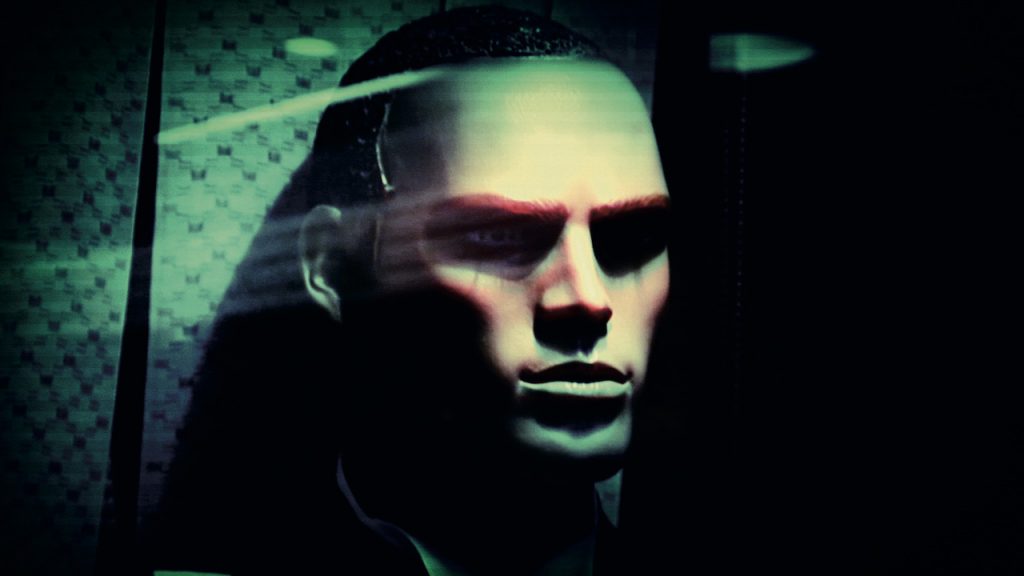
Harald Hund – EMPIRE OF EVIL
AT 2016, feat. Stephen Mathewson, 11’, English OV
Based on media representations of Iran, Harald Hund poses the controversial question of trust in image documents which suggest authenticity and thus present a prospect of truth. At that, the title – referring to Ronald Reagan’s and George Bush’s dichotomous terms of ‘Evil Empire’ and ‘Axis of Evil’ – already associates that, initially, Iran appears as a cultural area the political conflict situation of which serves as a projection surface for foreign, ‘western’ attributions.
“As early as in the initial sequences, the web of documentary evidence and fiction, of pictorial testimony and oral report is construed – a web along which EMPIRE OF EVIL turns out to be a critical narrative: images of the airplane’s interior, the view from above on a rugged, cloud-covered landscape, the information screen. As well, it is talked about ‘secret recordings’ and ‘atomic weapons program’, and without naming names it is obvious which country it is about, which one it has to be about. Hund consistently interlocks documentary codes and investigative signatures with elements on the level of the spoken word, of a voice over (with US accent) that increases into the absurd more and more, and with elements that give rise to doubts about the images and their information content evermore.” (Irene Müller)