



DE 2026, D: Marie Wilke, 91‘, OV with English subtitles, DCP
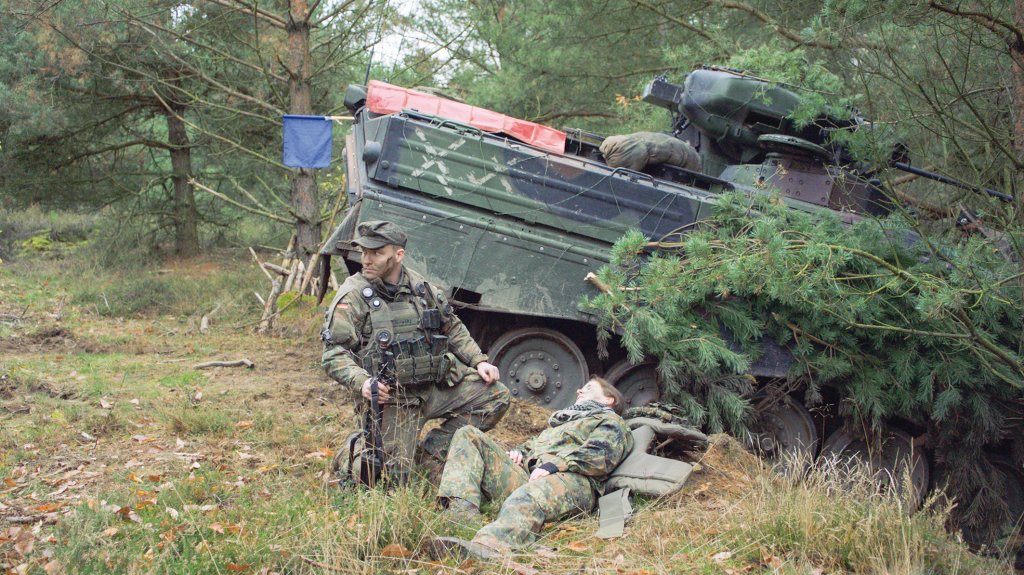
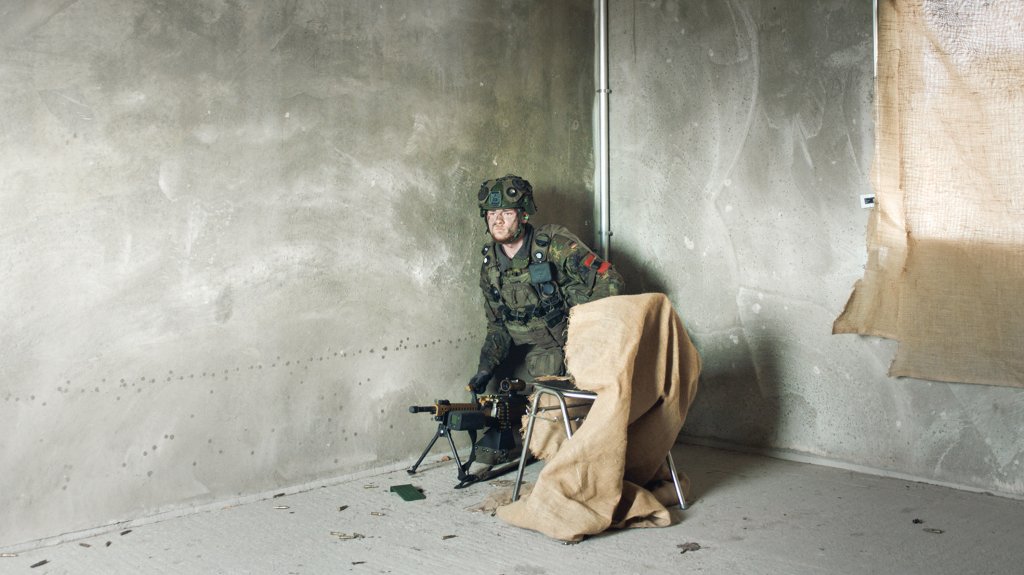
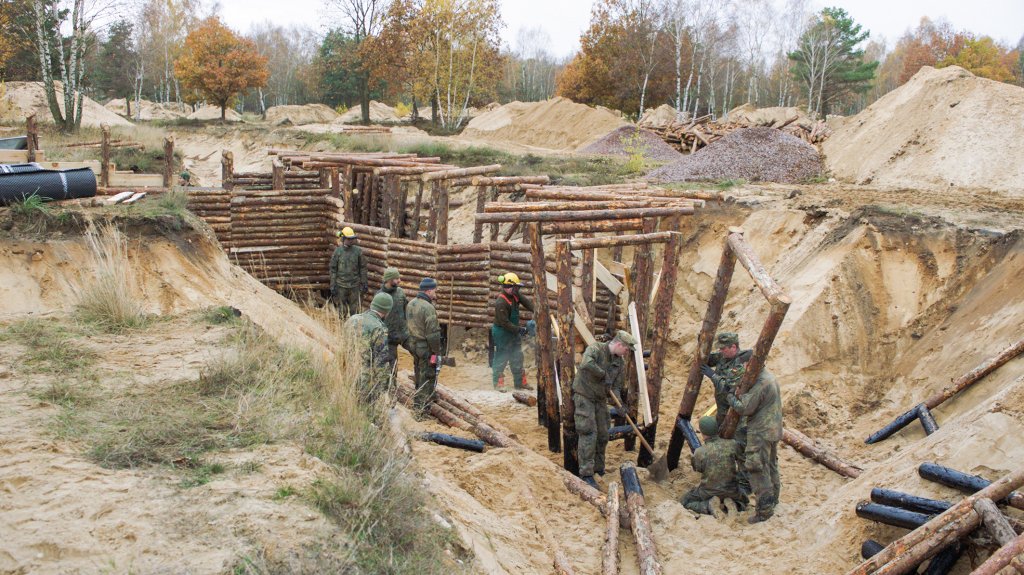
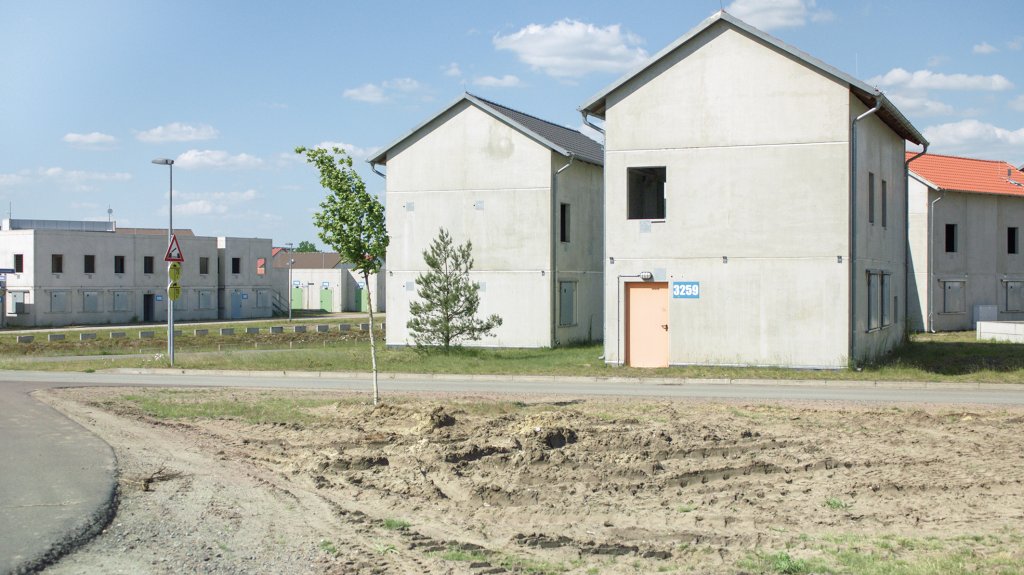
Europe’s largest military training town, Schnöggersburg in Saxony-Anhalt, exists solely for military exercises. Against this backdrop of concrete buildings, roads and sterile squares, Marie Wilke’s documentary SZENARIO observes the everyday life of the Bundeswehr as they practise urban warfare.
The static, matter-of-fact images document a simulated reality: recruits move through a ghost town with practised gestures, whilst visitors from outside are given a glimpse inside. Navigating between military daily life and ritualised procedures, the film examines the language and gestures of a creeping normalisation of the military. The result is a precise portrait of an institution in transition – and, in doing so, reflects the unsettled present of a society.
In the presence of Marie Wilke
16 September, 6:30 pm
| Wed 16 September 2026 | UT Connewitz |
| 6:30 PM | In presence of Marie Wilke VVK: € 7,50 (6,50 reduced) |
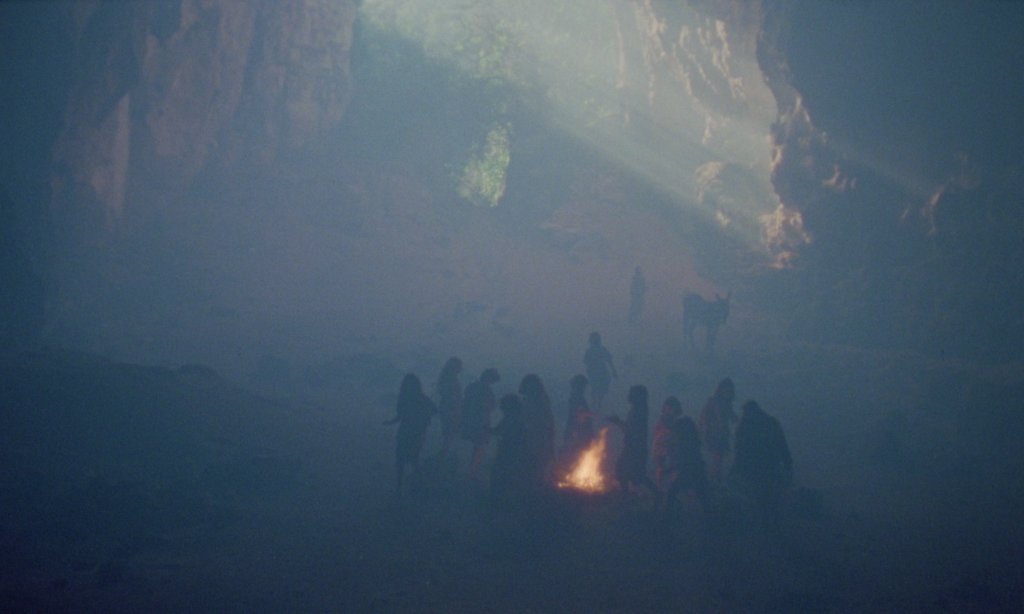
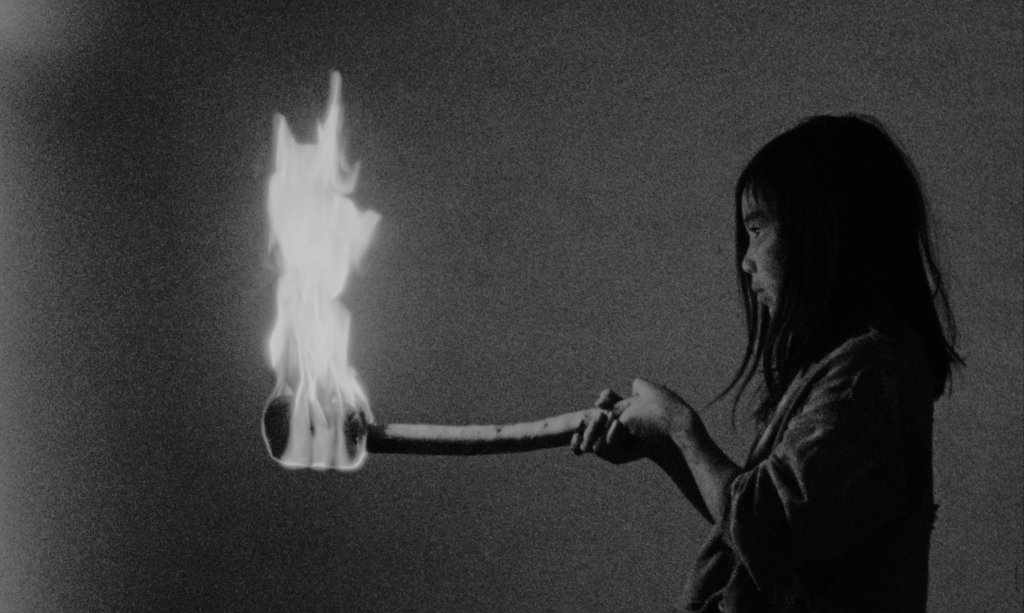
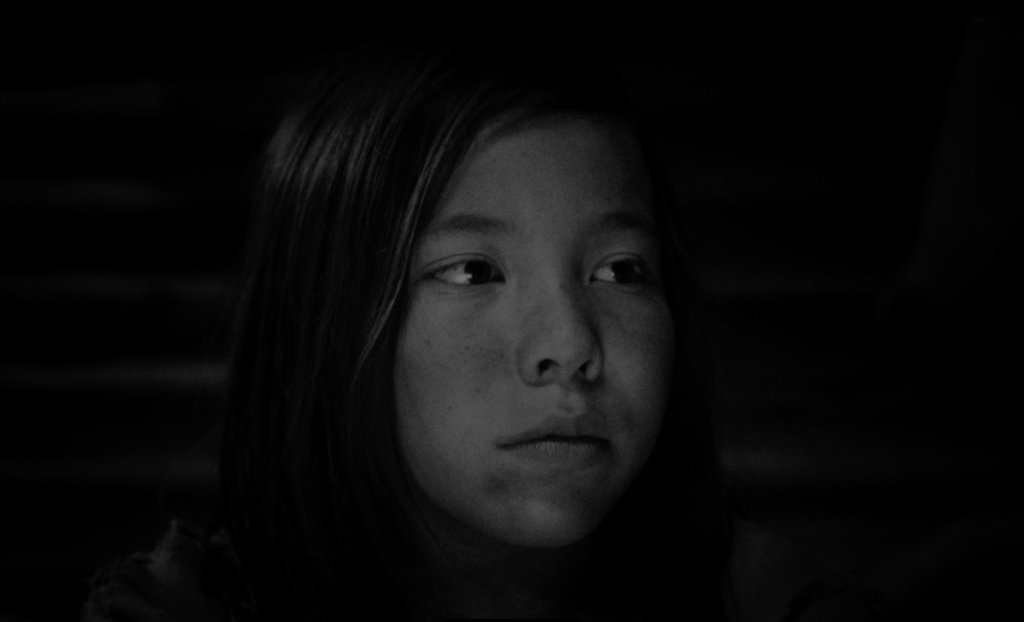
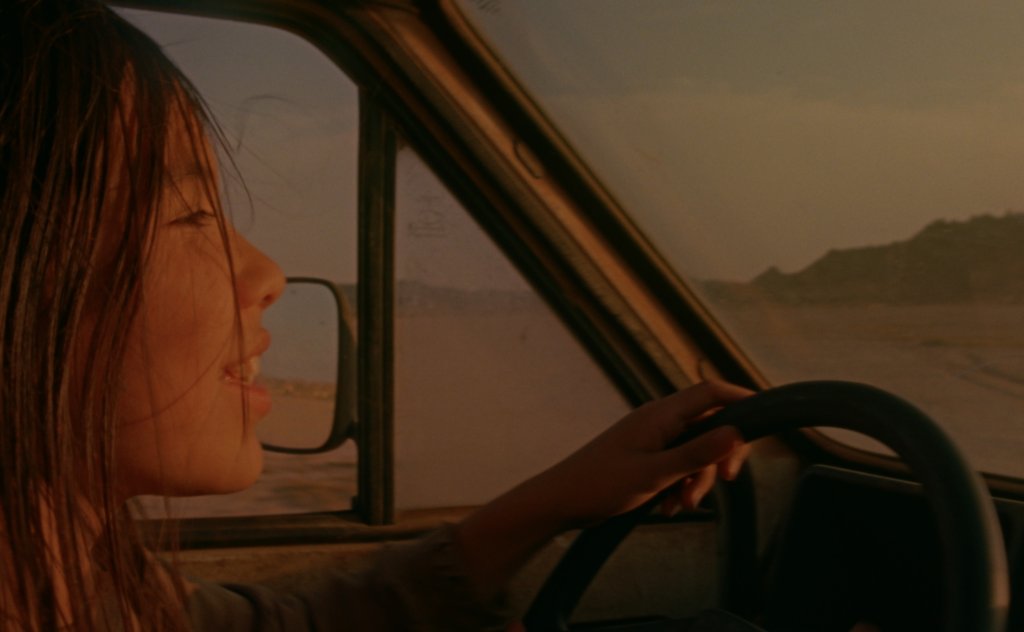
GB/FR/CA 2025, D: Ben Rivers, A: Moon Guo Barker, 98′, OV with English subtitles, DCP
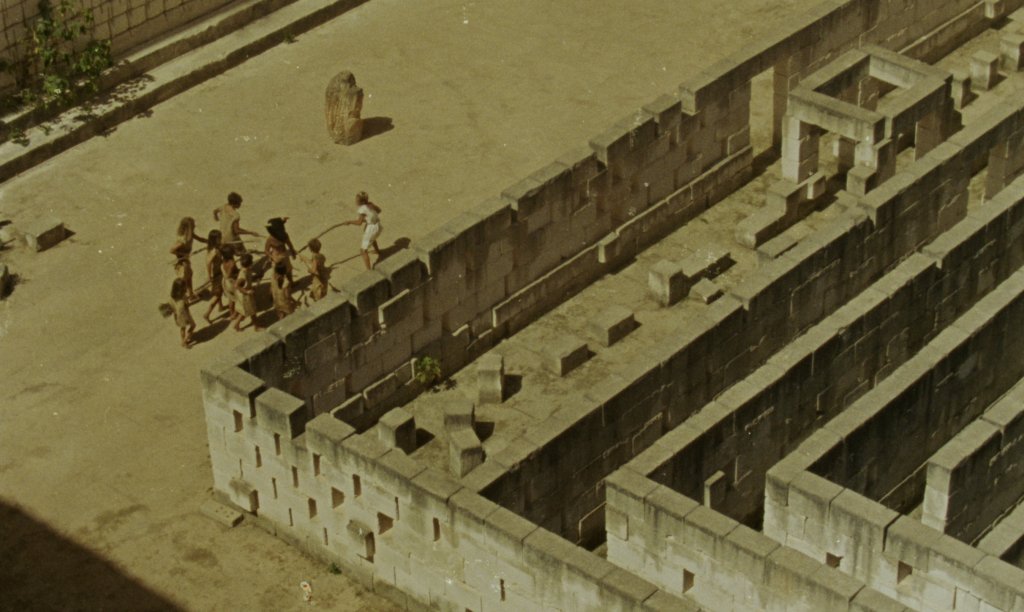
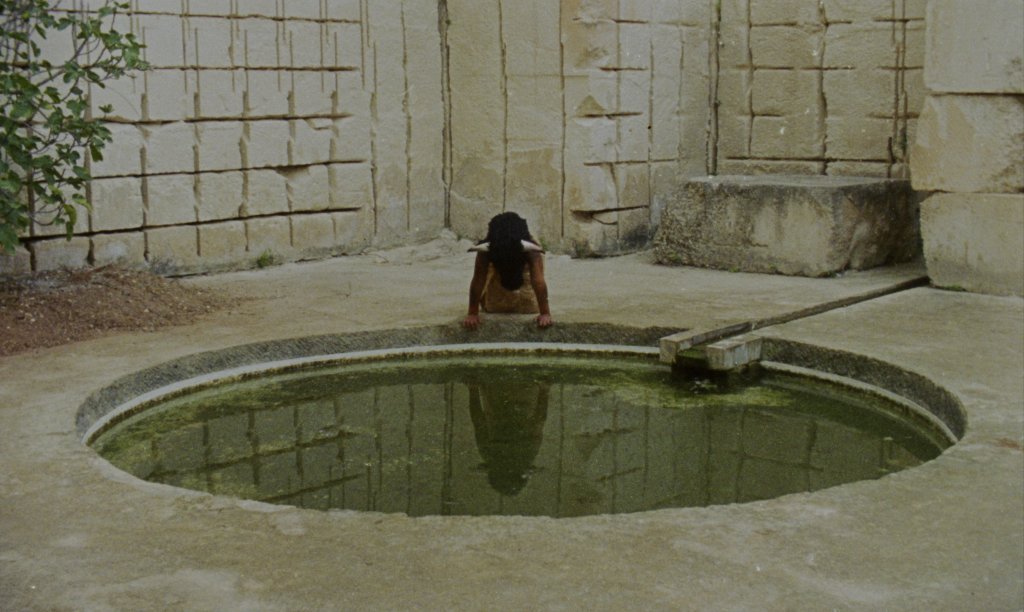
In MARE’S NEST, Ben Rivers tells the story of Moon, a child on the move. After Moon crashes a car to avoid running over a tortoise crossing the road, she continues on foot with the tortoise and encounters nothing but further children: straying, playing, carefree, strange, symbolic beings. The time in which they exist seems meaningless; the place they inhabit, a magical cinematic space: dusty, grainy, alternately bathed in golden light or atmospheric black and white. An anarchic cinematic poem, shot over two years in episodes during the school holidays at extraordinary locations. A ritual journey through a world that has finally cleansed itself of all adults. “We have myth to protect us when history goes mad.”
| Tue 15 September 2026 | Schaubühne Lindenfels |
| 7 PM | € 7,50 (6,50 reduced) |
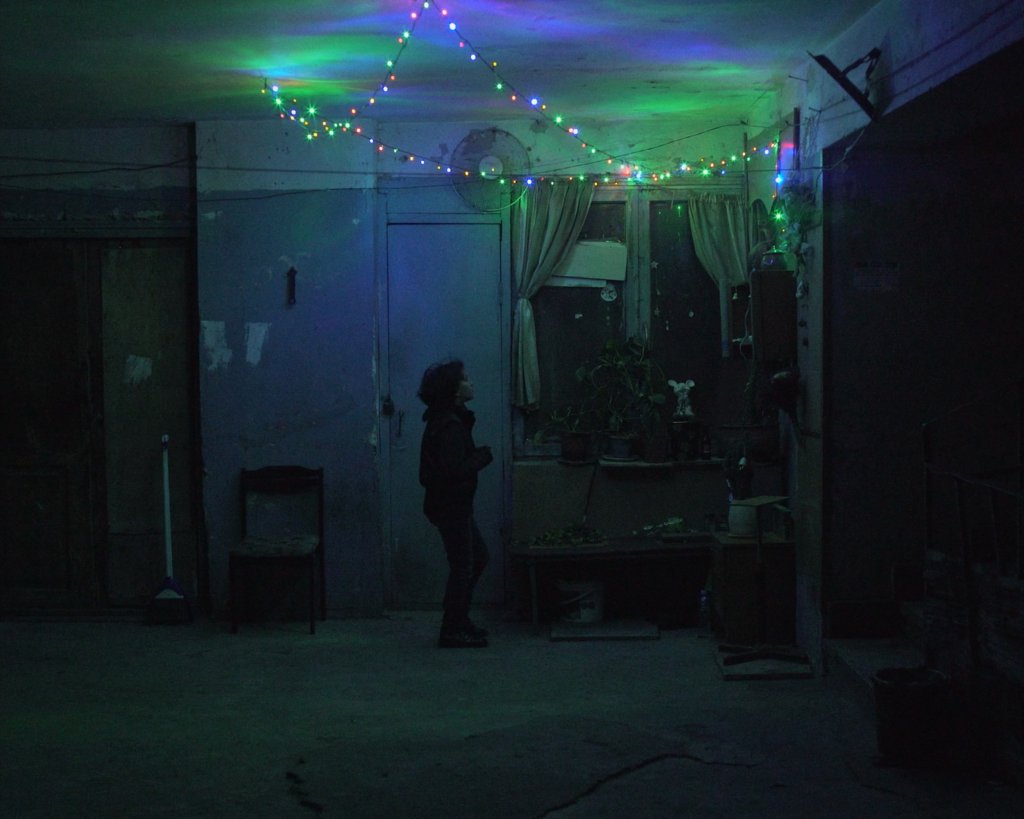
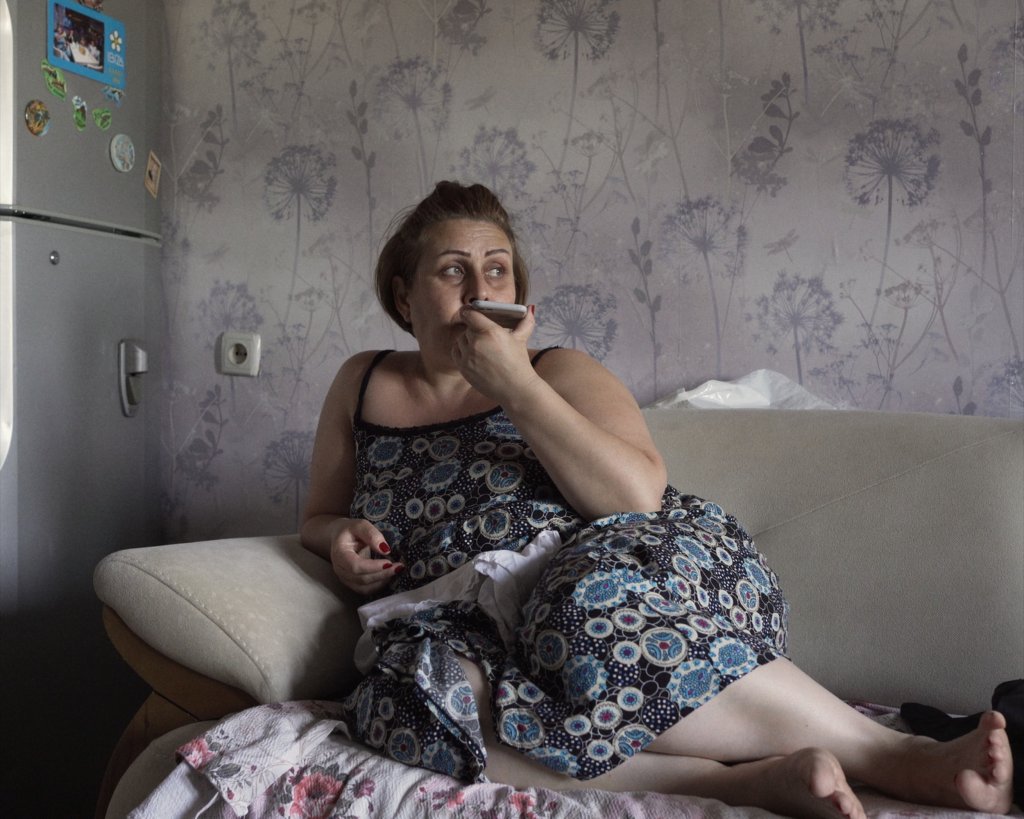
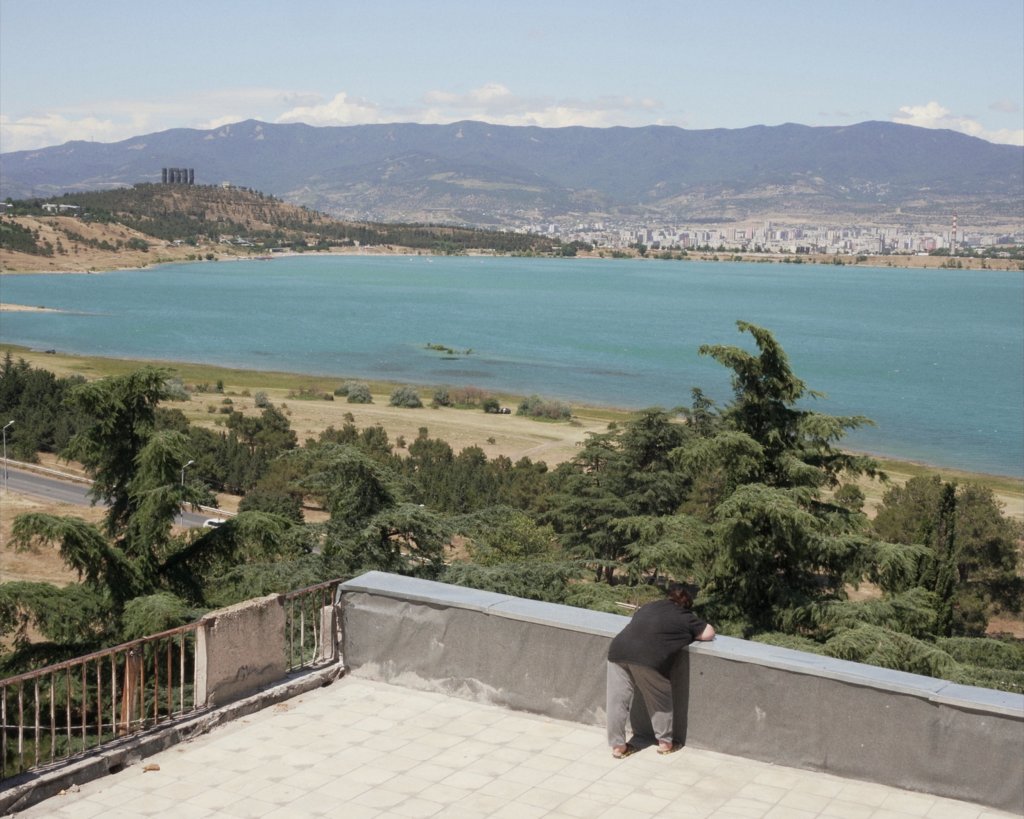
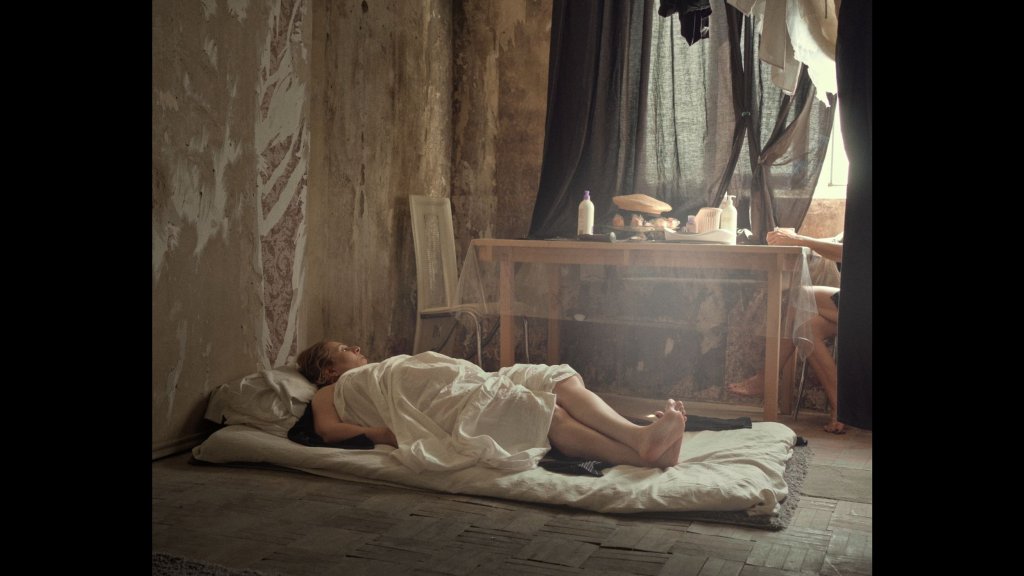
GE/FR/QA, D: Tamar Kalandadze & Julien Pebrel, 104‘, OV with English subtitles, DCP “
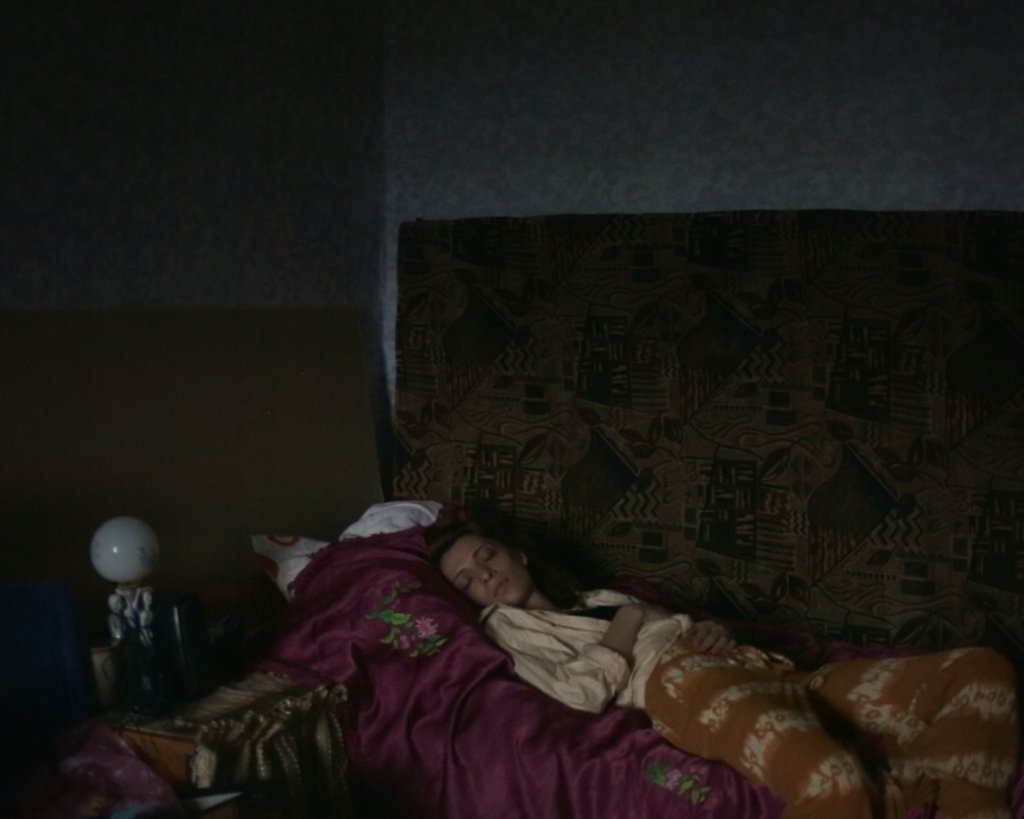
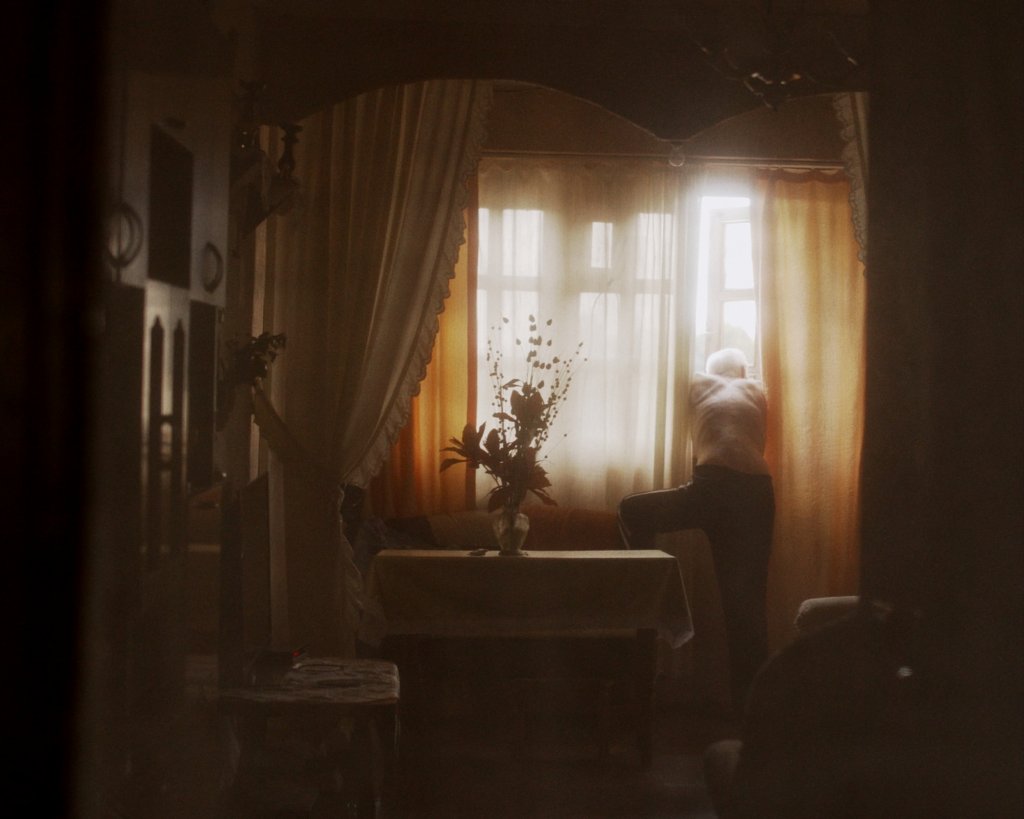
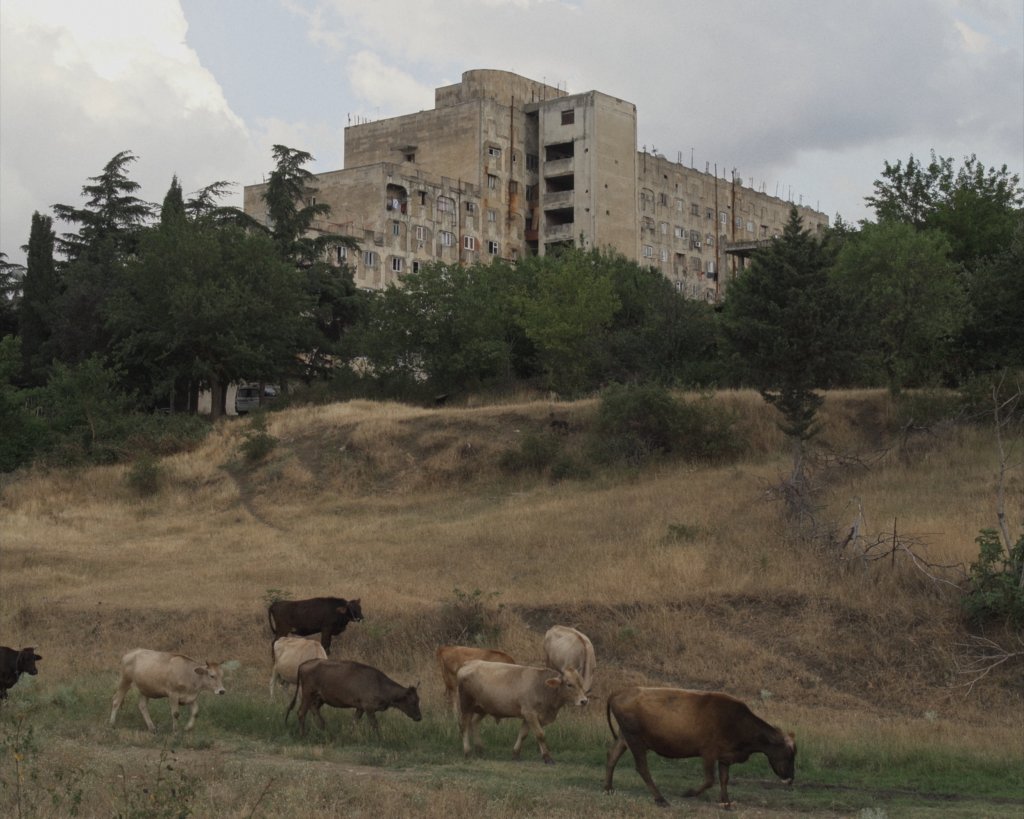
“Kartli” not only refers to a medieval Georgian kingdom, but also to a former sanatorium in Tbilisi. In the wake of the Georgian-Abkhazian War (1992-1993), around 150 families who were displaced from Abkhazia now live there. What was initially intended as a short-term solution has become a permanent situation to this day. THE KARTLI KINGDOM is observational cinema that depicts the shared fate of the residents, who live in a dilapidated building and are beginning to organise for their right to decent housing. Over three decades, a warm-hearted microcosm has developed in Kartli, where people live and die, keep animals, and where everyday rituals shape communal life. Footage from the present is interwoven with VHS material and the stories of the elders, who help us to understand trauma, exile and their collective power of resistance.
| Mo 14 September 2026 | Schaubühne Lindenfels |
| 19:00 Uhr | € 7,50 (6,50 reduced) |
FINDING WORDS | The unadorned, humanistic documentaries of Nurith Aviv
“A given name is a gift, a choice, a message that can be questioned, interpreted and reinvented throughout one’s life.” (Text panel at the start of the film)
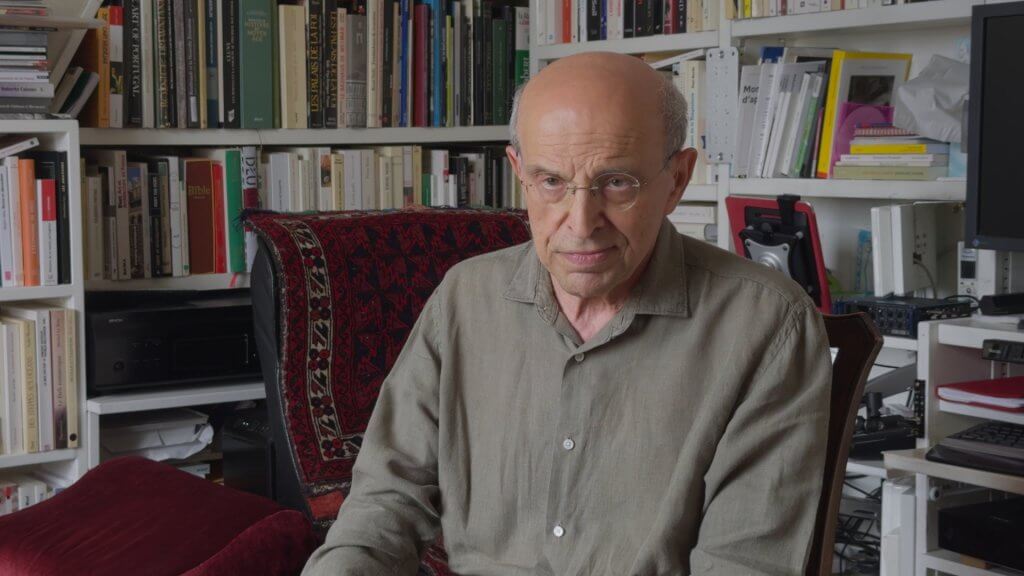

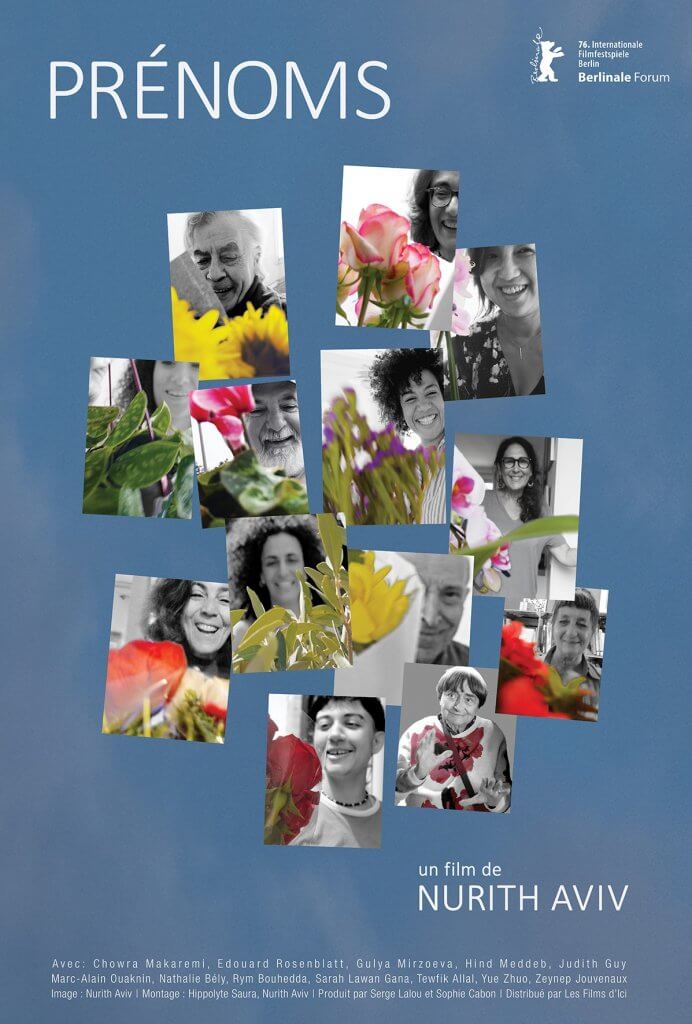
FR 2026, D: Nurith Aviv, 82‘, OV with English subtitles, DCP
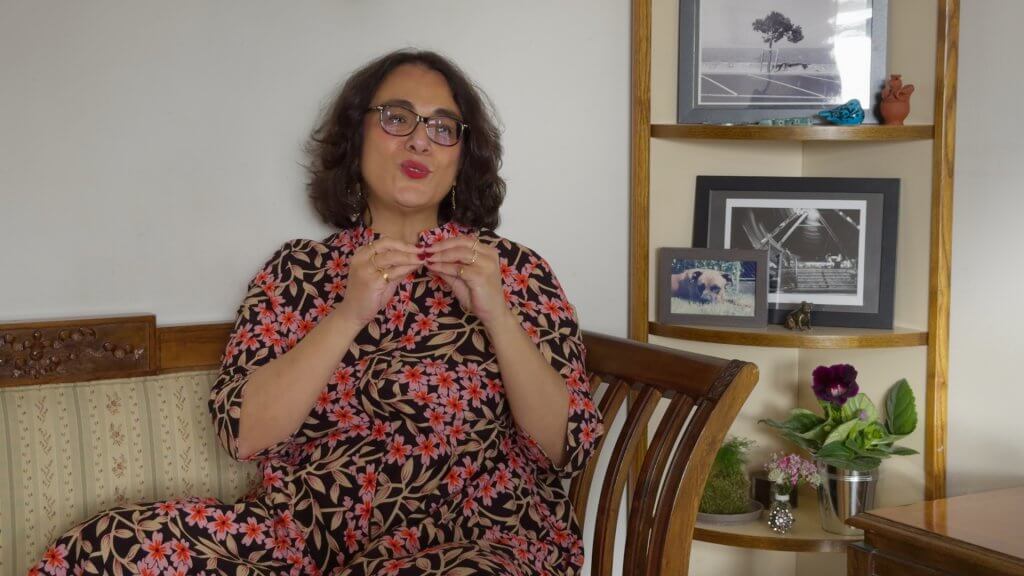
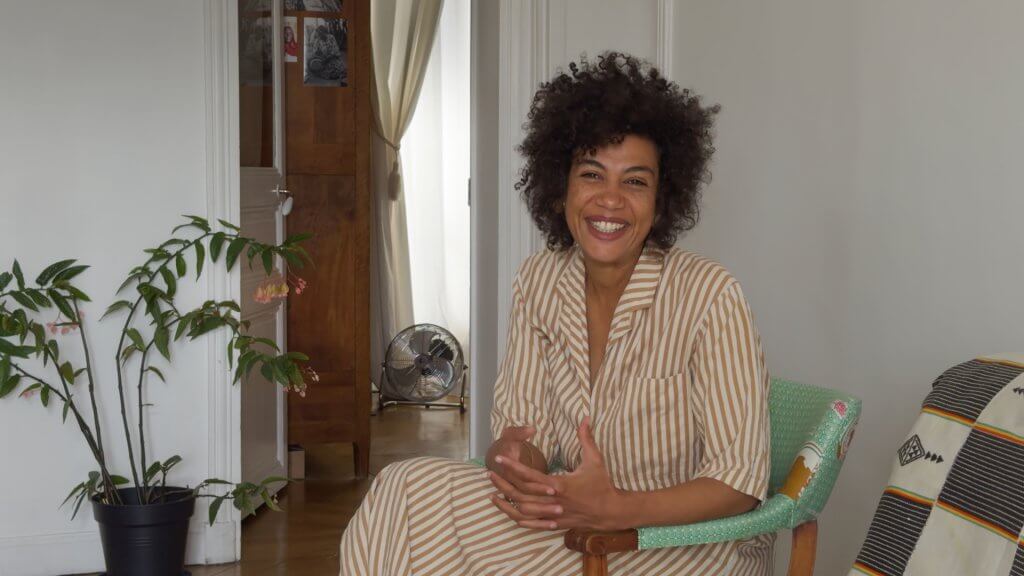
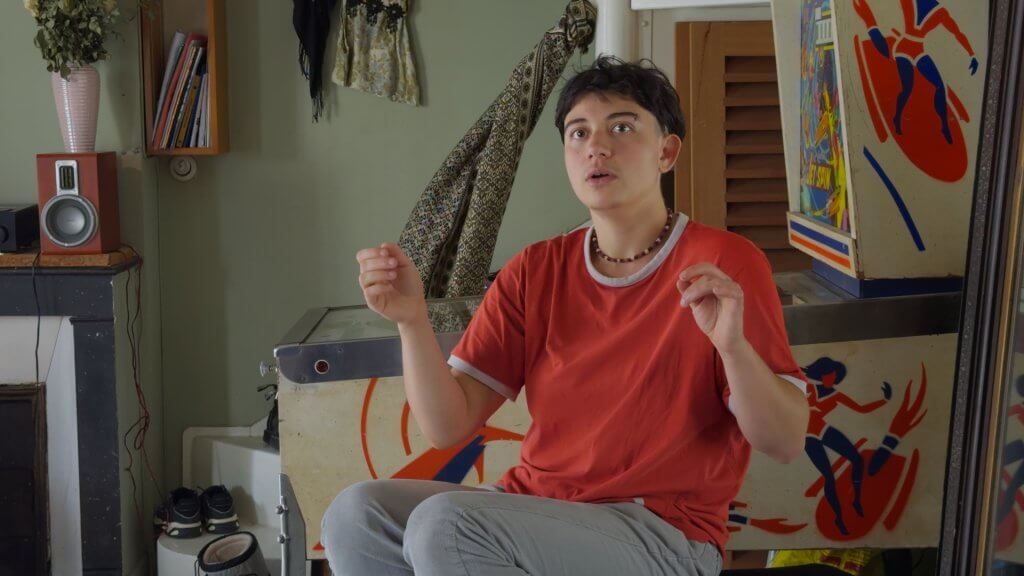
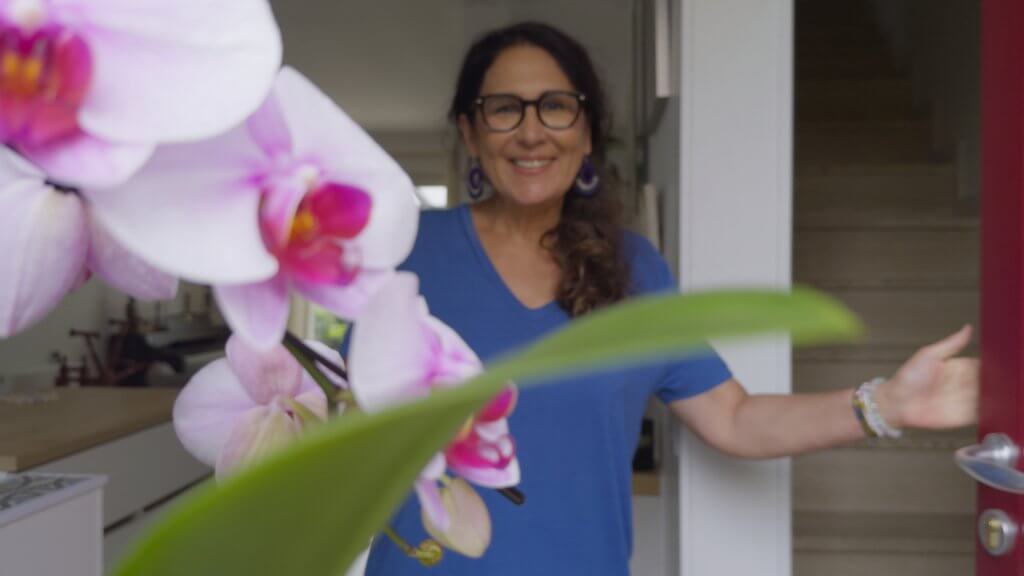
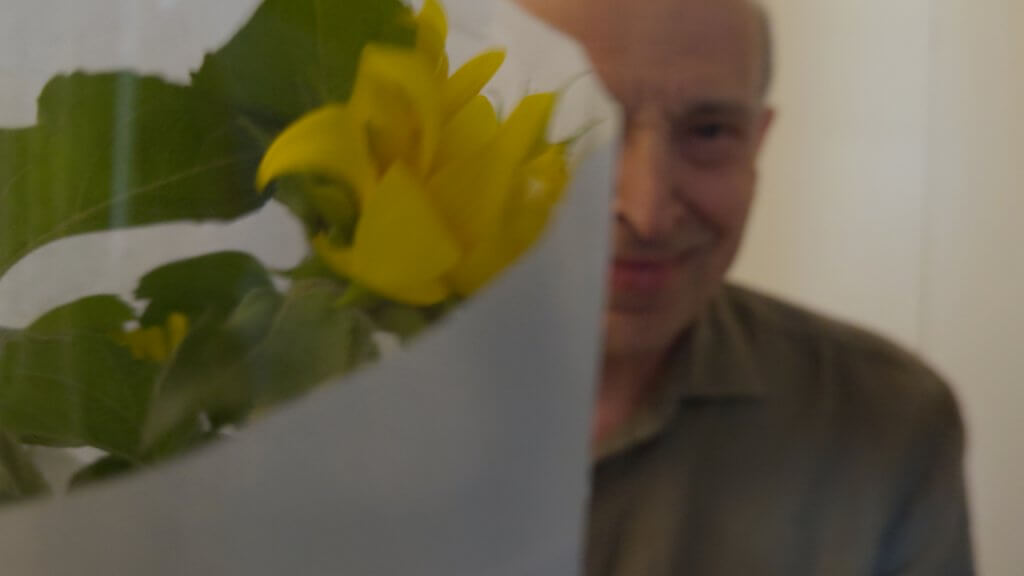
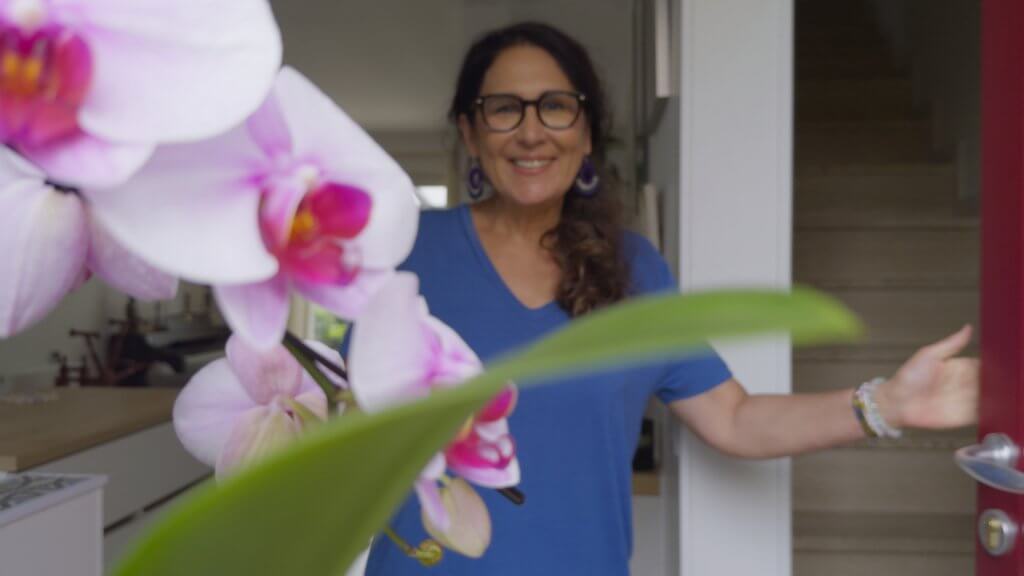
With a mobile phone camera in one hand and a bouquet of flowers in the other, Nurith Aviv visits friends in their Parisian flats. Thirteen of them speak, in calm, static shots, about their first names – about origin and belonging, about name changes, memories and wounds. From these focused portraits emerges a polyphonic picture of contemporary France and Europe. Despite some painful stories, GIVEN NAMES never feels heavy, but rather like a gift of flowers: a quiet act of friendship, thoughtful, warm and full of great humanity.
| Tue 15 September 2026 | Schaubühne Lindenfels |
| 9 PM | € 7,50 (6,50 reduced) |
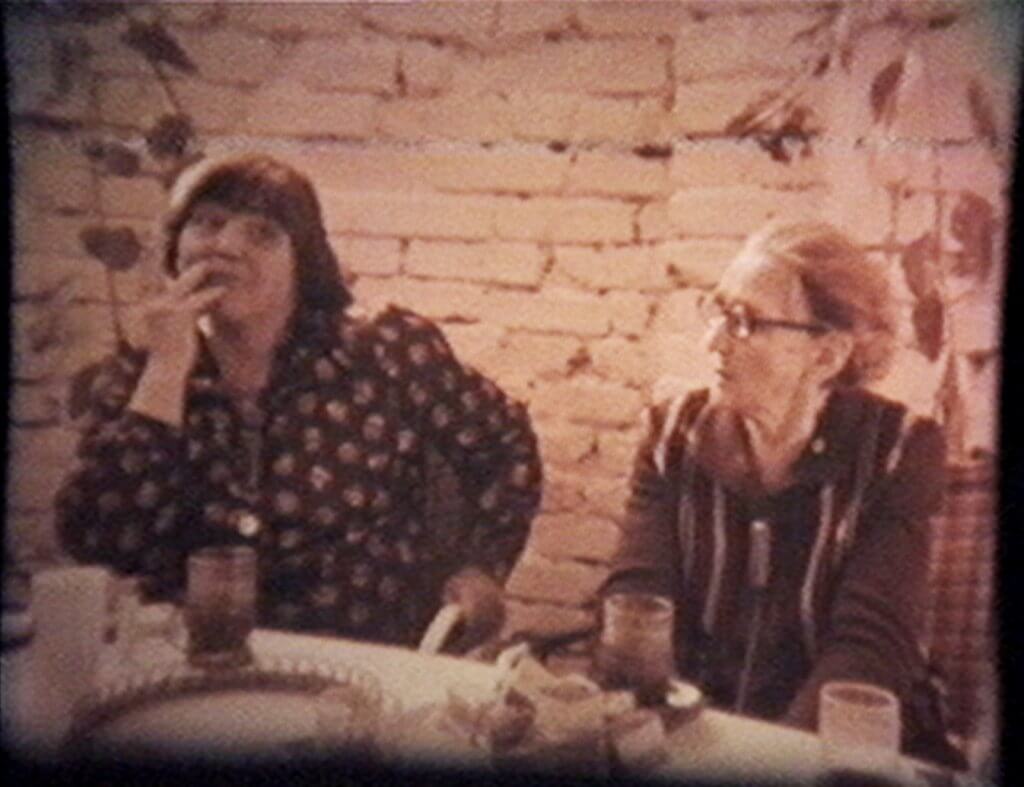
GDR 1981, D: Chetna Vora, 142′, OV with English subtitles, DCP
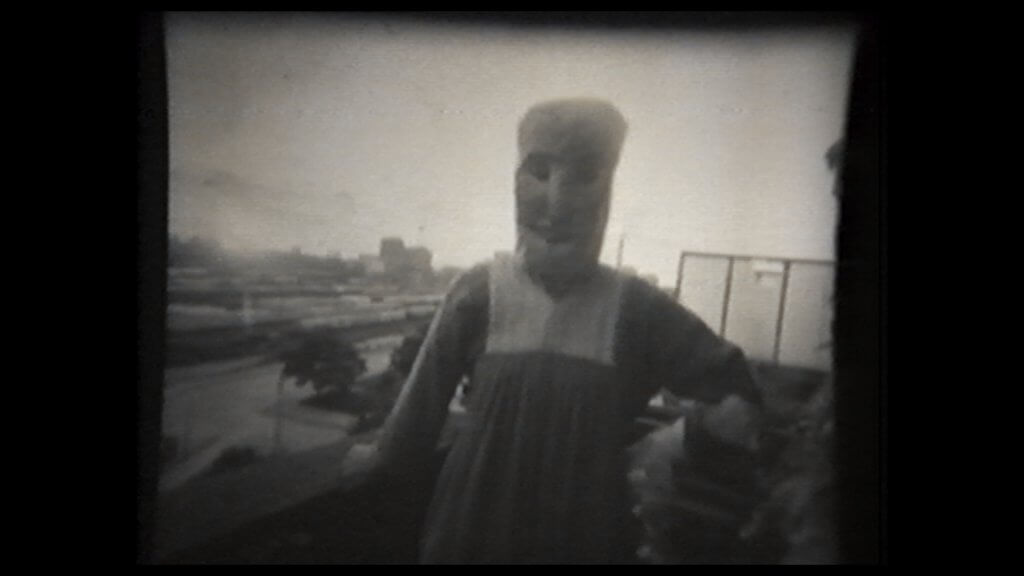
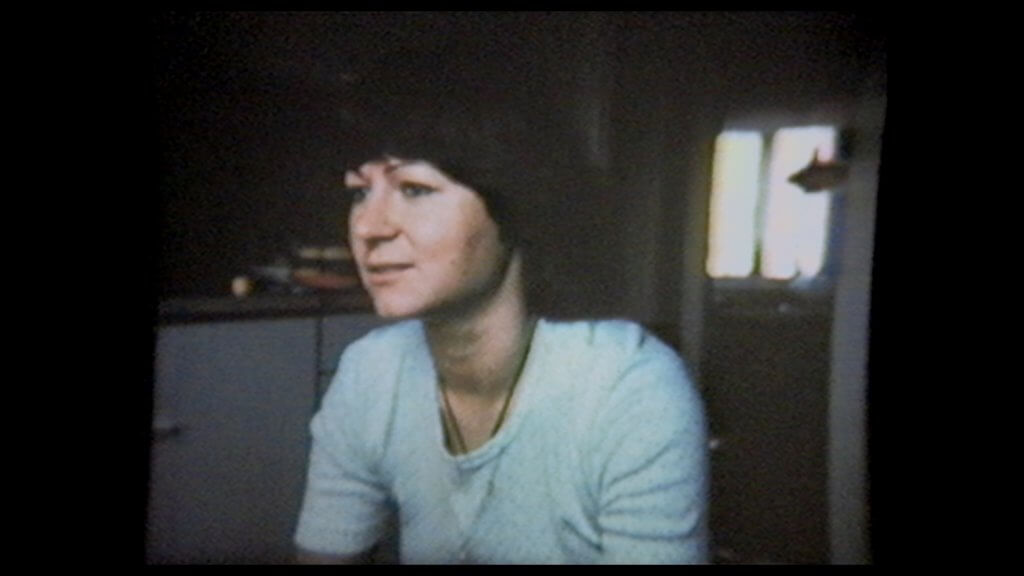
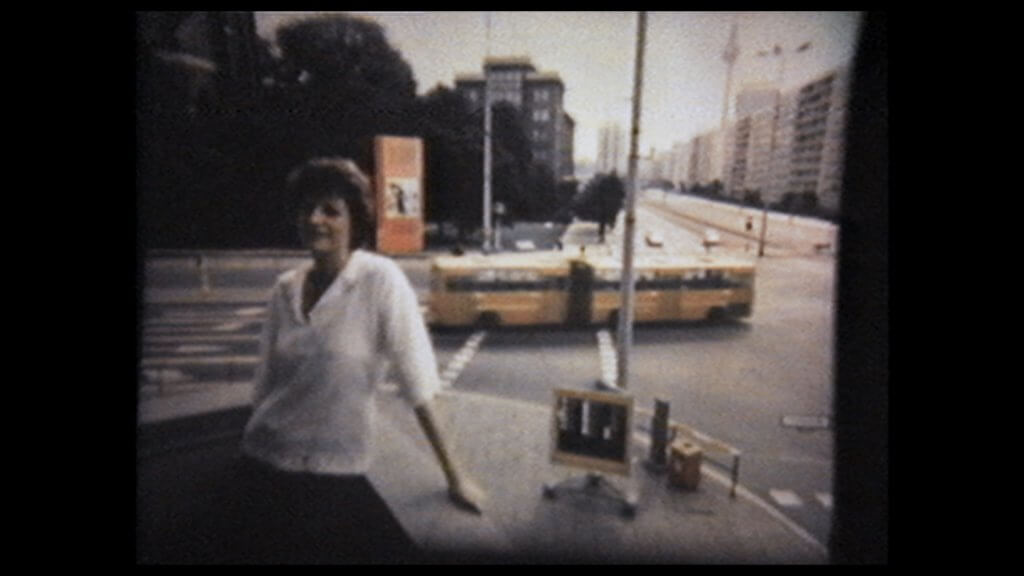
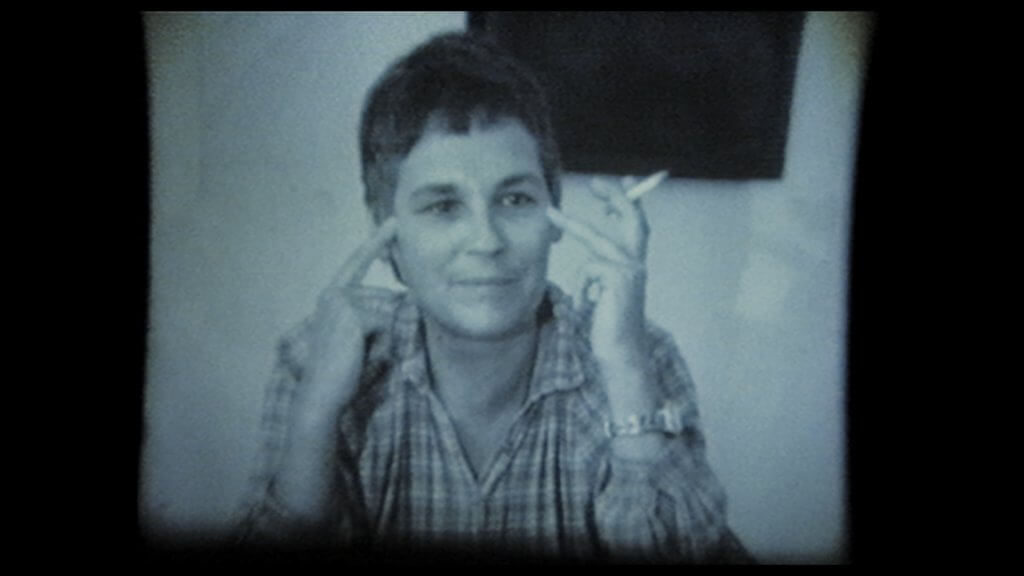
For her graduation film, Indian film student Chetna Vora interviewed a total of 14 women about their everyday lives in East Berlin. Filmed clandestinely by cinematographer Thomas Plenert in a minimalist style, the women – aged between 11 and 83 – speak openly about long-term relationships, divorce, same-sex relationships, housing, work, motherhood and much more. Alongside their private and social daily lives, the film also addresses the limits of the political system through the themes of happiness and disillusionment.
Chetna Vora’s alma mater, the GDR’s Academy of Film and Television, demanded that the film be radically cut to a running time of 30 minutes. When Vora refused, the academy forced her to abandon the project and confiscated the footage. What has survived is a secretly made copy of the rough cut material she had personally purloined; it is this digitally restored version that we are showing.
| So 13 September 2026 | Schaubühne Lindenfels |
| 3 PM | Introduction by Tobias Hering. He is a curator and writer and has carried out long-term research into Chetna Vora. € 7,50 (6,50 reduced) |