Special | CINÉMA CORPOREL
PORTRAIT DE MA MÈRE DANS SON JARDIN
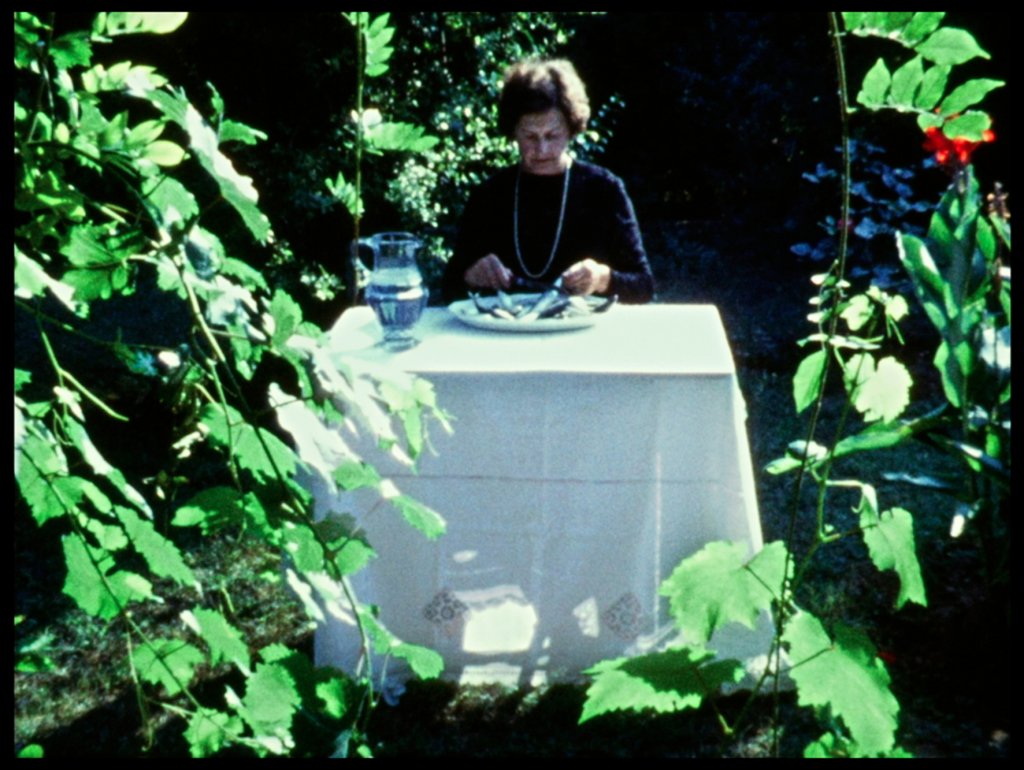
FR 1980, silent, 9’, DCP
UNHEIMLICH III: LES MÈRES (THE MOTHERS), PART 1
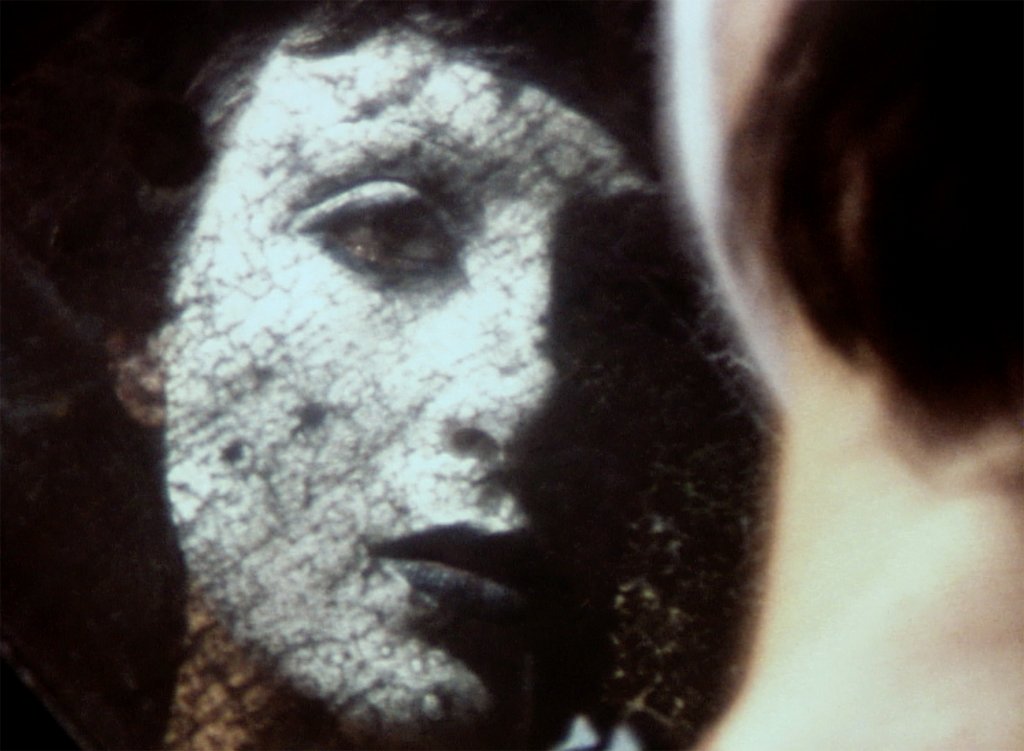
FR 1980-81, silent, 52’, DCP
We continue our program of CINÉMA CORPOREL by revisiting concepts introduced the previous day, varying and developing them further: PORTRAIT DE MA MÈRE DANS SON JARDIN once again creates a cinematic encounter with a woman and her body: Thomadaki’s mother. The film was part of the extended cinema version of UNHEIMLICH III: THE MOTHERS, which was originally commissioned by the Centre Pompidou in 1981 as an ‘expanded cinema performance.’ We are showing the first part of this unique, enigmatic project in its restored version as the finale to this small homage, for which Katerina Thomadaki will travel from Athens to Leipzig.
| Fri 19 Sept 2025 | Luru Kino |
| 8 PM | € 7,50 (6,50 reduced) In presence of Katerina Thomadaki |
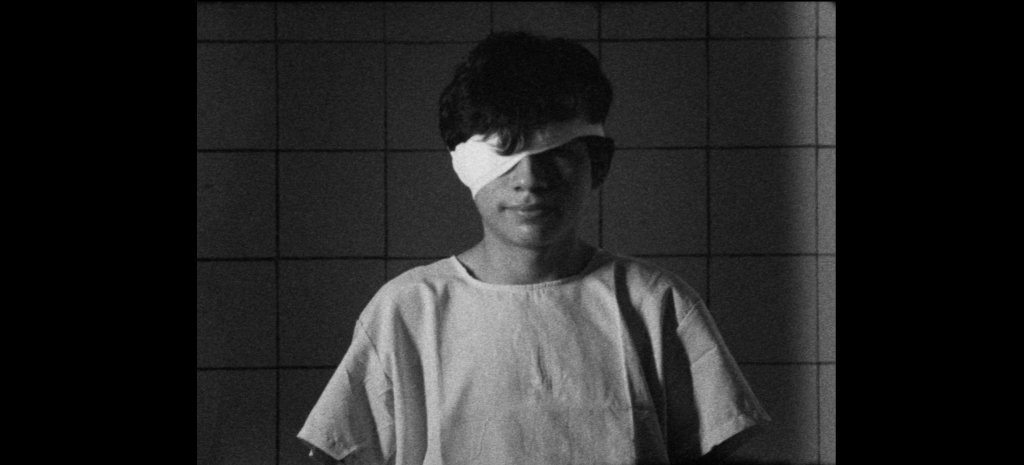
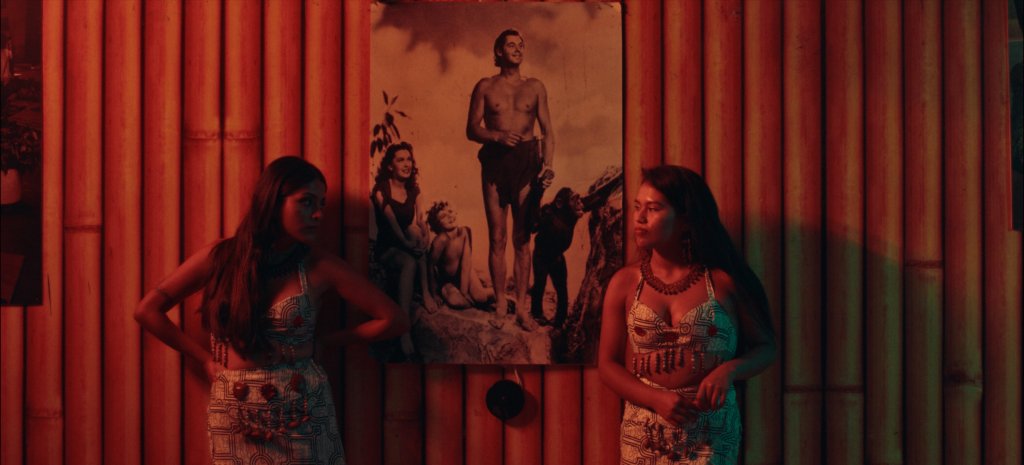
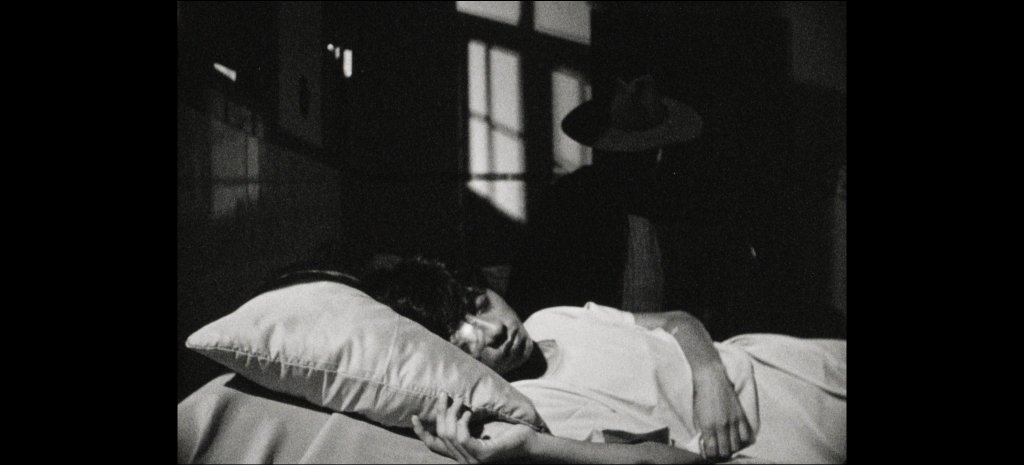
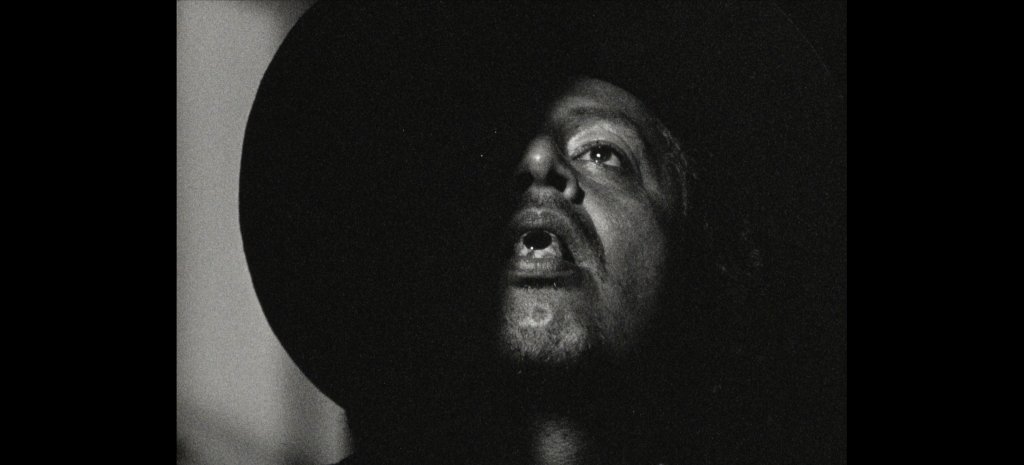
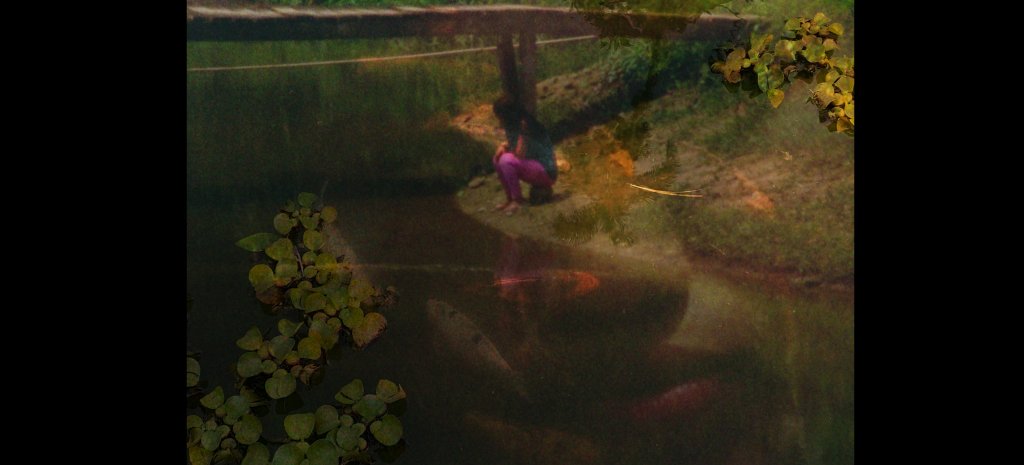
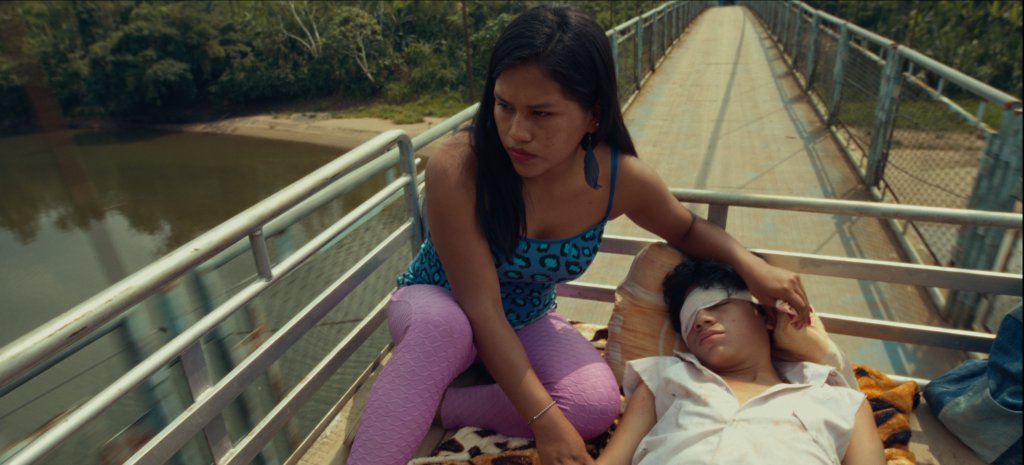
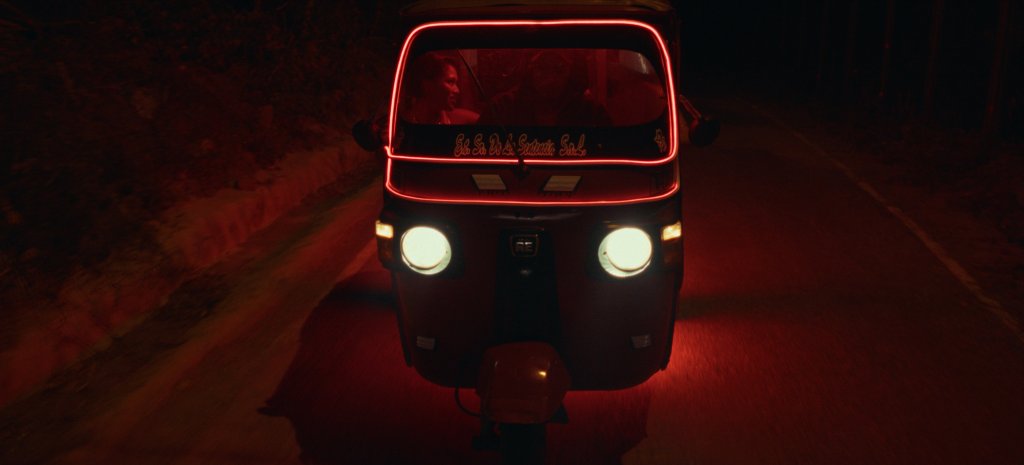
PE/ES 2025, D: J.D. Fernández Molero, A: Marcelo Quino, Maritza Kategari, Ricardo Delgado, 132’, OV with english subtitles, 35mm
Quillabamba, Peru. A town in the south of the country, surrounded by the jungle of the Amazon rainforest and the high mountains of the Andes. Iván is found unconscious in the jungle with a serious eye injury and is taken to the nearest hospital by Meshia, a Matsigenka teenager. She takes care of him, gets a job in a bar and takes part in the beauty contest of “Miss Mermaid”. The film atmospherically tells the story of growing up in contemporary Peruvian society, which is characterised by lurking male gazes and violence, alcohol and a belief in supernatural powers. Formally flowing between analogue and digital, PUNKU navigates meditatively and surreally between myth, hallucinatory memory and identity.
| Thu 18 Sept 2025 | Luru Kino |
| 9 PM | € 7,50 (6,50 reduced) |
Trailer
Special | CINÉMA CORPOREL
SMOKING
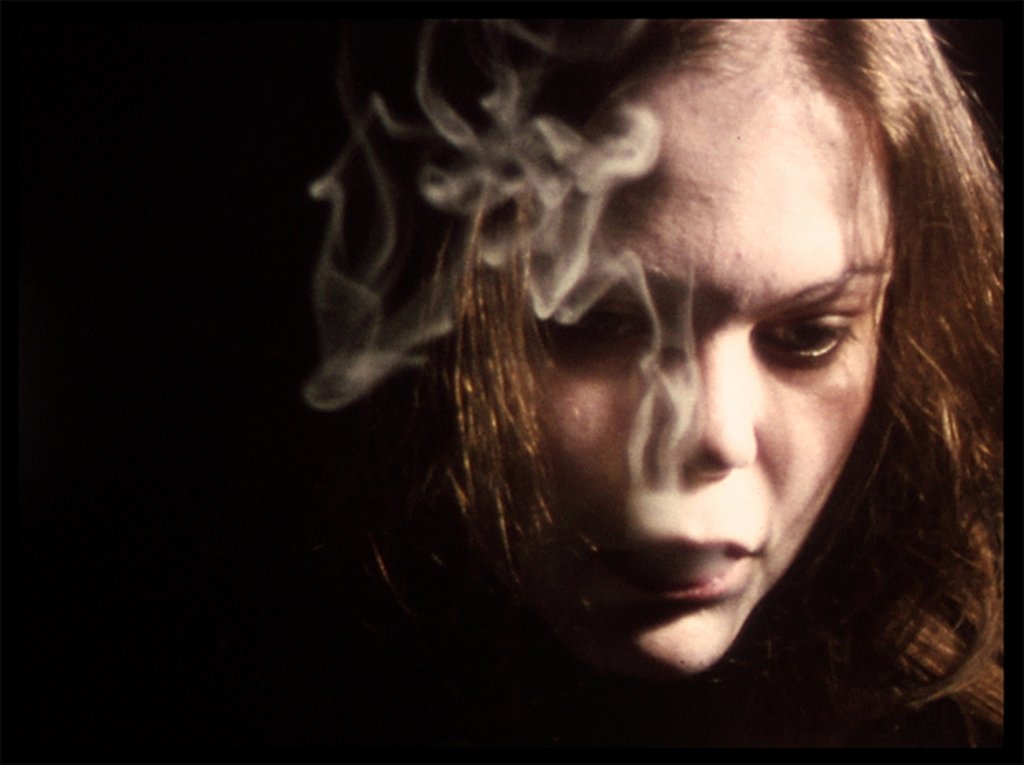
FR/GR 1975/2016, silent, 4’, DCP
FLASH PASSION
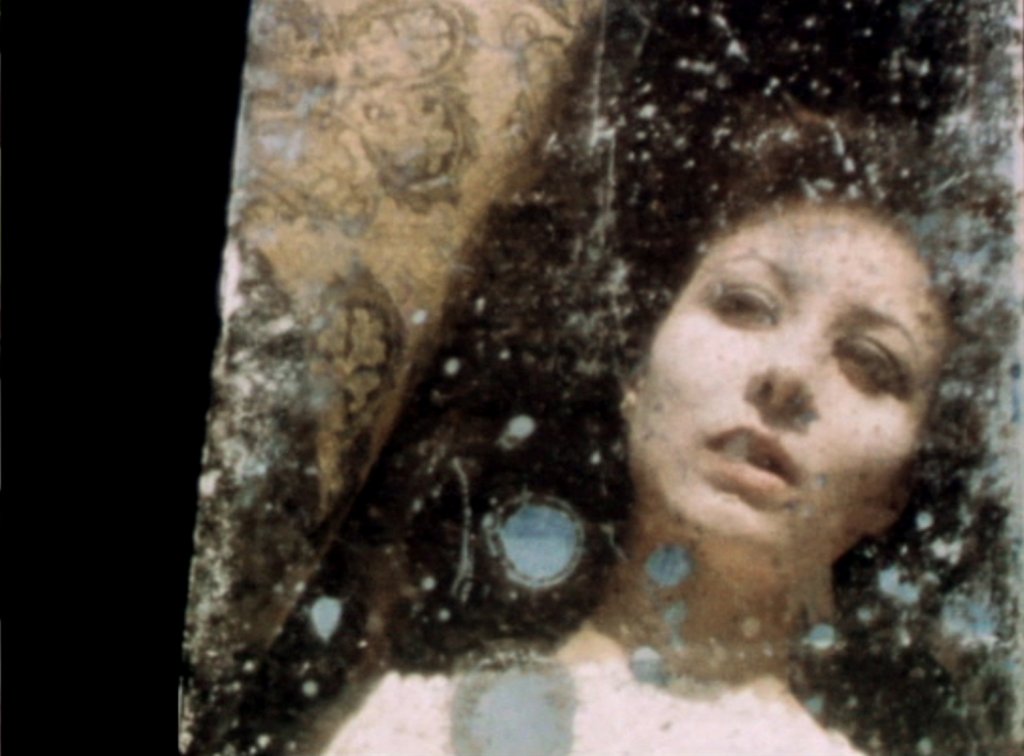
GR 1970, silent, 2’, DCP
3.VII.1973
GR 1971, silent, 6’, DCP
DOUBLE LABYRINTHE
FR 1975-1976, silent, 50’, DCP
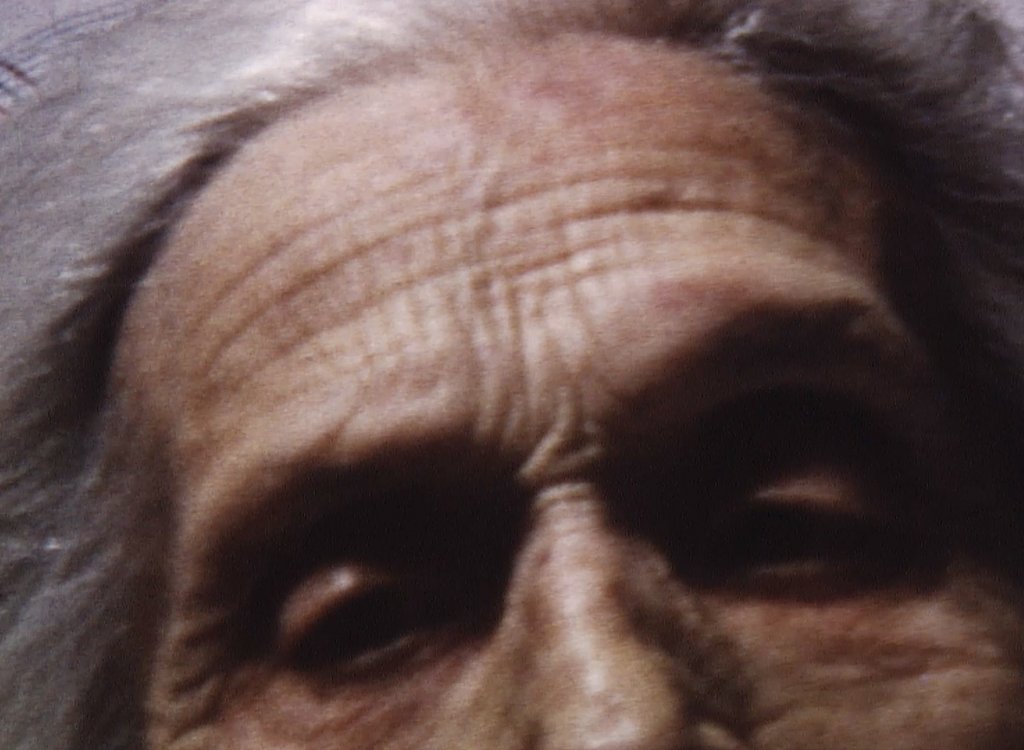
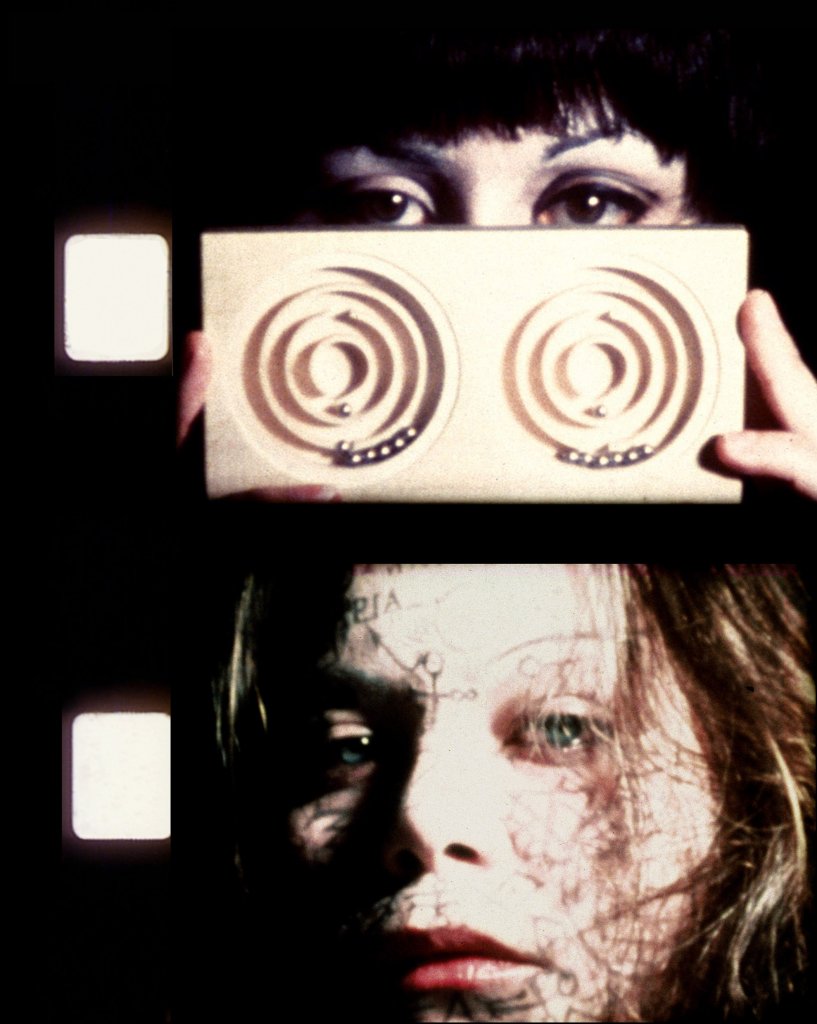
We begin the first programme of with SMOKING, a short portrait of Maria Klonaris, which Katerina Thomadaki created in 2016 – two years after her death – from material she had filmed back in 1975. In FLASH PASSION, the perspectives in front of and behind the camera are reversed: Klonaris films Thomadaki in one of the first Super 8 works, shot in Athens. In 3.VII.1973, we look at a body that is taboo in many ways: female, aged, approaching death. An intimate declaration of love to her maternal grandmother by Thomadaki. The first programme concludes with DOUBLE LABYRINTHE, a search for identity through gestures, materials and objects – an exploration of the political dimensions of bodies, poetic form language and the aesthetic possibilities of Super 8 material.
| Thu 18 Sept 2025 | Luru Kino in der Spinnerei |
| 7 PM | € 7,50 (6,50 reduced) In presence of Katerina Thomadaki |
Special | CINÉMA CORPOREL
Multimedia artists Maria Klonaris (born in Cairo in 1950) and Katerina Thomadaki (born in Athens in 1949) quickly became well known in Greece for their drawings, illustrations, stage productions and essays on theatre. Since the mid-1970s, they have been primarily active in France, where they introduced the concept of “cinéma corporel” (cinema of the body) as leading representatives of the experimental film scene there. Years of artistic collaboration resulted in subversive works about the relationship between camera and body, female, androgynous and gender dissident identities, sexuality and the unconscious. Through their cinematic, performative and installation-based explorations of the construction of meaning and the ambiguities of gender, and with their designs on body images and patriarchal power relations, they did important pioneering work in the fields of queer cinema and avant-garde film. In 1980, the Centre Pompidou in Paris showed a retrospective of their films and expanded projection works, followed in 1992 by a retrospective at the Cinémathèque Française, as well as numerous other screenings in Europe, North America and Japan.
In two programmes, we present a selection of short and medium- length works rarely seen in Germany, which convey an impression of how Klonaris and Thomadaki chose and shaped the artistic form itself as a place of feminist practice and criticism. They often filmed themselves or friends with a Super 8 camera, documented their own performances, happenings and early forms of expanded cinema, narrated dreamlike, fairy-tale-like arrangements or portrayed other artists. They shaped and alienated their works through light and shadow, extreme camera angles, montage techniques, multiple exposures, plays of colour and the expressive possibilities of dance. From early on, many of their works questioned restrictive categories of desire or sexuality as well as rigid identities or gender logics and dealt with their power structures using recurring characters in an artistically productive way. They also formulated their ideas and positions in theoretical writings and activist texts. For instance, they published a Manifesto for a radical femininity for another Cinema’ in 1977 and in the following year a Manifesto for a Cinema of the Body.
Both programmes in the presence of Katerina Thomadaki
| Thu 18 Sept 2025 | Luru Kino |
| 7 PM | SMOKING FR/GR 1975/2016, silent, 4’, DCP FLASH PASSION GR 1970, silent, 2’, DCP 3.VII.1973 GR 1971, silent, 6’, DCP DOUBLE LABYRINTHE FR 1975-1976, silent, 50’, DCP In presence of Katerina Thomadaki |
| Fri 19 Sept 2025 | Luru Kino |
| 8 PM | PORTRAIT DE MA MÈRE DANS SON JARDIN FR 1980, silent, 9’, DCP UNHEIMLICH III: LES MÈRES (THE MOTHERS), PART 1 FR 1980-81, silent, 52’, DCP In presence of Katerina Thomadaki |
Special | Film is the articulation of light
PREFILM
CZ 2016, D: Jan Kulka, 25’, no film, masks, filters, flicker
PATTERNS
CZ 2022, D: Jan Kulka, 42’, 60mm
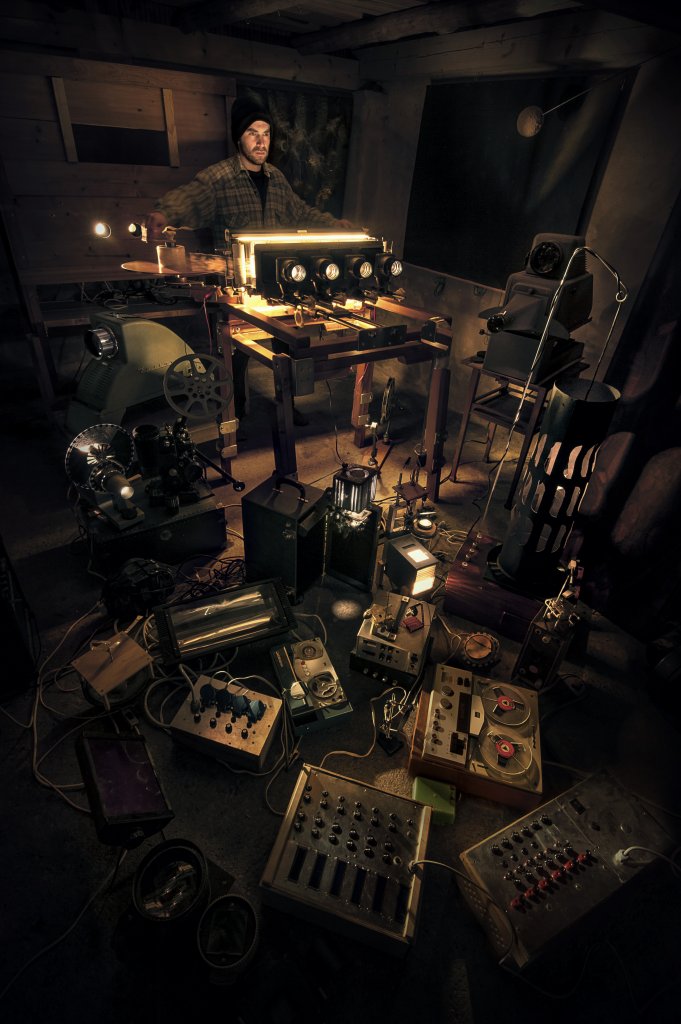
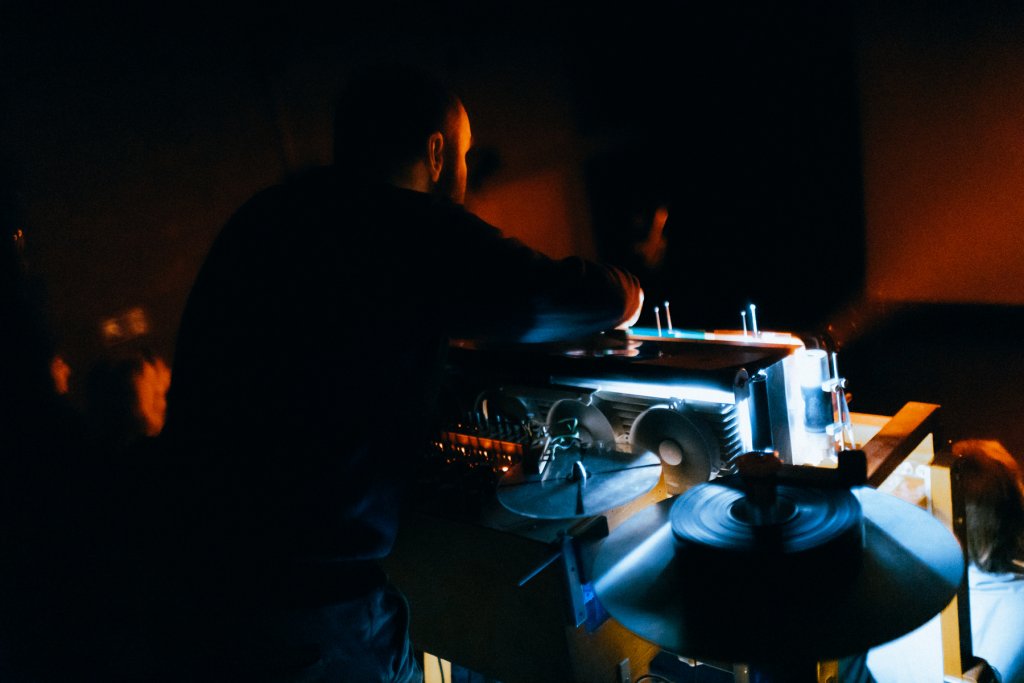
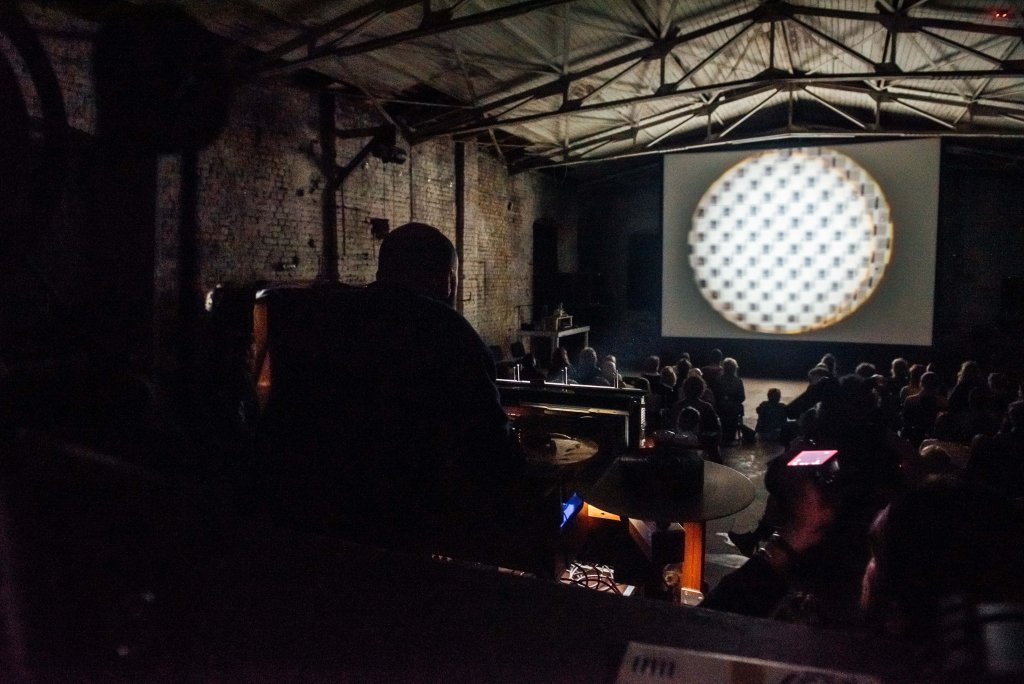
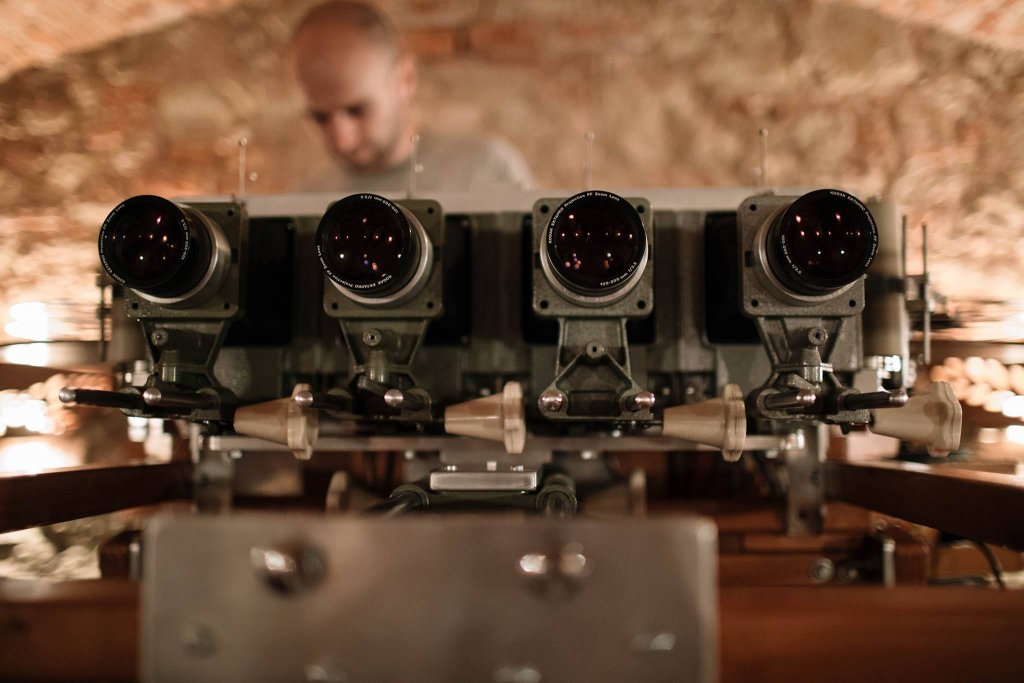
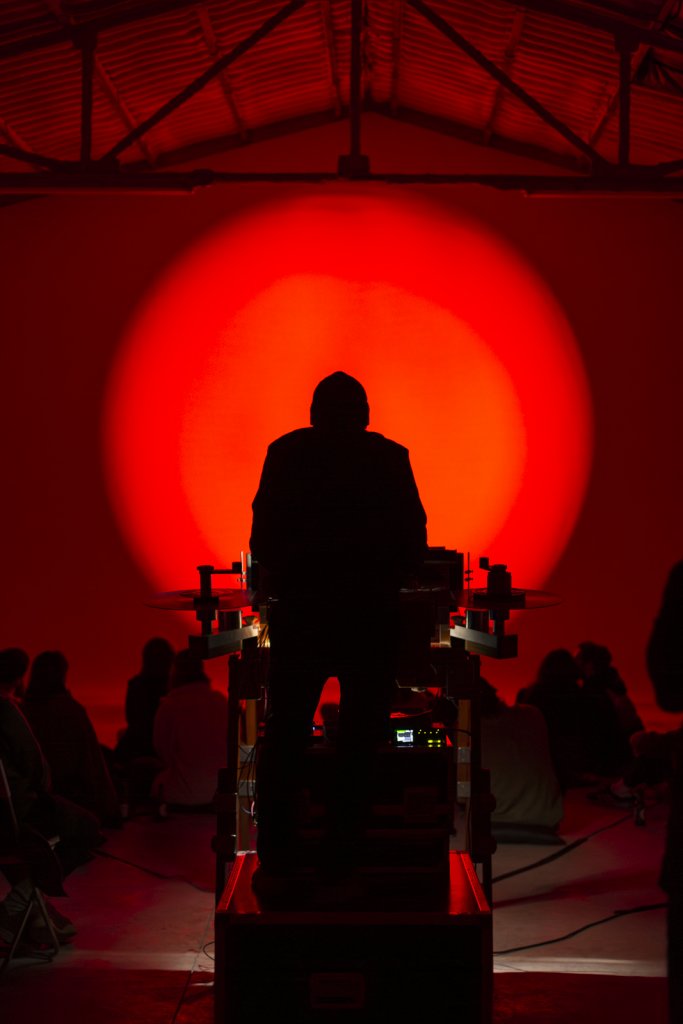
Jan Kulka is coming from Prague, bringing his Archeoscope with him. The Archeoscope is an analogue, hand-operated live projection machine that he designed and built to explore and redefine what it means to experience films. The machine can project all common film formats – 8, 16, 35, 70 mm – as well as special formats and all kinds of materials such as transparent tape, bandages, shoelaces, fabrics, packaging tape, bubble wrap and barrier tape.
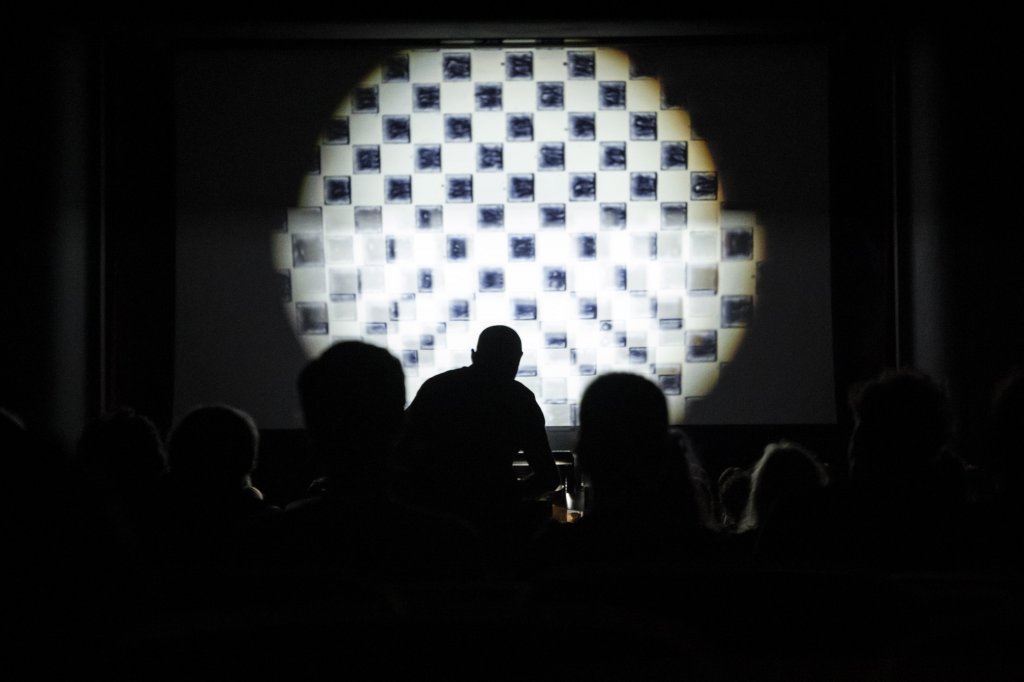
The Archeoscope has four independent light sources arranged side by side. The film does not run through the projector from top to bottom as is usually the case, but rather across it. The four light sources make it possible to project four different areas of an image or film strip simultaneously. This allows for countless combinations, rhythms and polyrhythms in which the four lamps can be switched together. The frame rate is no longer fixed to a regular, monotonous pattern, as is normally the case, but can be composed “musically” – in shorter, cyclical structures or larger, linear intervals. In the end, no two projections are alike, so what you see is a truly unique experience. The Archeoscope can fundamentally change the way we think about cinema.
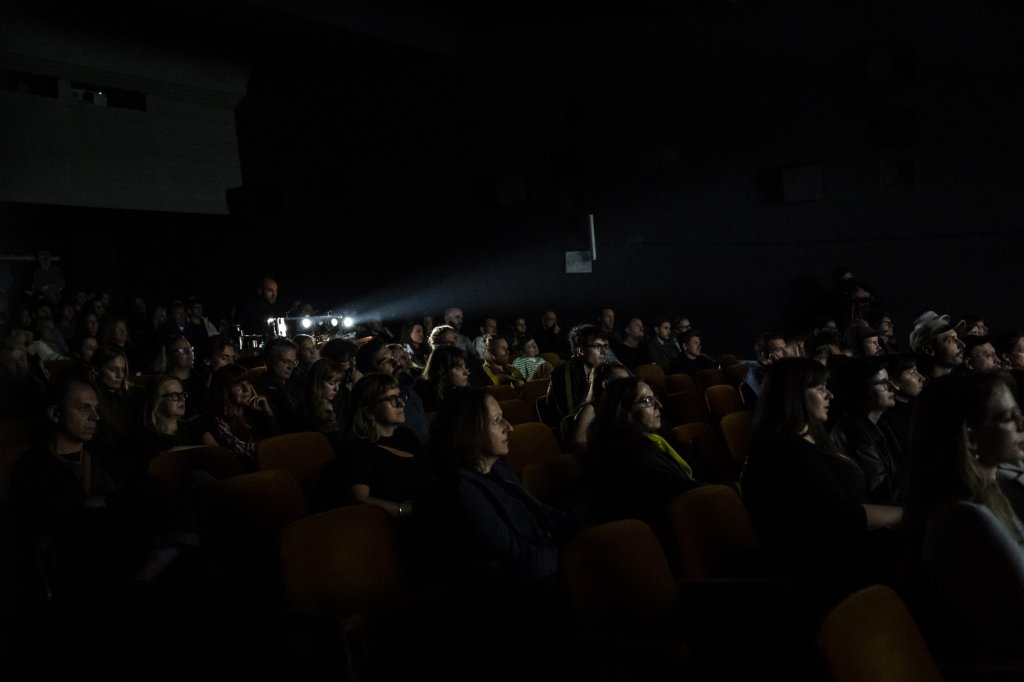
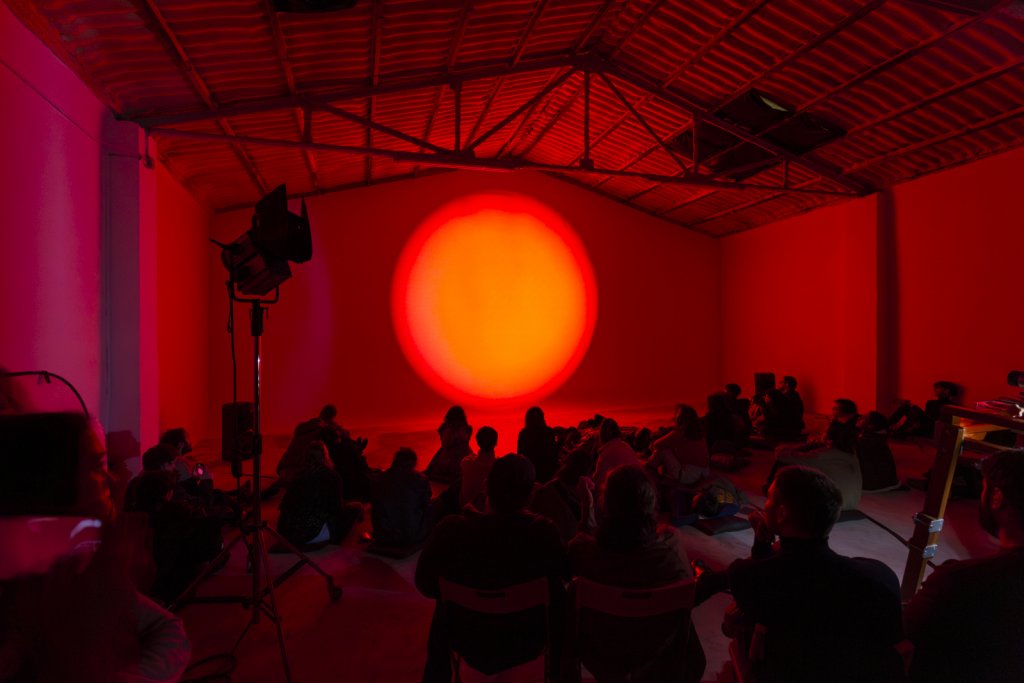
Jan Kulka is showing and performing two of his works at GEGENkino: PREFILM and PATTERNS. PREFILM works with light. Broken down to a most basic level, film is a temporal sequence of light and dark intervals. When the cycle is fast, flickering occurs, a visual phenomenon with transcendent potential. In PREFILM, no film material is projected; instead, materials, stencils, filters and nuanced lighting are used. This tickles specific points of perception, resulting in a stimulating massage for the eyes. PATTERNS, on the other hand, is an experimental, handmade film created using a printing process on a 60 mm film base. It explores the cinematic potential of patterns – what regular, repetitive structures on film can do when projected in different ways. It thus offers a unique opportunity to experience the essence of patterns directly in live action. PATTERNS is an audiovisual struggle between chaos and order, a logos brought to life, embedded in an intense light spectacle. The film is an immersive play on the senses, in which the eye is constantly busy taking everything in, while the brain simultaneously tries to make sense of it all. The visual creations, variations and modulations of the patterns on the screen and subsequently in the minds of the audience give rise to something new that cannot be seen anywhere else. The live projection of this film is technically irreproducible and can only be experienced with the naked eye. Following the performance, Jan Kulka will give a shortlecture about his work and make the special features of the Archeoscope accessible to the audience.
| Wed 17 Sept | UT Connewitz |
| 8 PM | € 7,50 (6,50 reduced) Following the performance, Jan Kulka will give a short lecture about his work and make the special features of the Archeoscope accessible to the audience. |