PT/F 2016, D: Salomé Lamas, 125′, Doc, OV with English subtitles, DCP
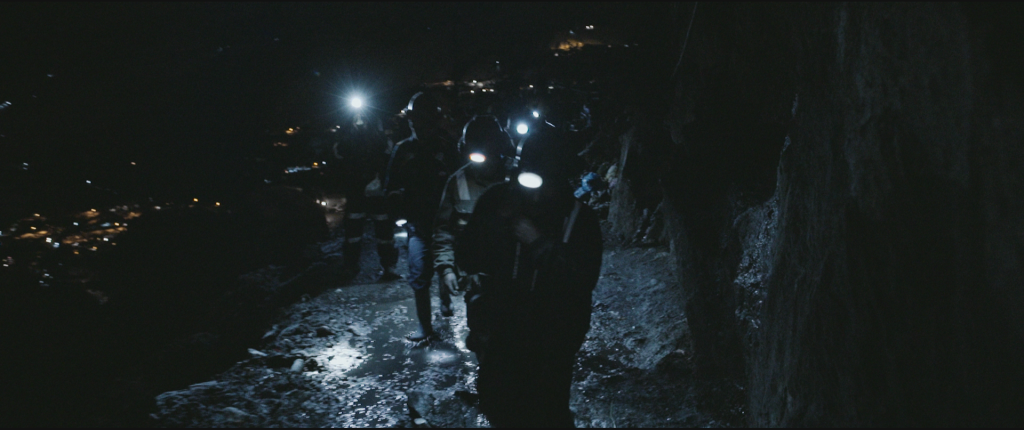
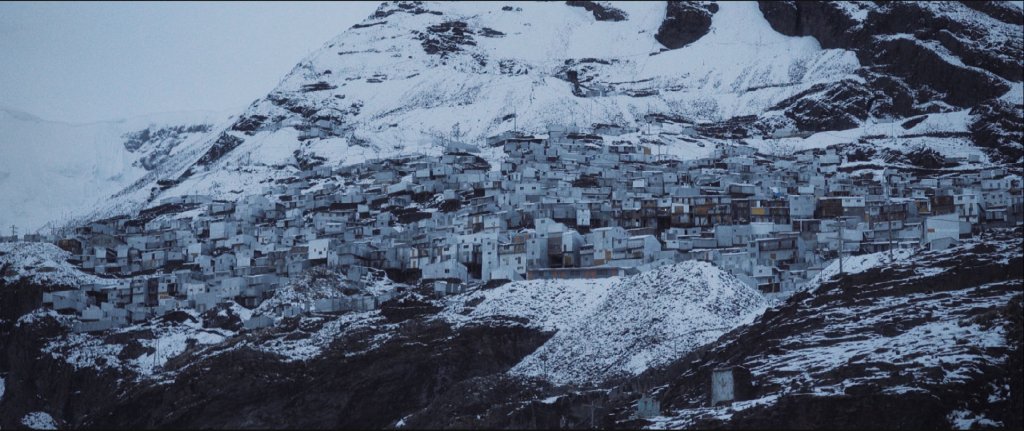
It is neither a gold rush, nor the prospect of quick wealth, but the hope to alleviate misery is driving people to the mining site La Riconanda, the highest situated settlement in the world. At 5000 meters above sea level in the Peruvian Andes Mountains, workers graft with their modest tools under preindustrial production conditions. The ones above ground are exposed to adverse weather, the ones underground accompanied by the fear of being buried, should the pit cave in. Only the intoxication with coca keeps reality at bay.
Lamas translates the implacability of circumstances into a nearly one hour opening sequence, whose perspective is static but nonetheless streaked by a lot of movement. Similar to a hidden object picture, hundreds of unrecognisable mineros crest a mountain slope, surrounded by darkness, only lit by the glow oft their helmet lamps. The monotony of the maelstrom is attributed with accounts of workers, snippets, jingles and reports of accidents from the miner’s radio station.
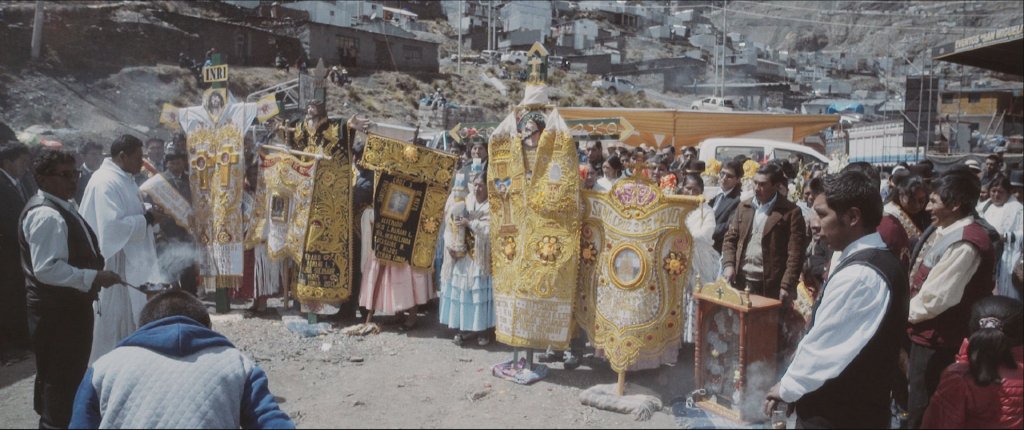
This piece of rigorous documentary is followed by the expressive barrenness of images displaying sad attle heaps, unionists meeting in blowing snow and the village community finally meeting in a colourful and noisy celebration.
21 April 20, 10 pm – Schaubühne Lindenfels – € 6,5 (5,5 red.)
Excerpt
GER/AUT 2019, Director: Thomas Heise, Director of Photography: Stefan Neuberger, Montage: Chris Wright, GMFilms, DCP, Originalversion (deutsch), 218′
In a long exchange of letters between Berlin and Vienna, the upcoming deportation announces itself. The images show the meticulous deportation lists of Nazi bureaucracy. When the correspondence falls silent, we hear Marika Rökk’s grotesque Nazi pop song “Mach dir nichts daraus”. HEIMAT IS A SPACE IN TIME is a collage of filmmaker Thomas Heise’s intellectual family’s legacies. A composition of text documents, film records and photographs of four generations. The story is about love, attachment, selfassertion and political ideals – against the backdrop of the political upheavals of the 20th century. Correspondences and diary entries take our eyes – and first and foremost our ears – on a journey extending from German Empire to Weimar Republic, to National-Socialism, to divided Germany up to the present. Archive material and present-day footage are shown. Then, in black-and-white, the camera glides through abandoned placed and rooms estranged by time. Here, home is not just a romantic place, but the matter which sparks inner and outer fights of involved parties. Individual history cannot be separated from community. The film does not seek to retell stories. Instead, it shows how biographies emerge.
In the presence of Thomas Heise
22 April, 4 pm – Schaubühne Lindenfels – € 8 (7 red.)
Excerpt
The GEGENkino team is back!
The next edition of our festival will take place from the 11th to the 22nd of April.
You can expect a very special program this time …
Dear GEGENkino friends!
We’ve created a wonderful pre-festival event for you: Two rare 35 mm copies of The Love Witch and Viva by experimental filmmaker Anna Biller are touring the country these days, and on their way they are going to stop by in our beloved LURU cinema in Leipzig on the 1st November 2018 at 7 PM.
| 01 NOV 2018 Luru-Kino | GEGENkino presents |
| 7 PM | VIVA USA 2007. R: Anna Biller, D: Anna Biller. Jared Sanford, Bridget Brno. 120 Min. 35mm. OV |
| 9 PM | The Love Witch USA 2016. R: Anna Biller, D: Samantha Robinson, Gian Keys, Laura Waddell. 120 Min. 35mm. OV |
The Love Witch
USA 2016. D: Anna Biller, D: Samantha Robinson, Gian Keys, Laura Waddell. 120 Min. 35mm. OV
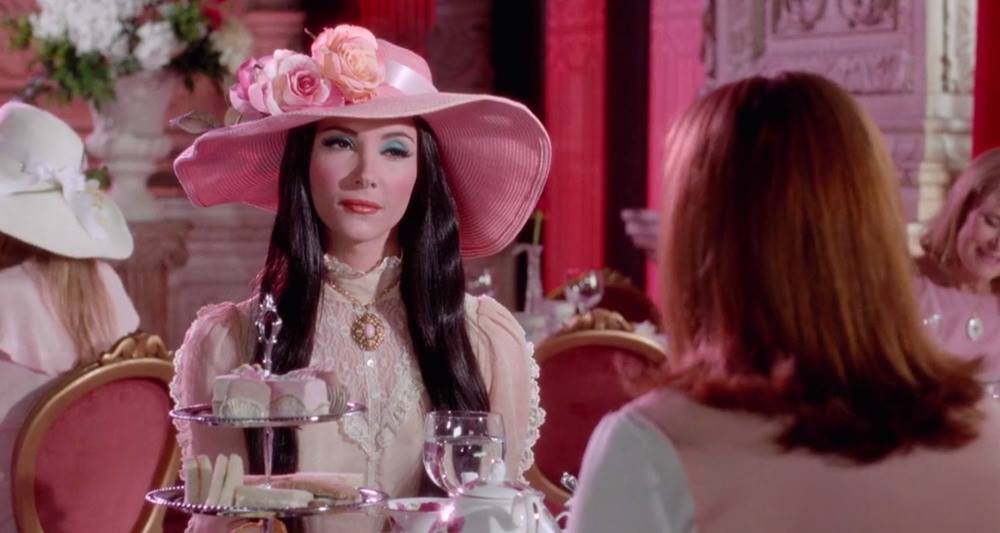
Elaine, a beautiful young witch, is determined to find a man to love her. In her gothic Victorian apartment she makes spells and potions, and then picks up men and seduces them. However her spells work too well, and she ends up with a string of hapless victims. When she finally meets the man of her dreams, her desperation to be loved will drive her to the brink of insanity and murder. With a visual style that pays tribute to Technicolor thrillers of the 1970s, THE LOVE WITCH explores female fantasy and the repercussions of pathological narcissism.
VIVA
USA 2007. R: Anna Biller, D: Anna Biller. Jared Sanford, Bridget Brno. 120 Min. 35mm. OV
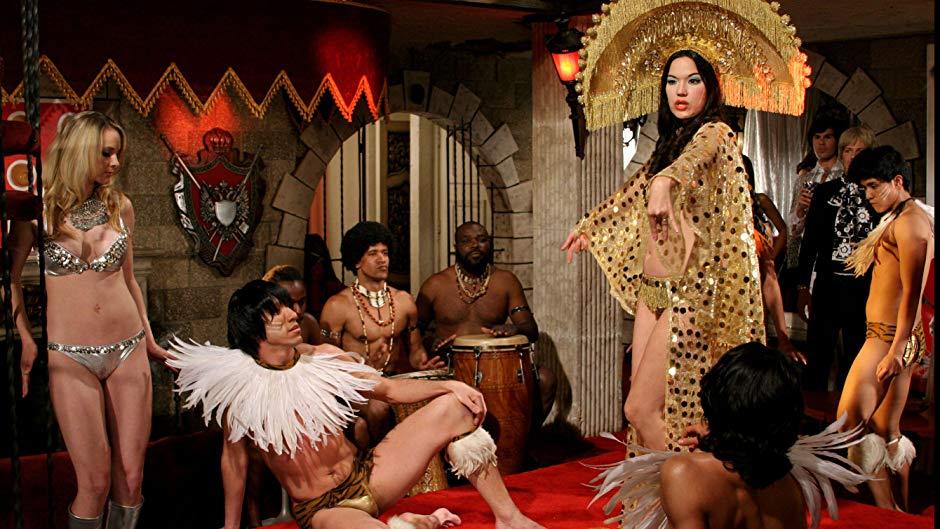
Two suburban couples get sucked into the sexual revolution in 1972 Los Angeles. Abandoned by her husband, Barbi is dragged into trouble by her girlfriend, who spouts women’s lib as she gets Barbi to discard her bra and go out on the town. Barbi becomes a Red Riding Hood in a sea of wolves, and quickly learns a lot more than she wanted to about nudist camps, the hippie scene, orgies, bisexuality, sadism, drugs, and bohemia. Saturated to the hilt with vibrant color and exquisite period detail, and full of the kind of innocent nude romps you see before censorship codes lifted, VIVA looks like a lost film from the late ‘60’s, and is a tribute to the best of exploitation cinema.
See you soon!
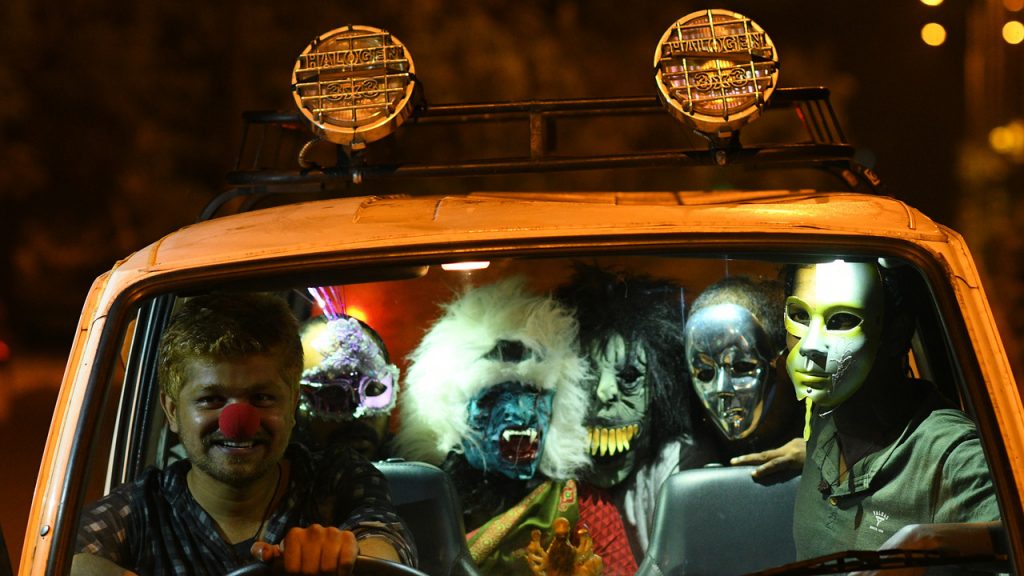
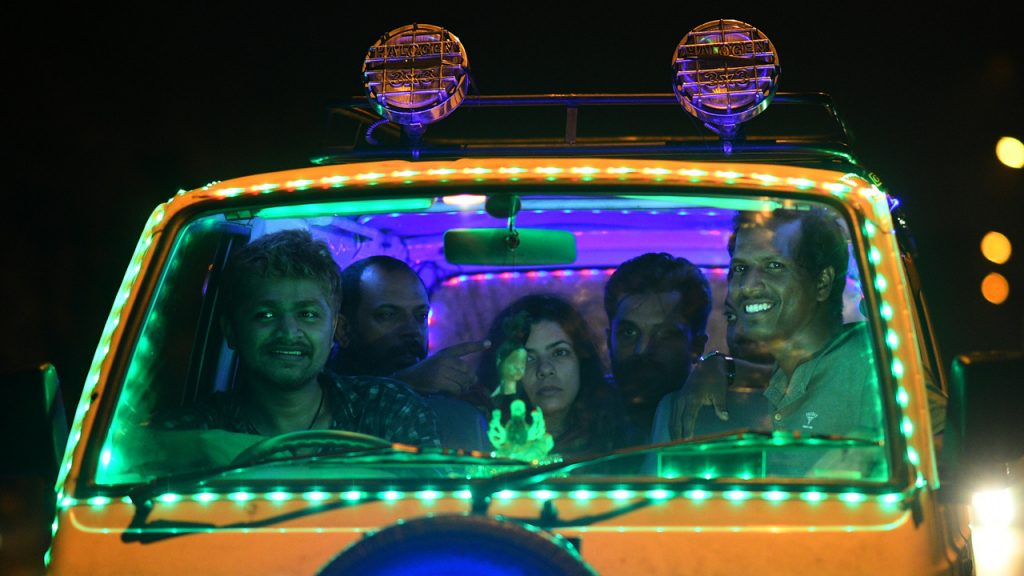
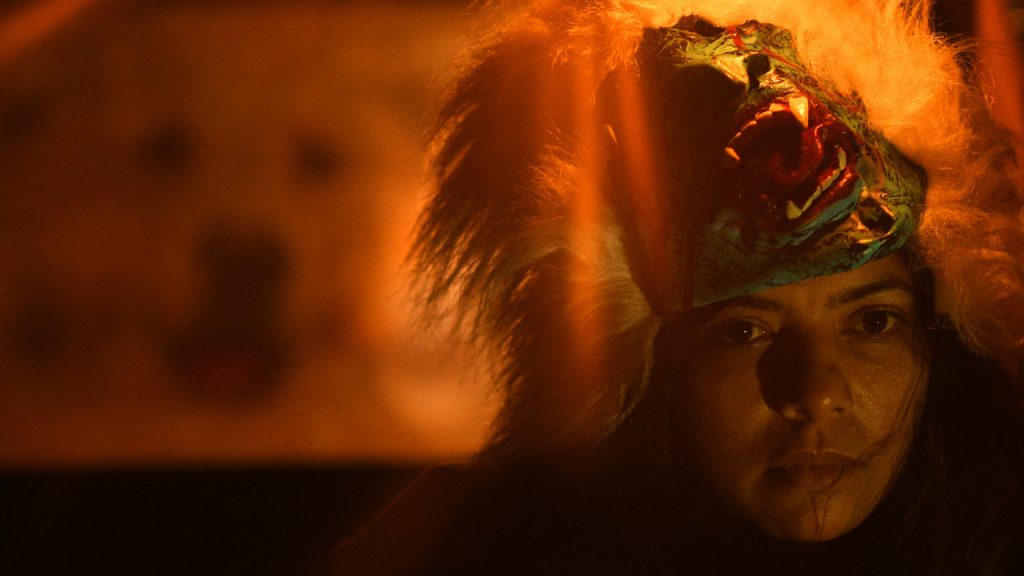
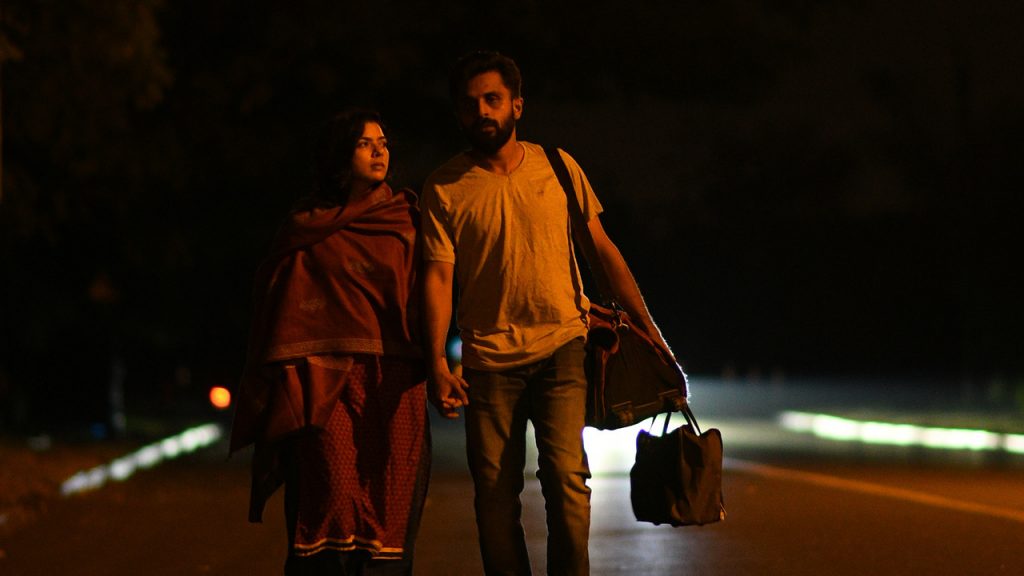
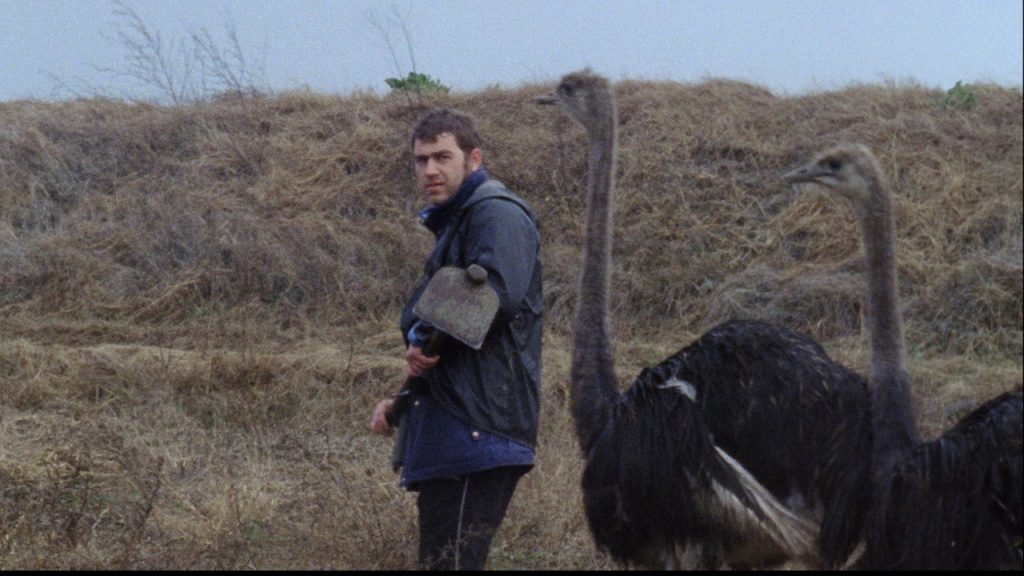
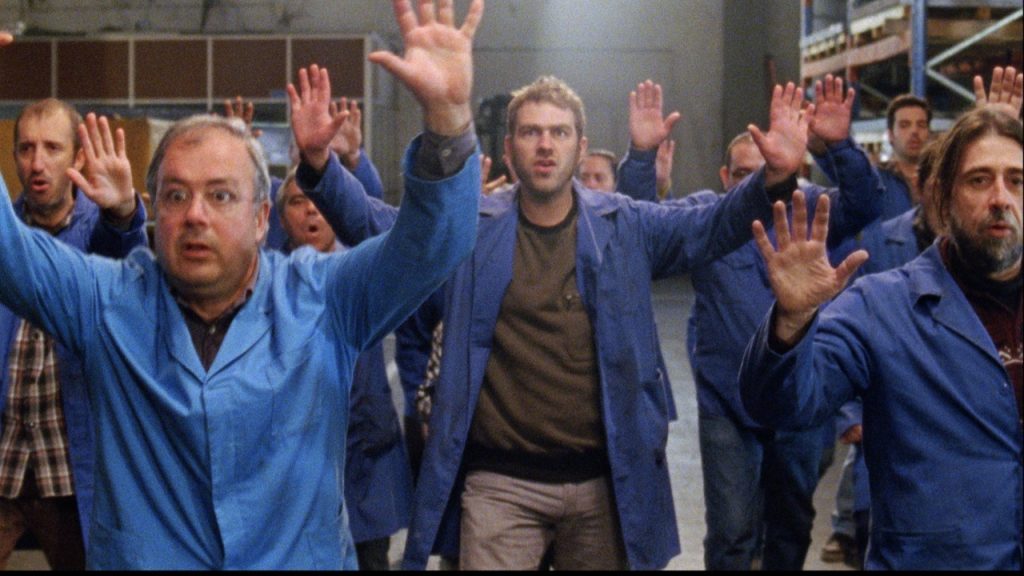
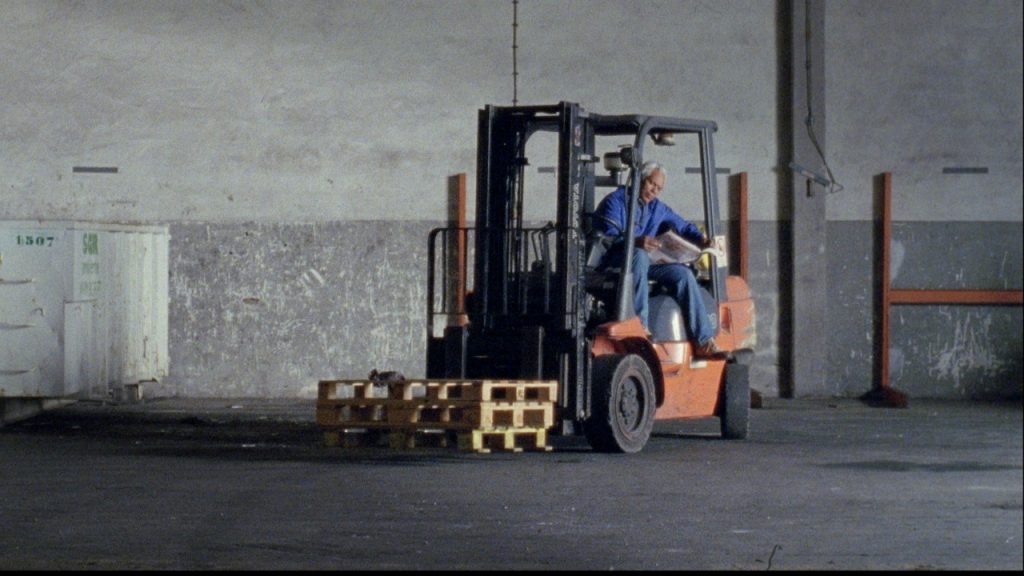
Oh, the end is drawing near! Today is the last day of this year’s GEGENkino festival and we hope you had some inspiring, insightful and/or intense moments. Thank you all! We’ll close off the festival with two feature films and one short film as part of our programme section “HOW TO RESIST…”: At 6pm at Schaubühne Lindenfels, we’ll screen Sanal Kumar Sasidharan hitchhike/road trip/odyssey film SEXY DURGA, in which “Sasidharan reflects Indian independent cinema’s emerging feminist moment”as some commentators have it. There’ll be an opening film to SEXY DURGA that is JODILERKS DELA CRUZ / EMPLOYEE OF THE MONTH by Carlo Francisco Manatad, one of the most interesting young directors from the Philippines, whose film scene seems to really flourish right now. At 8pm then, finishing off our festival, there’ll be a screening of the Portuguese proletarian strike film THE NOTHING FACTORY by Pedro Pinho – another film that, in portraying a group of factory workers’ struggle for the protection of their job and existence, blends fiction film and documentary in very unique way. (Shot on one of our favourite materials: 16mm!) We hope to see you all again today!
Sun 15 April 2018 @ Schaubühne Lindenfels
6 PM SEXY DURGA (IN 2017, D: Sanal Kumar Sasidharan 85’ OV w/ English subtitles) + opening film: JODILERKS DELA CRUZ / EMPLOYEE OF THE MONTH (PHL/SGP 2017, D: Carlo Francisco Manatad 13’)
8 PM THE NOTHING FACTORY (PT 2017, D: Pedro Pinho 177’ OV w/ English subtitles)
| Sun 15 April 2018 Schaubühne Lindenfels | HOW TO RESIST… |
| 6 PM | SEXY DURGA (IN 2017 D: Sanal Kumar Sasidharan 85’ OV w/ English subtitles) + opening film: JODILERKS DELA CRUZ / EMPLOYEE OF THE MONTH (PHL/SGP 2017 D: Carlo Francisco Manatad 13’1 |
| 8 PM | THE NOTHING FACTORY (PT 2017, D: Pedro Pinho 177’ OV w/ English subtitles) |
SEXY DURGA
IN 2017, D: Sanal Kumar Sasidharan, A: Rajshree Deshpandey, Kannan Nair, Vishnu Vedh, OV with English subtitles, 85’, DCP
At the beginning: white text on black ground. An episode from the epic
poem Ramayana tells the mutilation of the Shurpanakha by Rama’s
half-brother Lakshmana. The black fades out and merges into the feast of
Garudan Thookam in south Indian Kerala, where the bloodthirst of Kali,
an embodiment of the deity Durga, is to be ritually quenched. Bodies are
going into ecstasy, hooks into human skin, masculinity is performed,
mobile phones are filming. Thenchange: a road at night. The young couple
Durga and Kabeer want to get away. She’s a Hindu from the north, he’s a
Muslim from the south. A minibus stops, they get in. SEXY DURGA lets
one experience the attitude and atmosphere out of which sexual violence
could arise in public spaces. Moreover, the attribution of the film’s
title is an affront to religious hardliners. Durga, which is not
associated with a male god, is deeply worshipped in Hinduism. The
eroticised association is provocative, and a figure of that name, which
exposes the mechanisms of patriarchal oppression in a constricting way,
has been the reason for banning the film until recently. Sanal Kumar
Sasidharan deconstructs myths and social dynamics and at it, skillfully
works with expectations and anxieties. The camera is unleashed and free
throughout the film, its two protagonists are trying to follow suit.
Opening Film
JODILERKS DE LA CRUZ
PHL/SGP 2017, D: Carlo Francisco Manatad, A: Angeli Bayani, Ross Pesigan
OV with English subtitles, 13’, DCP
JODILERKS DELA CRUZ (EMPLOYEE OF THE MONTH) depicts an evening at a gas station. The last one of an employee who used to be motivated once. Now, there is only the endless and noisy traffi c, from which hardly anyone ever stops. With her arbitrary actions, the protagonist mirrors the society around her. An amusing, wicked potshot of a film.
15 April, 6 pm – Schaubühne Lindenfels – € 6,5 (5,5 red.)
THE NOTHING FACTORY
PT 2017, D: Pedro Pinho, A: José Smith Vargas, Carlo Galvão, Njamy Sebastião, 177’, OV with English subtitles, DCP
In the middle of the night, machine parts are stolen from an elevator factory. Immediately, the workers realize that the administration has planned this act of sabotage in order to elegantly disappear into the void of financial crisis while merely paying miserable severances at the most. Since a strike, especially if there is no work left, would remain ineffective, the workers turn their protest into an occupation, into a struggle for their right to work. At this point, THE NOTHING FACTORY begins its operation. On grainy 16mm material, Pinho stages bleak rooms as still lives. Framed within these, the workers persevere, play football and chess, and of course discuss empowerment and security issues inside of capitalist employment conditions. Gradually, the group thins out: some of them accept the dismal pay-offs offered in uncomfortable one-on-one conversations. Eventually, the bordeom of the hard core ends up in the performance of a peculiar musical choreography. Due to his reflection on Portugal’s socio-political reality, the film is inevitably reminiscent of classical 1970s strike films such as Petri’s THE WORKING CLASS GOES TO HEAVEN or Fassbinder’s miniseries EIGHT HOURS ARE NOT A DAY, yet it does not ever lose its sense of humor. The film’s self-referentiality, its even documentary context constitute its remarkable stance: nearly the entire cast actually does work in factories, a quirky filmmaker follows the action and there really has been a collectively managed elevator factory.
15. April, 18 Uhr – Schaubühne Lindenfels – € 6,5 (5,5 erm.)