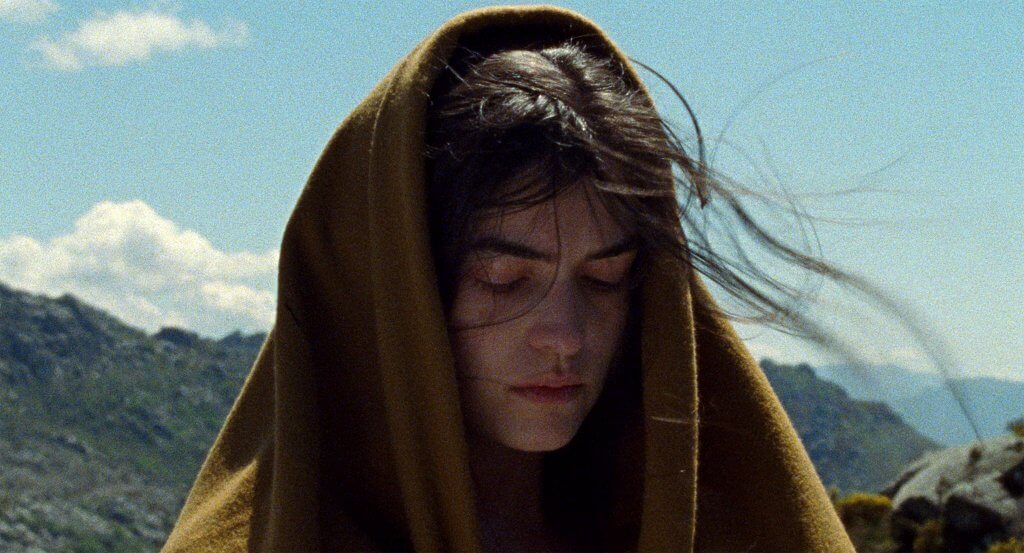
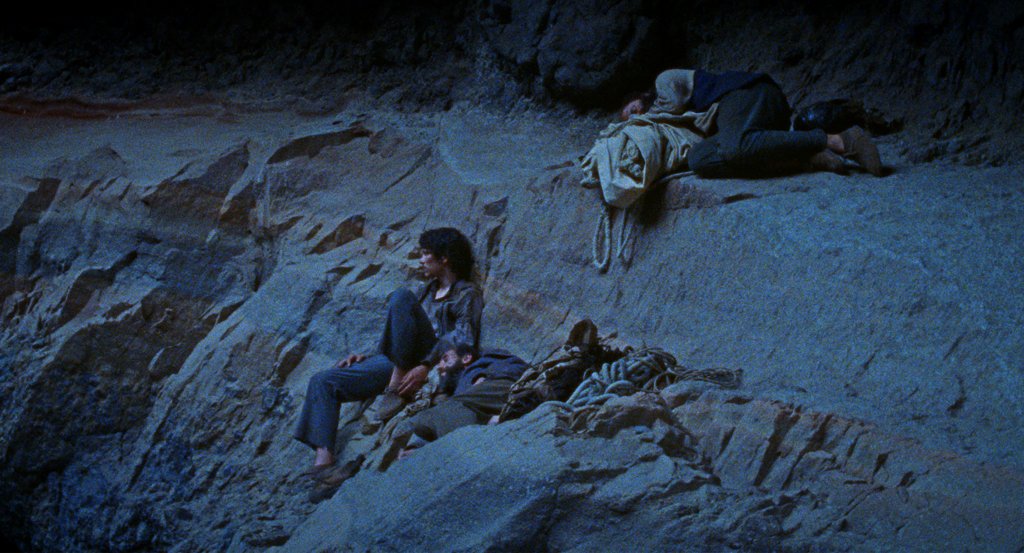
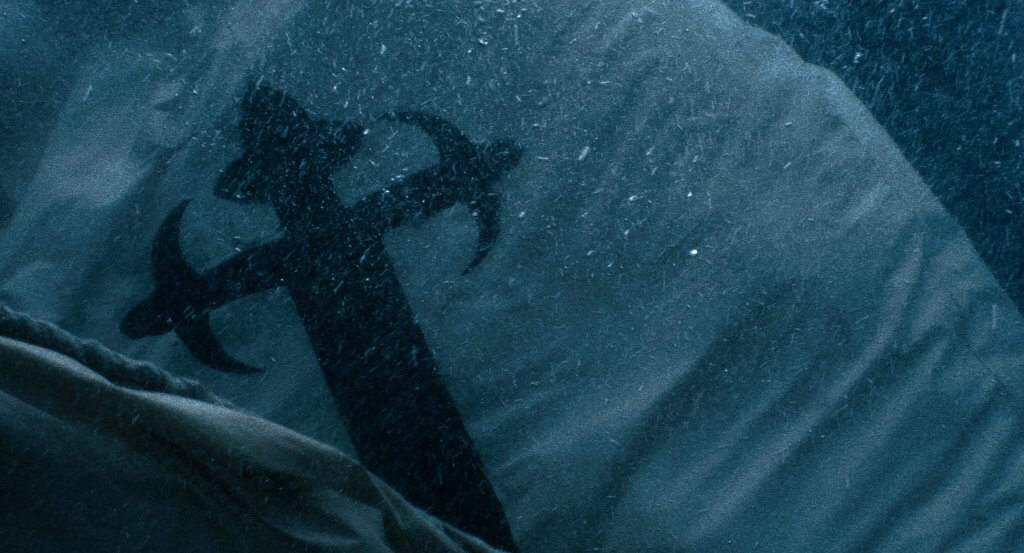
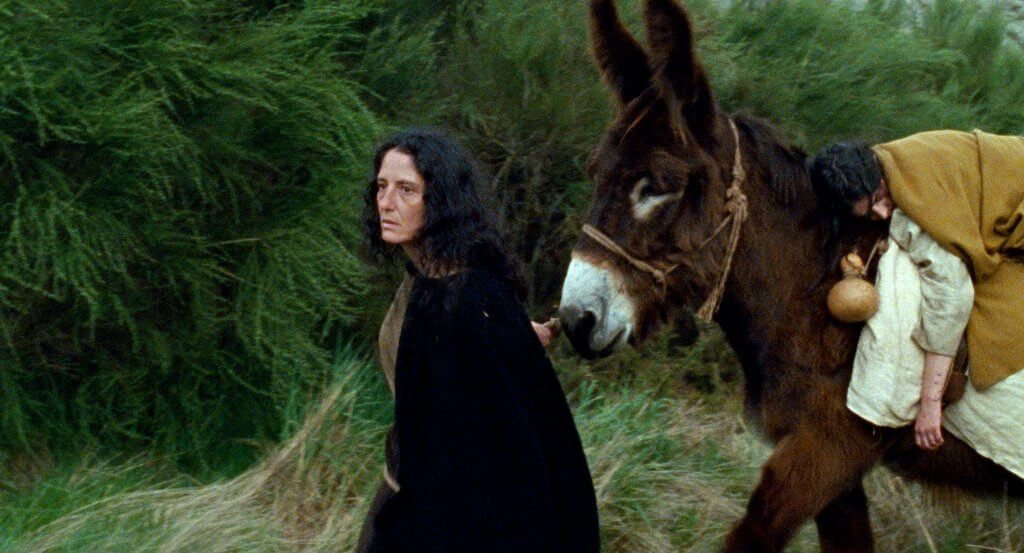
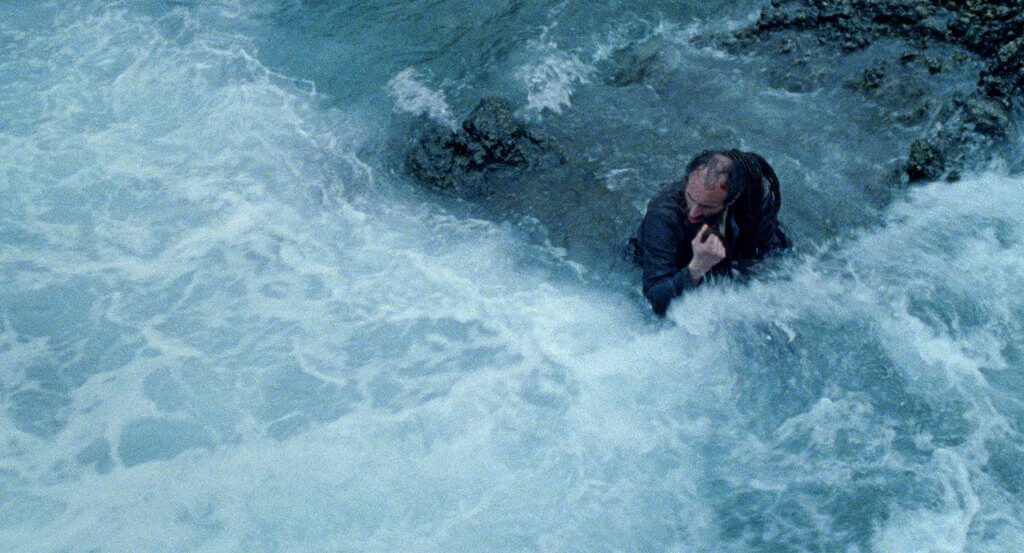
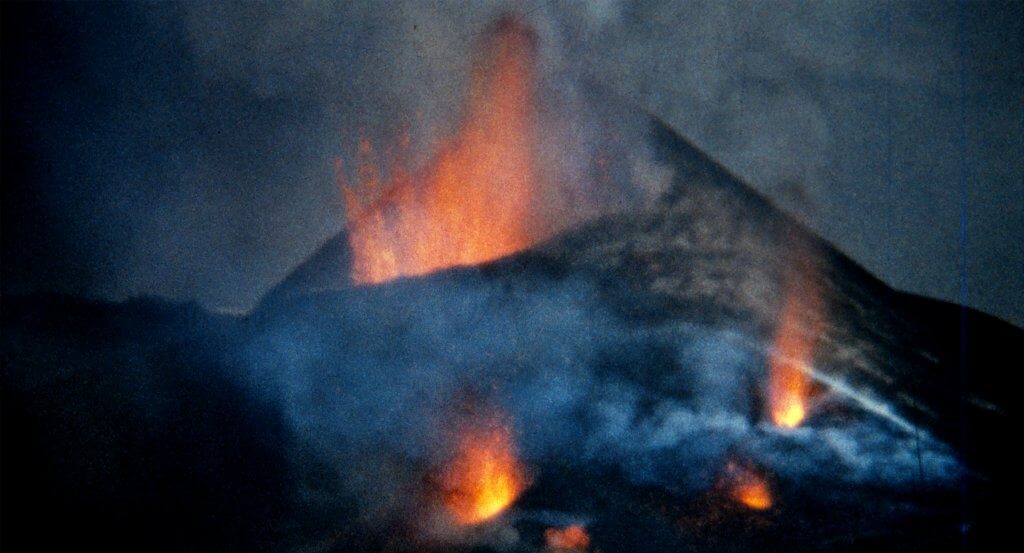
ES/CO 2021, D: Helena Girón, Samuel M. Delgado, A: Nuria Lestegás, Sara Ferro, Xoán Reices, Valentín Estévez, 75′, OV with English subtitles, DCP
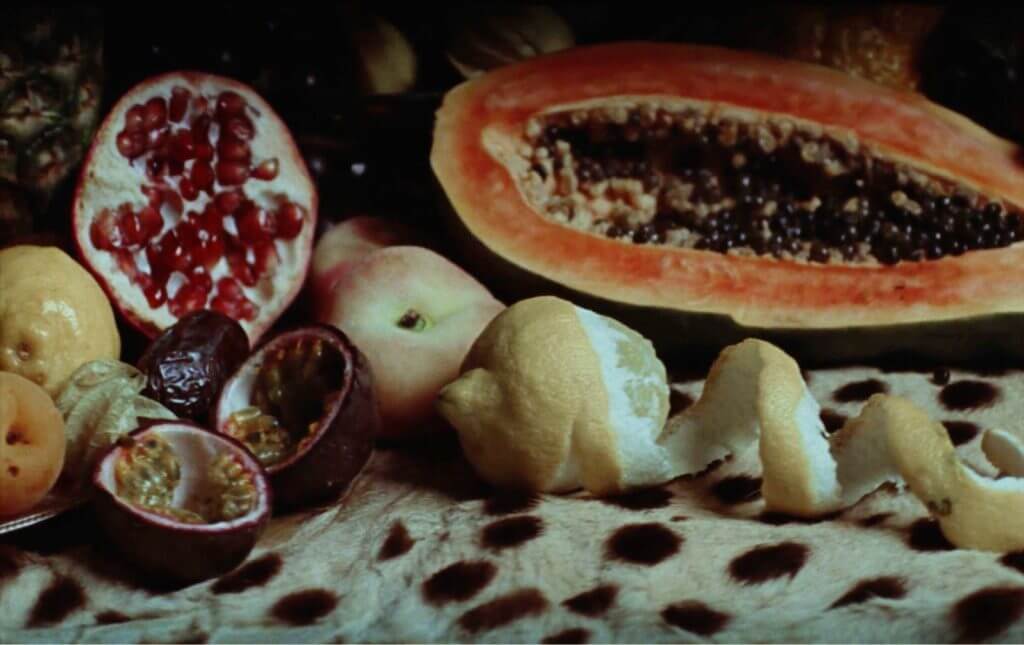
They carry death. And still try to escape it. On the Canary Islands, a group of convicts eludes the fleet of Christopher Columbus and flees with a giant sail across the volcanic solitude. Meanwhile in Galicia, a woman is rescued and brought to a healer by her sister. The figures are particles of a bigger cosmos, in which the sun is torturing, the wind is biting, the earth is belching out bloody rocks, the sea is looking for bodies that have been promised to it and the ships keep on carrying death – into the “New World”. How is history told? Who carries meaning? A vigorous contemplation about the fragility of history and the role of gender in it.
| Mon 12 Sept | Schaubühne Lindenfels |
| 7 pm | regular: 6,5€ / reduced 5,5€ |
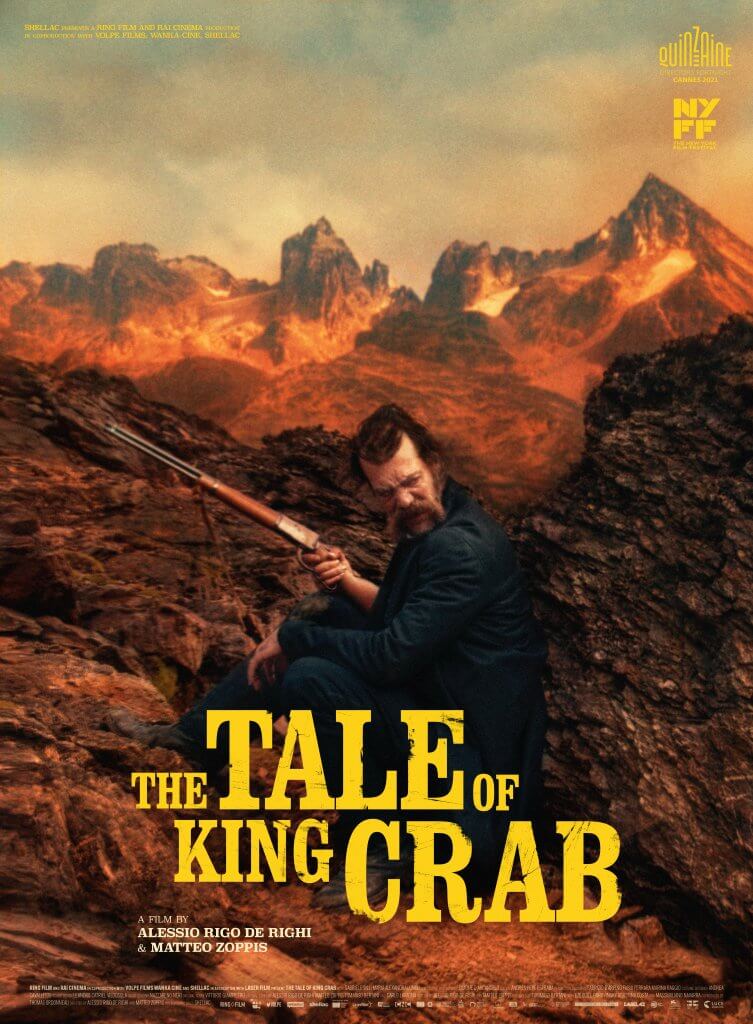
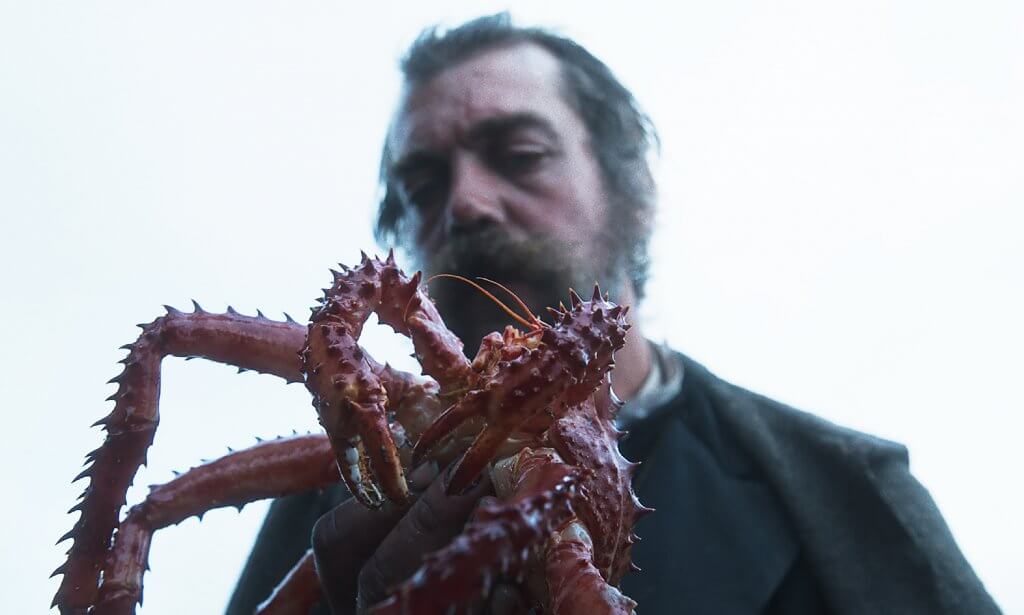
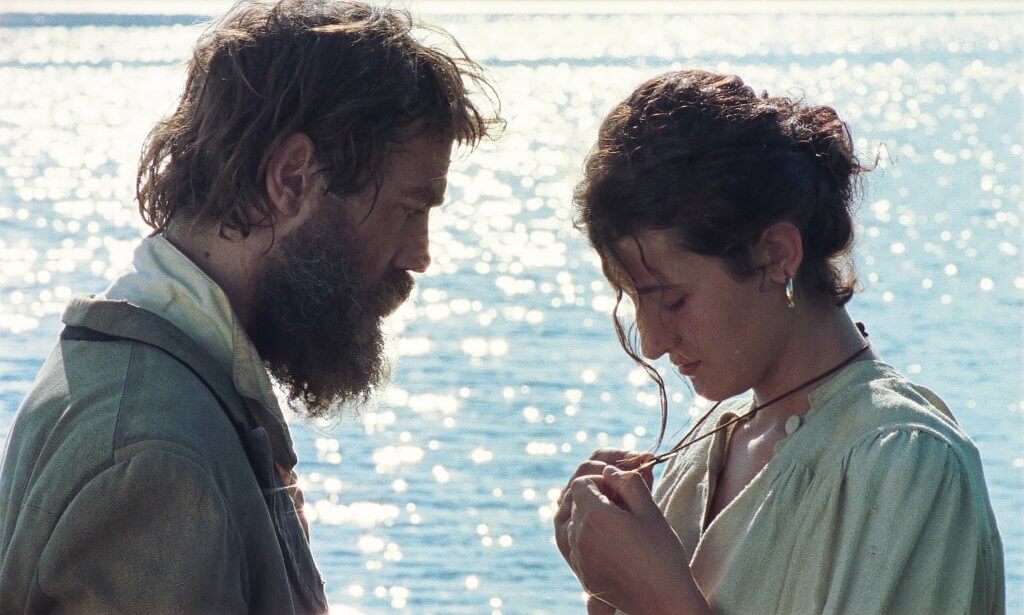
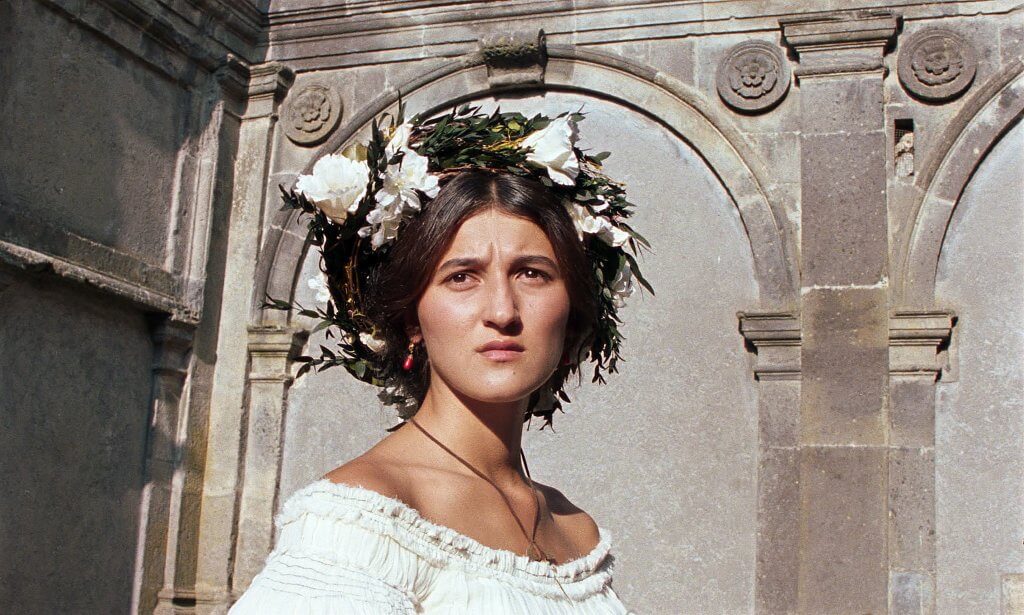
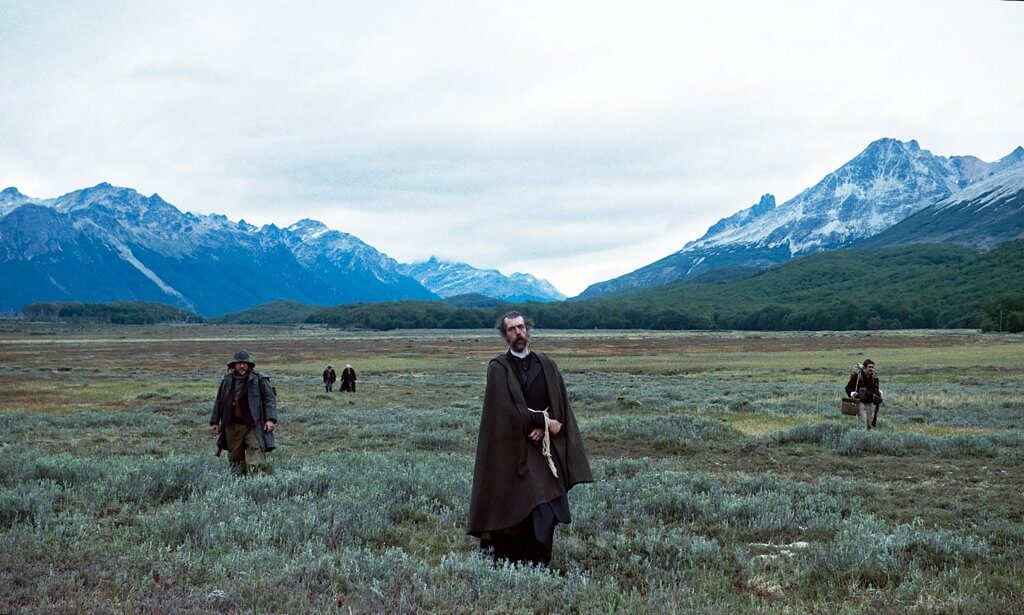
IT/AR/FR 2021, D: Alessio Rigo de Righi & Matteo Zoppis, A: Gabriele Silli, Maria Alexandra Lungu, Severino Sperandio, 106′, OV with English subtitles, DCP
Italy, today. A handful of older hunters with rugged faces gather for a meal in convivial company, telling each other stories of Luciano, a character of the local folklore. From this documentary setting, THE TALE OF KING CRAB leaps into the life of Luciano – or maybe better: a version of it. Luciano, it is said, was a man of the late 18th or early 19th century with a preference for alcohol and a woman from the village. After having committed a crime, he is exiled to Tierra del Fuego and there, sets off searching for a mythical treasure. Neo-realist charm, aesthetic resorts to a pre-industrial age, quirky western: in this, the stunning camera work playfully is on track of the fever dream that cinema has always been.
| Mon 12 Sept | Schaubühne Lindenfels |
| 9 pm | regular: 6,5€ / reduced 5,5€ |
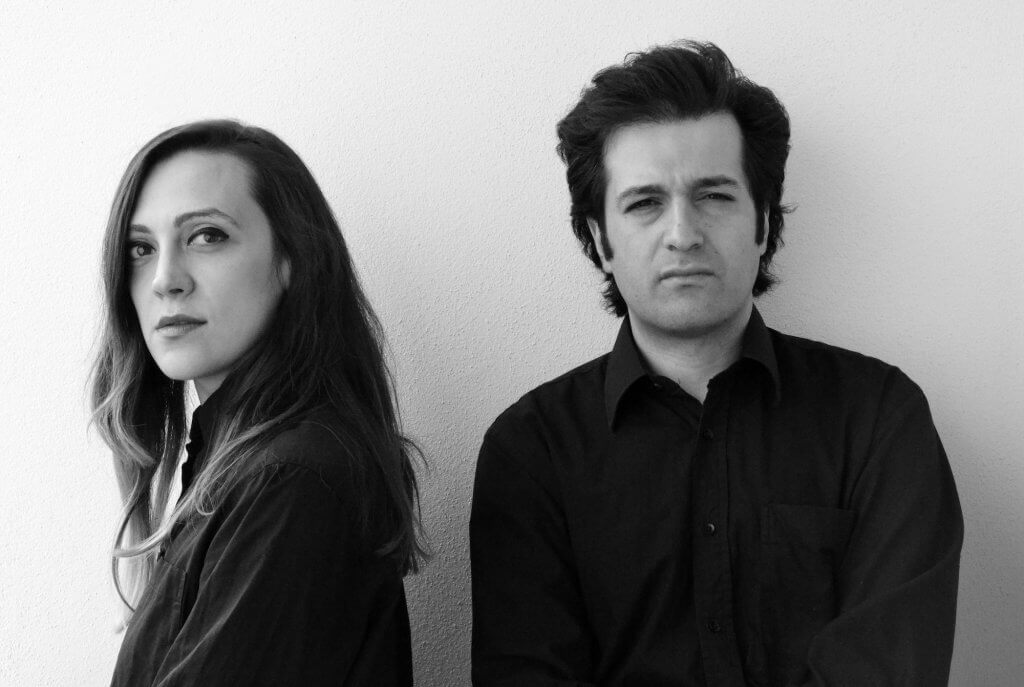
The duo Miriam Gossing and Lina Sieckmann create experimental works in the fields of film, photography and installative video art. Their works are shot on 16mm and subsequently digitized. The short films often use documentary content, frequently provided with a voice-over, the texts are based on interviews or forum entries. These texts – performed by professional narrators – enrich the static, human-emptied images with additional layers of meaning. Whether for the thematically arranged wedding altars on the highways of Nevada, the cloudy suburban idylls of Massachusetts, or the sedate cruise ships of Northern Europe: the stories and the tonalities of the narrators’ voices, accompanied by a sophisticated, not infrequently somber sound design, set a diffuse unease into the arrangements. In the process, the two artists question spaces about their relationships to human passions and obsessions.
| Sun 11 Sept | UT Connewitz |
| 7 pm | With video introduction by the filmmakers regular: 6,5€ / reduced 5,5€ |
SONNTAG, BÜSCHERHÖFCHEN 2


GER 2014, 13′, without Dialogue, HD
DESERT MIRACLES
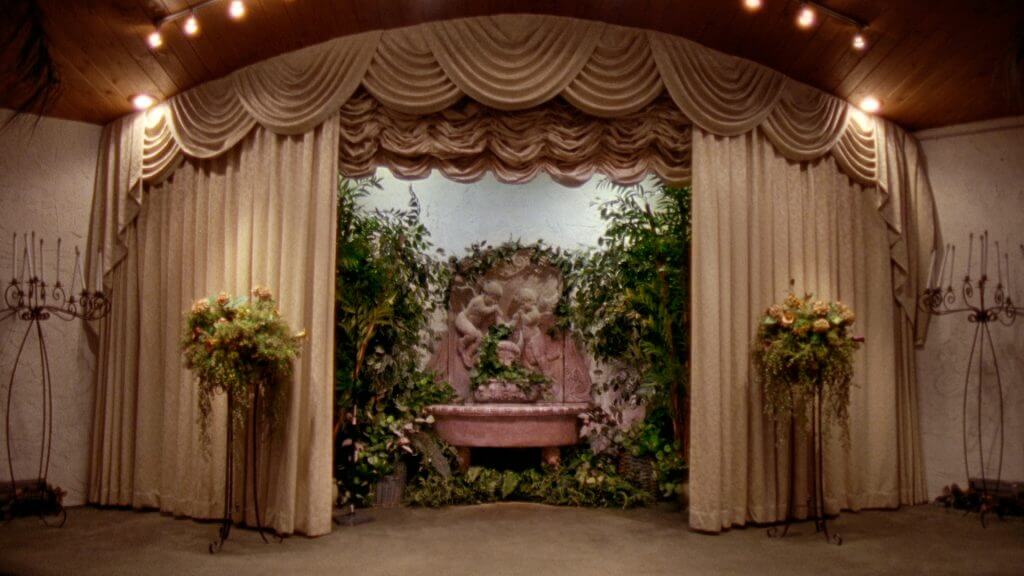
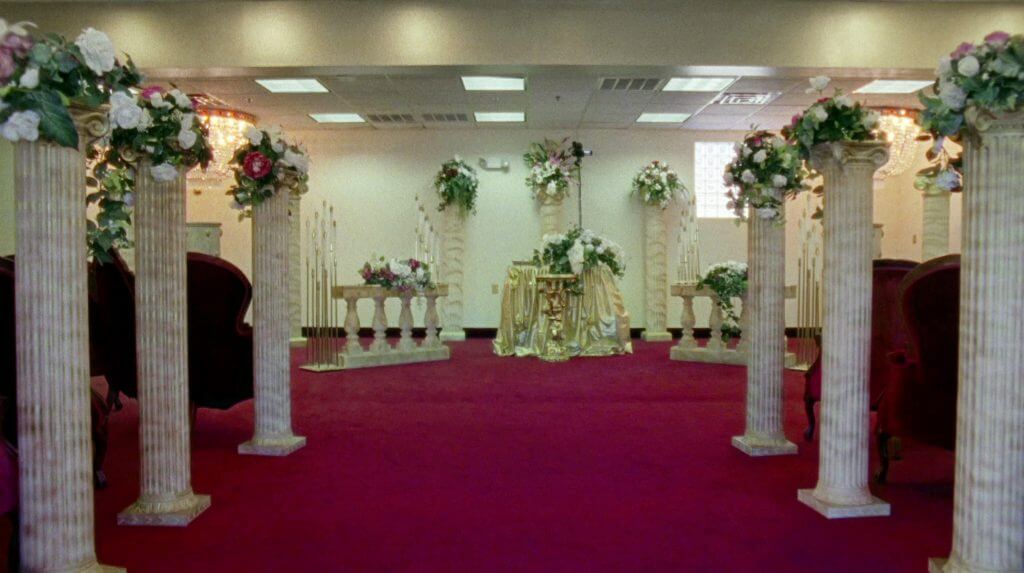
GER/US 2015, 12′, engl OV, HD
EDIFICE
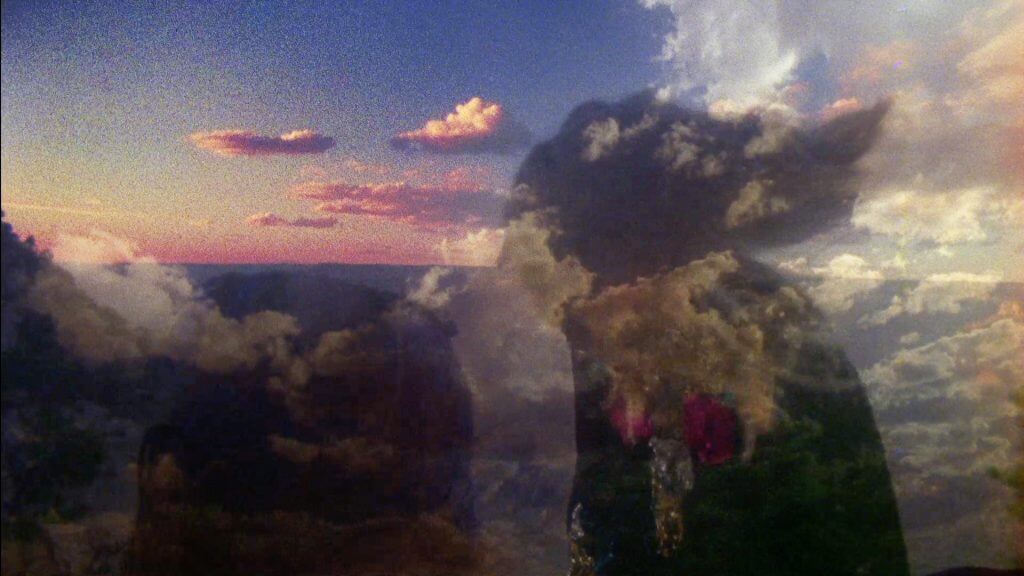
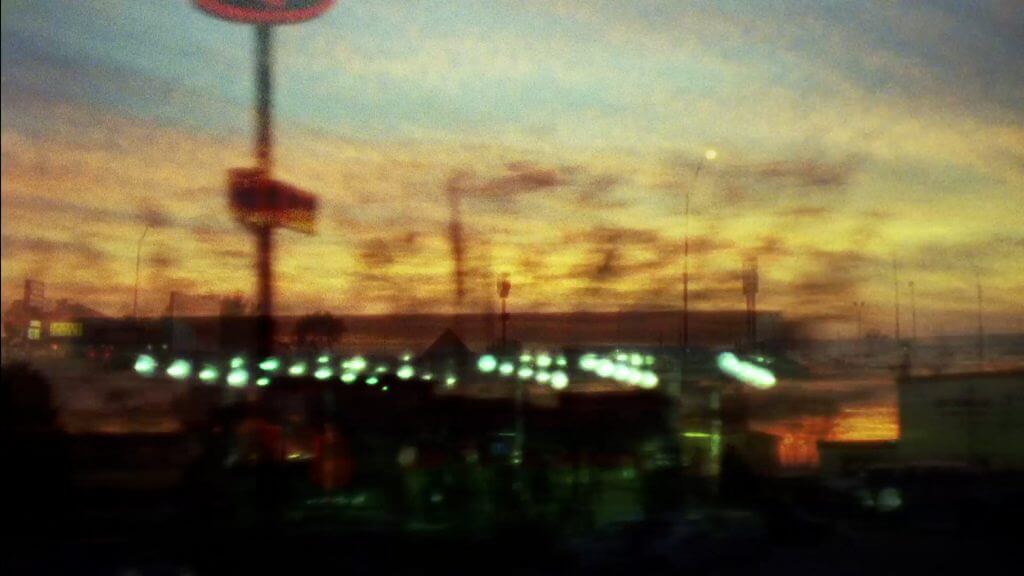
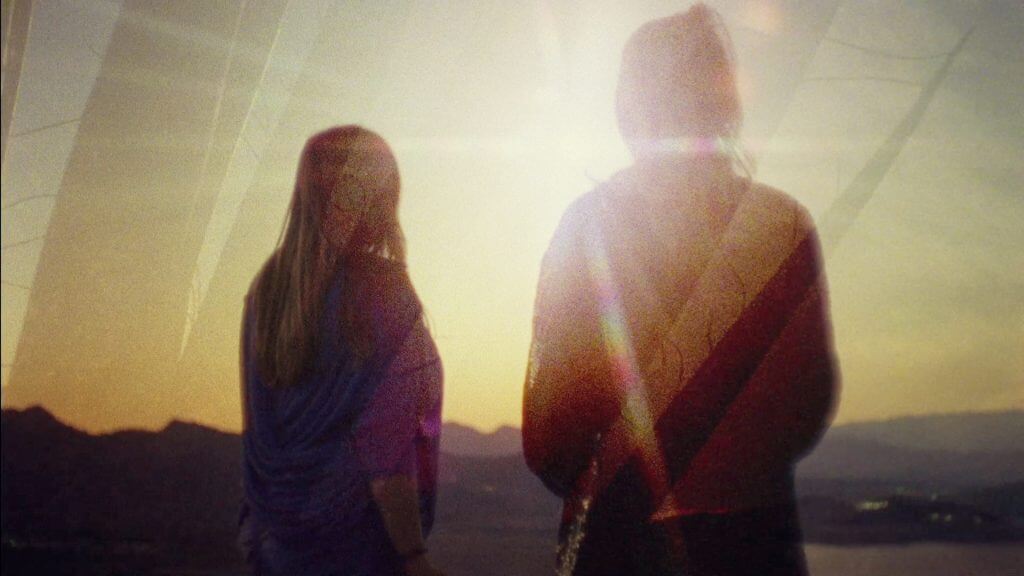
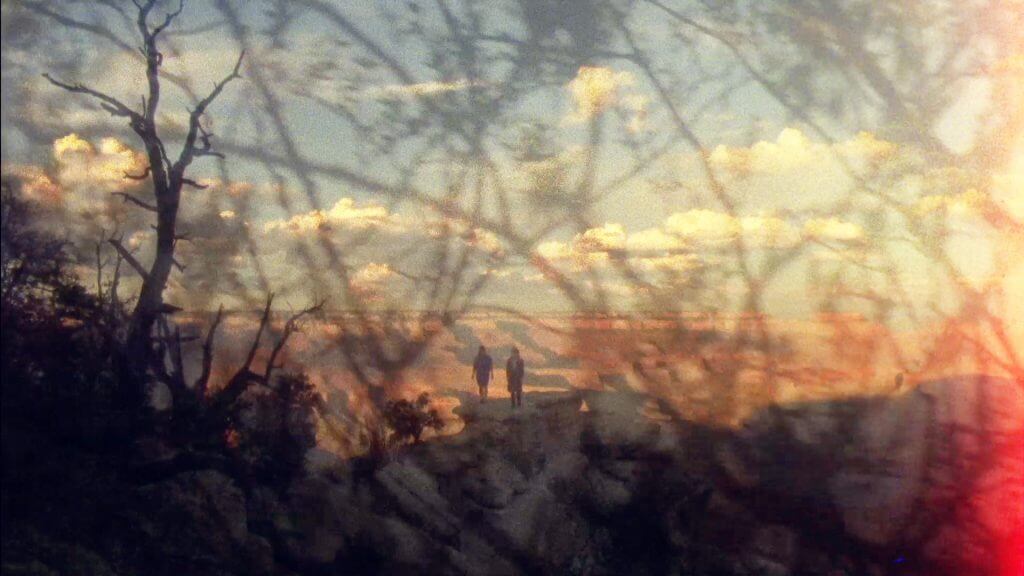
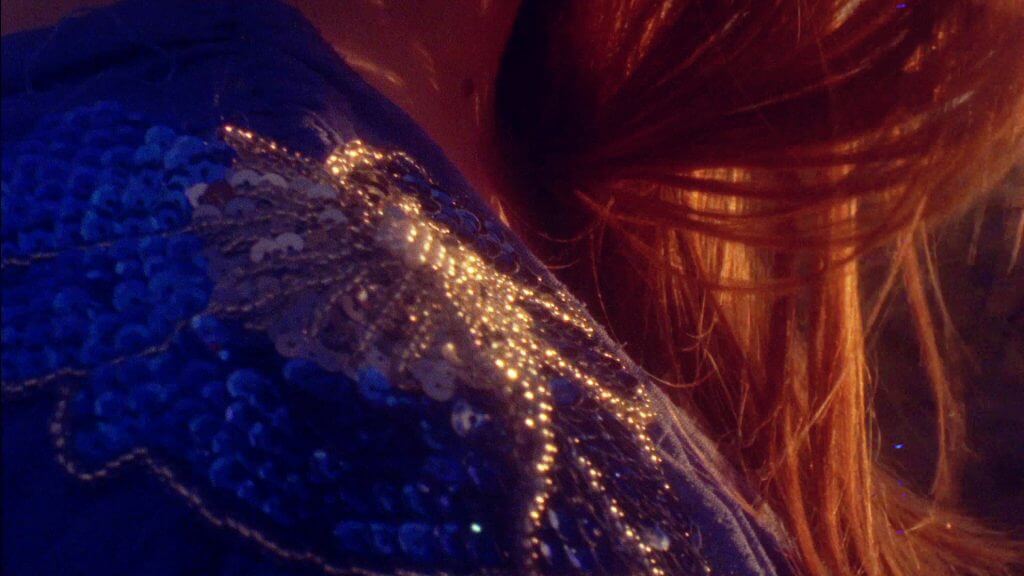
GER 2018, 4′, without Dialogue, HD
OCEAN HILL DRIVE
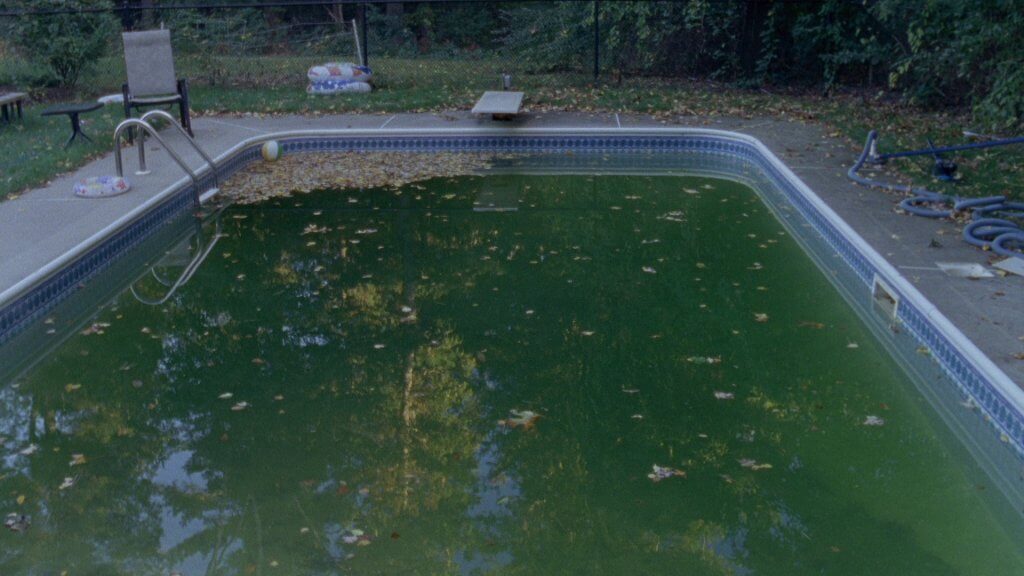
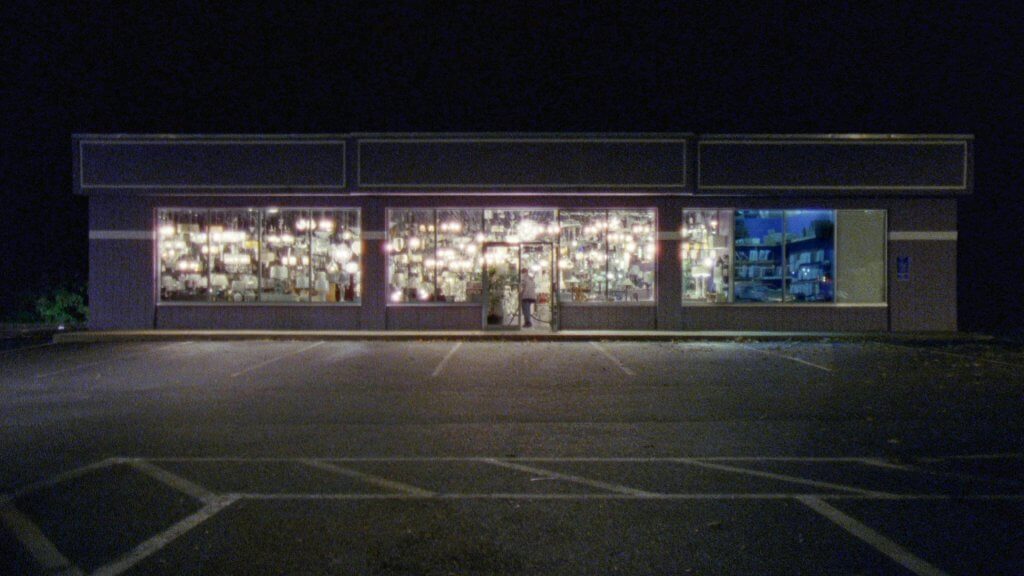
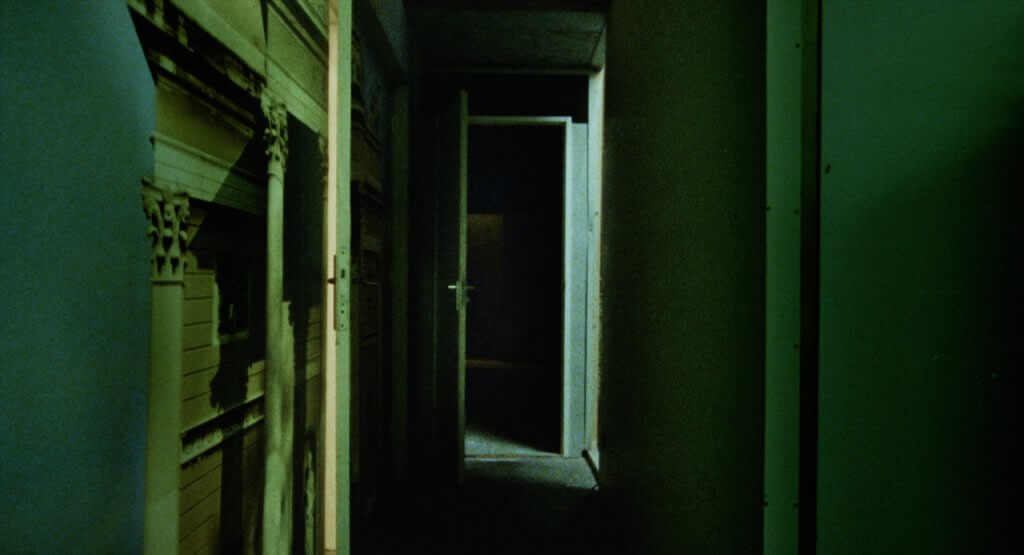
GER 2016, 21′, engl. OV, HD
ONE HOUR REAL
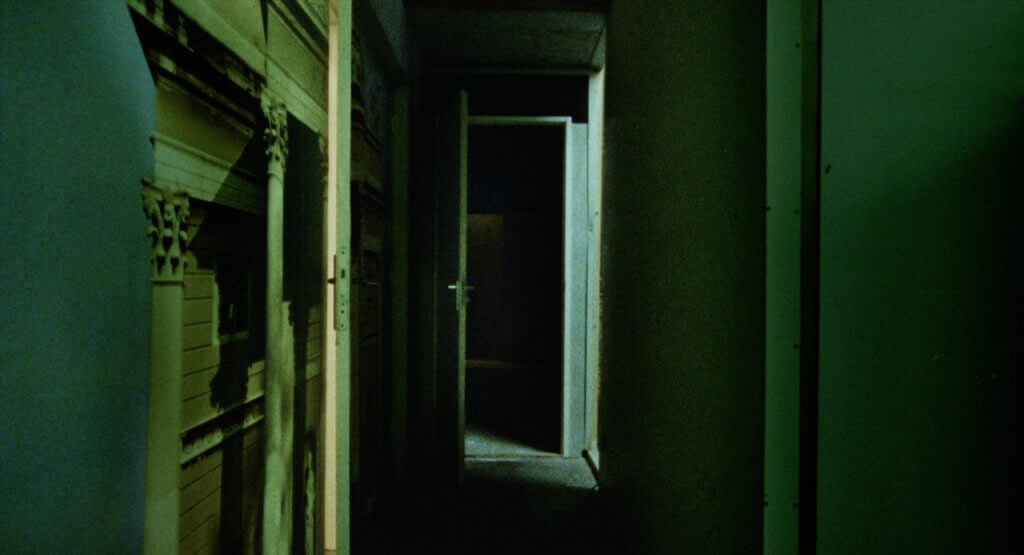
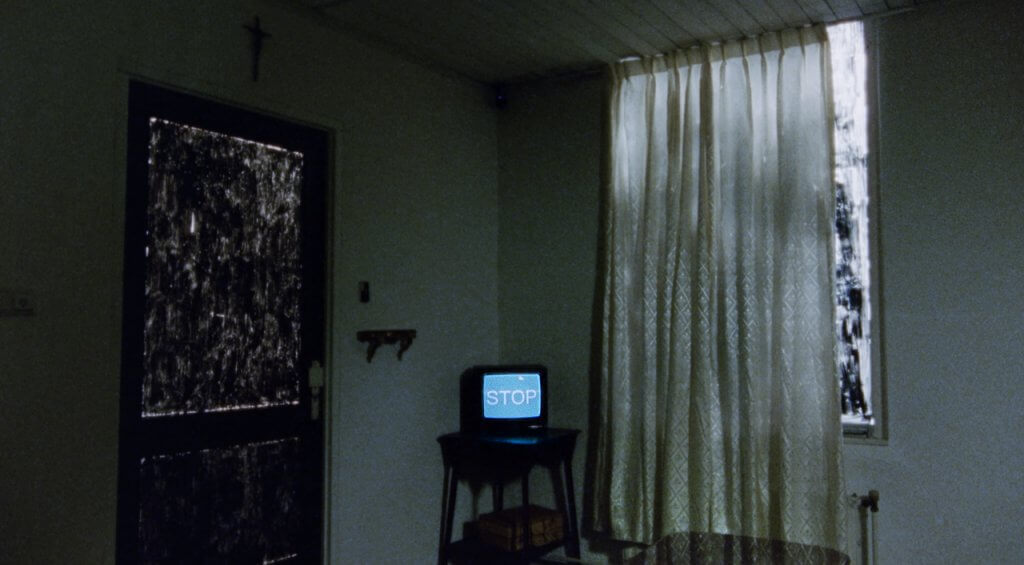
GER/NL 2017, 12′, without Dialogue, HD
CHINA LIGHT
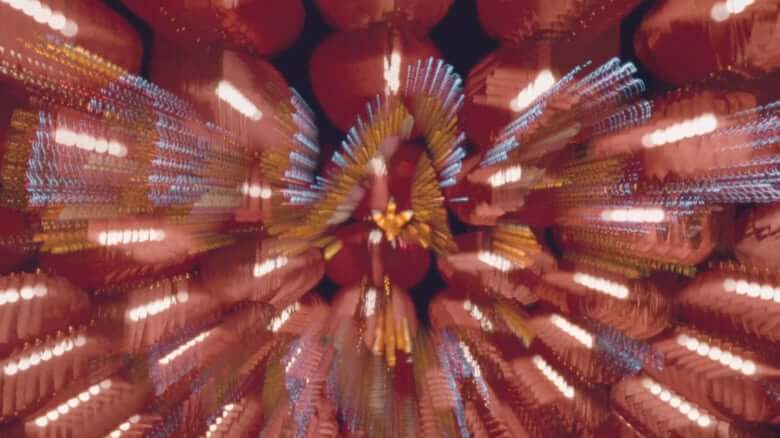
GER 2019, 4′ without Dialogue, HD
SOUVENIR
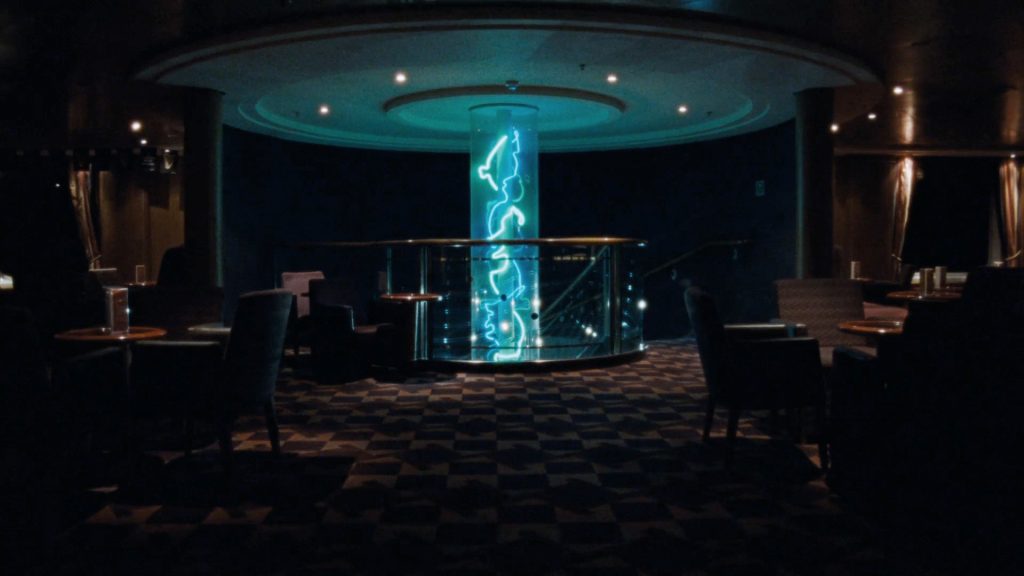

GER/NL 2019, 20′, engl. OV, HD
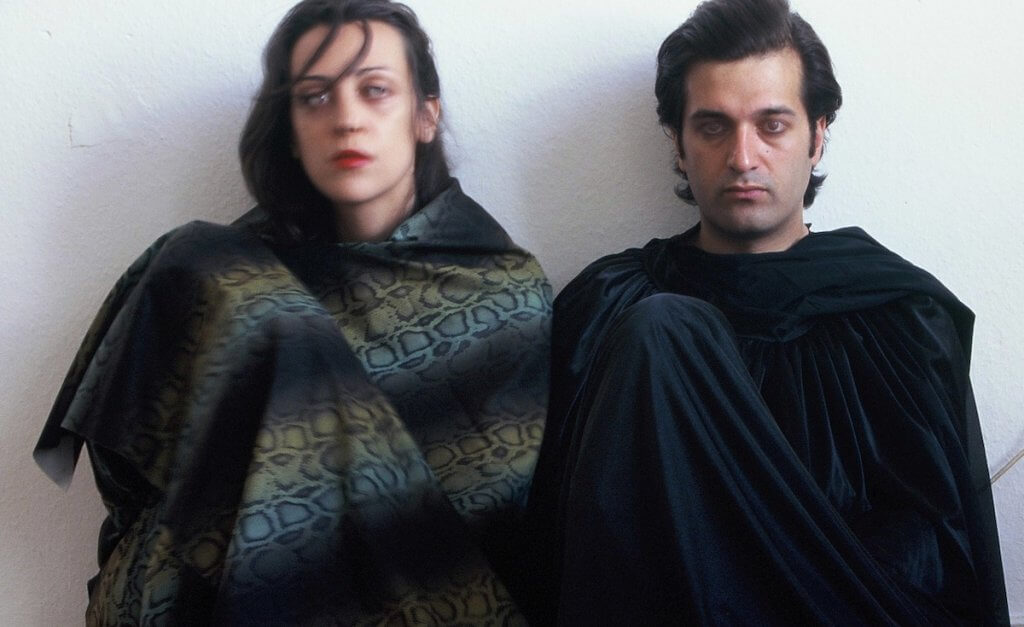
Living in Berlin since 2006, Brazilian film duo Melissa Dullius and Gustavo Jahn has been working as DISTRUKTUR on a cinematic corpus that is committed to forms of experimental language of analogue material, most notably 16mm. With a playful symbolism, their enigmatic works explore the underground scene of the German capital likewise to the winding alleys of Cairo and reflect not only the experience of diaspora but also describe film as a terrain of synthesis of diverse artistic influences like music, dance, stage design or performance art. Dullius and Jahn are founding members of independent LABOR BERLIN film collective, which has dedicated itself to ethics of autodidactic and DIY work all around analogue film material. In their working spaces, members can develop, cut and copy films. In addition, LABOR BERLIN offers workshops for interested people that deal with both chemical and physical and philosophical questions and function as a form of horizontal transfer of knowledge beyond academia.
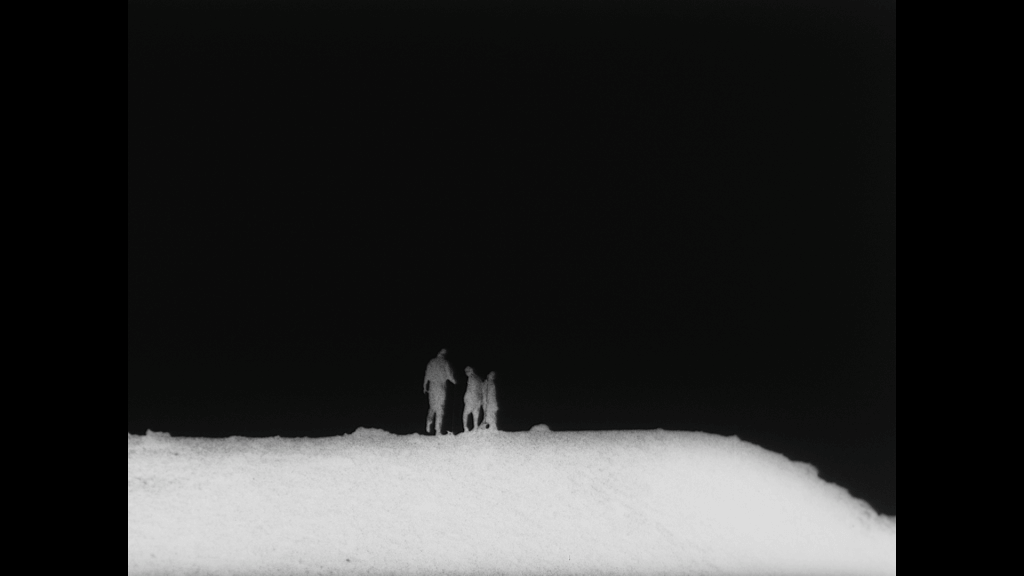
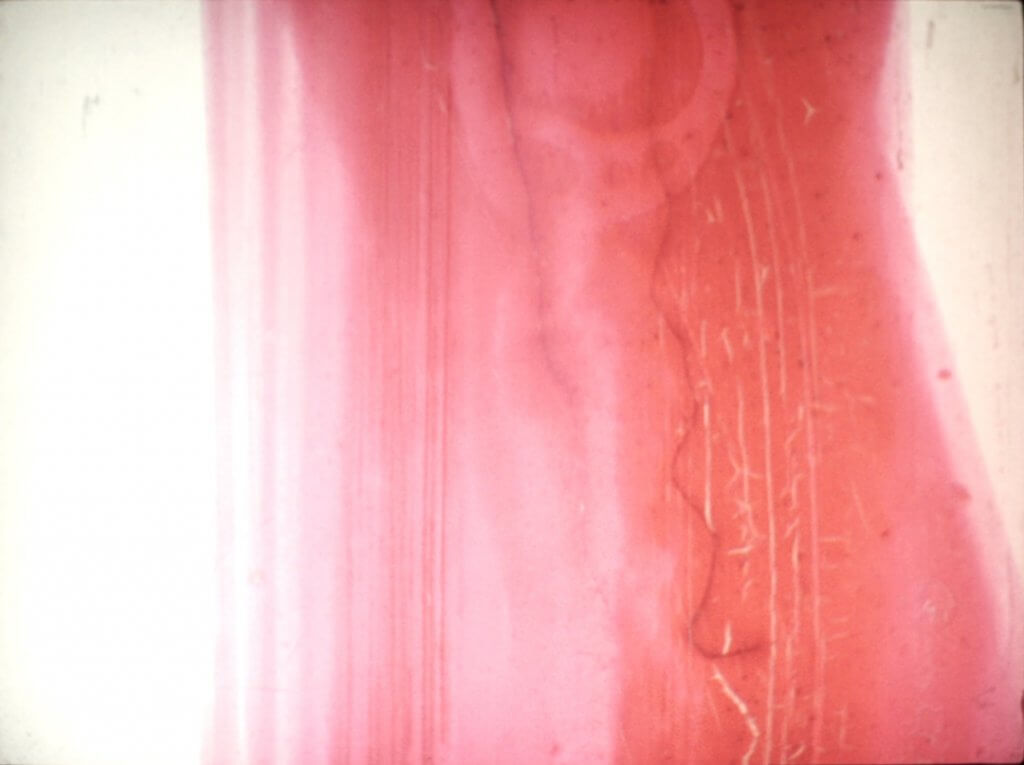
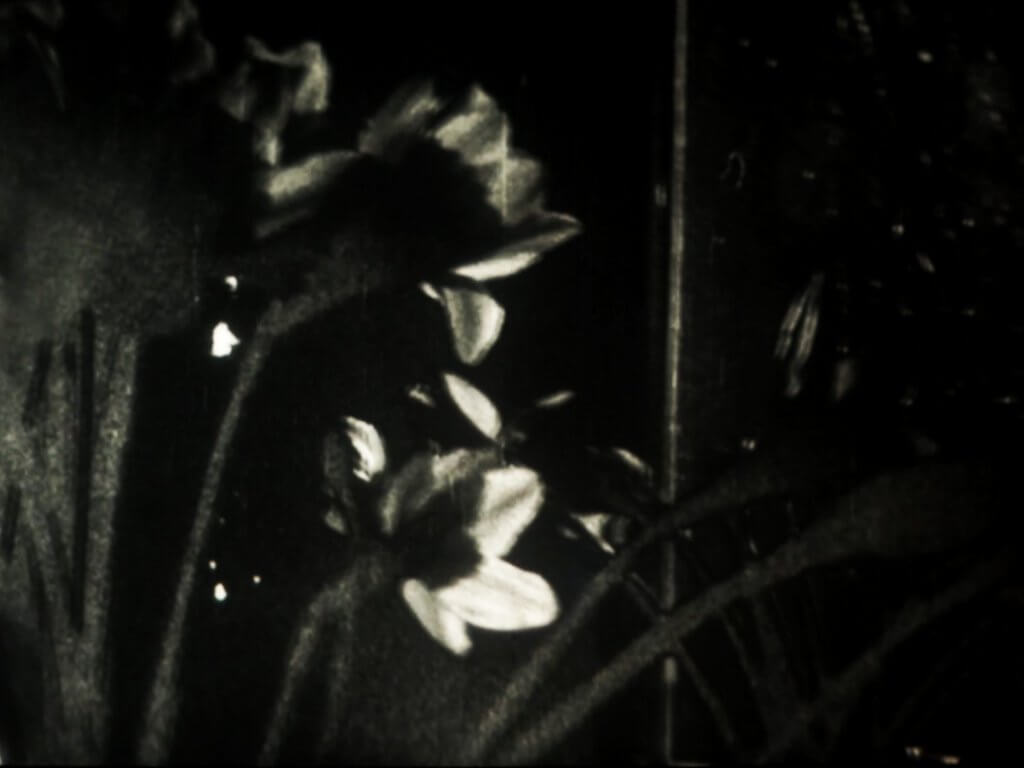
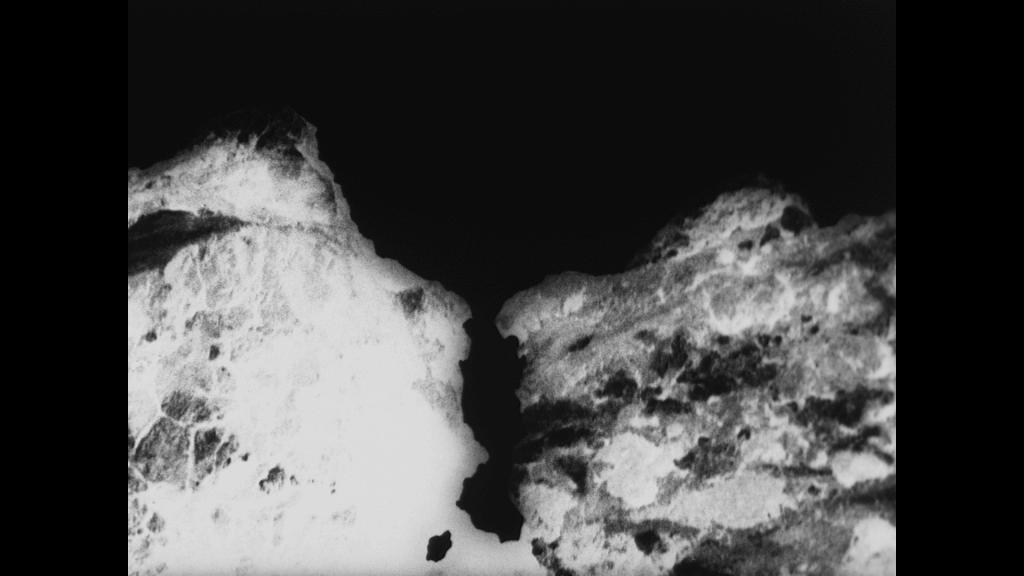
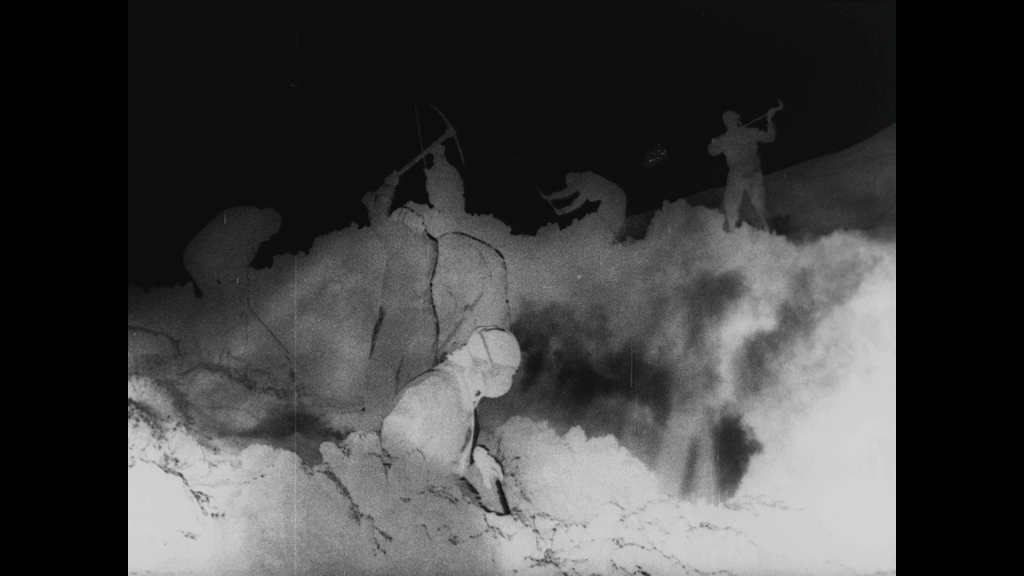
Following six short films of DISTRUKTUR that Melissa Dullius will project herself, we will show a range of works from the Labor collective selected after an open call. At the beginning, GEDENKEN will be shown, a cinematic piece of memory work, for which the artists Katrin Eissig and Melina Pafundi have worked with titles and material remains of Nikolaus Tschechner’s KALMENHOFKINDER – ERMORDET UND VERGESSEN that they found at the Labor. Afterwards, HLBC 16 reflects on a sequence of a car drive through Rome and its suburbs in Danièle Huillet’s and Jean-Marie Straub’s film HISTORY LESSONS from 1972. For this purpose, Luisa Greenfield expresses her thoughts with a simultaneous live reading of an accompanying text. Last but not least, MOONLESS by Sophie Watzlawick opens with a prelude of voices and sounds in a total black, until other-worldly (negative) images lead us into a mysterious, moonless world.
| Sun 11 Sept | UT Connewitz |
| 9 pm | In the presence of the filmmakers regular: 6,5€ / reduced 5,5€ |
DISTRUKTUR
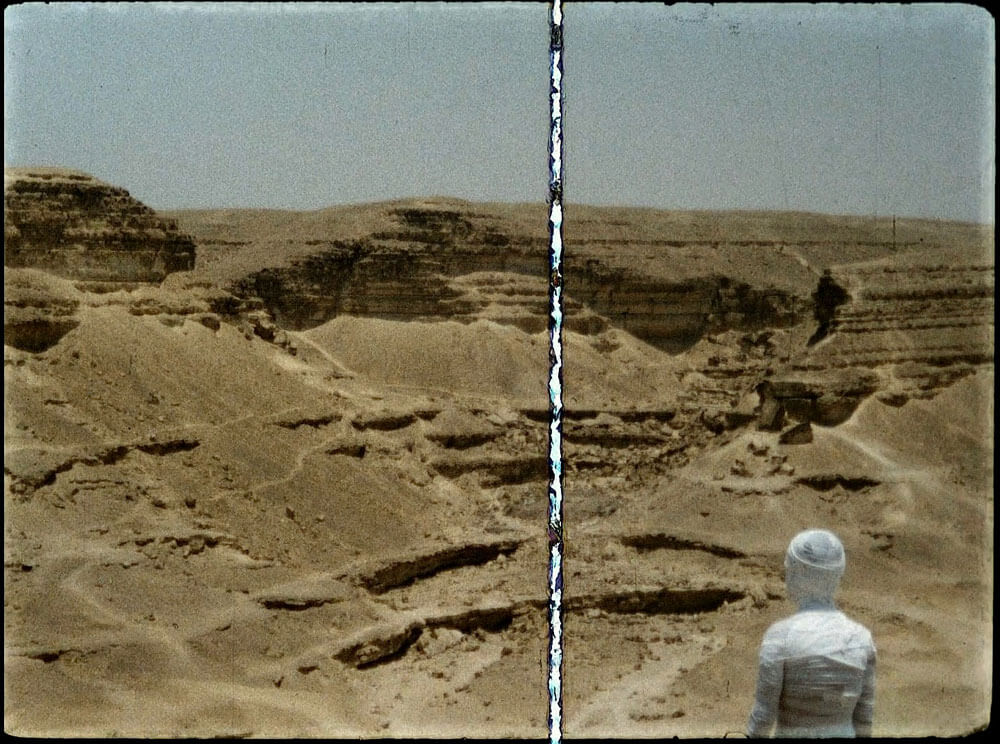
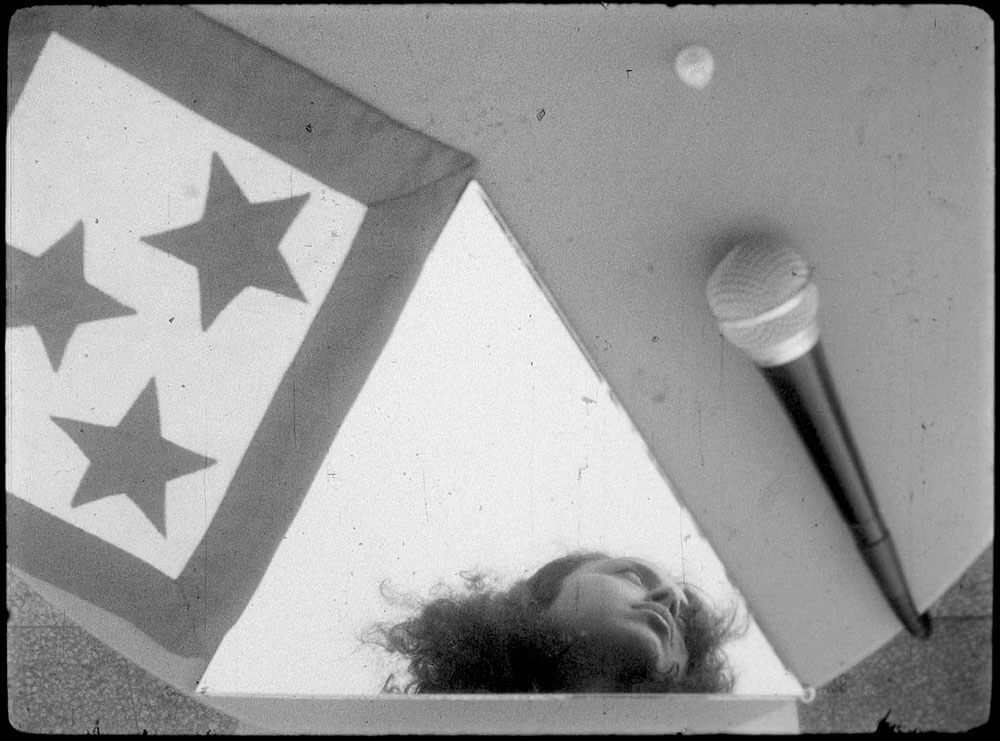

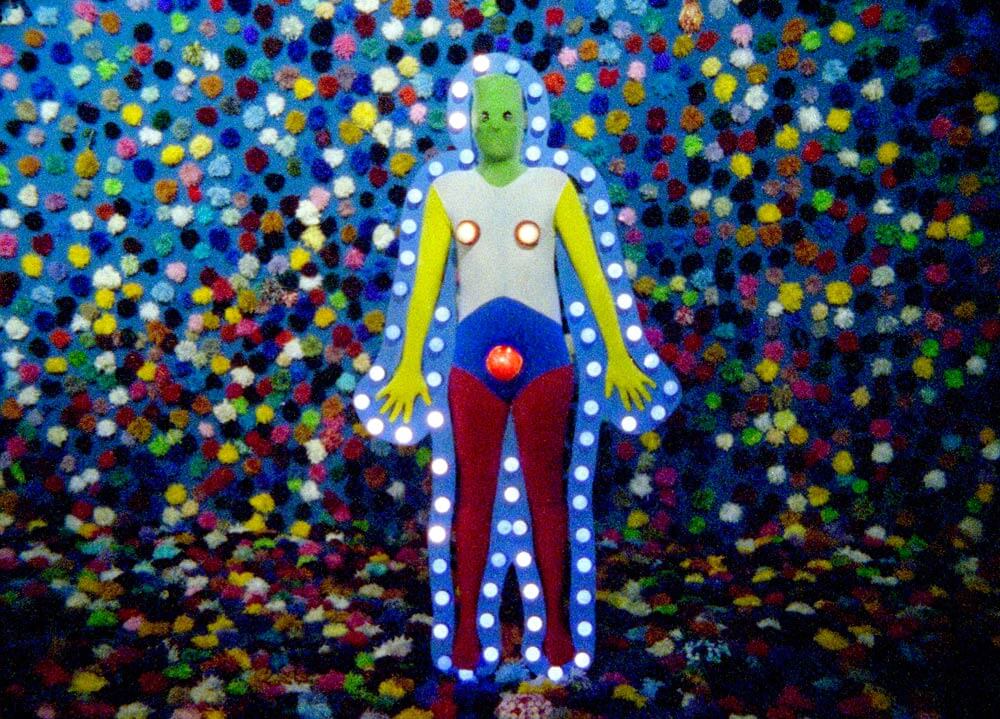
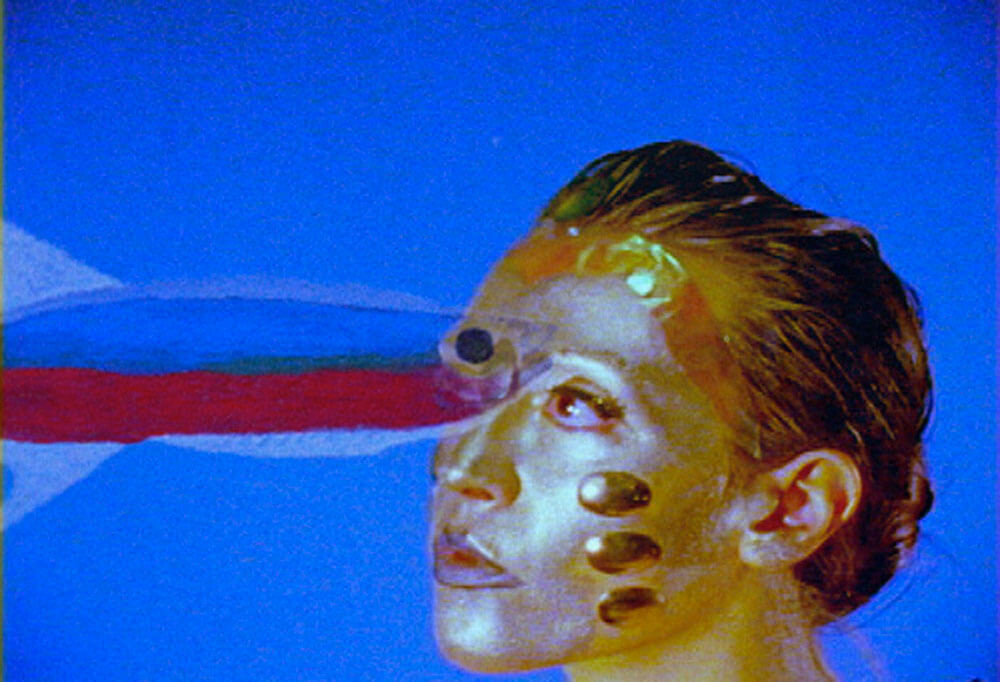
EL MERAYA
EG/DE/BR 2018, R: Melissa Dullius & Gustavo Jahn, OV, + dt. Live-Vertonung, 20′, 16mm
A MÁQUINA DO TEMPO / TIME MACHINE
BR/DE 2015, R: Melissa Dullius & Gustavo Jahn, dt. Live-Vertonung, 5′, 16mm
DON’T LOOK BACK / LABIRINTO
BR/DE 2012, R: Melissa Dullius & Gustavo Jahn, ohne Dialog, 6′, 16mm
ÉTERNAU
BR 2006, R: Gustavo Jahn, OmeU, 22′, 16mm
FOTOKINO
BR/DE 2012, R: Melissa Dullius & Gustavo Jahn, ohne Dialog, 3′, 16mm
KINOGRAPH
FR/BR/DE 2020, ohne Dialog, 2’, 16mm
LABOR BERLIN e.V.
IN MEMORY / GEDENKEN
DE 2018, R: Katrin Eissing, Melina Pafundi, ohne Dialog, 9′, 16mm
HLBC 16
DE 2021, R: Luisa Greenfield, engl. Live-Text, 15′, 16mm
MOONLESS / SANS LUNE
CH/DE 2017, R: Sophie Watzlawick, mit Präludium & Live-Übersetzung, 12′, 16mm
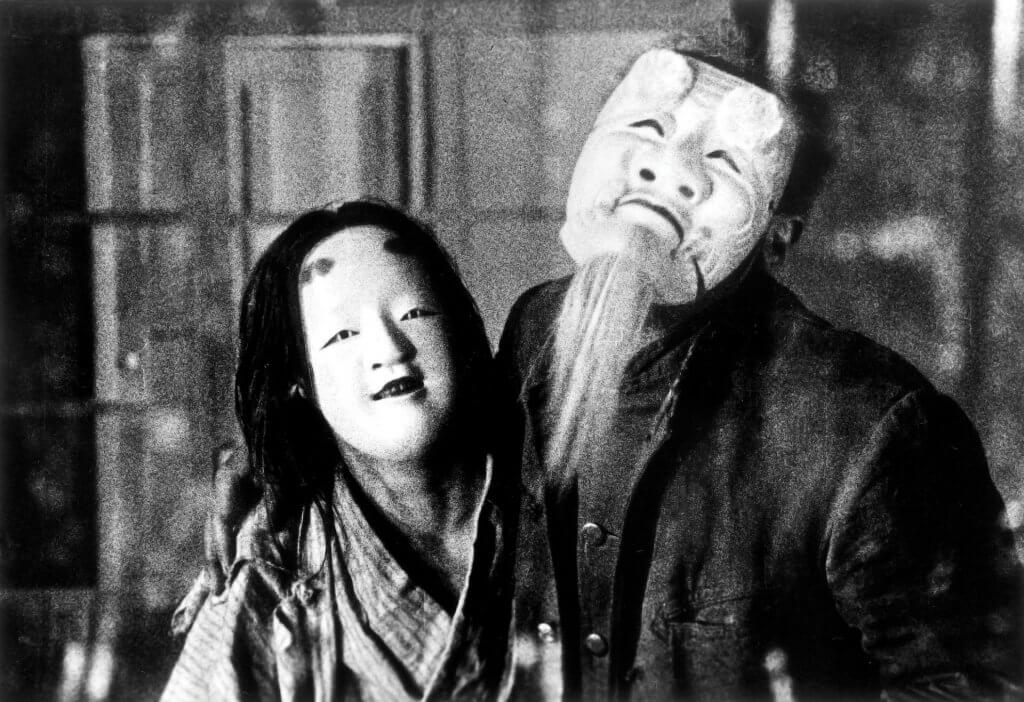
JP 1926, D: Kinugasa Teinosuke, A: Inoue Masao, Nakagawa Yoshie, 71′, silent, DCP
Ichiro Kataokoa and Reiko Emura adding a live score to A PAGE OF MADNESS
We present the Japanese silent classic A PAGE OF MADNESS, which is live scored and told by Ichiro Kataoka and Reiko Emura. Emura plays and improvises on the piano, while Kataoka performance as a so called “Katsudô-Benshi”. In Japan, a Katsudô-Benshi (abbreviation: Katsuben) was a regular feature of cinematic culture and accompanied silent film screenings as a narrator until well into the 1930ies. In this, the speaker not only tells the scenes, but also renders dialogues of occurring characters with different voices, giving them a vocal presence, and delivers an interpretation of the film’s plot. So, there can be no talk of a Katsuben being a neutral narrator. During the 1920ies and 30ies, going to the cinema was not only contingent on being interested in the shown film, but also – so the hope – on the captivating art of narrating and the virtuoso use of his or her voice.
At the heart of the early avant garde film A PAGE OF MADNESS, which was considered as lost until 1971, there are nameless characters caught up in a whirlwind of insanity: The caretaker of a mental home wanders through the gloomy corridors of a prison-like institution and keeps ending up at a cell of a very specific inmate – the one of his wife. When their mutual daughter appears in the institution to report to her mother about her forthcoming marriage, more plotlines are initiated, telling of the family’s past on different time levels, including telling why the mother is in her delusional condition. The film’s visual intensity feeds on a sheer inexhaustible stock of ideas: double triple, sometimes quadruple exposures of the material, plus an associative montage that is not random but rigorously following a form, setting the viewers in the disoriented, psychotic conditions of the characters. The chilling and ghostly images, the Noh-masks and the dances create a discomforting rupture of perspective, making it unclear who belongs on which side of a locked cell door. In its depiction of subjective, mental and emotional disarray one of the most fascinating mental hospital films to this day.
Before the screening, Ichiro Kataoka, Dr. Shiro Yukawa (University of Bonn) and Florian Höhr (Nippon Connection Festival Frankfurt/Main) will present and discuss examples from the “Kataoka Records Project”. In 2012, Kataoka handed over his collection of 3900 Japanese shellac records to the University of Bonn, which is being digitalised and systematically filed ever since. It is a unique collection worldwide, consisting of records from the years 1915 to 1950, that mostly come from the Japanese film and entertainment culture.
| Thu 10 Sept | UT Connewitz |
| 7:30 pm 9 pm | Kataoka Schallplattenprojekt Performance in Japanese with English subtitles A PAGE OF MADNESS regular: 10€ / reduced 12€ |
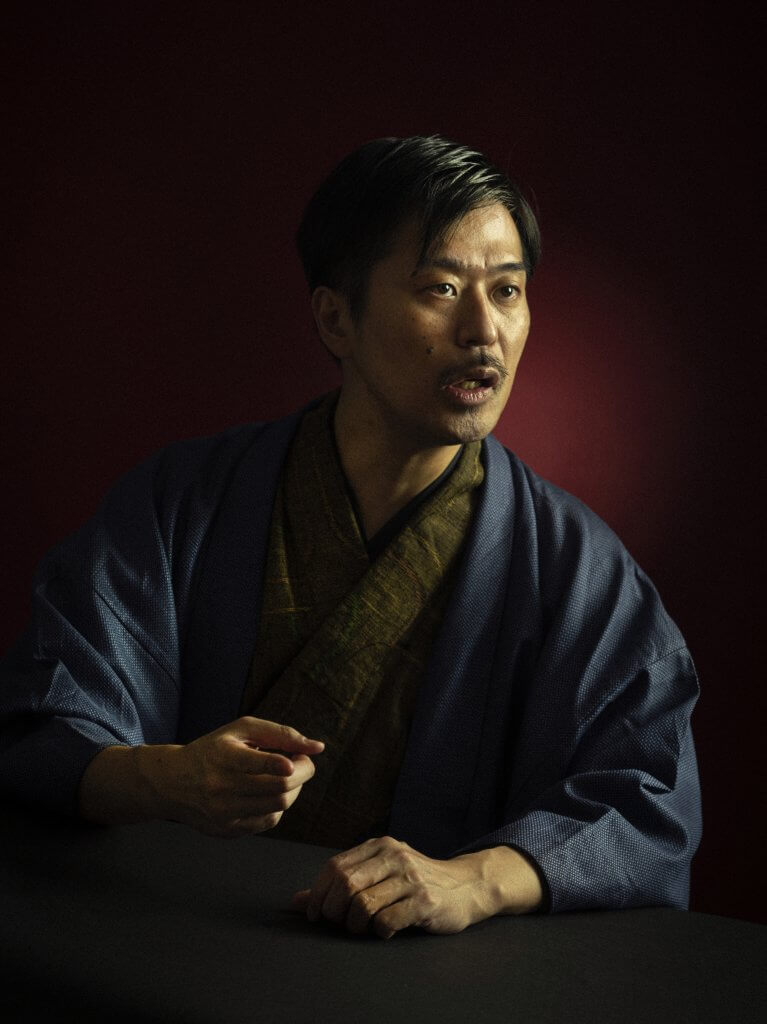
Ichiro Kataoka acquired his degree at Nihon University College of Art and started training with Midori Sawato in 2002. Today, he is the most known Katsuben of his generation, making an appearance with his performances internationally. As a benshi, Kataoka took part in various films and works as voice-over artist for animation and video games. 2020, he published the monograph Katsudō Shashin Benshi: Eiga ni Tamashii wo fukikonda Hitobito (The story of film narrators: people that breathed life into cinema).
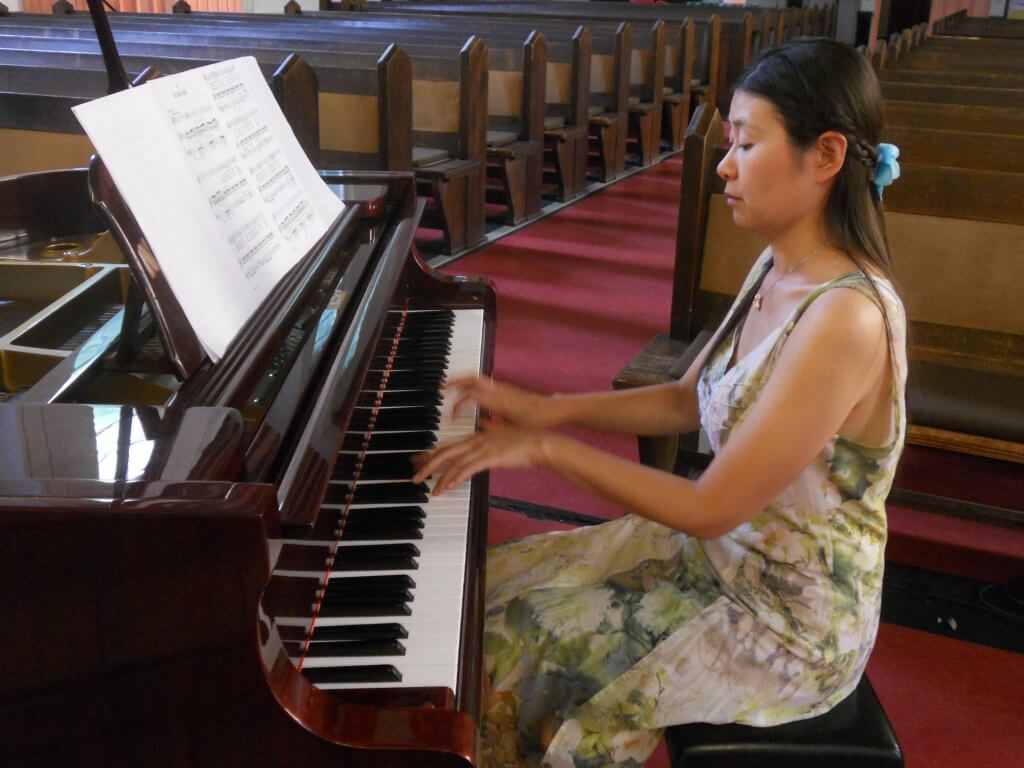
Reiko Emura was born in Sendai, Japan. After studying composition at Tokyo University of The Arts, she came to Germany and studied song interpretation at Karlsruhe University of Music under Mitsuko Shirai and Hartmut Höll. She has played own compositions with the Hungarian Symphony Orchestra, New Japan Philharmonic Orchestra, Rundfunk-Sinfonieorchester Berlin and others. She has played with conductors like Maxim Shostakovich, Kenichiro Kobayashi and Robert Hanell.