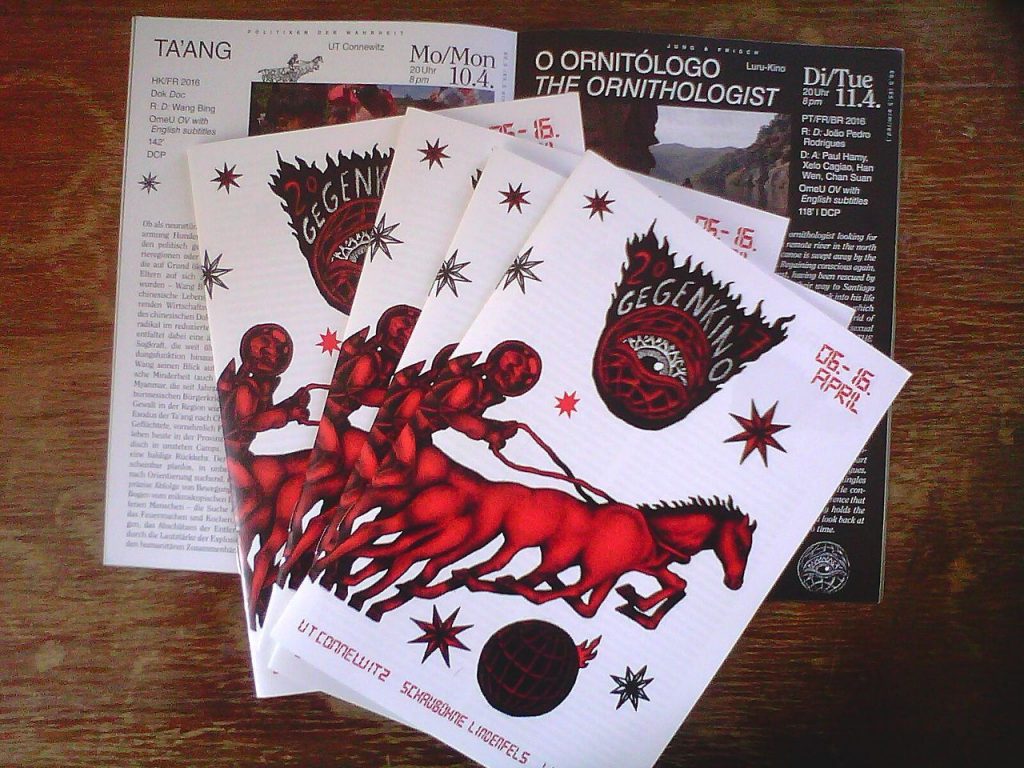
A fresh new day with the fresh new GEGENkino booklets. Grab yourself one, where you find them! We spread them around town now.
Thanks again to ricaletto and Alex Brade for the design and layout and all! Swell!
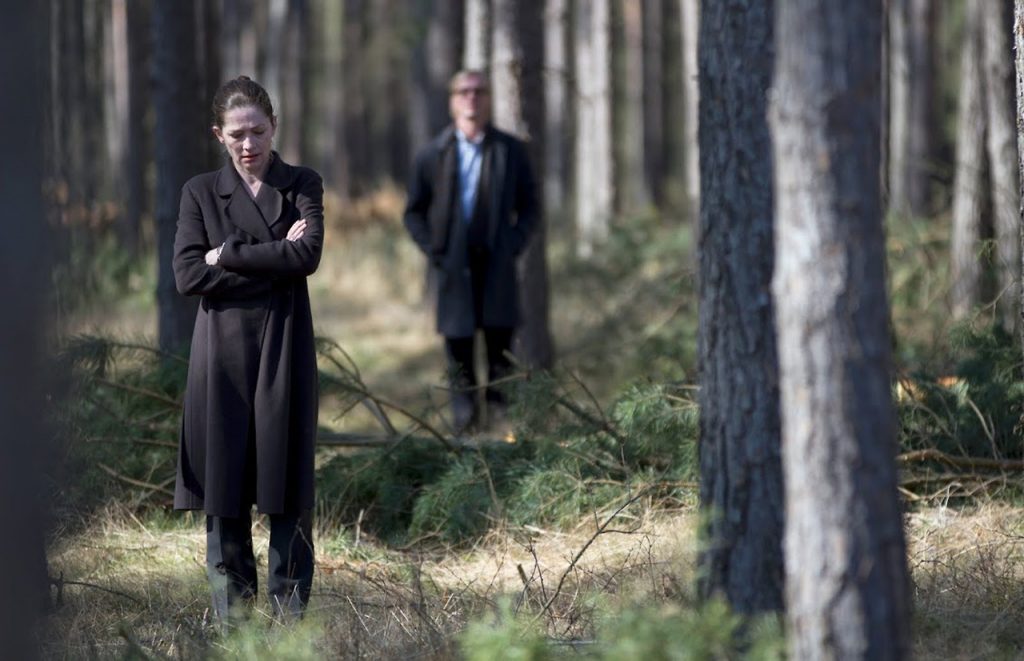

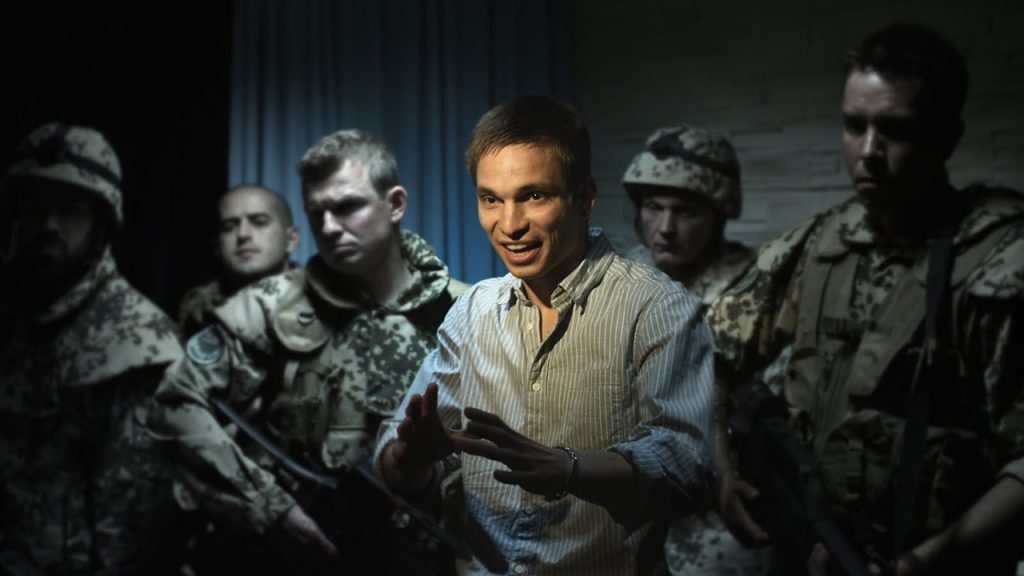
Let us continue – with CONTINUITY! We’re kind of excited to be able to show this new film by Israelian artist and director Omer Fast, because it’s really that brilliant a film; arguably quite unlike everything you’ve seen of recent German cinema lately. CONTINUITY will be screened on 08 April, 10pm at Schaubühne Lindenfels. If the title sounds familiar to you: a shorter version of the film was already shown at dOCUMENTA13 back then and at Martin-Gropius-Bau recently – and now here’s the feature length version of it. Fill your heads with information and antecipation by reading more about it below.
CONTINUITY
GER 2016, D: Omer Fast, A: André Hennicke, Iris Böhm, Constantin von
Jascheroff, OV/English subtitles, 85’, DCP
CONTINUITY starts out as an emotional story about a homecoming. Thorsten and Katja, a middle-aged, married couple, repeatedly picks up young soldiers in uniform from the local train station. Every time it happens to be a different post-war soldier that they take to their home to celebrate a festive, slightly awkward welcome with them. These young men have one thing in common: the nameplate on their uniform says “Fiedler” – the parents’ surname. And: they disappear mysteriously. It remains unresolved if there ever was any Daniel Fiedler, unresolved where the parents’ grief and hope arise from and whether possibly, the young men are prostitutes that help the couple avert their break-up. CONTINUITY creates an immense tension, captivates, performs narrative sidesteppings, changes identities—and does not, however, turn so heavily labyrinthian that it loses touch with the audience. Again and again, subtle traces are construed, clear moments blaze up now and then before the film progresses into the next cunning entanglement of content, into another one of its loops. Being variantions of an eerie ritual with its odd roleplaying, they frequently shift to an unexpected eroticism. Omer Fast is interested in tripping, dropping out of the linearity of a story. The outcome is a productive irritation and a deconstruction of the cinematic reality. Unbelievably good.
08 April, 10pm – Schaubühne Lindenfels – € 6,5 (5,5 red.)
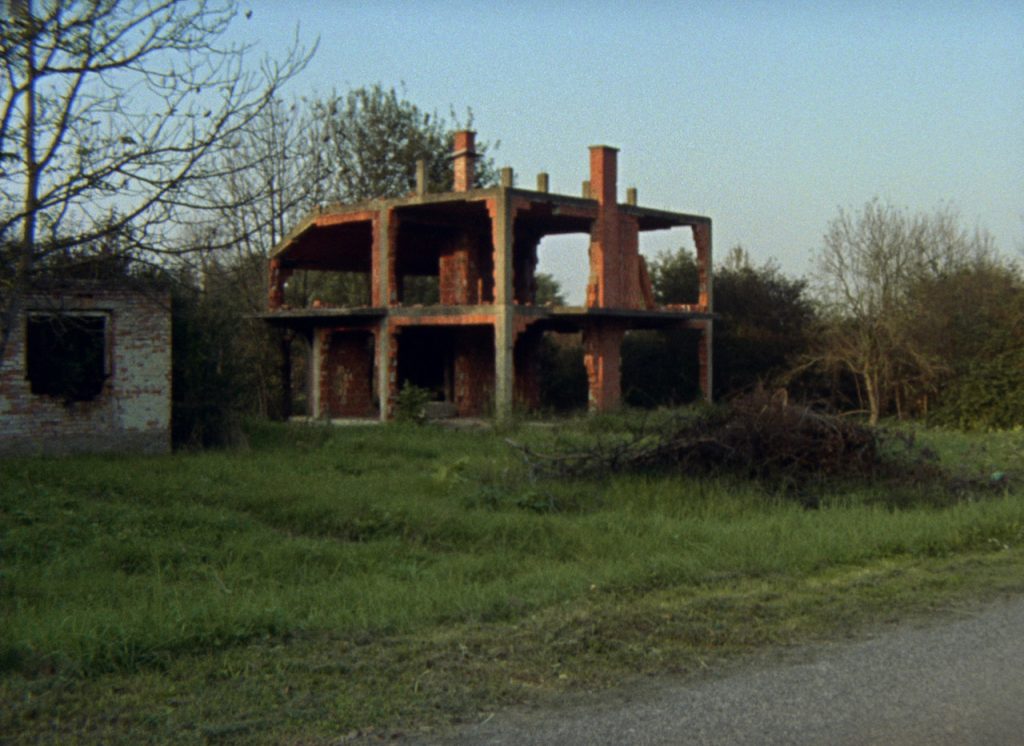
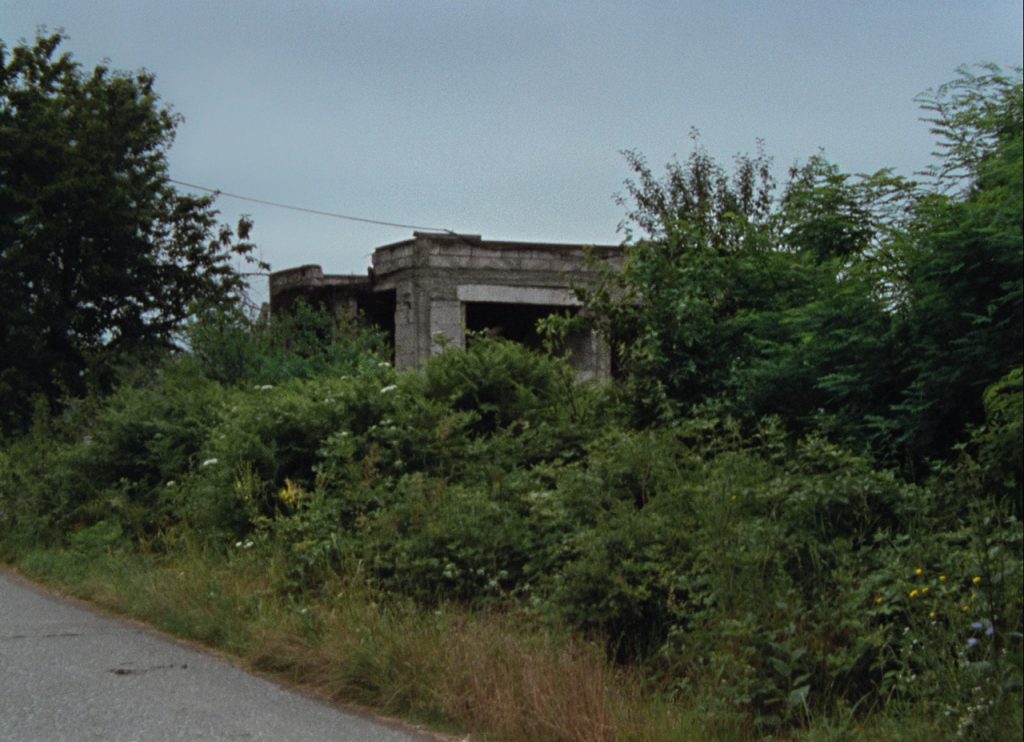
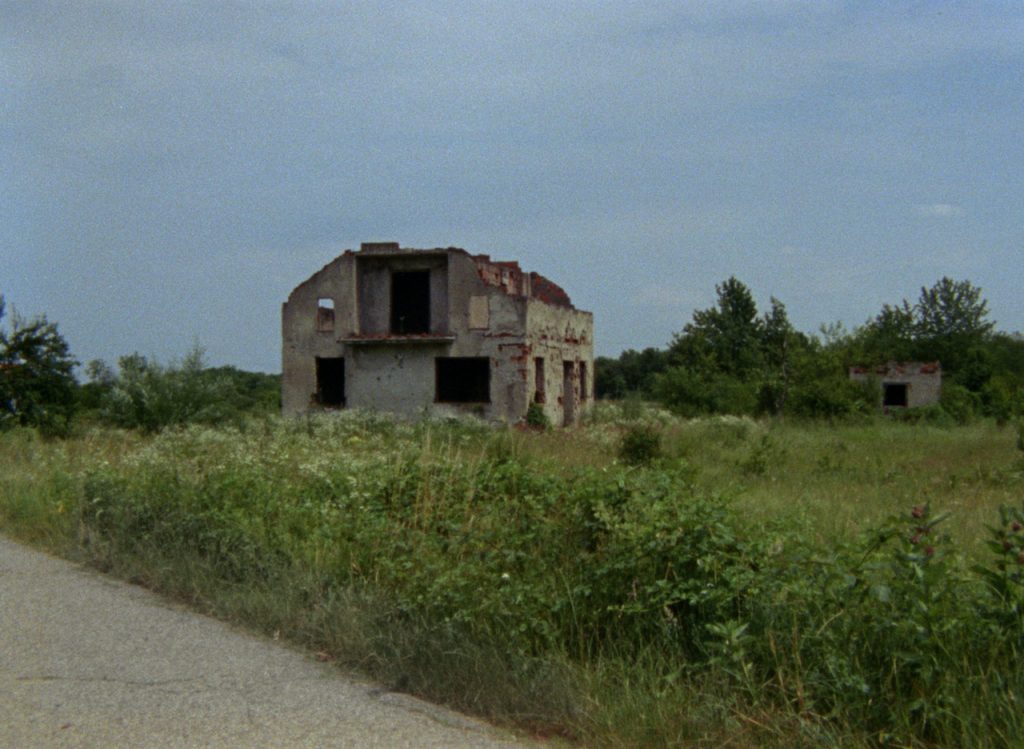
This April marks the 15th anniversary of the escalation of the Bosnian War, pictures of which might still roam in some of yours heads. Now, the relation between cinema and war has always been a problematic and critical one and one raising seemingly endless questions. But only rarely were these questions really tackled in and through cinema itself. Austrian filmmaker Selma Doborac does just that in her most recent film THOSE SHOCKING SHAKING DAYS, which takes the Bosnian War as a starting point for her cinematic reflections, resulting in an essayistic film that is certainly not easy to watch and one that invokes to discuss. Therefore, we’re very happy to have the director Selma Doborac coming to the screening on 09 April, 7pm at Schaubühne Lindenfels for a Q&A and for talking with us about her film.
Read more about THOSE SHOCKING SHAKING DAYS below and over at sixpackfilm.com.
Director Selma Doborac will be present.
THOSE SHOCKING SHAKING DAYS
AT/BA 2016, Doc, D: Selma Doborac, German OV, 88’, DCP
Thematized and considered are the act of failing, ineffabilty, also, and not least, the feeling of being overchallenged. As a filmmaker and as an addressed audience. However, Selma Doborac never reconciles herself in her essay film THOSE SHOCKING SHAKING DAYS. Long and static pictures of abandoned houses rest in square format without leaving anything too much at peace here. Language overgrows the picture like branches, bushes and grasses that once inhabited buildings. Textual inserts fray out, undermine the visual information presented and encode themselves into their structure like the plants into the houses’ facades. In doing so, however, these sprawling sentential formal landscapes of challenging questions do not overlay but lay open: a method, a complexity, a discomfort, a necessity. This cinematic approach to the Bosnian war and to war in general is among other things about “trying to sing the praise of a mutilated world”, like Doborac describes it once referring to a poem of Adam Zagajewski. It is an approach conscious of the confines of both visualization and verbalization, that still does not beat about the bush, being weary of merely stating things, of pure observer status, and which instead brings up many painful topics. A self-reflexive, sharp-witted philosophizing, “a film with bruises” (Jean-Pierre Rehm). Committed to individual fate. Dedicated to the universal.
09 April, 7pm – Schaubühne Lindenfels
€ 6,5 (5,5 red.) / € 9 (8 red.) for a double ticket
incl. the Ursula Biemann “Border activities” programme
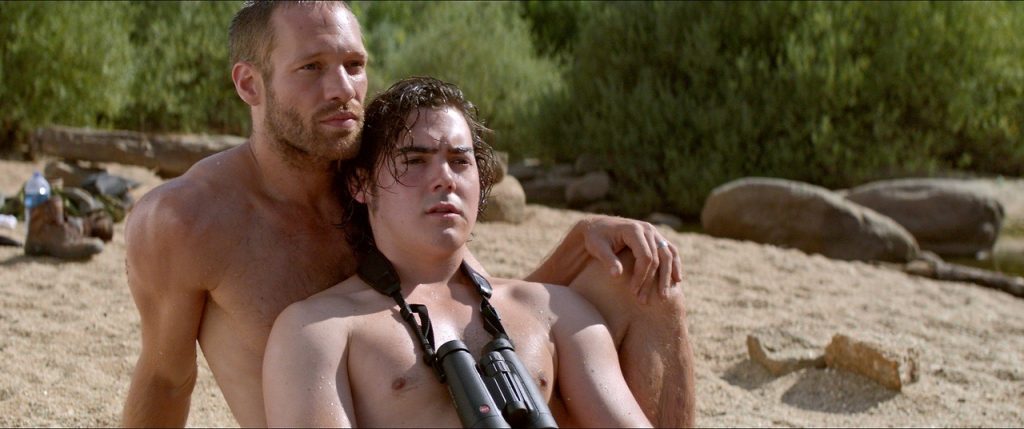
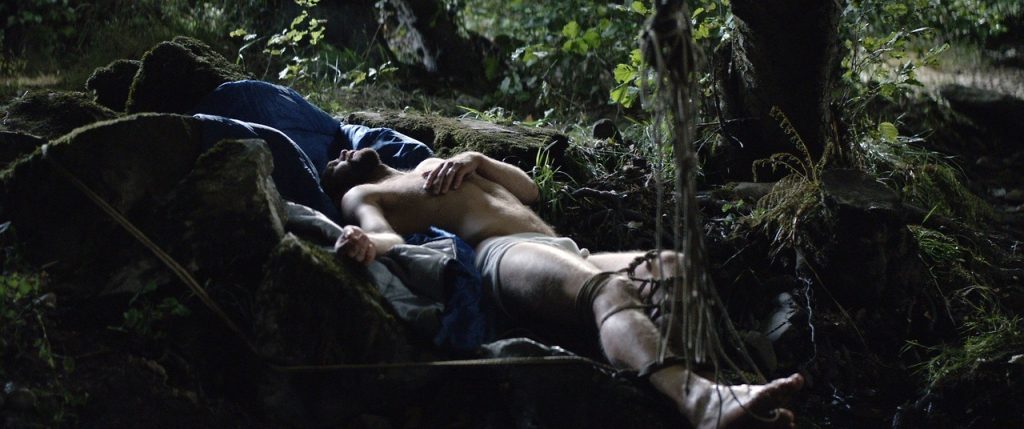
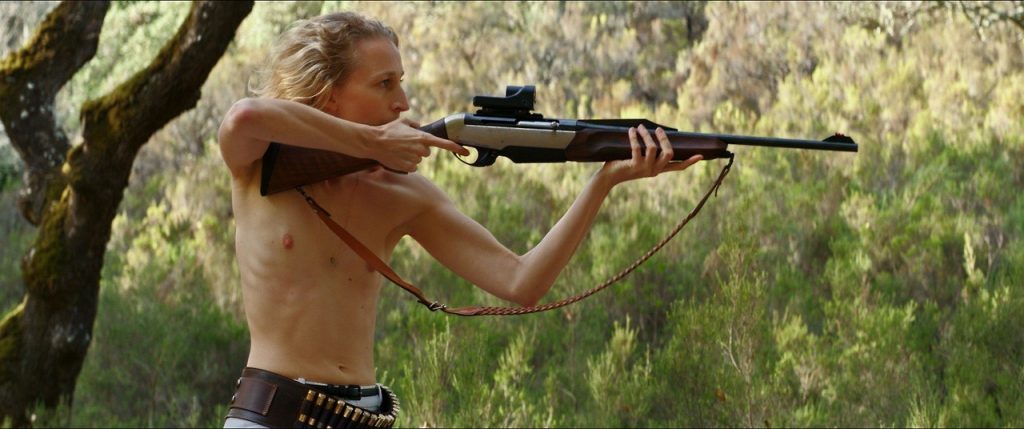
Maybe you’ve seen some films by the likes of Pedro Costa or Miguel Gomes already, then it should be no big news for you anymore that contemporary Portuguese cinema is definitely something to keep on radar. Not unlike those two directors, João Pedro Rodrigues’ cinematic language is also quite unique and inventive and his way of storytelling beautifully weird. Reason enough for us to include his most recent work O ORNITÓLOGO (THE ORNITHOLOGIST) in our programme. You can already see the trailer below. The whole film will be screened on 11 April, 8pm at Luru Kino, including important travel safety tipps for your next birdwatching tour through the Portuguese countryside.
O ORNITÓLOGO / THE ORNITHOLOGIST
PT/F/BRA 2016, D: João Pedro Rodrigues, A: Paul Hamy, Xelo Cagiao, Han Wen, Chan Suan, OV/English subtitles, 118’, DCP
Fernando is a solitary ornithologist looking for rare black storks on a remote river in the north of Portugal, until his canoe is swept away by the
current and capsizes. Regaining conscious again, he is located in a forest, having been rescued by two Chinese pilgrims on their way to Santiago de Compostela. Fernando’s way back into his life turns into a surreal inward journey, in which the narrative increasingly dissolves, gets rid of time and space barriers and establishes a sexual myth. At it, nobody needs to know that THE ORNITHOLOGIST is Rodrigues’ autobiographical fragmentation and recklessly free modernisation of the clerical story of Anthony of Padua in order to like this film. Au contraire: the erratic, marvellously eccentric episodes, the mysterious density and ambiguous sensuality of the pictures attract from the very start. THE ORNITHOLOGIST is detached cinema, which is in constant transformation together with its figures, subject only to itself—a kind of cinema leaving behind earthly gravity as the birds do. Such a pleasure in associative fabulation would cause films to fall apart in the hands of most other directors. Rodrigues, however, with impressive control, mingles motives that seemingly do not match. He confers the episodes with a self-willed coherence that keeps one in line—and also casually holds the gaze of the film’s birds, which take a look back at Fernando from above from time to time.
11 April, 8pm – Luru Kino at the Spinnerei – € 6,5 (5,5 red.)
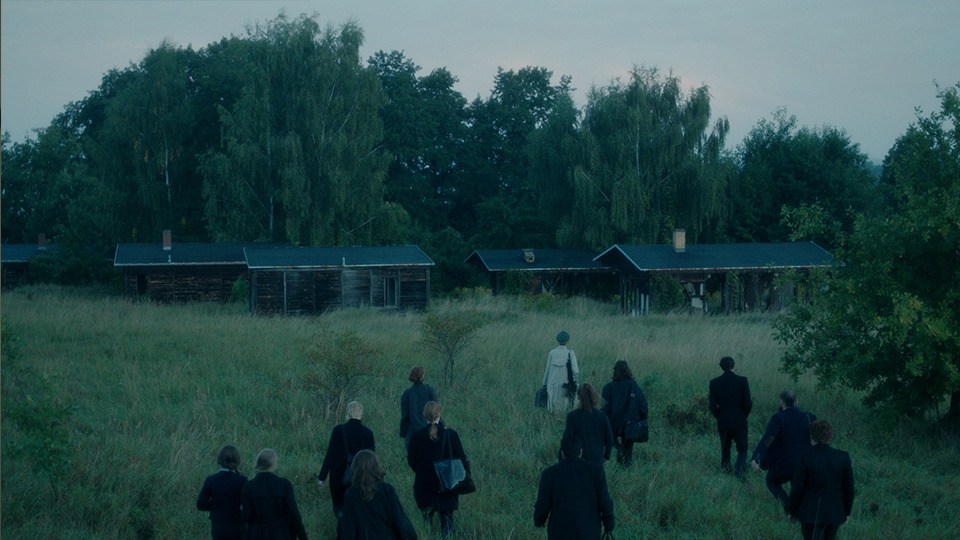
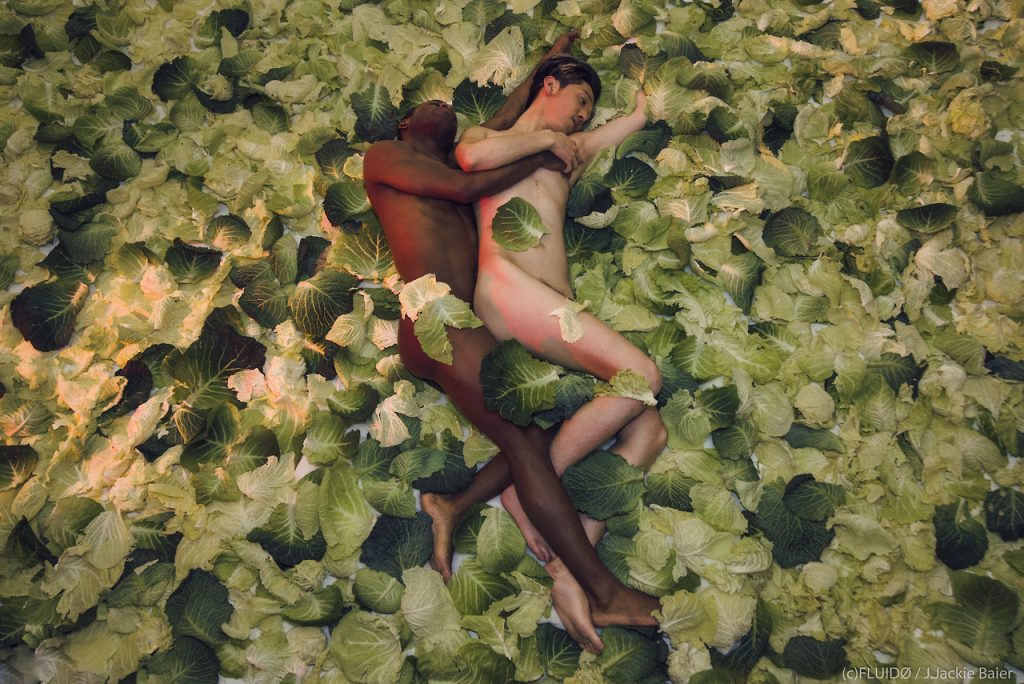
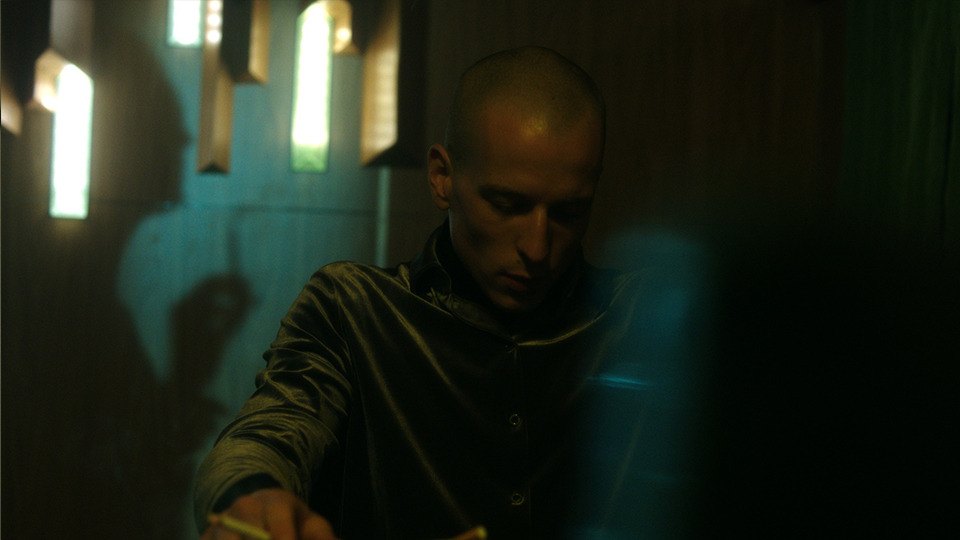
Now, for some more “science” fiction: On April 12 at Luru Kino we’ll have a gamy double screening featuring TARA, the new short film by young filmmaker Felicitas Sonvilla off of MOTEL director’s collective and the most recent work by Taiwanese new media artist Shu Lea Cheng: FLUIDØ—both of which you might’ve see at this year’s Berlinale… or might have not, and so here’s another opportunity. Check the trailers below (they’re worth it)!
TARA
GER 2016, D: Felicitas Sonvilla, A: Sasha Davydova, Leo van Kann,
Lena Lauzemis, Russian OV/German subtitles, 30’, DCP
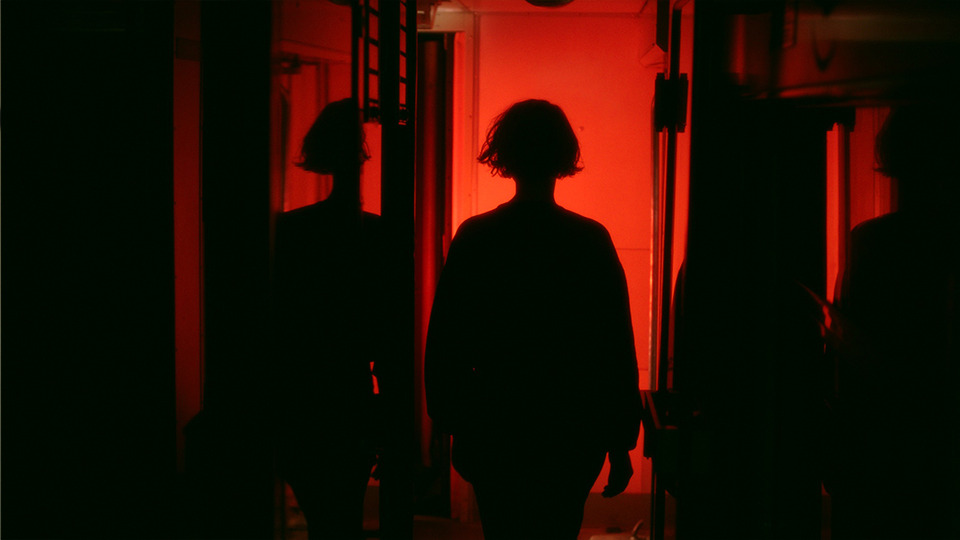
Memory and the trial of overcoming the present are among the guiding themes of TARA. The short film’s construction of the present is Characterized by darkness and coldness. Protagonist Mira finds pictures of a better life only in fragments of memory—until she hears about the promises of a place called “Tara”. Located far east, this region augurs a life free from the central region’s constraints, breaking with the alienating circumstances that make existence a silent ordeal. TARA is the most recent work of the young Munich directors’ collective MOTEL, which, with only minimal narrative and pictorial devices, manages to create a scenario captivatingly reminding one of the great sci-fi film inspirators P. K. Dick, Stanislaw Lem or the Strugatzki brothers.
12 April, 10pm – Luru Kino – € 8 (6 red.) for a double ticket incl. FLUIDØ
FLUIDØ
GER 2017, D: Shu Lea Cheang, A: Candy Flip, Bishop Black, Kristina
Marlen, William Morris, OV/ English subtitles, 80’, DCP
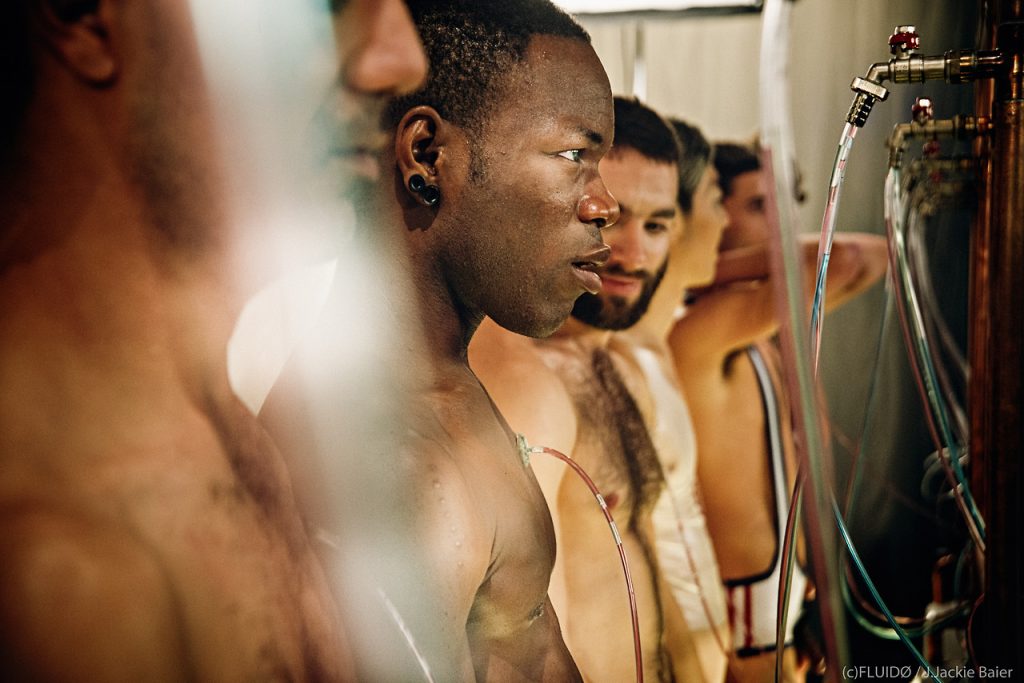
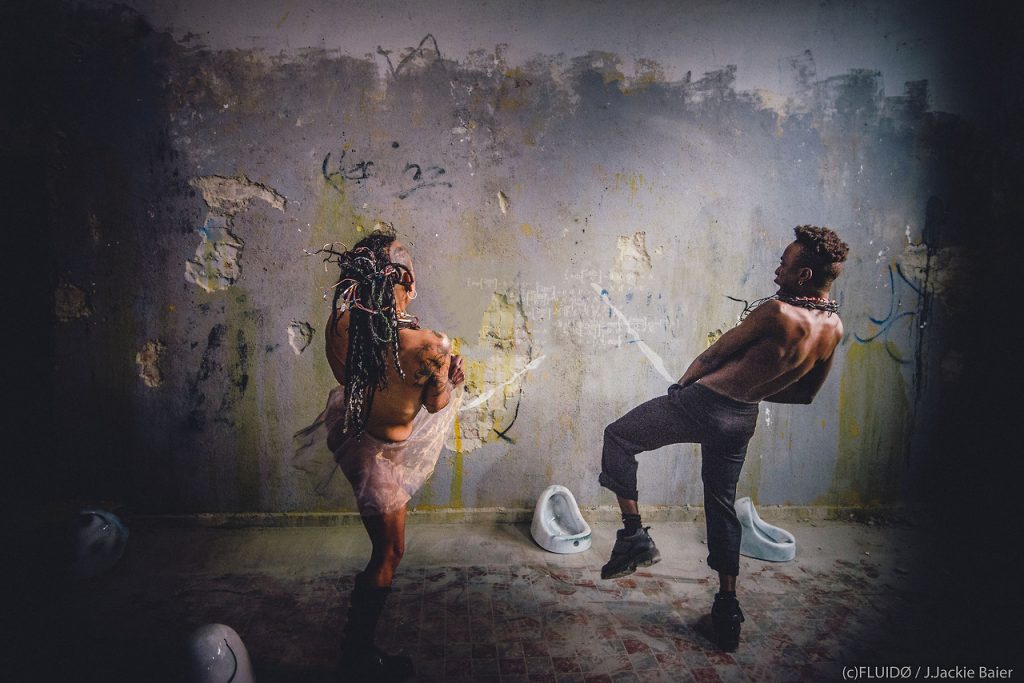
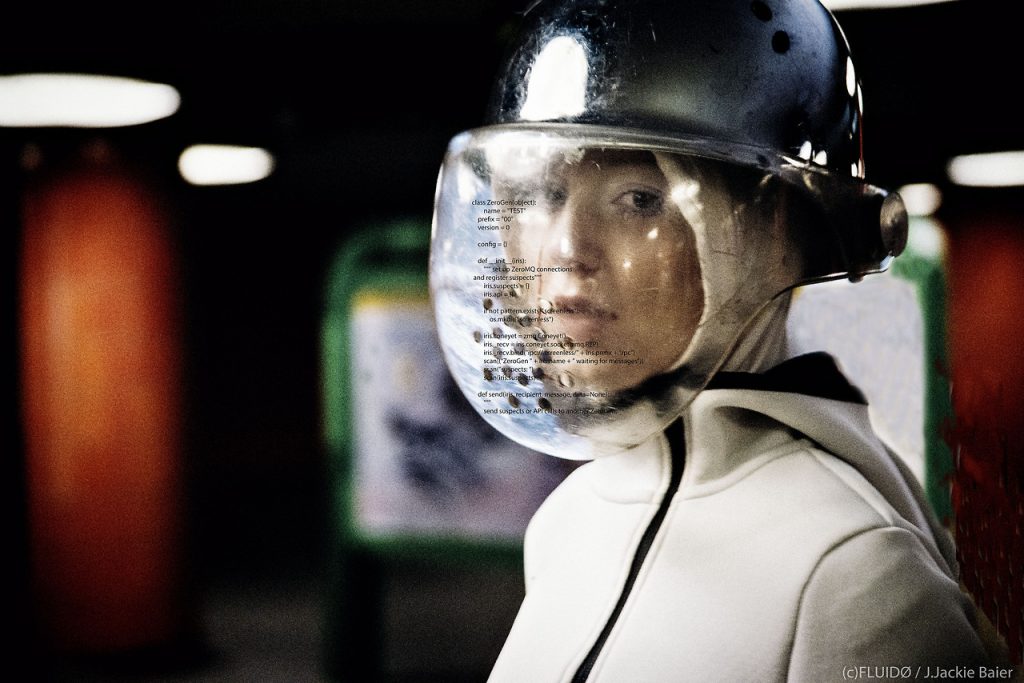
2060. We are situated in a future without AIDS, in which a novel intoxicant is spreading. The drug is made by sporadically occuring HI virus mutations, is transferable by skin contact and has a maximum dependence potential. In this future also, drugs are illegal, persecution by the secret police being the consequence. At the same time, at another place, an unusual scenario: men in jockstraps are strung together, all wired up, committed to continuously produce sperm that is required for the production of medication for the pharmaceutical industry. Prolonged shots alternate with densely clocked images increasing into temporary strobe light effects, thus highlighting bodies, their secretions and potential efficacy. Before FLUIDØ made its way onto the screen, the zero gene made a name for itself in performances, installations and photo exhibitions. A dystopian science fiction porn, in which the boundaries between genders as well as between homo-, hetero-, bi-, trans- or intersexual continuously blur. “Fluidø is virus, sex, hack, drug & conspiracy.” (Shu Lea Cheang)
12 April, 10pm – Luru Kino – € 8 (6 red.) for a double ticket incl. TARA