Ted Fendt | Short Stay / Classical Period (USA 2016 / 2018)

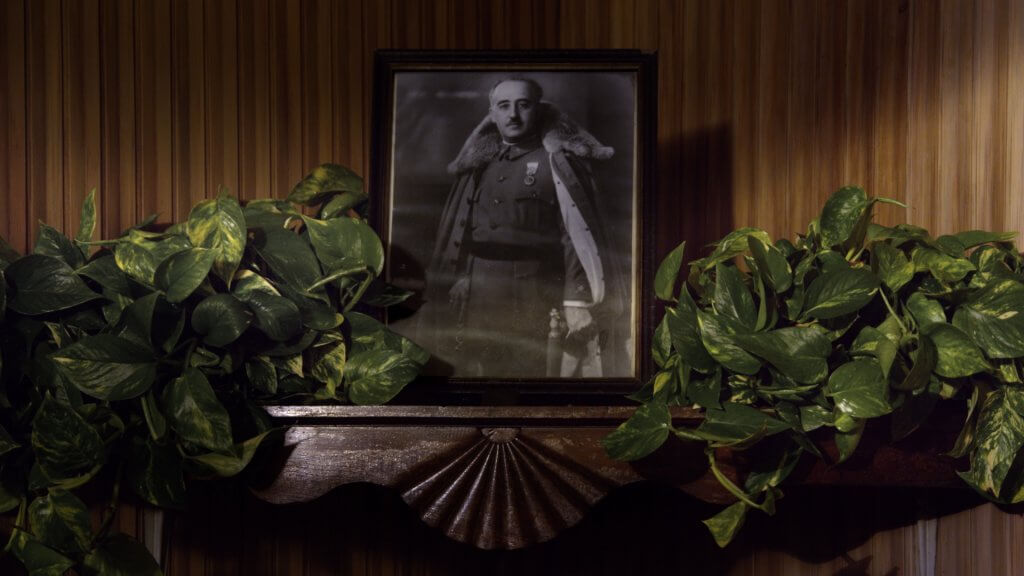
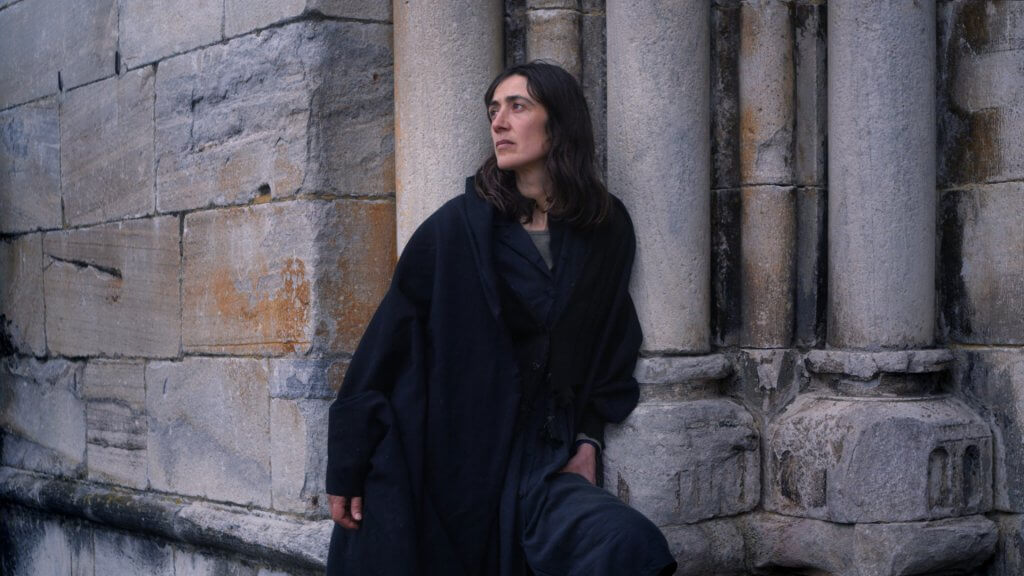
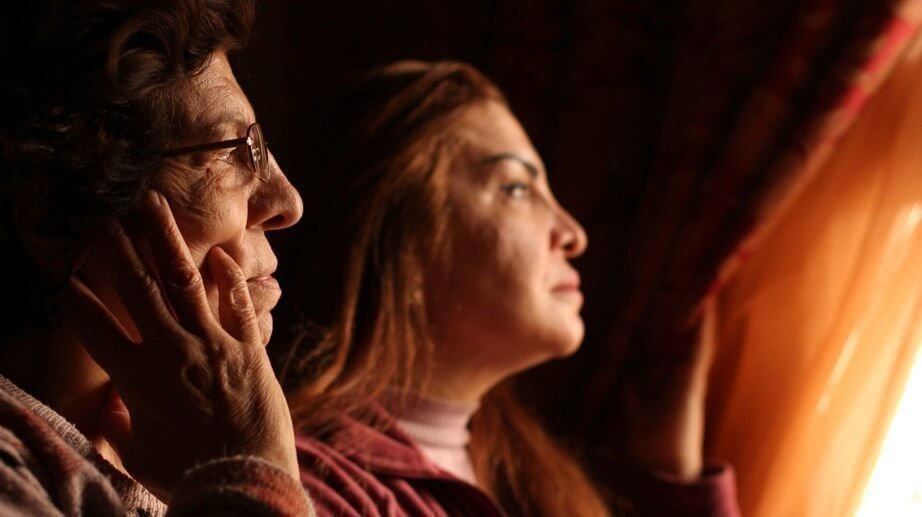
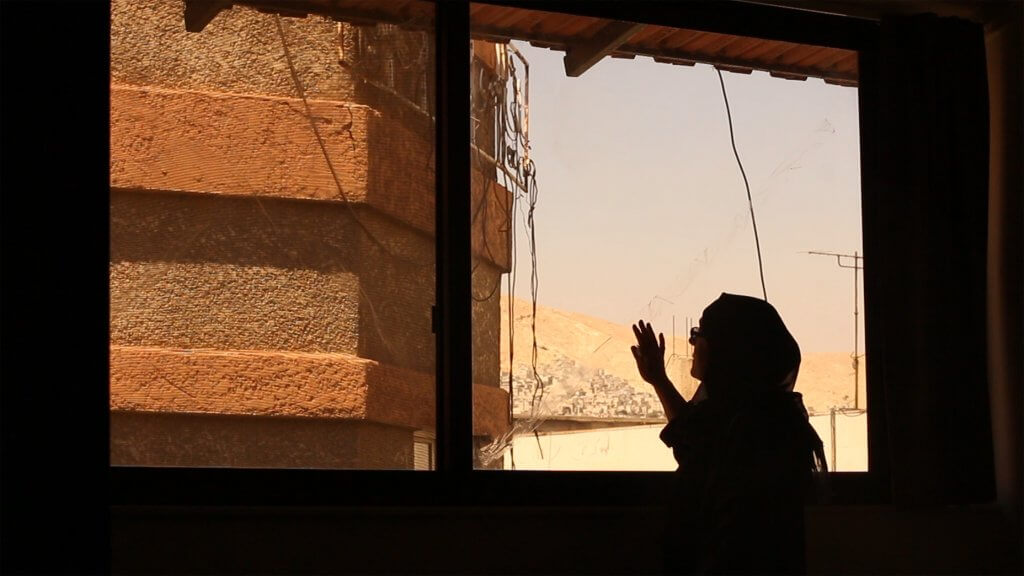
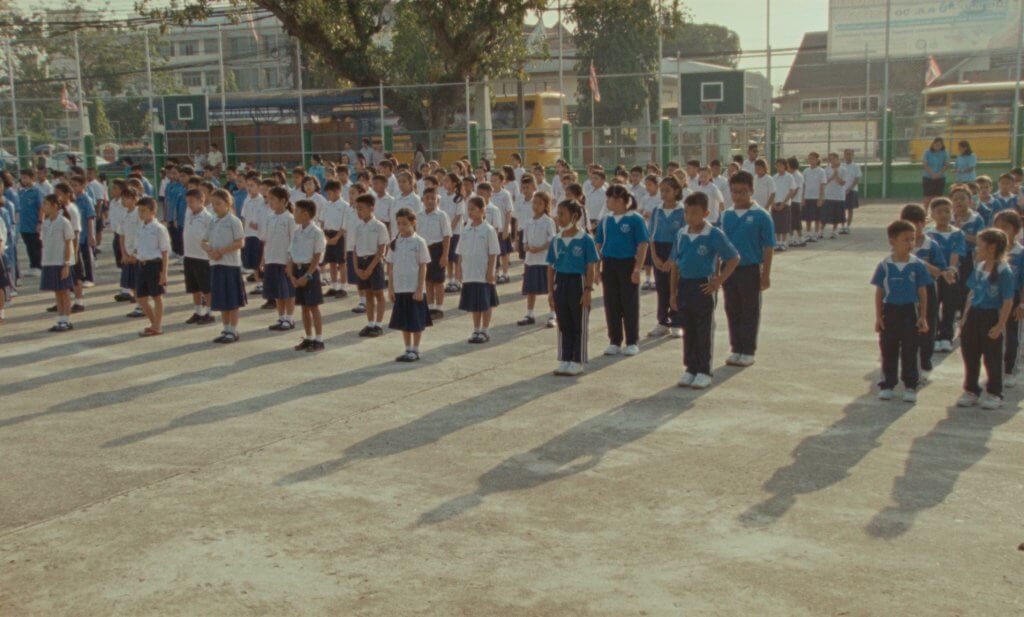
Ted Fendt’s narrow oeuvre represents an distinct narrative in contemporary US independent cinema: he realized the two medium-length films SHORT STAY and CLASSICAL PERIOD on his own with the support of his environment, holding on to analogue film format while at the same time, representatives of mumblecore bet on online scores. Philadelphia and New Jersey are the settings of the plot, although there is basically no plot. Rather, these films, captured in a cinematically restrained way, are unagitated portraits of people who are Fendt’s age, who pursue their everyday life, often times isolated, even if they desire affection and recognition.

12 April, 8 pm – Luru Kino at Spinnerei – € 8 (7 red.) (for both films)


In the presence of Ted Fendt

SHORT STAY

USA 2016, D: Ted Fendt, A: Mike Maccherone, Elizabeth Soltan, Mark Simmons, 61′, English OV, 35mm

CLASSICAL PERIOD

USA 2018, D: Ted Fendt, A: Calvin Engime, Evelyn Emile, Sam Ritterman, Christopher Stump, 62′, English OV with German subtitles, 16mm

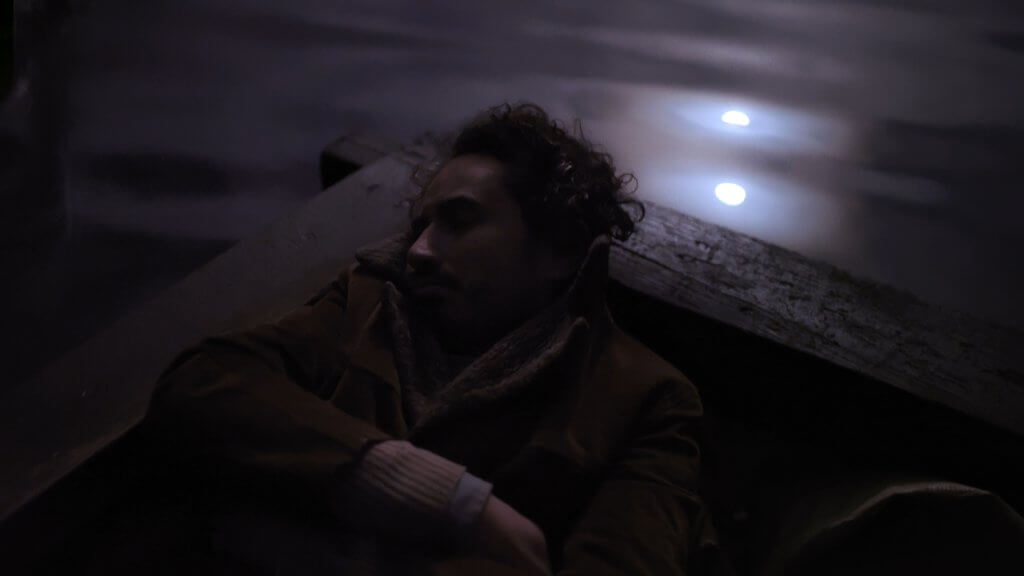
In SHORT STAY, the camera is above all occupied with following pizza delivery man Mike en route from A to B or trying to sleep. He sees his chance for a change of scenery when an old aquaintance, planning a long trip abroad, mentions that he is looking for somebody to take over his room in a shared flat and his “Free & Friendly Tour“ city tours in close-by Philadelphia. But even in the new surroundings, luck does not ensue.
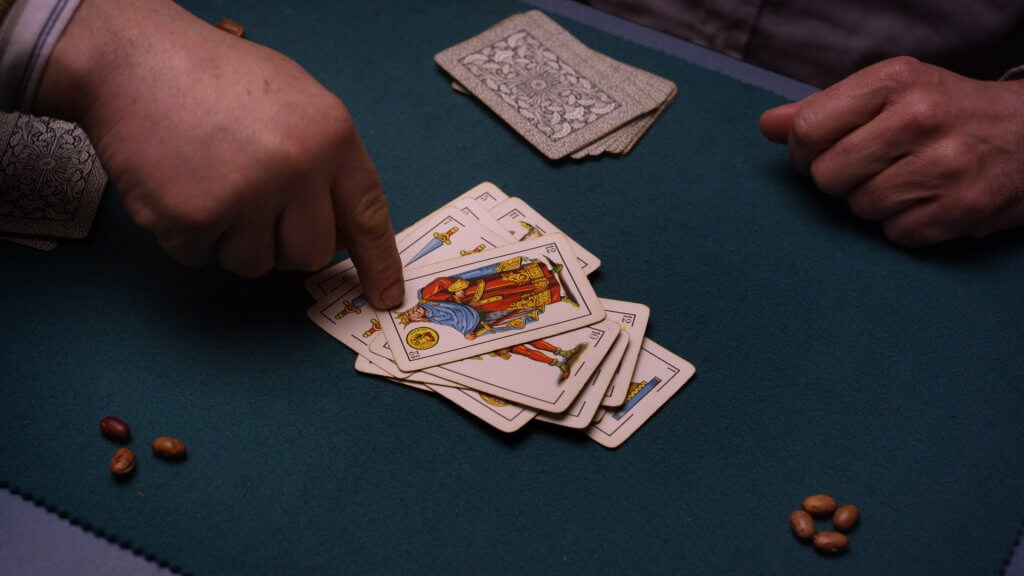
If in his debut feature walking and sleeping are something like guiding themes, reading and thinking are the like in CLASSICAL PERIOD: a handful of young intellectuals meet for a reading circle where Dante’s “Divine Comedy“ is subjected to a thorough exegesis, apart from that there is talk about poetry, English church history and the own sleep- and restlessness. In sensually physical 16mm images, a microcosm emerges that is utterly shaped by the mind.

GEGENkino presents | Andrea Belfi, I T O E & Flying Moon In Space play live score for Materialfilme (BRD W+B Hein)

This is our first announcement:

Sat 13 April 2019
UT Connewitz
LIVE SCORE
9 PMAndrea Belfi, I T O E & Flying Moon In Space live score
Materialfilme (BRD W+B Hein): Materialfilme (1976 , 35′, 35mm), 625 (1969, 34′, digital), Reproductions (1968, 28′, digital)

before: Andrea Marinelli: SECRETSHOW

Being progressive representatives of the 60s’ and 70s’ underground film, Wilhelm and Birgit Hein carry out a radical rejection of narrative cinema. Their material-films, from which we will see a selection, are anti-illusionistic and non-conversational. The physical presence of the analogue film strip and the tecnichal requirements for its screening, which otherwise remain hidden (like the perforation needed for play-back, the soundtrack or the scraps occuring during preparation) are as much recurring elements of Wilhelm and Birgit Hein’s work as is the battered celluloid. Fragments and remnants of the usually unseen start- and endtape of 35mm film copies are key ingredients of MATERIALFILME, displaying scratches and new arrays defying the frames. 625 consists of grainy grids, negatively produced, spread in 625 lines that were filmed from a TV screen in shifting fuzziness.

I T O E , Andrea Belfi and Flying Moon in Space, all working in their own way at the interface of ambient, kraut and psychedelia, will each add exclusive live scores to one “Materialfilm”. Six headed Flying Moon in Space sounds as if it came from outta space. With a lot of sound effect tailwind, they create groovy, harmonious progrock and occasionally intense, eruptive jam passages. Solo drummer Andrea Belfi simultaneously plays on his spartan drum-set alongside various electronic sound generators, intertwining the rich sound spectrum generated by his playing techniques with the textures of synthesizers. Freedom inside of structure and synths as instruments are also the case with I T O E, fortifying their sound-radicals with guitar loops and occasional traces of saxophone to let them sprout in hypnotic repetitions.

In SECRETSHOW, Italian musician and media artist Andrea Marinelli works with the almost forgotten aesthetic potential of overhead projectors. In combination with electronic soundscapes, he improvises a unique experience of light and sound anew every time. His audiovisual performance makes use of urban and museal spaces’ peculiarities, the colours and textures of the walls, the rooms’ nooks and crannies. Photographs of faces, masks and statues overlap each other, shadows interfere and vanish, the usually defined framing of the image is subject to constant change. Aged film strips play with the aura of the iconic, while sound recordings of different languages and dialects open multiple semantic fields, reveal secrets and encrypt them again. This show has been performed at international festivals like the IFF Locarno, but the Milanese artist has also modified it for small, familial settings like private parties. Premiering in Germany at GEGENkino, Marinelli will design an evening for the acoustic and architectural characteristics of UT Connewitz.

T I C K E T S available at culton on Peterssteinweg 9 or online at tixforgigs.com

Working on the image | Insights into the work of Hartmut Bitomsky

Every film, as well as every photograph, is an imprint of light (therefore photos and graphein) of what was located in front of the lens at the moment of light’s intake onto the camera’s negative material. At the same time, they picture the gaze on it: the manner of perceiving what was located in front of the camera. The shots derive from the visible things, and they derive from images that render things visible.These are two different things.“ – from: Verlorene Form, 2008

Hartmut Bitomsky (*1942 in Bremen) has realised a wide variety of mostly essayistic documentary films over the course of more than forty years. From 1972 to 1984, he was a member of distinguished film magazine Filmkritik’s editorial team and cooperative. He published several theoretical works on film, such as “Die Röte des Rots des Technicolor” (1972) and “Kinowahrheit“ (2003), and lectured at the School of Film and Video at California Institutes of the Arts. Ultimately, he was head of Berlin film academy dffb from 2006 to 2009. Still, he remains scarcely known to a broader audience.

Following the early works from his film studies, where Brecht’s sense of didactic play and Marxian theory are influences, the documentary contributions of the 70s primarily reflect on film-historical and film-aesthetic topics, covering for example early cinema or the work of John Ford. Simultaneously, he writes first texts for Filmkritik. From this point on, written text and filmed material are mutually dependent and become a meaningful complex over the next decades.

In our insight, we focus on Bitomsky’s films of the1980s, which were partly co-produced by the WDR (West German Broadcasting Corporation). They are exemplary for Bitomsky’s critically analytical reflections on images deriving from wide-spread sources of (cinematic) history. Documentary form and feature film are equally intriguing to him, as both dramatise and guide their subject matters. Key issue of the skeptical dialogue with them is the placing of things inside the frame and the viewpoints and ideas constituted by that, moreover whether these image production come closer towards the truth or rather conceal it.I believe a documentary should not expose reality, it must articulate reality, structure it.” This reflection paradigmatically signifies a method which, by arranging found material, surveys and remeasures the visible, at times making things visible, yet without ignoring the material’s intrinsic aesthetic value. New slants are indicated by montage and a trenchant, frequently soberly laconic, voice-over.

The first day of the show is dedicated to essayistic compilations of archive films, screening DEUTSCHLANDBILDER (FRG 1984) and REICHSAUTOBAHN (FRG 1986). National Socialist aesthetic, particularly in the genre of documentary „cultural film“, has to undergo a form of pictorial clarification. Combining these two film illustrates how Bitomsky’s work is shaped by reflections and cross referencies. Film scholar and cultural film expert Ramón Reichert will give an introduction, in which he will pursue Bitomsky’s method of processing archival footage artistically and relate it to other approaches of this kind.

The following theme day compiles two works, DAS KINO UND DER WIND UND DIE PHOTOGRAPHIE (GER 1991) and DAS KINO UND DER TOD (FRG 1988), which primarily revolve around the reflexion on film- and cinematic history and doing so, deal with narrative and medial peculiarities, such as the relations between feature film and the death motif and between documentary film and reality. Simultaneously, they showcase Bitomsky’s process of working and thinking by having him stage himself engaged in dialogue with the works he is referring to. Frederik Lang, film scholar and freelance author, will talk about the context of Filmkritik and Bitomsky’s film critique and film analysis using cinematography. A screening of Filmkritik’s joint project BRESSON’S “L’ARGENT” (FRG 1983) completes the evening.

Mon, 15.4
UT Connewitz
7 PMIntroduction by Ramón Reichert
Deutschlandbilder
BRD 1982/83, D: Hartmut Bitomsky, Heiner Mühlenbrock, Dok, 60’, dOV, 35mm
9 PMReichsautobahn
BRD 1984-86, D: Hartmut Bitomsky, Dok, 91’, OmeU, 35mm
Wed, 17.4
Luru Kino
18 UhrLudwig Harig | A Flower Piece
Composition: Wolfgang Wölfer • Director: Hans Bernd Müller • with Günther Sauer, Joachim Nottke, Charles Wirths • Ensemble: Zürcher Kammersprechchor and the Kinderfunkensemble Christa Frischkorn • Produktion: SR/HR/SDR/SWF 1968 • 53’
7 PMIntroduction by Frederik Lang
Bresson’s “L’Argent”
BRD 1983, D: Hartmut Bitomsky, Manfred Blank, Harun Farocki, 30’, dOV, File
Cinema and Death
BRD 1988, D: Hartmut Bitomsky, 46’, dOV, Betacam SP
9 PMCinema and wind and Photography
D 1991, D: Hartmut Bitomsky, 56’, dOV, DigiBeta
Spare Time
UK 1939, D: Humphrey Jennings, 15’, englische OV, 16mm

Parafiction | Salomé Lamas

Salomé Lamas is one of the most interesting young filmmakers at the moment. She works in cinema as well as in the context of fine arts, sometimes using minimal settings and reduced cinematic procedures, then again switching to an essayistic mode, shifting between documentary and fiction. Multiple layers of meaning pile up next to each other and one above the other. In order to refer to those intentional and coincidental permeations of fact and fiction, Lamas introduced the term “parafiction”. In her practice, this term displays by her playfully handling the concepts of history and individual memory, disclosing seemingly objective narratives’ construction mechanisms and questioning human judgement. Doing so, the films put themselves at the heart of the discourse on truth and reliable narration, a discourse which, interestingly, she leads on a theoretic level in her publications as well.

Content-wise, the films involve the depiction of things seemingly not showable, things suppressed, of traumas and violence. For instance, the protagonist in TERRA DE NINGUÉM (2012) talks with greatest calmness about monstrous brutalities he committed, as well as about racism and violence. An endeavour built on unreliable grounds: memories and their glamorising, report and self-fashioning overlap. EXTINCTION (2018) tells of Transnistria, self-proclaimed microstate not recognised by other states, and the local, fluid identities. ELDORADO XXI (2016) shows the landscapes of global capitalism, attle heaps in the Peruvian Andes, where gold is extracted under life-hostile conditions. The workers express themselves on their own.

Born 1987 in Lisbon, Lamas studied directing and editing at Escola Superior de Teatro e Cinema (ESTC) in Lisbon as well as at Prague film academy FAMU. In addition, she completed her art studies at Sandberg Instituut in Amsterdam and is currently doing her doctorate in film sciences at University of Coimbra. Her works are produced by “O Som e a Fúria“, a production and distribution network contributing significantly to the visibility of Portuguese auteur-cinema.

Thu, 16.4
UT Connewitz
7 PMShortfilmreel
Ubi Sunt
PT 2017, Dok, 30′ OmeU, DCP
A Torre
PT 2017, Dok, 30′ OmeU, DCP
Theatrum Orbis Terrarum
PT 2017, Dok, 30′ OmeU, DCP
Coup de Grâce
PT 2017, Dok, 30′ OmeU, DCP
9 PMTerra de Ninguém (No Man’s Land)
PT 2012, D: Salomé Lamas, 72’, Dok, OmeU, DCP
Sun, 21.4
Schaubühne
8 PMExtinction
POR/ D 2018, D: Salomé Lamas, 80’, Dok, OmeU, DCP
10 PMEldorado XXI
PT/F 2016, D: Salomé Lamas, 125’, Dok, OmeU, DCP

Ludwig Harig | Radio plays

The 1960s are generally considered to be a time of change in the cinematic history, whereas the contemporaneous innovation attempts of radio play are less known. Ludwig Harig, versatile author and representative of concrete poetry, was one of their most formative protagonists with his technique of alienated original sound collage.


STATE FUNERAL I

Director: Johann M. Kamps , Sound and Technics: Eduard Kramer, Marlies Mathis, Adeltraut Schumann, Production: SR/WDR 1969, 63′

On 19 April 1967, Konrad Adenauer dies. From 33 hours of ARD’s tape recordings of accompanying coverages and live broadcasting, Harig collages a “documentary satire” in which the cited original material is transformed “without vulgar ’manipulation’ but through condensation, reduction, repetition into a comedy of language” (Jörg Drews). Aired in 1969, STATE FUNERAL I (1969) was temporarily banned from broadcasting and publication.

18 April, 6-11 pm & 19 – 21 April, 4-11 pm – Schaubühne Lindenfels

respectively as part of the exhibition – Free entrance


A FLOWERPIECE

Composition: Wolfgang Wölfer, Director: Hans Bernd Müller, With Günther Sauer, Joachim Nottke, Charles Wirths, Ensemble: Zürcher Kammersprechchor and the Kinderfunkensemble Christa Frischkorn, Production: SR/HR/SDR/SWF 1968, 53′

A FLOWERPIECE is the associatively disturbing merger of German nursery rhymes and fairy tale verses with diary notes of Auschwitz commander Rudolf Höß. The martial character of the seemingly harmless body of song becomes as much pointedly tangible In the overlapping sound and music levels as the outrageous juxtaposition of beauty of nature and the most conceivably horrid descriptions by Höß. Harig tackles a subject that has faced the problem of (artistic) portrayal like no other in an approach decidedly sceptical of representation. Furthermore, he does it to not “let the dust settle on the ramp” as in Höß’ account.

17 April, 6 pm – Luru Kino at the Spinnerei – Free entrance

Both radio plays in German