PT 2020, D: Catarina Vasconcelos, C: Manuel Rosa, João Móra, Ana Vasconcelos, Henrique Vasconcelos, Doc, 101’, Orig. with Eng. subs, DCP
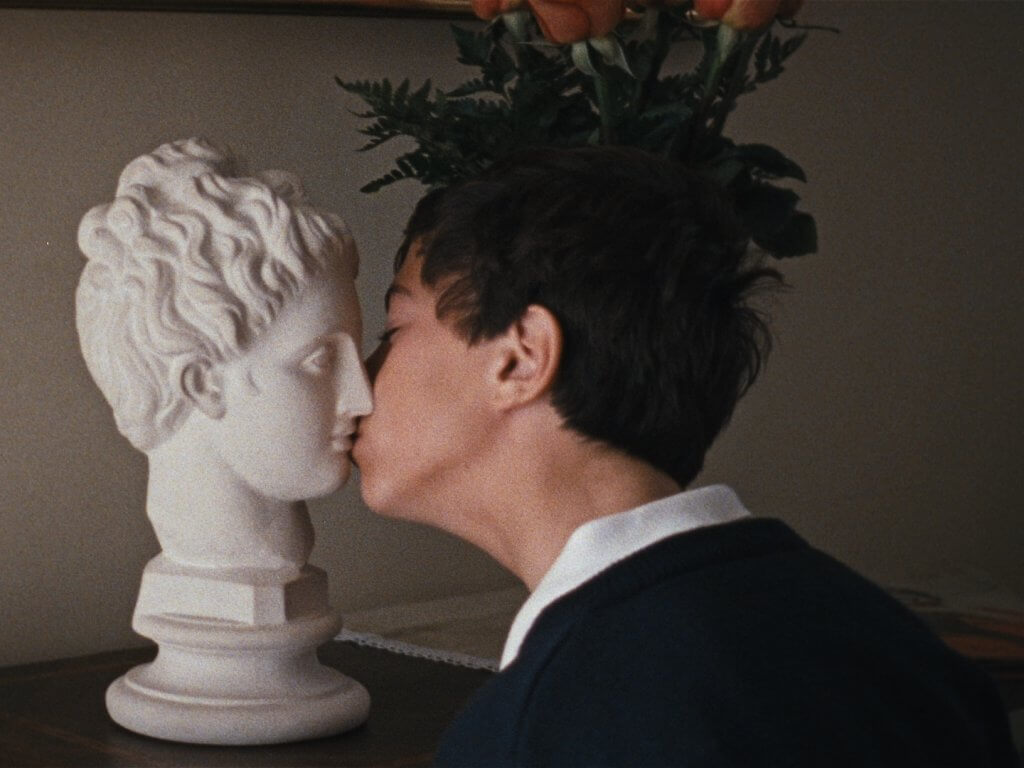
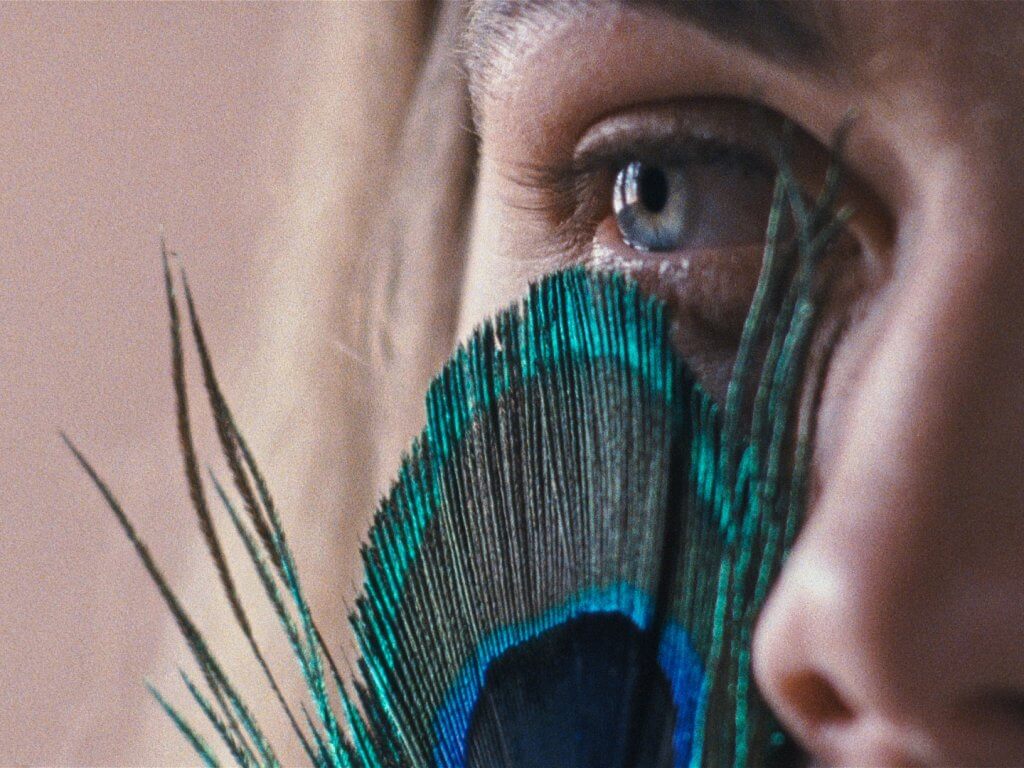
Beatriz Vasconcelos raised six children in the mid-20th-century, while her husband Henrique spent most of his time at sea. After her death, she started living on within her family: in photos, memories, fantasies. One of them was that of a tree imagined by her infantile granddaughter Catarina. Grown up and confronted with the experience of losing her own mother, Catarina creates – with a small budget and her relatives acting – an intimate elegy full of precisely arranged enactments, enriched with the colours, sounds and lights of the seas and forests of Portugal.
| Tue 31 Aug | UT Connewitz |
| 9 pm | regular: 6,5€ / reduced 5,5€ |
LS/ZA/IT 2019, D: Lemohang Jeremiah Mosese, C: Mary Twala Mlongo, Jerry Mofokeng Wa
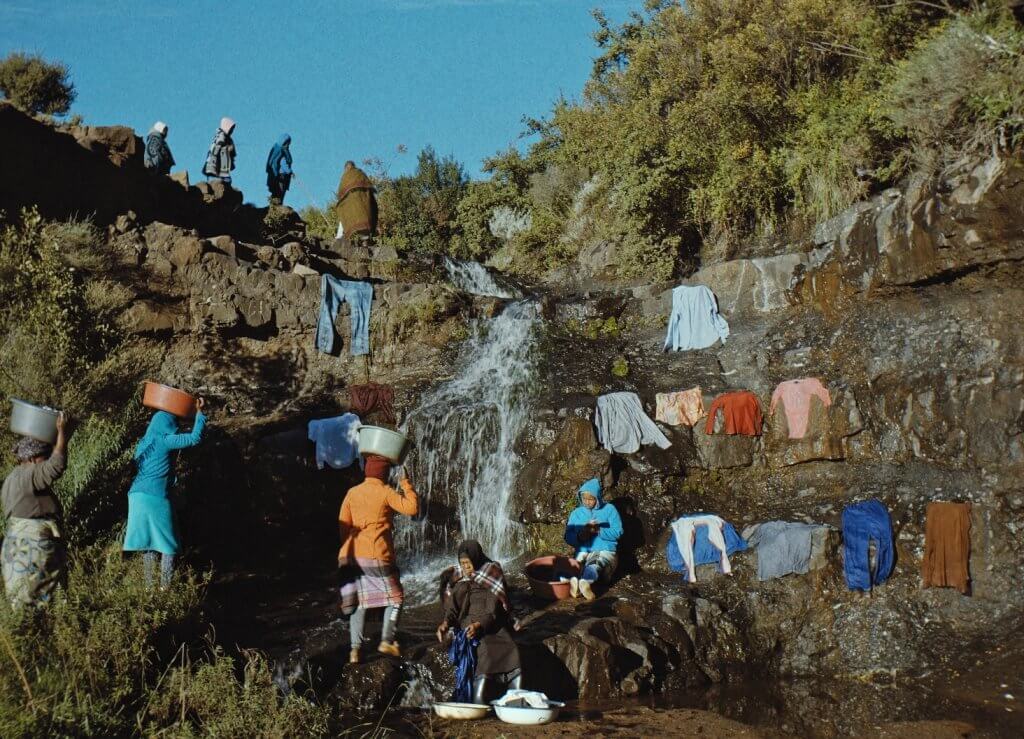
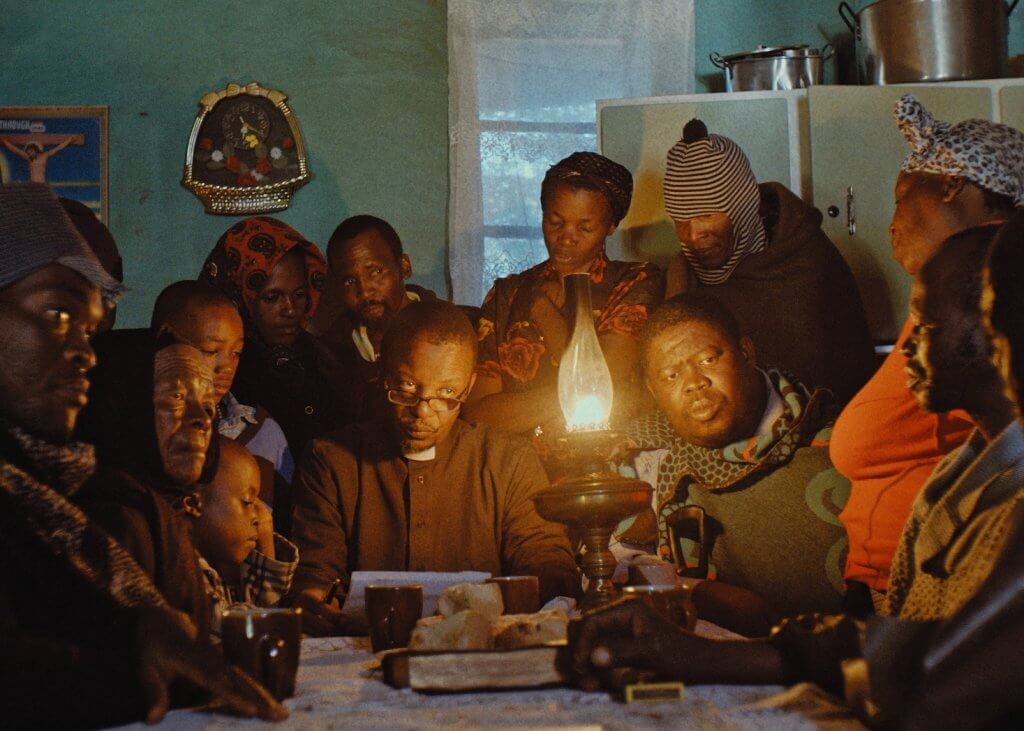

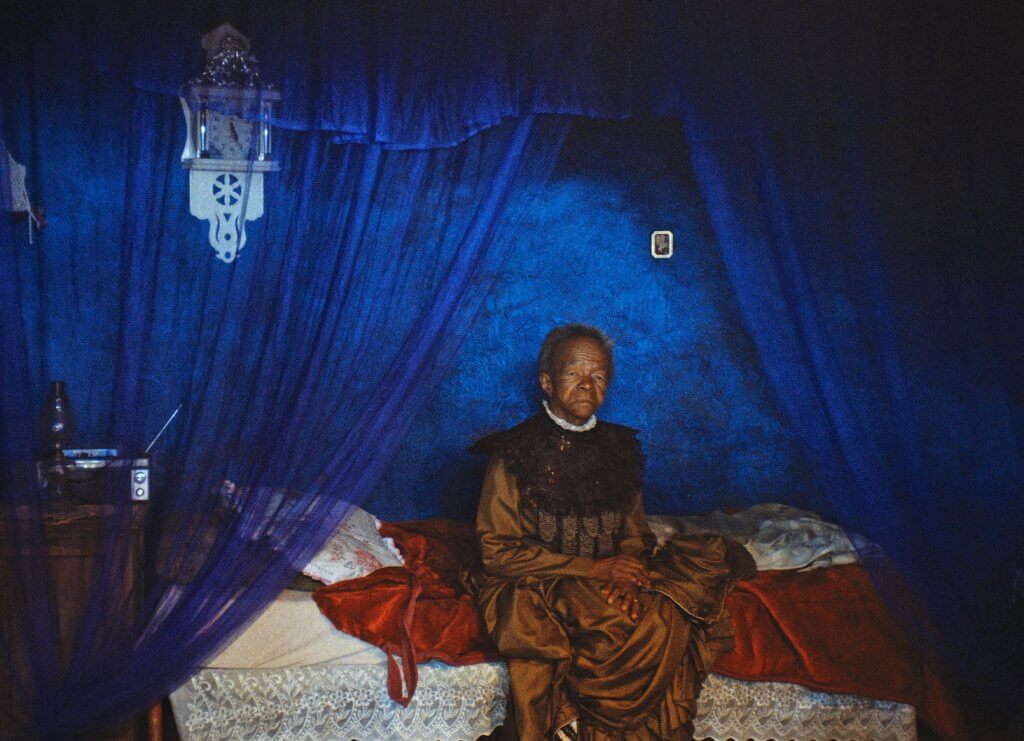
Mantoa, a 80 year old widow, learns that her last son has just died in a mine accident. She starts planning her funeral, preparing for her own death. But death does not come. Instead, there is news that the village shall be resettled, because the valley is threatened by a flood. Based on this setting, the film conceives a darkly sparkling parable about grief, neo-colonialism and collective resistance. Displaying traces of Brecht’s Epic theatre and aesthetics of Pedro Costa’s films, it is a defiant, otherworldly threnody you will not forget for a long time.
| Wed 01 Sept | UT Connewitz |
| 8 pm | regular: 6,5€ / reduced 5,5€ |
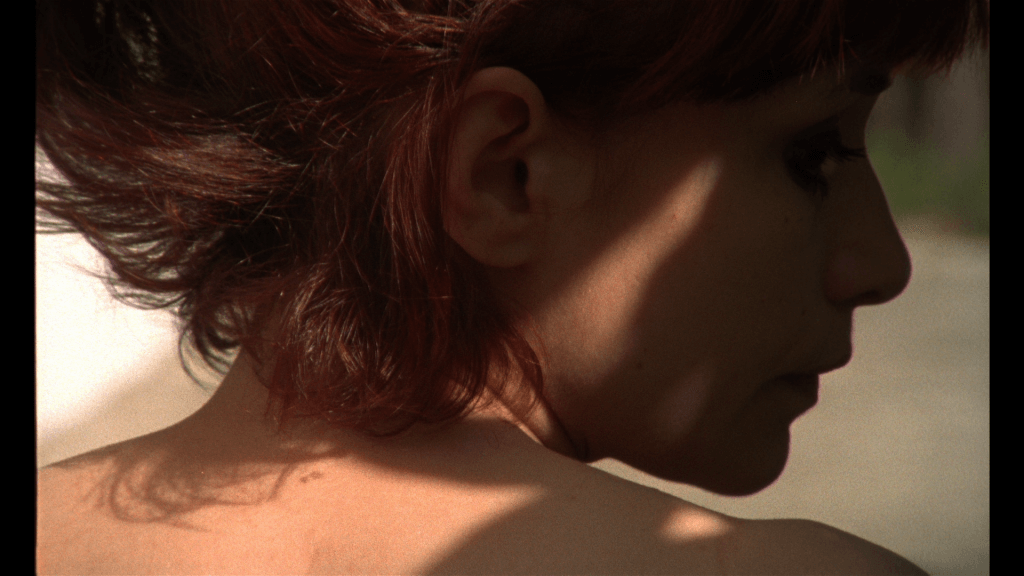
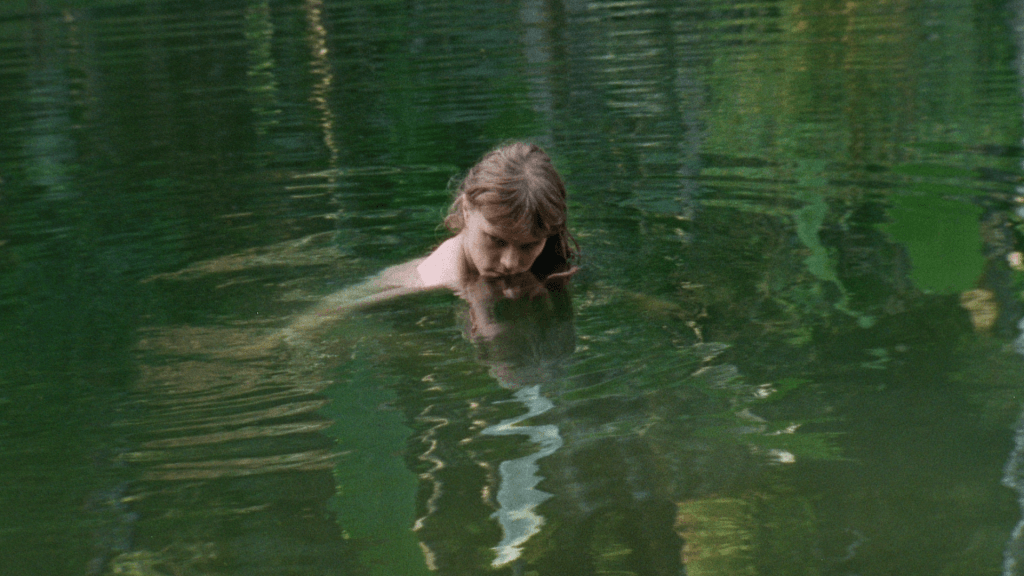
Leonor Noivo and her co-author Patricia Guerreiro verbalize the deal we agree to when watching films outright in the very first moments of REYNARD: One person (Patricia) will represent another person (Maria). The question where a person ends and a character begins splinters ambiguously into microcosms between world and self. One’s own body, this “solidary mass“ (Jean- Luc Nancy), is being mirrored in a gentle fiction, filtered through the camera of a filmmaker, enriched with biography, expanded as a metaphor and perceived as an imprint in the world: as a skin of plaster, as ephemeral waves on a water surface and a screen for the bursts of light from a projector. Intruding elements – air, light, food, words – constitute a permanent danger of contagion, of loss of self, of annihilation. The means of battle: counting, rituals, friendship, cinema.
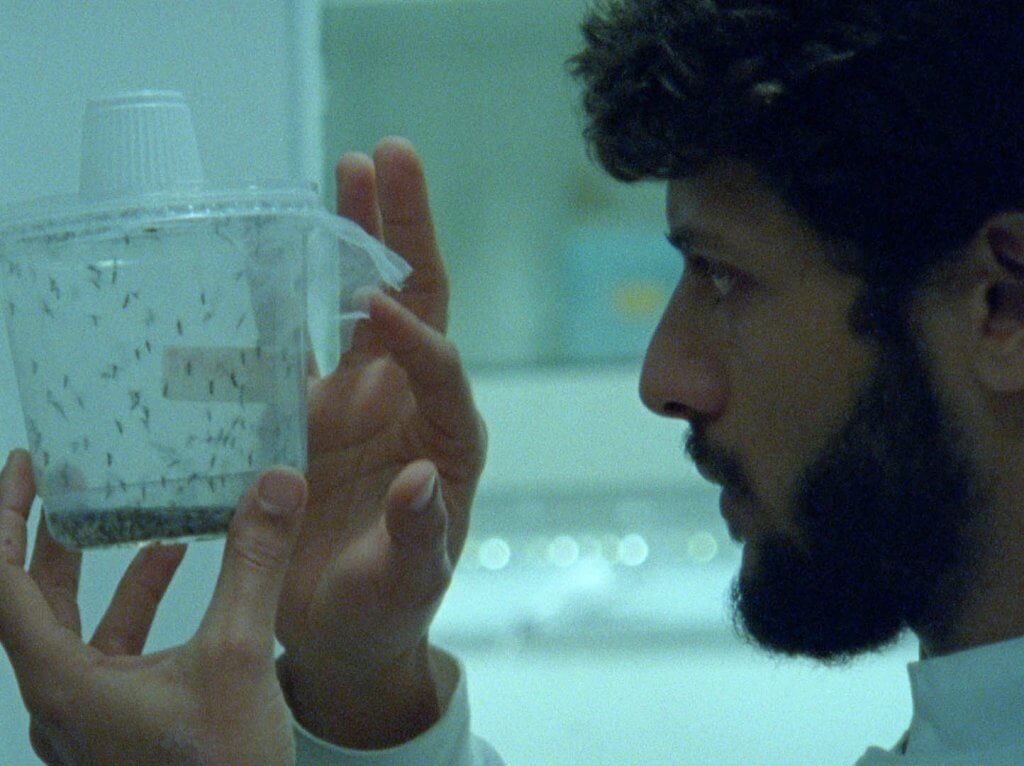
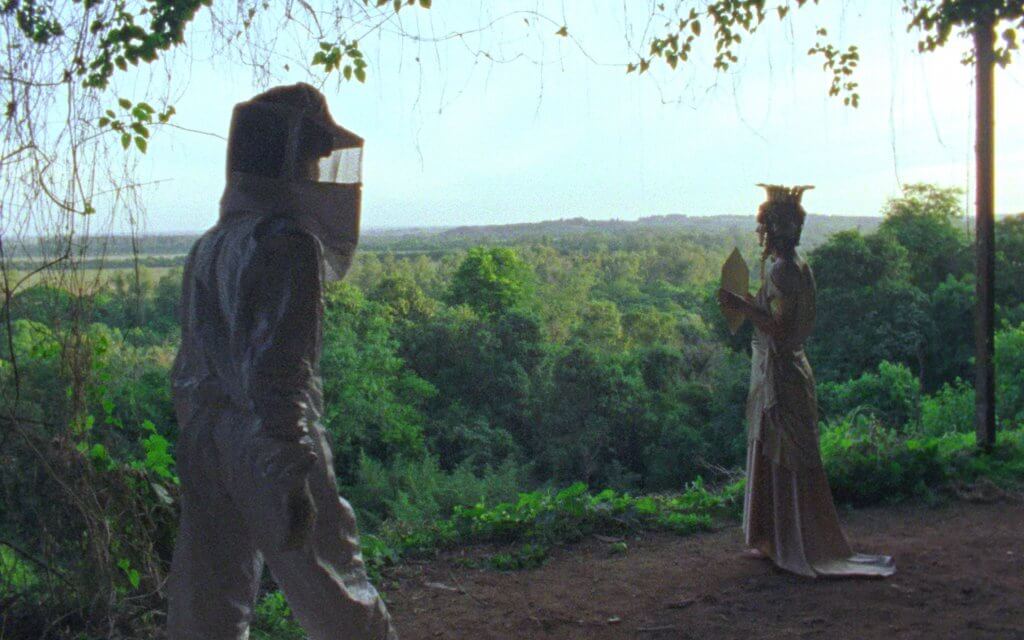
Contamination is also a central motif in THE BITE. As an epidemic, it threatens the lie of a natural, binary order of the sexes and serves as a cipher for the rise of neo-fascist structures in Brazilian society. Originally developed as a documentary- fictional multi-channel installation, the film vibrates to the sounds of London based sound artist HAUT inside a future imbued with mosquitoes that does not lie only “ahead of us“. As if we were simply dreaming on the previous film, the warm colours of DEAD PRINCESS OF JACUÍ unfold in a rainforest region called “Central Depression”. As if he was fearing the invasion of genetically manipulated mosquitoes of THE BITE, archaeologist Moreira is wearing a white protective suit. Driven by panic attacks, he travels to the heart of his own darkness to face the demons of his past and rewrite history.
| Wed 01 Sept | Plagwitzer Markthalle |
| 9.30 pm | SHORT FILM REEL Raposa 40′ + The Bite 26′ + Dead Princess of Jacuí regular: 6,5€ / reduced 5,5€ |
RAPOSA / REYNARD
PT 2019, D: Leonor Noivo, C: Patricia Guerreiro, 40’, Orig. with Eng. subs, DCP
A MORDIDA / THE BITE
PT/BR 2019, D: Pedro Neves Marques, C: Ana Flávia Cavalcanti, Alina Dorzbacher, Kelner Macedo, 26’, Orig. with Eng. subs, DCP
PRINCESA MORTA DO JACUÍ / DEAD PRINCESS OF JACUÍ
BR 2019, D: Marcela Ilha Bordin, C: Gabriel Palma, Maíra Flores, 15’, Orig. with Eng. subs, DCP
HK 1997, D: Fruit Chan, C: Sam Lee, Neiky Yim Hui Chi, Wenders Li, 104’, Orig. with Eng. subs, DCP
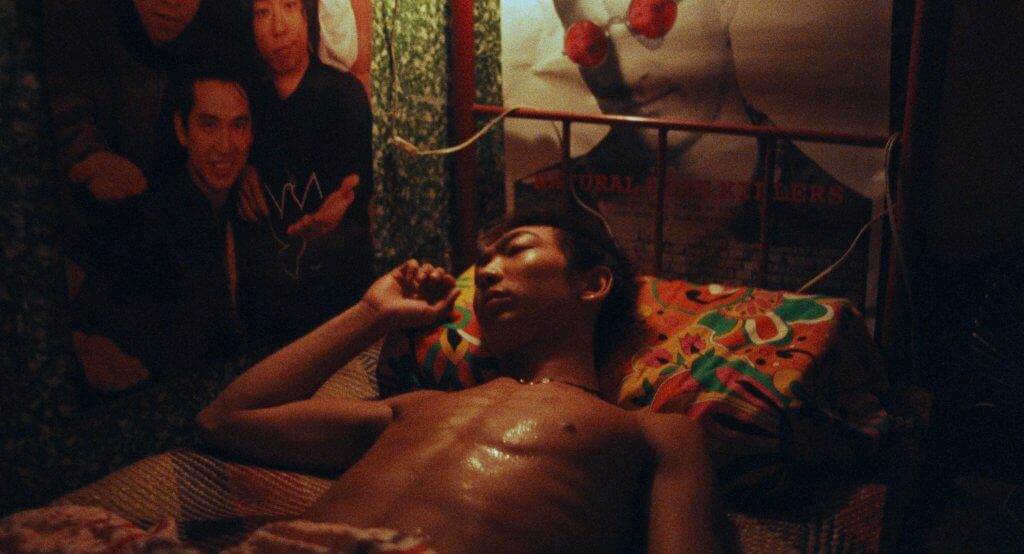
Moon plays basketball, cares for his mentally handicapped friend Sylvester and finances his every day life with occasional jobs for triad boss Brother Wing. He meets ill Ping, whom he tries to help thereafter. Simultaneously, farewell letters of an unknown girl make the group of adolescents search for a ghost in the big city. MADE IN HONG KONG is a pessimistic view into the future of an isolated terrain. Fruit Chan’s heroes are aware that the world is oriented against them. Nevertheless, they try to oppose hopelessness.
| Thu 02 Sept | Luru Kino |
| 7 pm | With an introduction by Clemens von Haselberg regular: 6,5€ / reduced 5,5€ double feature: 11€ / reduced 9€ |
HK 1980, D: Tsui Hark, C: Lo Lieh, Lin Chen-Chi, Albert Au, 95’, German Version, 35mm
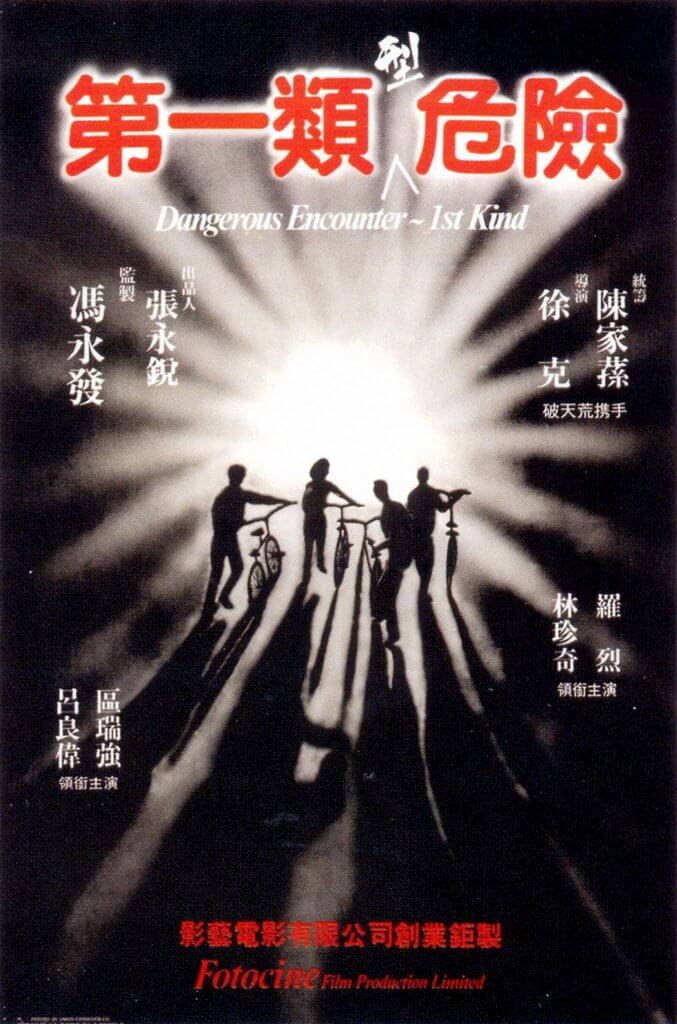
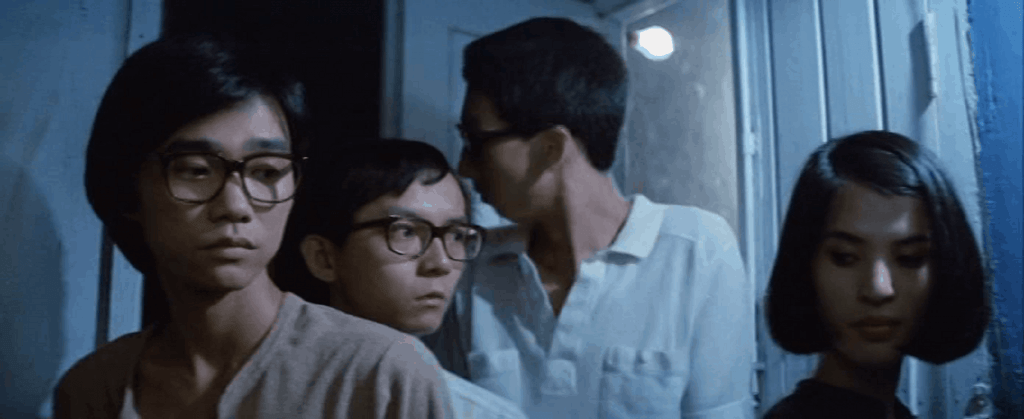
Hong Kong as a powder keg. A consumer society full of violence and corruption on stranglehold of Western colonialism. In addition, a discontented youth that strikes the match. Three students plant a home-made bomb in a cinema. Psychotically disposed Pearl observes them and blackmails the gang to conduct more anarchist actions. A youthful-naive cell develops. The gang stumbles upon the affairs of cold-blooded American Vietnam veterans – soon a triad is interested in them. The film is a rebellious early work of New Wave director Tsui Hark, who uses inescapable images with a frantic pace to stage a tabooed subject as a visual hell ride. A nihilistic shocker about a youth threatened to go to rack and ruin if their future is taken away from them.
| Thu 02 Sept | Luru Open-Air |
| 10 pm | regular: 6,5€ / reduced 5,5€ double feature: 11€ / reduced 9€ |