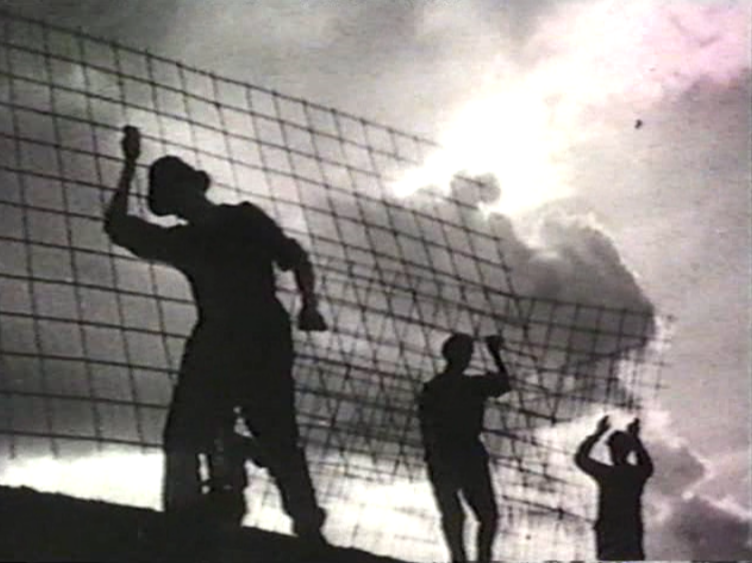
FRG 1984-86, D: Hartmut Bitomsky, Doc, 91′, OV with English subtitles, 35mm
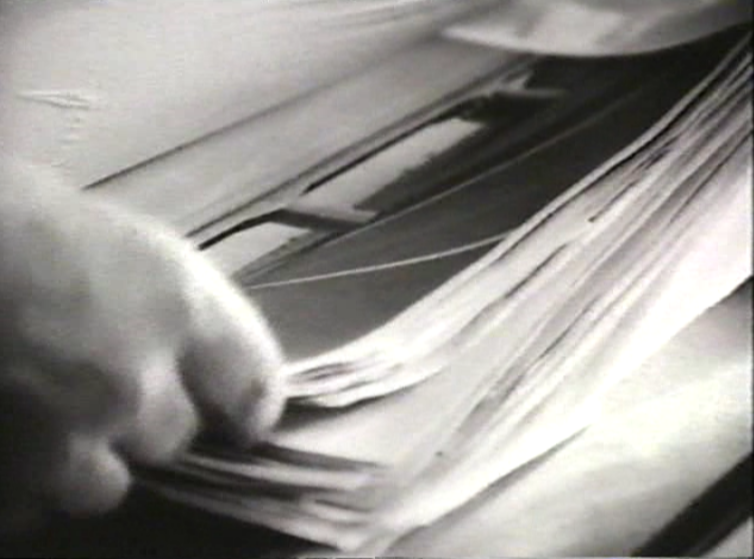
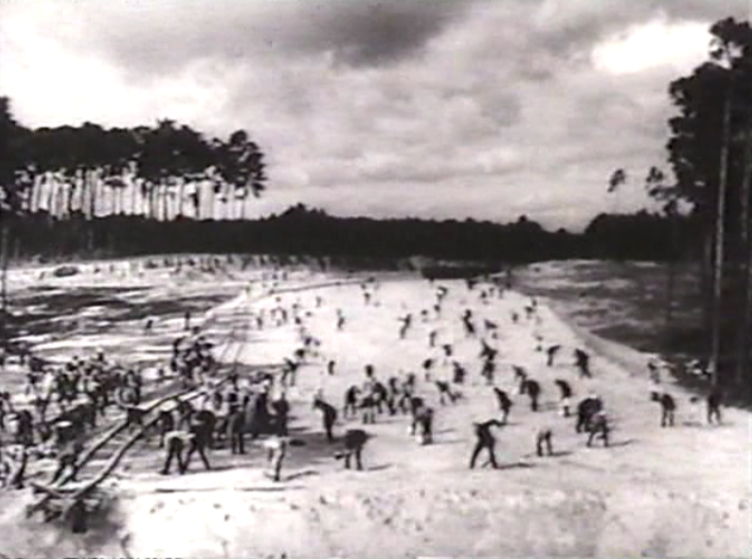
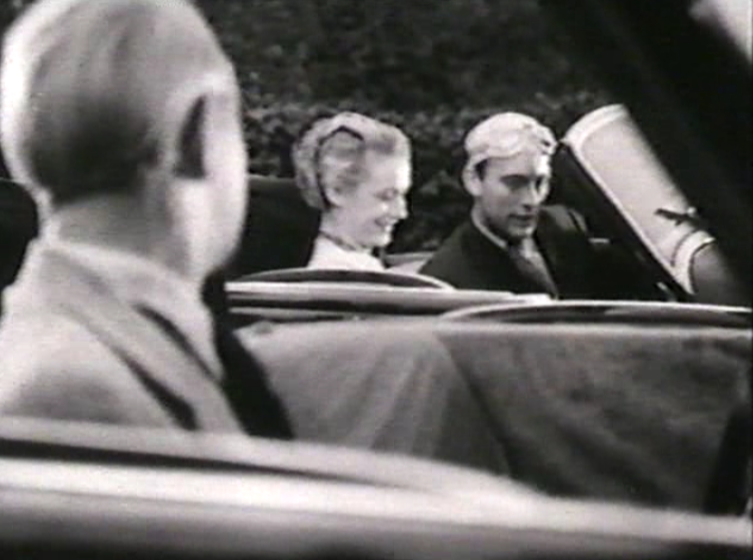
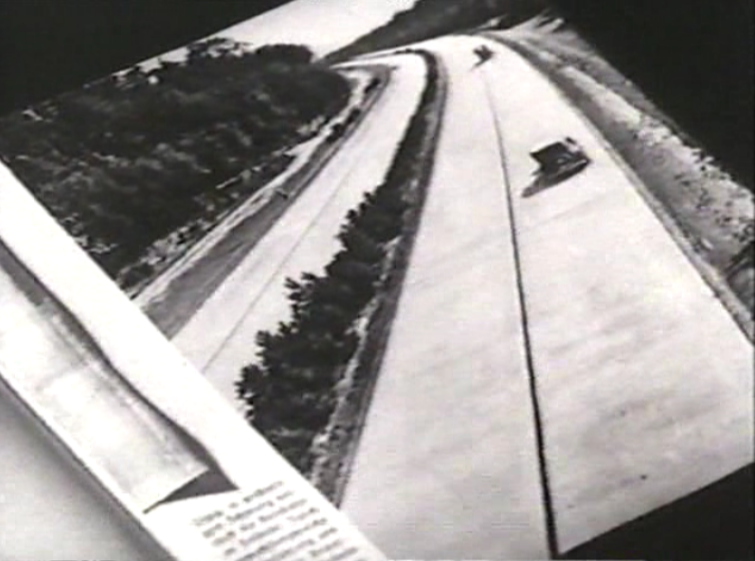
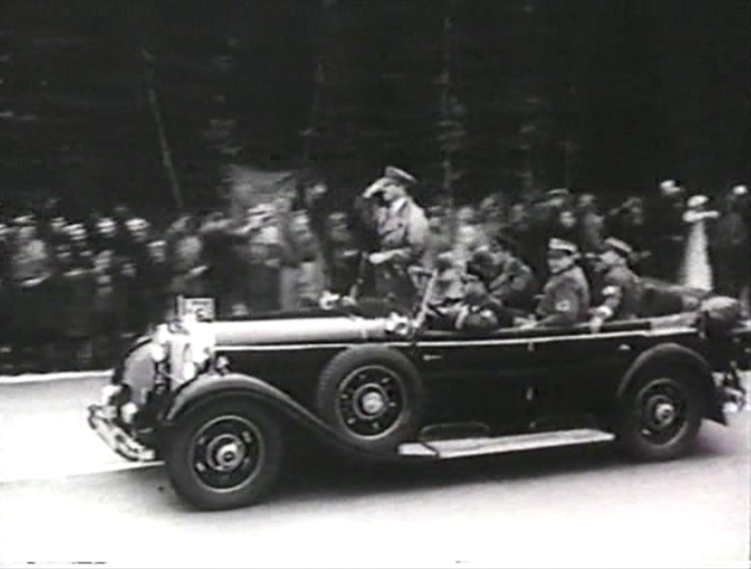
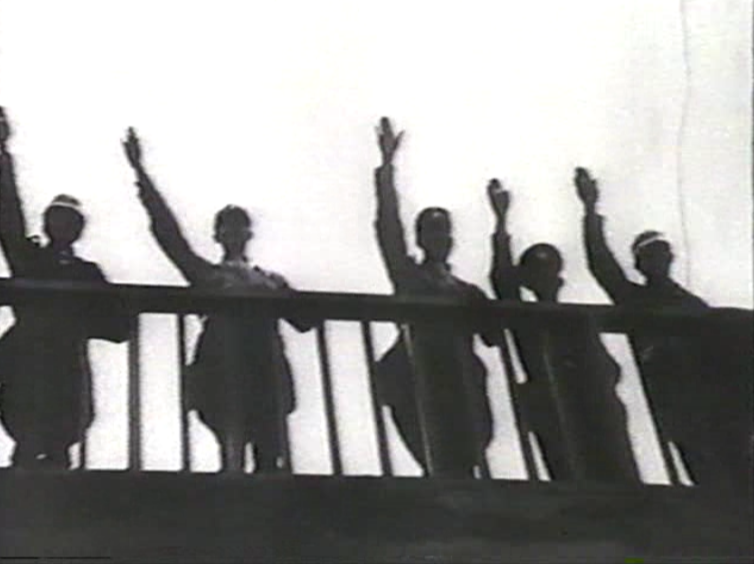
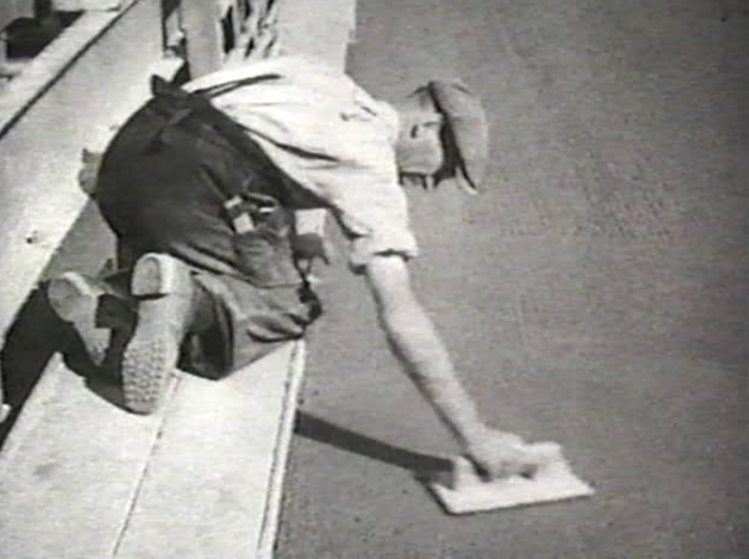
Already prior to 1933, the road- and automobile industry projected a German motorway. Only Hitler and his Inspector General for German road sector made them into a propagated showpiece. But what they created first and foremost, is its calculated aesthetics. Contemplation outshone its actual function. The autobahn was achieved through exploitative working conditions and was subsequently scarcely used. By no means, it can be regarded as a successful job creation scheme, neither did it serve as a strategic “military road“ at the beginning of the war. Nevertheless, countless films, photographs, poems, postcards, paintings and novels accompanying it never grow tired of praising it: “Books and images were the autobahn’s facade. Most of it is self-praise or reassurance. The autobahn is useful, and it is beautiful. It is proven to one what actually should have been evident. One senses the burden of the evidence.“
Repetetively, the enthusiastic worker is put into the frame, the individual bows to the big picture. It is emphasised how a modern street is in conformity with pastoral nature. An enourmous number of such produced Nazi-images is rescued from archives and compiled. Hartmut Bitomsky’s voice-over seeks to demythologise those images. Formally undogmatic on the one hand, REICHSAUTOBAHN classically gets contemporary witnesses and experts a chance to speak on the other.
[Working on the image | Insights into the work of Hartmut Bitomsky]
15 April, 9 pm – Luru Kino at the Spinnerei – € 6,5 (5,5 red.)
THEATRUM ORBIS TERRARUM
PT 2013, A: Cavaleiros do Mar, João Fernandes, 30′, OV with Englisch subtitles, DCP

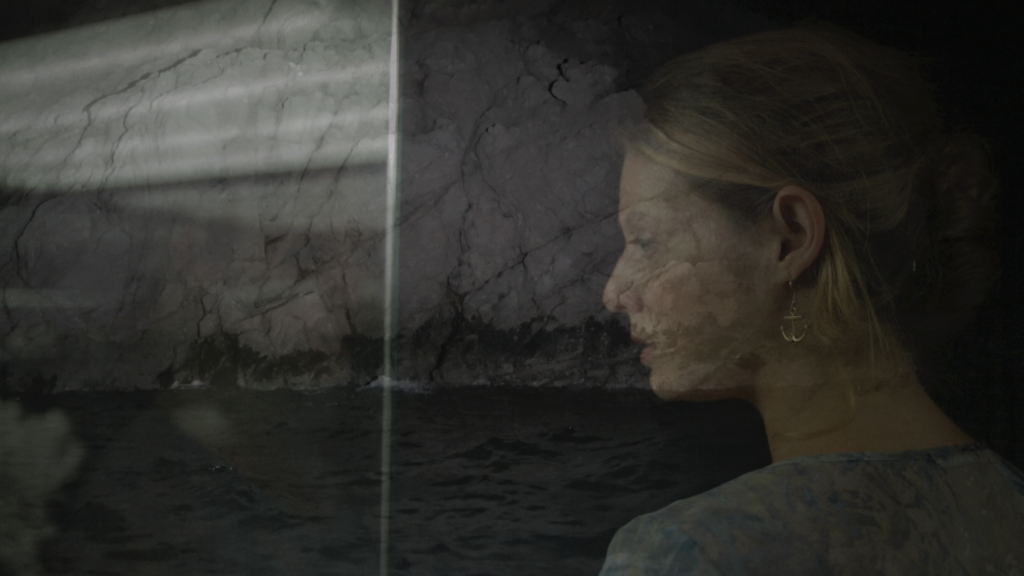
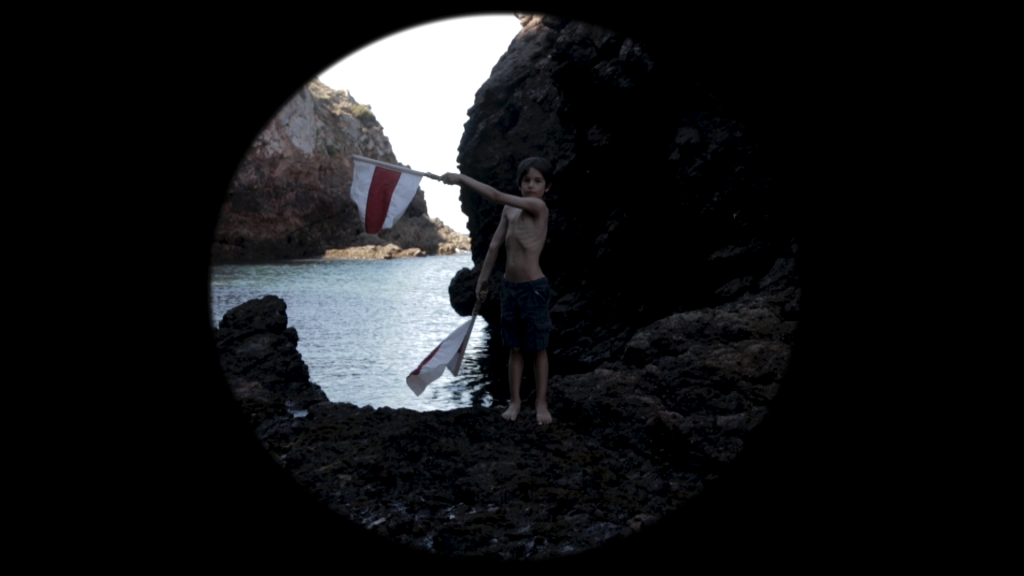
A TORRE
PT 2015, Doc, 8′, OV with Englisch subtitles, DCP
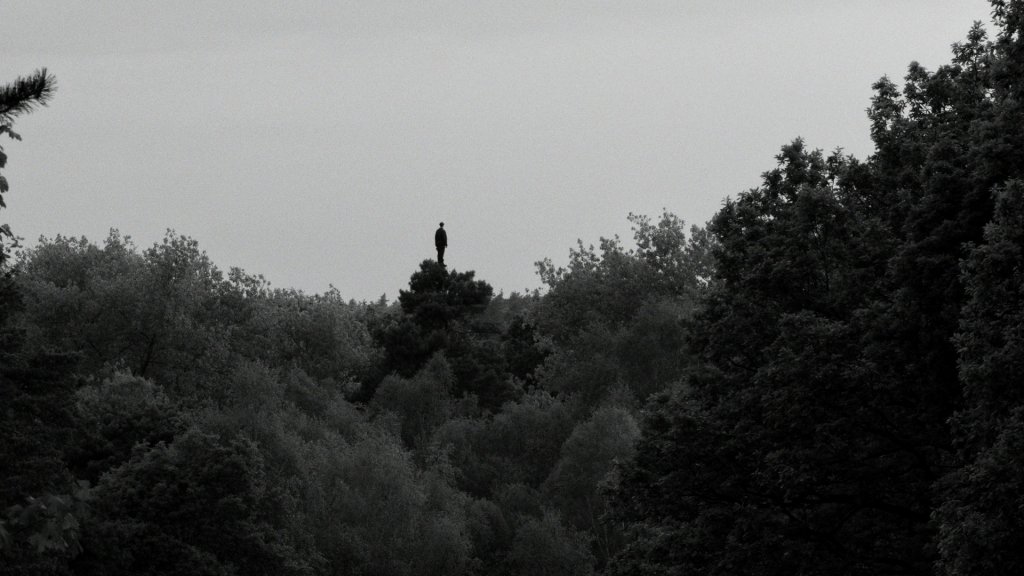
UBI SUNT
PT 2017, Doc, 30′, OV with Englisch subtitles, DCP
COUP DE GRÂCE
PT 2017, A: Miguel Borges, Clara Jost, João Pedro Benard, 25′, OV with Englisch subtitles, DCP
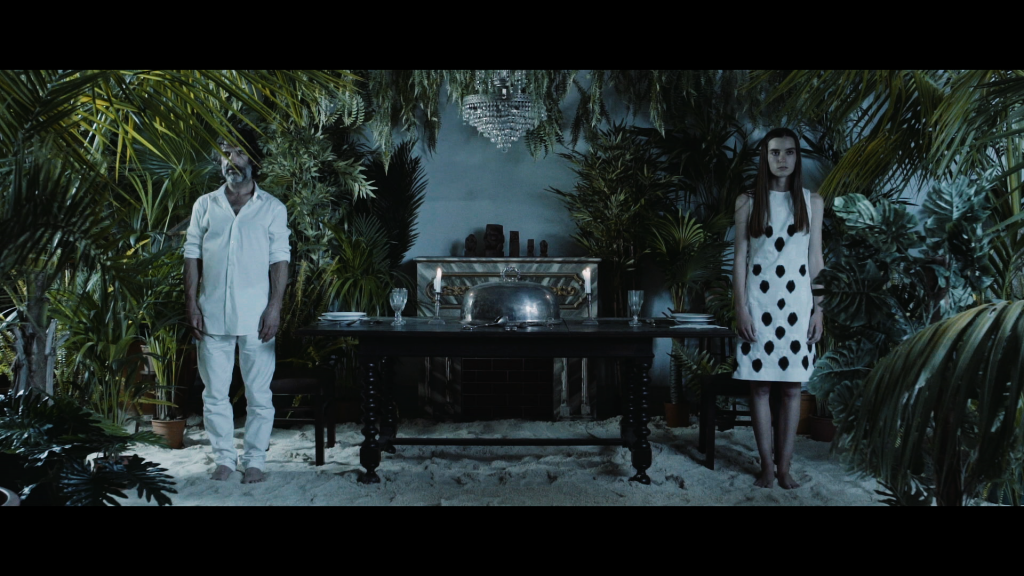
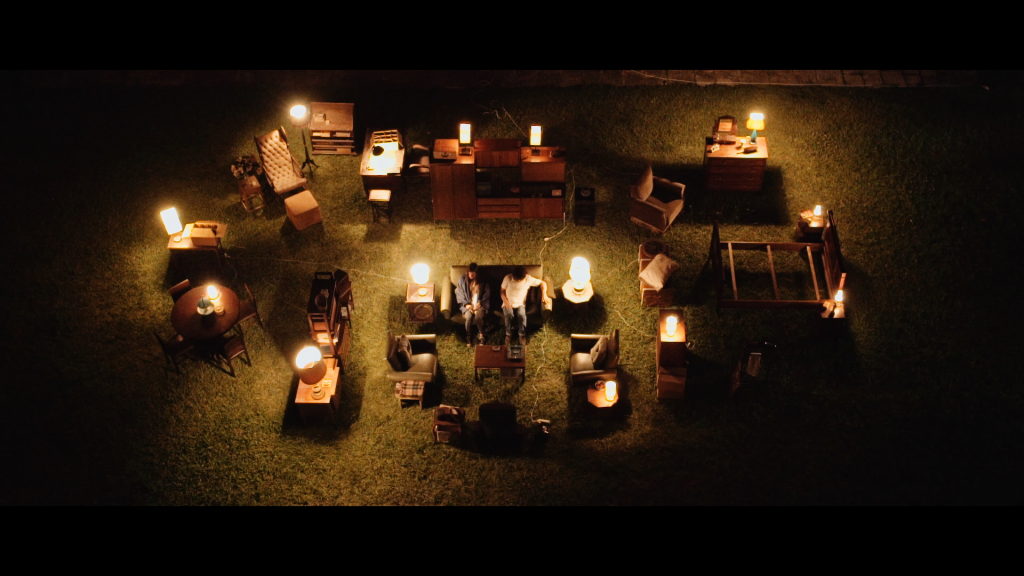
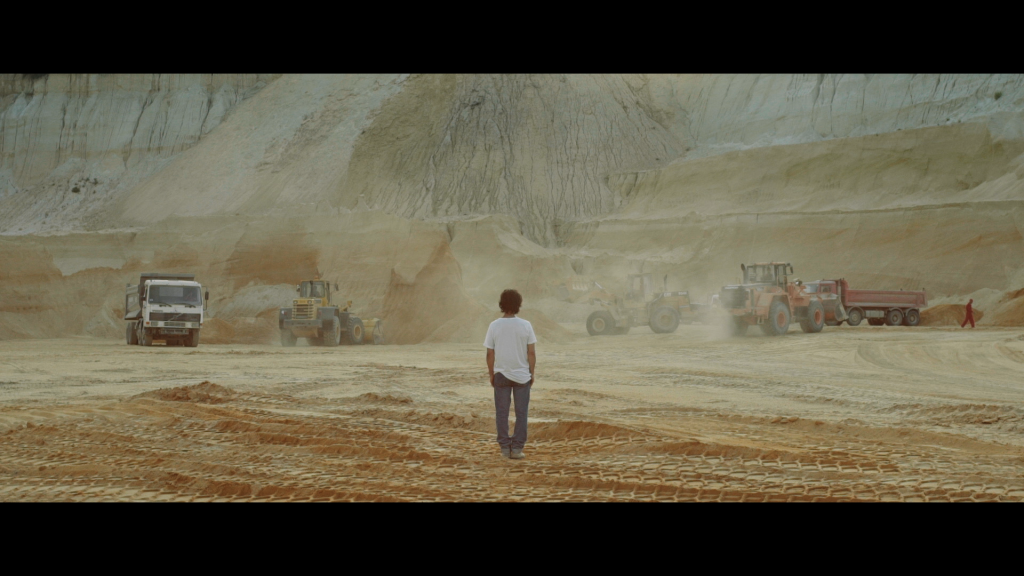
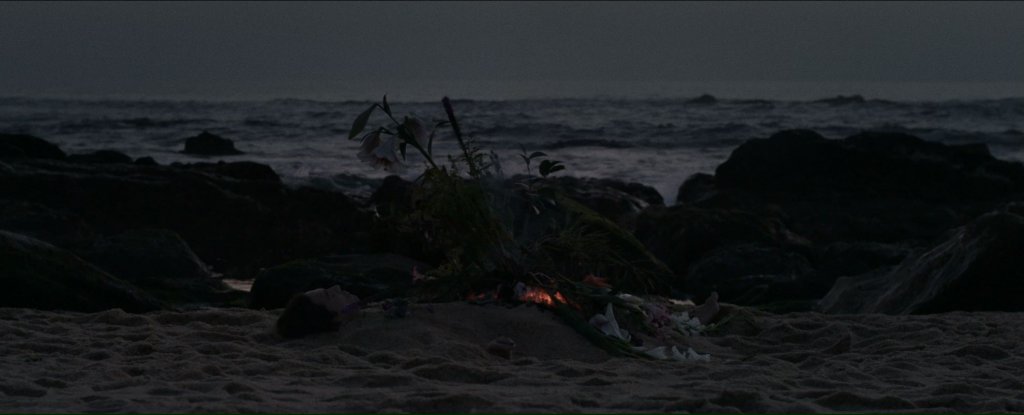
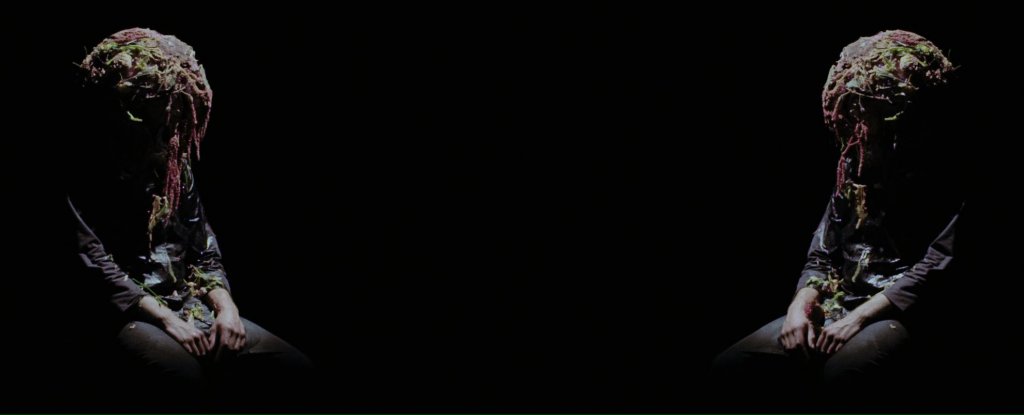
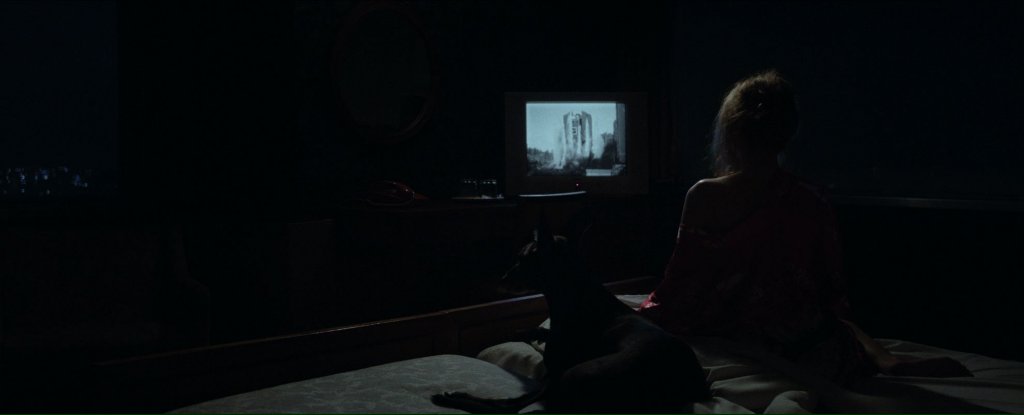
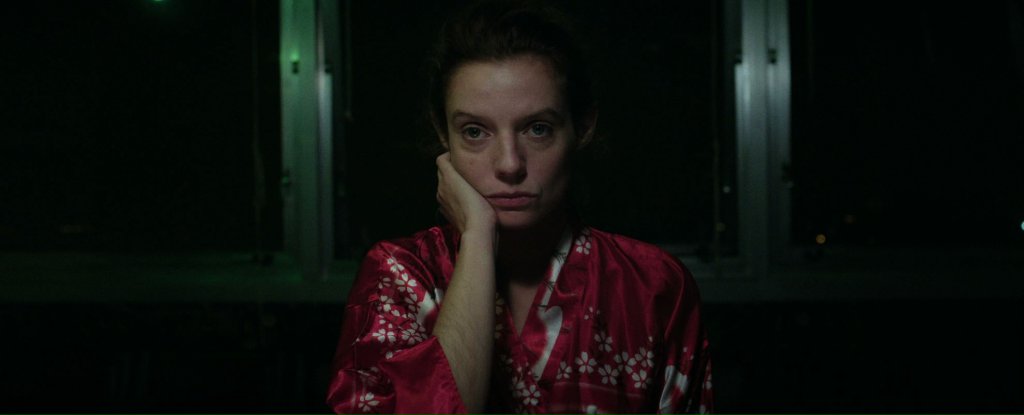
Juxtaposed, the assembled films exhibit central themes and narratives that are particularly present in Lamas’ work, such as the relation of a story to its visual representation or the impact of fiction in every kind of storytelling – most notably in allegedly documental narratives. Lamas’ objective is not so much a “true“ depiction of the real, but rather she focuses on ambiguities, on elements of social realism being side by side with dreamlike, surreal telling.
A TORRE for example consists of material that came about during the filming of EXTINCTION (see 20 April, 8pm). In contrast to EXTINCTION, protagonist Kolya does not enter the delicate realm of nationalistic conflicts here, but instead only the region where nature and human body, sky and earth meet. Kolyas body blends with a treetop. Lamas offers different variants on how this border transgression can be read. In TEATRUM ORBIS TERRARUM, the point of reference is the first atlas from the year 1570, consisting of 70 single cards. The idea of a pictorial depiction of space is the starting point of her unique adventure tale, where she expands the arbitrariness and fictivity of a map to museums and archives, that is to the other representing forms of “theatre“. UBI SUNT addresses the social and geographic outskirts of Porto with eclectic images and stories. Interviews of inmates of a juvenile prison alternate with dance performances.
16 April, 7 pm – UT Connewitz – € 6,5 (5,5 red.)
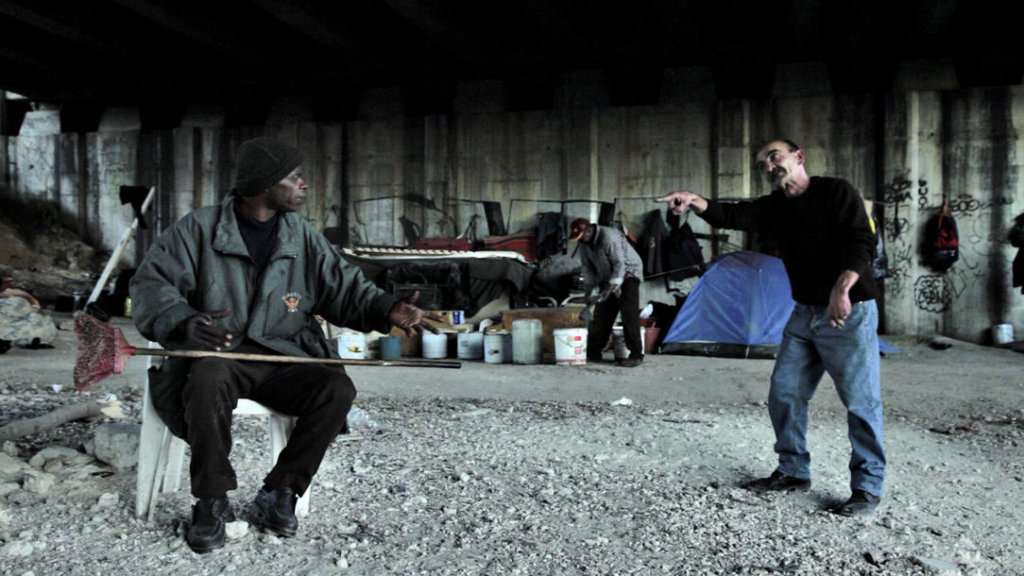
PT 2012, D: Salomé Lamas, 72′, Doc, OV with Englisch subtitles, DCP
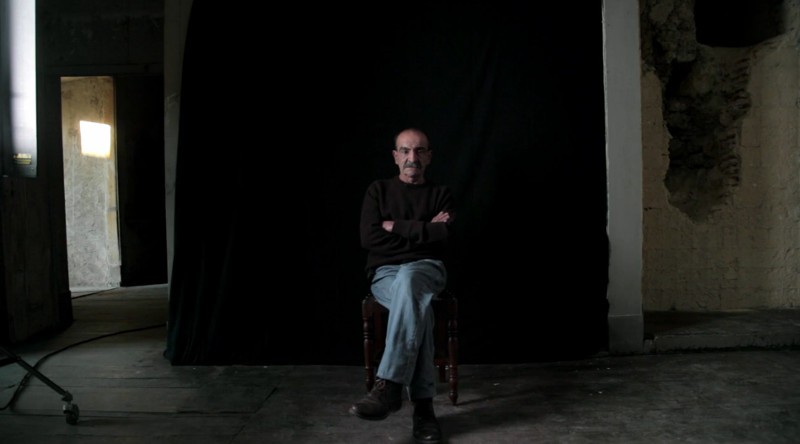
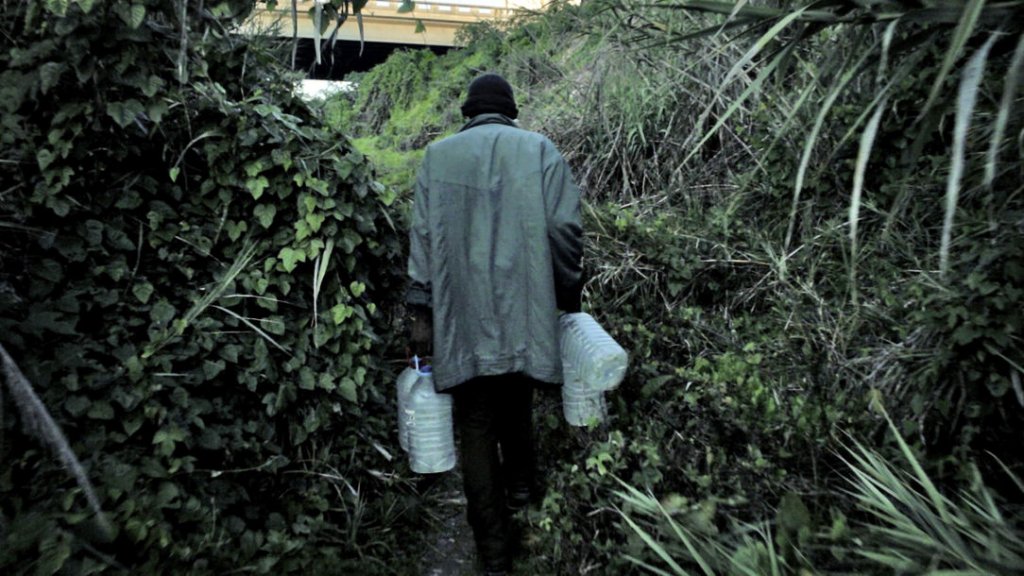
In Lamas’ debut feature, Paolo de Figueiredo (66) reports on killing. As a young man, he joins the colonialists’ army during the liberation wars in Mosambique and Angola. Following the Carnation Revolution in 1974, he starts working as a CIA mercenary in El Salvador, eventually murdering on behalf of the anti-basque underground organisation GAL (Grupos Antiterroristas de Liberación). The insolency of those killings – in Angola, “there were no hostages, just corpses“ – is mirrored in Paolo’s report. Paolo delivers neither confession nor admission, but tells the tale of his biography as a killer remorselessly and uncritically. He says that was never bribed, although money did always come into play. And all of the victims deserved to die, that goes without saying. Longing for the former blood frenzy, Paolo is driven to peacuful Portugal’s emergency rooms to smell the „sweet smell of blood“ once again.
The simple order of the narrative situation – Paolo himself, a fixed camera shot, a chair and a plain room – pairs with a complex treatment of the premises of documentary narrative: authenticity, testimony and historical truth. Their reliability and inevitability is problematised by Lamas in an at first sight ostensibly unremarkable tale, in which history and stories are intermingled.
16 April, 9 pm – UT Connewitz – € 6,5 (5,5 red.)
Trailer
Dying is never truthful in motion pictures, yet the drama of death is omnipresent, particularly in the sometimes linear, sometimes arduous journey film characters have to undertake to meet their end. For “it is rather killing that cinema is concerned with and less death itself. Cinema engages in activities and less in conditions.”
With an introduction by Frederik Lang (in German)
[Working on the image | Insights into the work of Hartmut Bitomsky]
17 April, 7 pm – Luru Kino at the Spinnerei – € 6,5 (5,5 red.)
CINEMA AND DEATH
FRG 1988, D: Hartmut Bitomsky, 46′, German version, Betacam SP
BRESSON’S “L’ARGENT”
FRG 1983, D: Hartmut Bitomsky, Manfred Blank, Harun Farocki, 30′, German version, file
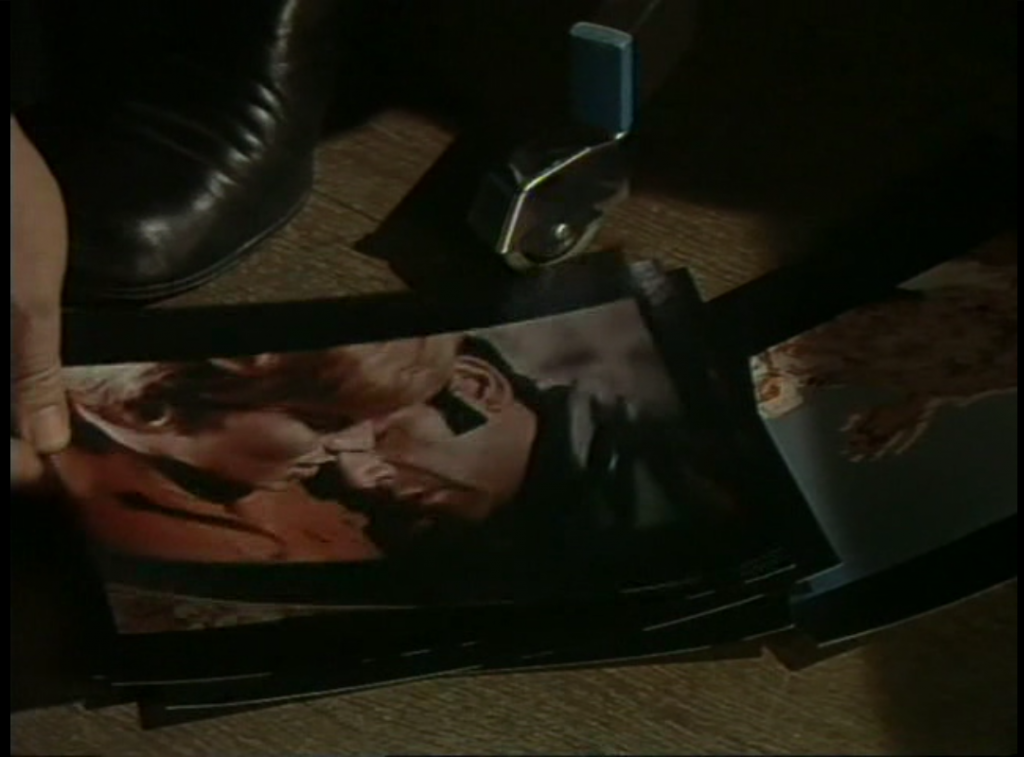
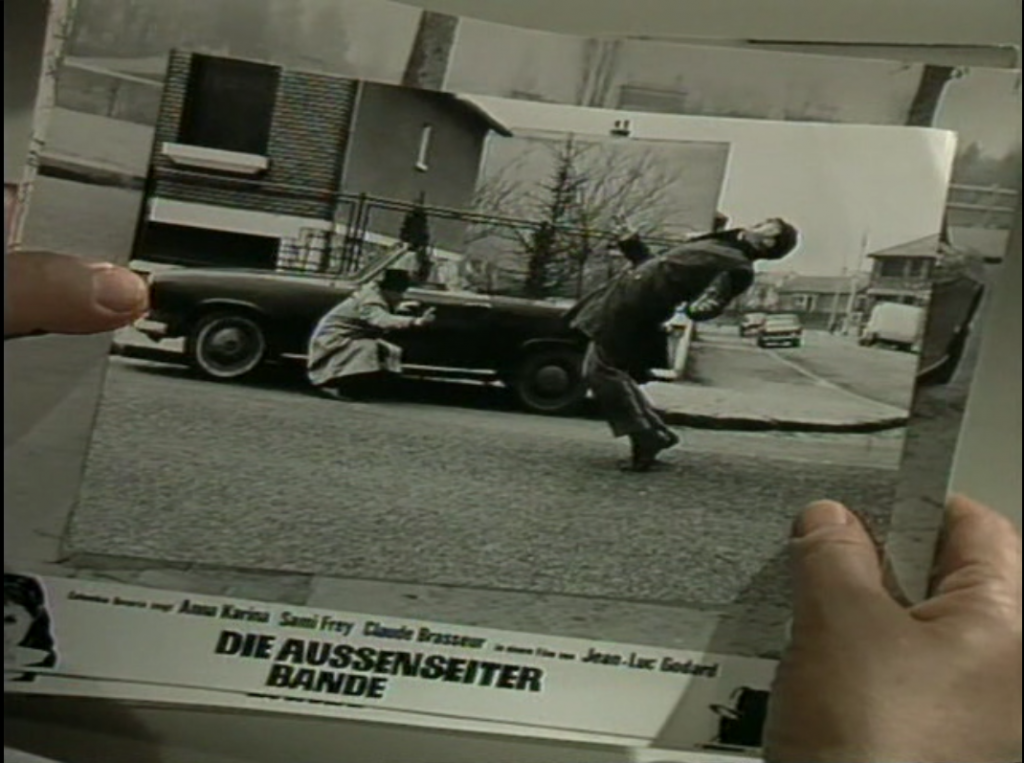
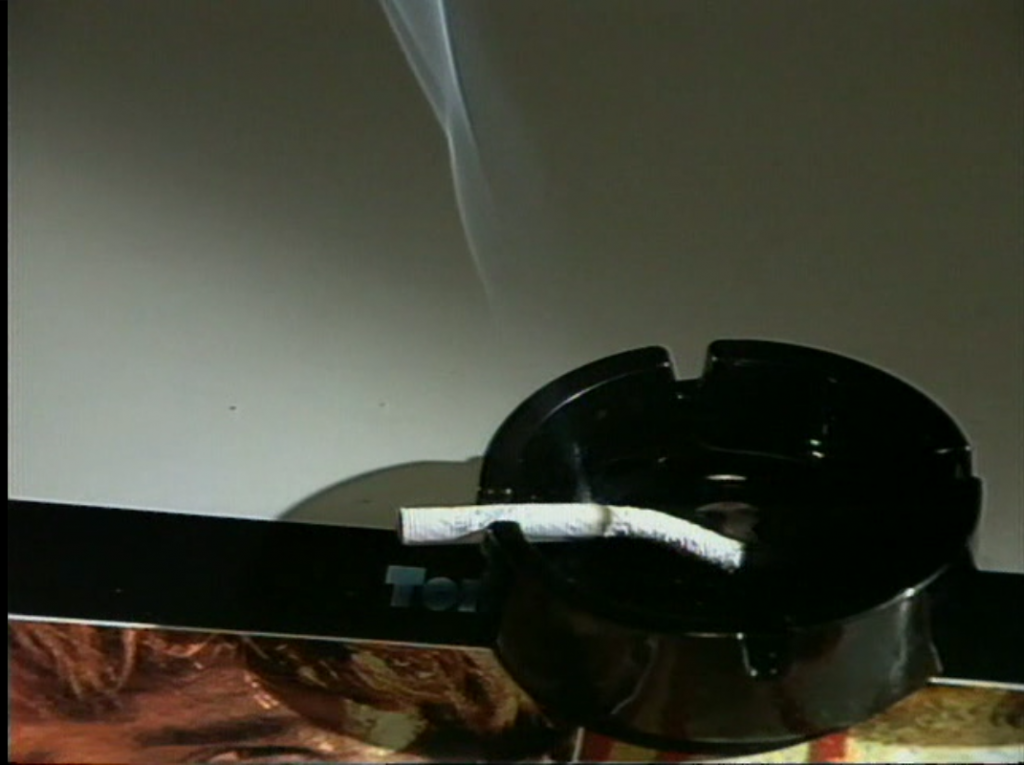
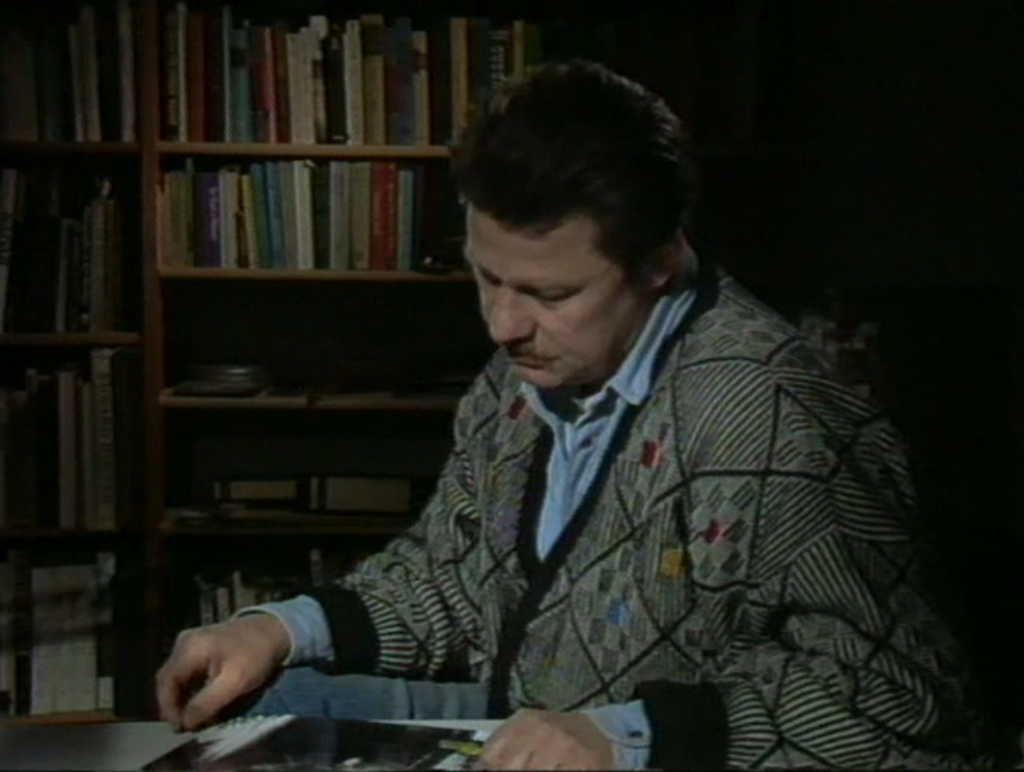
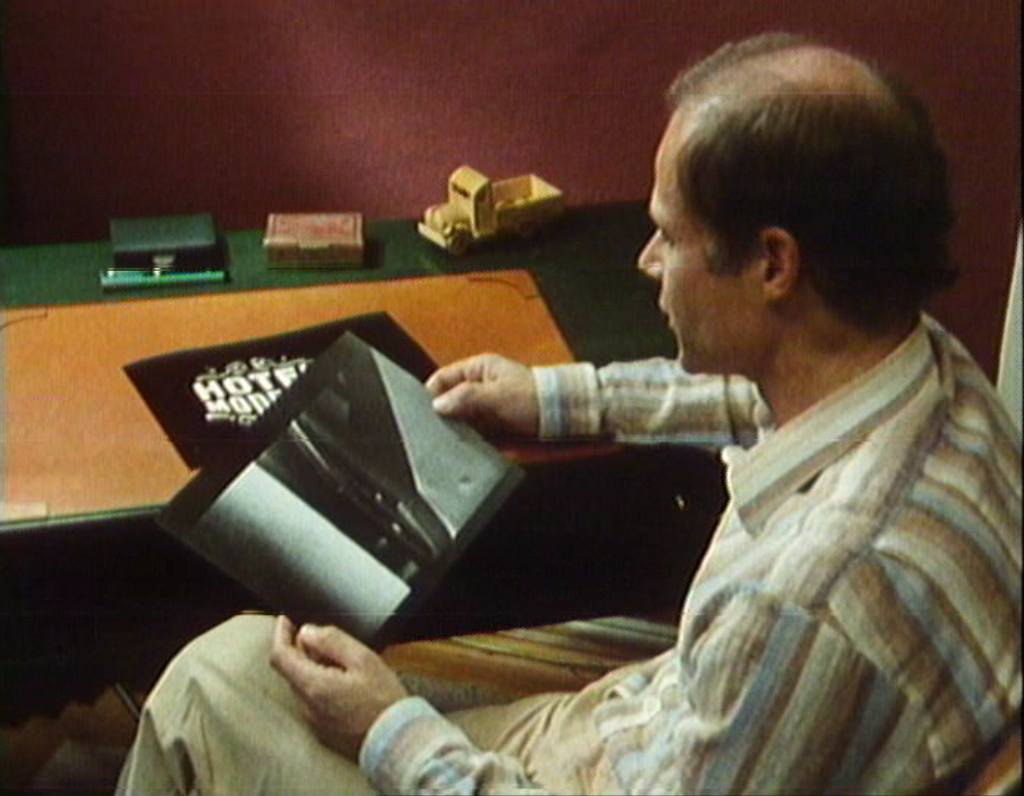
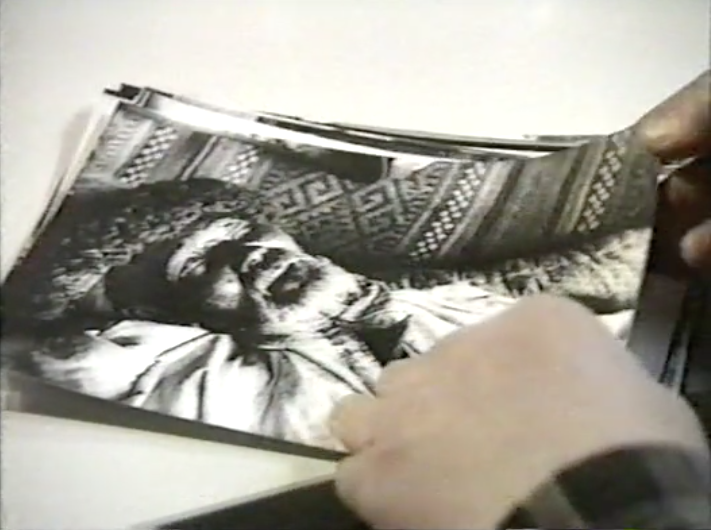
CINEMA AND DEATH is a film essay on the narratology of “cinematic death” in commercial cinema, a death that is accompanied by picturesque settings and self-referential acting. Bitomsky’s directorial reduction embodies the downright opposite: throughout the film, he is sitting in his dimly lit study, we become aware of film photographs spread out, cigarettes burning down in the ashtray and books that have been used – a seemingly private situation, an intimate dialogue with the films.
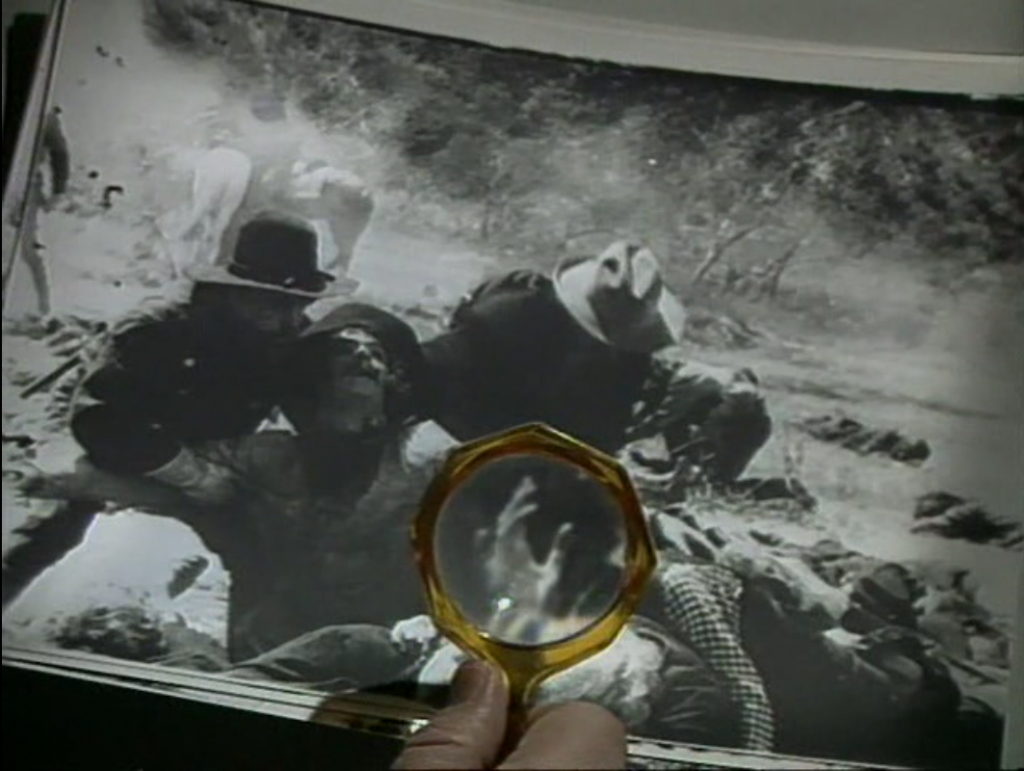
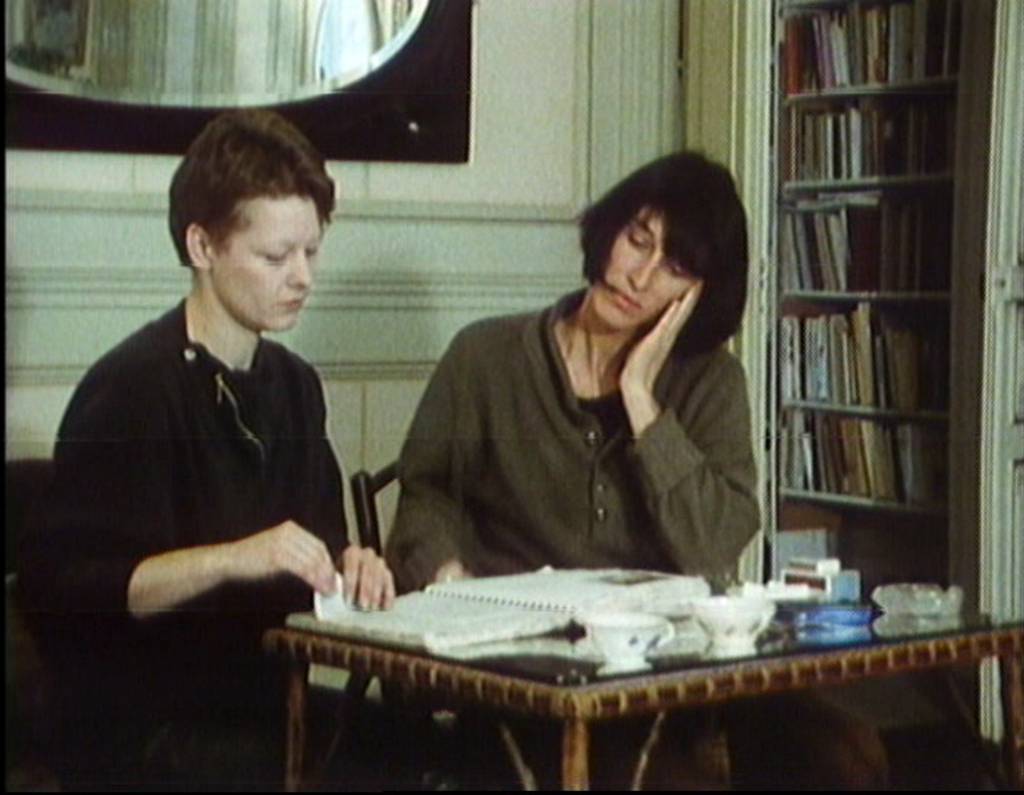
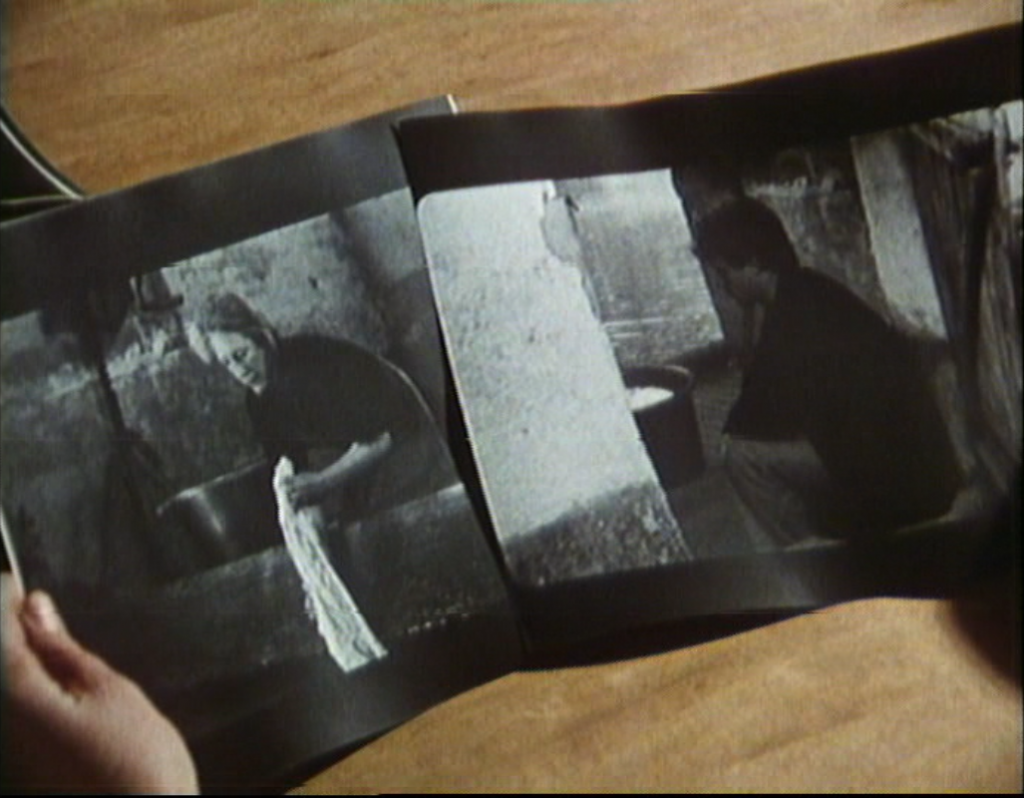
BRESSON’S “L’ARGENT” is the attempt of film analysis with the means of cinematography. This methodically reflexive approach on Robert Bresson’s last film is far from merely reproducing or even rhapsodizing, as Bitomsky makes clear in the very beginning: lying on the table in front of him is the object of his examination, that is condensed moments of cinema in the form of black and white photographs of Bresson’s film that was shot in colour – which is no aesthetic deficiency, as “a film stands in the same right to what is said or written about it”.
Excerpt
Cinema and Wind and Photography (D 1991, Hartmut Bitomsky) / Spare Time (UK 1939, Humphrey Jennings)
CINEMA AND WIND AND PHOTOGRAPHY
D 1991, D: Hartmut Bitomsky, 56′, German OV, DigiBeta
SPARE TIME
UK 1939, D: Humphrey Jennings, 15′, English OV, 16mm
How should one define the relationship of documentary film to reality? Does it aim at authenticity or is it rather an “exile of reality”, a “foreign homeland of reality”, where the pre-filmic, stripped of its immediacy, comes to its own right in the first place? Where in its mis-en-scène would be the line drawn to a fictional film, if drawing a line would succeed at all?
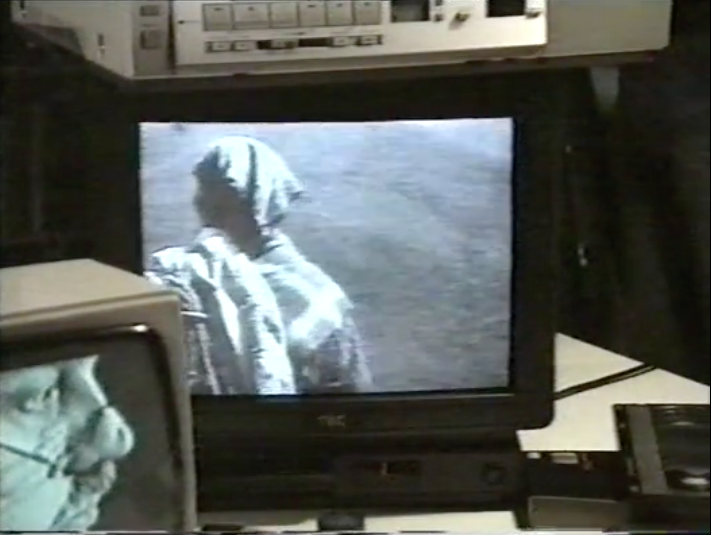
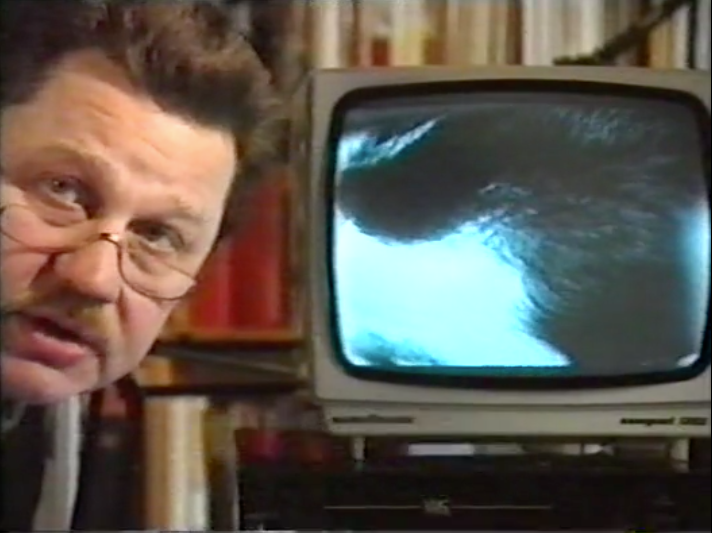
These are the kind of questions this film essay on the history and aesthetics of documentary film deals with in its seven chapters, its form decidedly incorporating the open motion of the quest. It is not about assigning rights or wrongs to individual protagonists or theorists of documentary film. Emphasised is the indecisive, ongoing dialogue with their ideas – in a kind of spatial experimental setup. We observe how Hartmut Bitomsky and his staff in turn watch films and relate them to each other. They are shown in a workspace equipped with several monitors and VHS recorders, theory books are piled up, now and then videocassettes with the next film examples are picked out and stage directions are being given. The intrinsic aesthetic value of the samples becomes secondary, what matters is the visual and ideational mediation work. For example, sequences of Humphrey Jennings’ SPARE TIME undergo an aestehtic translation. Following Bitomsky’s film, it will be shown in its entirety – what is stressed in the work of reference, what is left out?
[Working on the image | Insights into the work of Hartmut Bitomsky]
17 April, 9 pm – Luru Kino at the Spinnerei – € 6,5 (5,5 red.)