FINDING WORDS | The unadorned, humanistic documentaries of Nurith Aviv
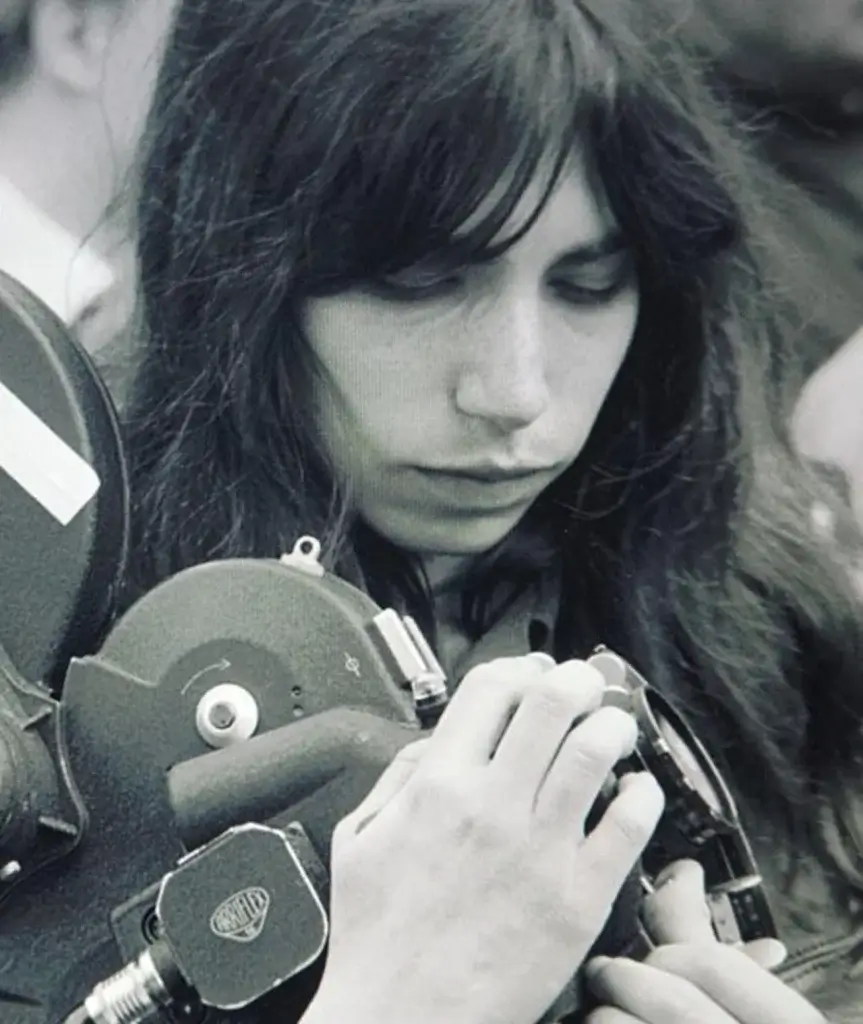
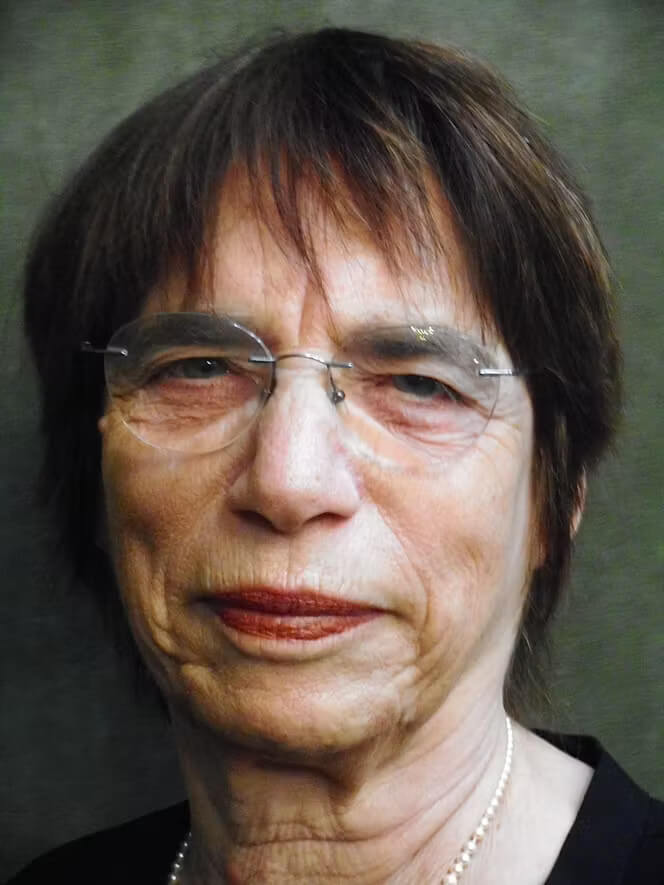
Nurith Aviv’s documentary cinema adopts the most unadorned form imaginable, allowing people to speak in static medium shots. This is by no means fashionable in contemporary documentary filmmaking. Whilst many essayistic works unfold their reflections through commentary, montage and image-sound dichotomy, Aviv relies on the power of conversation, on bodies that express themselves through speech. Her camera observes thoughtfully – and listens. In calm, static shots, she allows language to become an event – as the bearer of memory, history and identity.
Born in Israel in 1945 and living in Paris since the 1970s, Aviv is France’s first trained female cinematographer – and perhaps even the world’s first, as she herself cautiously suggests. Following close collaboration with female directors such as Agnès Varda and Ruth Beckermann, she developed her own body of documentary work, which consistently explores the social and cultural imprints of language in all its facets. Whether it is the blank spaces in Jewish life and language in post-war Germany (VATERS LAND), the search for a new linguistic home in D’UNE LANGUE À L’AUTRE, the stories of first names in PRÉNOMS, sign languages in SIGNER, or the silent gazing in SON PORTRAIT, MON PORTRAIT: Aviv is always interested in people who have things to say and bring them up. It is precisely in its formal simplicity that her cinema unfolds a form of radicalism – a quiet GEGENkino.
| Sun 13 September 2026 Schaubühne Lindenfels | |
| 21:00 Uhr | LOSS FR/DE 2002, R: Nurith Aviv, 30’, OmeU, DCP FROM LANGUAGE TO LANGUAGE FR/DE/IL 2004, R: Nurith Aviv, 55’, OmeU, DCP |
| Mon 14 September 2026 Schaubühne Lindenfels | |
| 21:00 Uhr | SIGNING FR/IL 2018, R: Nurith Aviv, 60’, OmeU, DCP HER PORTRAIT, MY PORTRAIT FR 2026, R: Nurith Aviv, 15’, ohne Dialog, DCP |
| Tue 15 September 2026 Schaubühne Lindenfels | |
| 21:00 Uhr | GIVEN NAMES FR 2026, R: Nurith Aviv, 82’, OmeU, DCP |
SHORT FILM REEL
PEDRAS INSTÁVEIS / UNSTABLE ROCKS
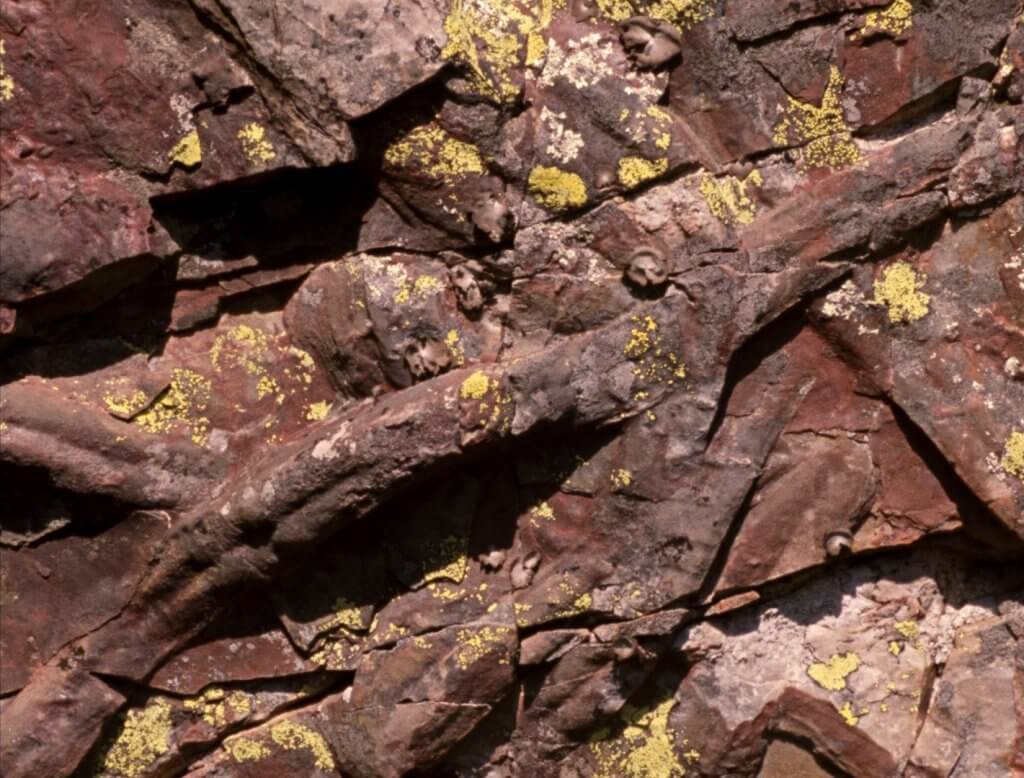
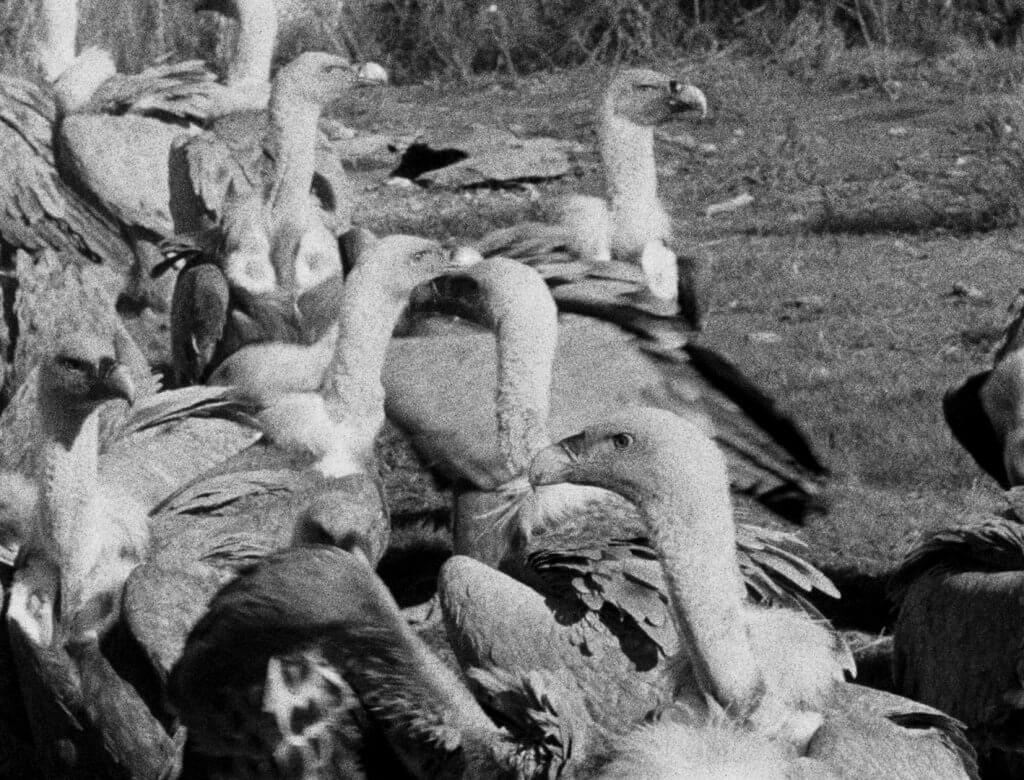
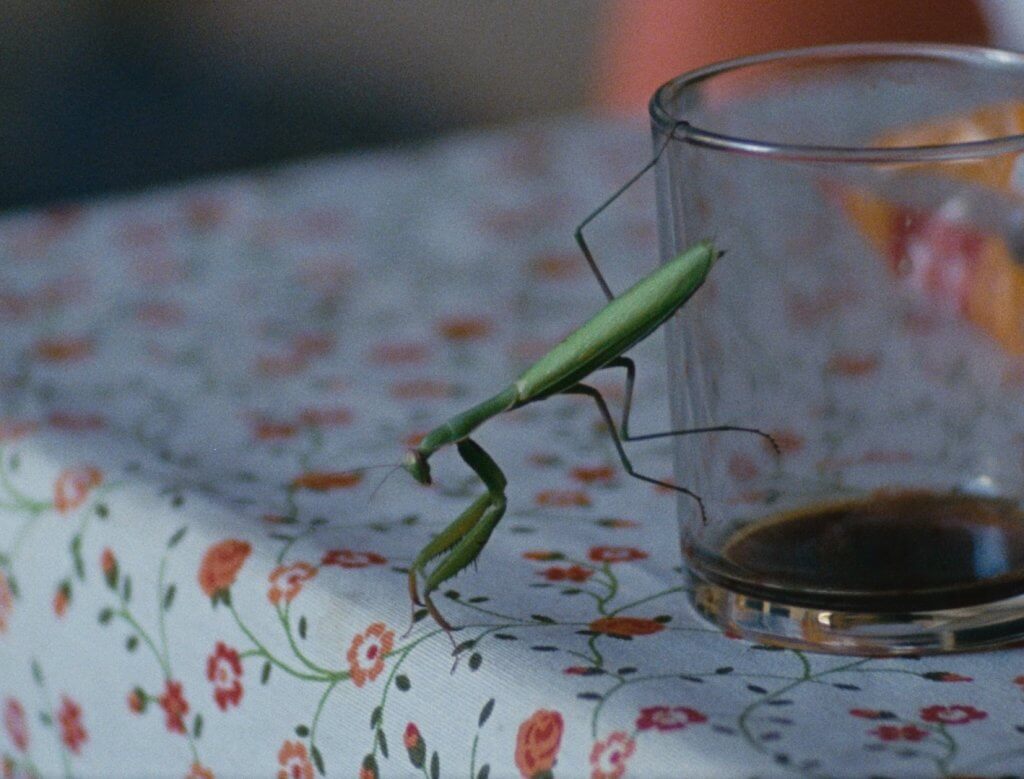
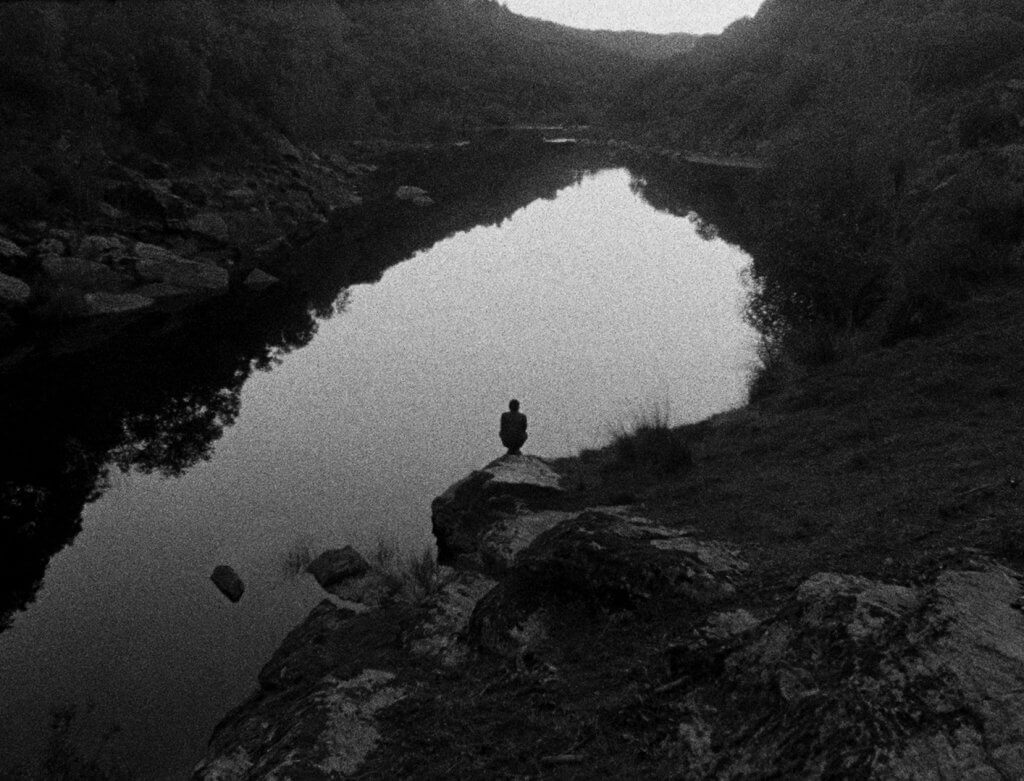
DE/PL 2024, R: Ewelina Rosinska, 25′, DCP
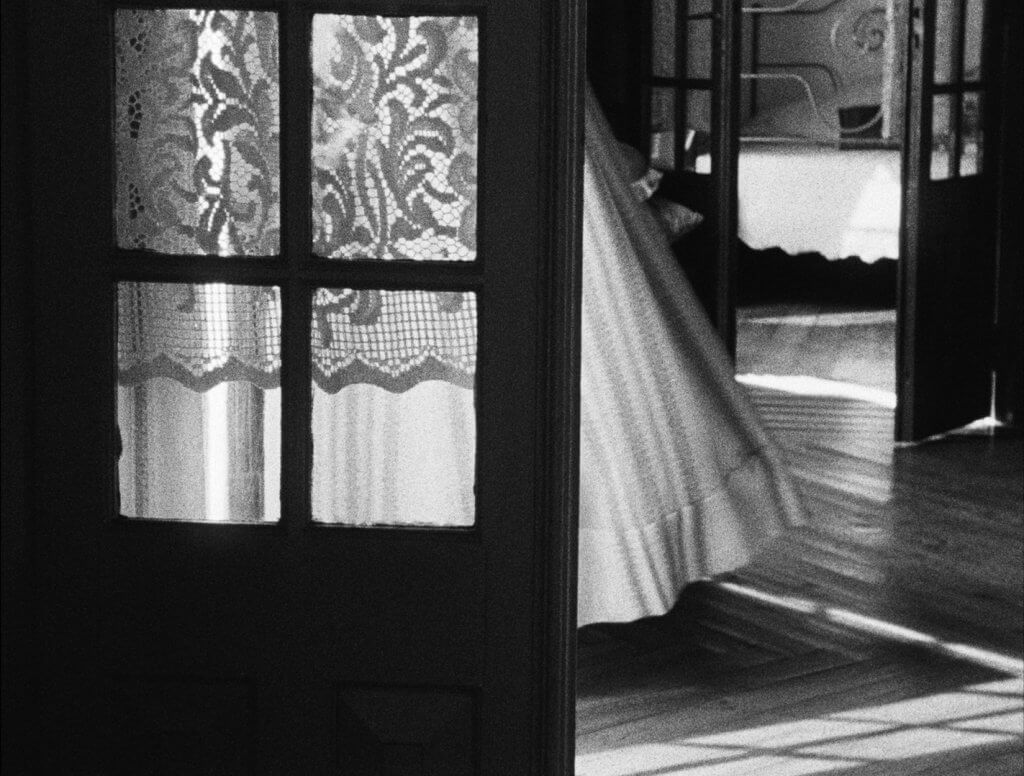
Landscapes pass by at a swift rhythm; rugged coastlines appear in grainy black and white, voices, animal sounds, ambient noises and music detach themselves from the images, whilst quiet moments of everyday life shine through: a lush garden, a coffee cup in the sun, a religious procession, somewhere in the Portuguese countryside. In UNSTABLE ROCKS, Ewelina Rosinska weaves disparate impressions into a contemplative portrait of the nature and culture of her adopted homeland, Portugal, in which memory and perception merge.
Born in Poland in 1987, Rosinska studied art history in Kraków and film directing at the German Film and Television Academy Berlin (dffb). For several years now, she has been working predominantly with an analogue 16mm Bolex camera, filming a wide variety of subjects – assembling them into complex, musical montages. From footage that shifts back and forth between Poland, Germany and Portugal, she creates a cinema of associations, moods and emotional glances: not narrative, but carried by rhythms, textures and memories.
POPIÓŁ IMIENIEM JEST CZŁOWIEKA / ASHES BY NAME IS MAN
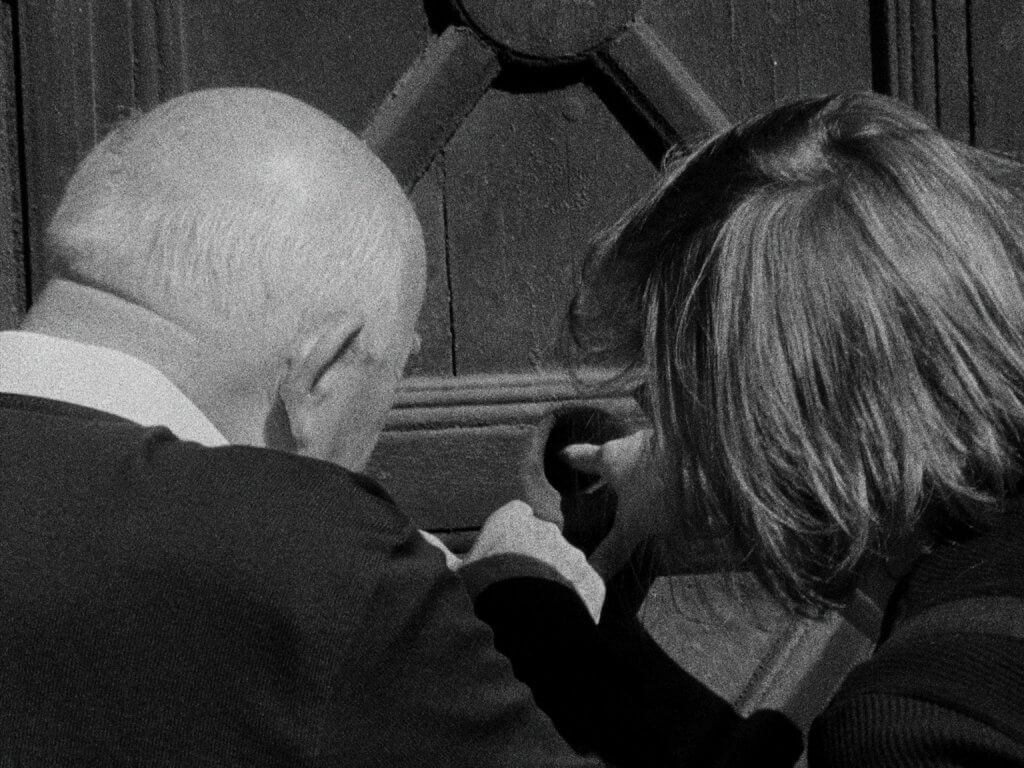

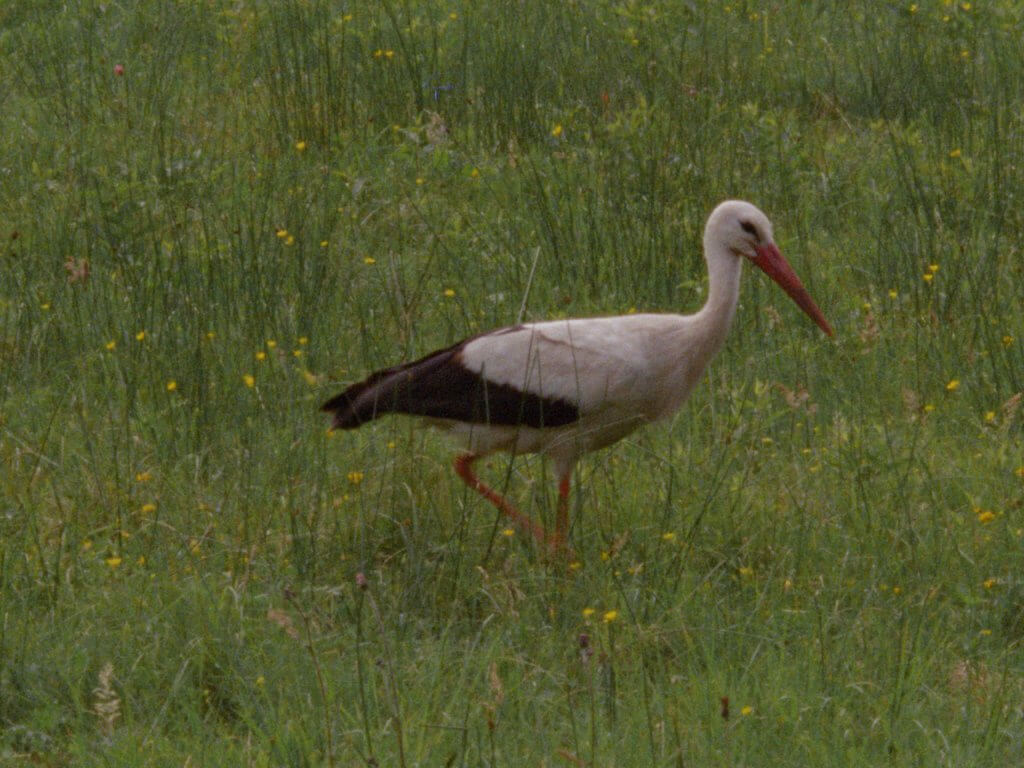
DE 2023, R: Ewelina Rosinska, 20′, DC
With ASHES BY NAME IS MAN, Rosinska turns her attention to Poland rather than Portugal. Like all of her films, it is a kind of diary film, yet not quite as one would usually expect. Autobiographical moments, observations of landscape and religious rituals come together to form a stream of images in which national history and Catholic faith take root both on and beneath the surface of the frame.
Z ZIEMIĄ W BUZI / EARTH IN THE MOUTH
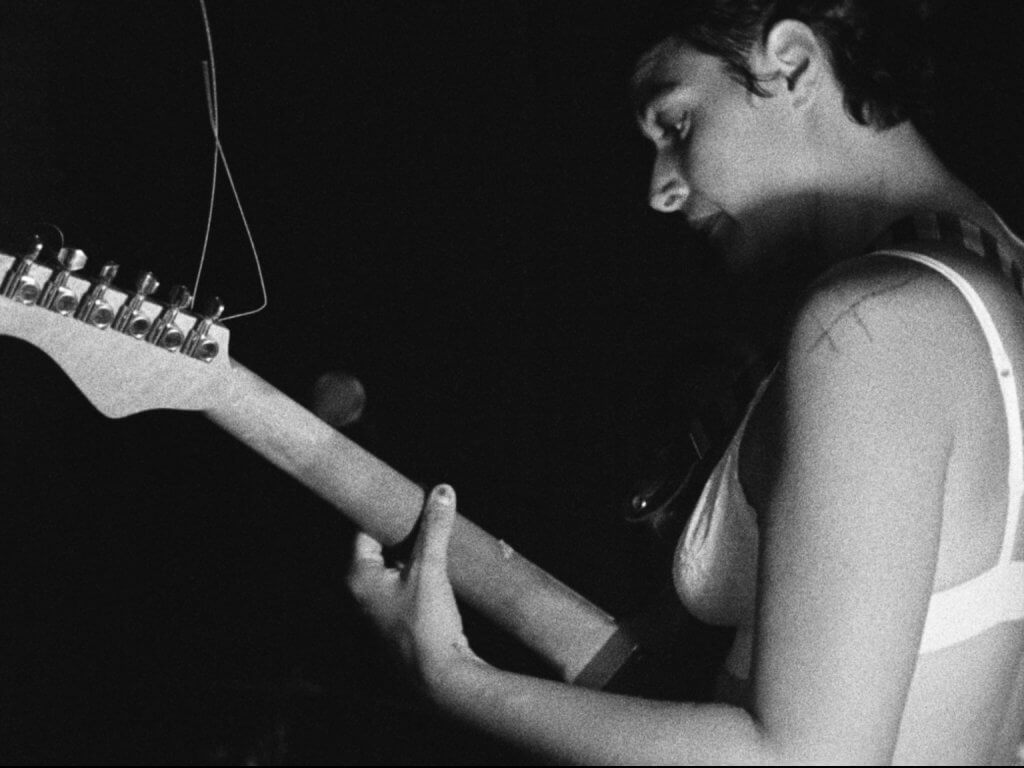
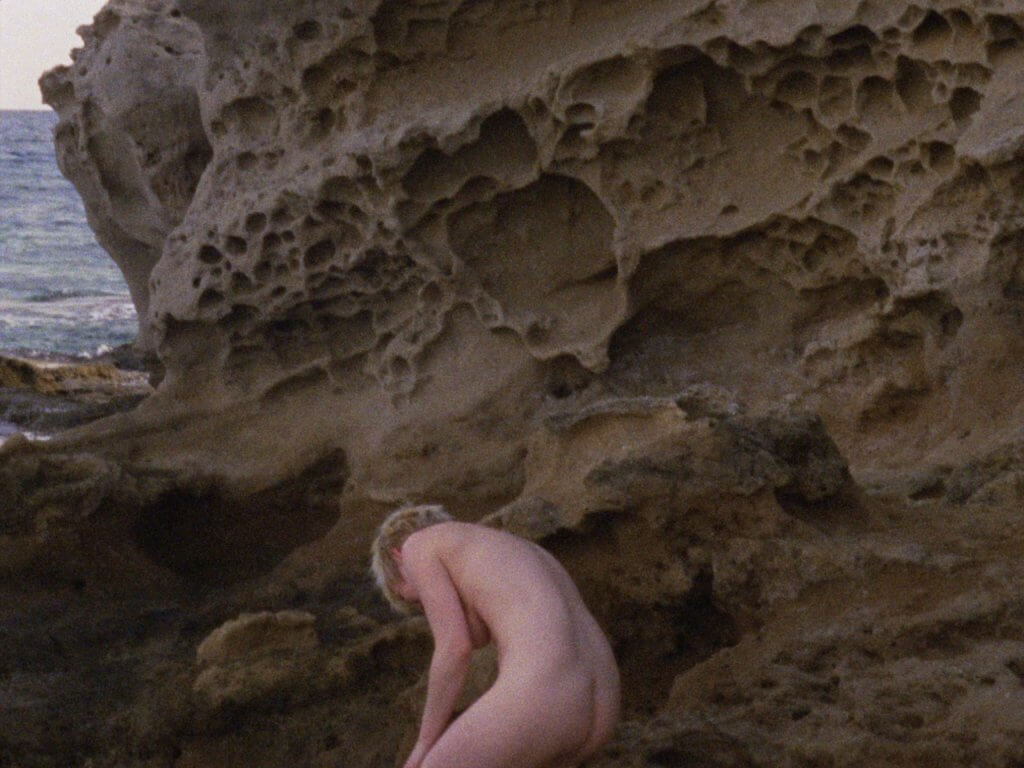
PL/DE 2020, R: Ewelina Rosinska, 20′, DCP
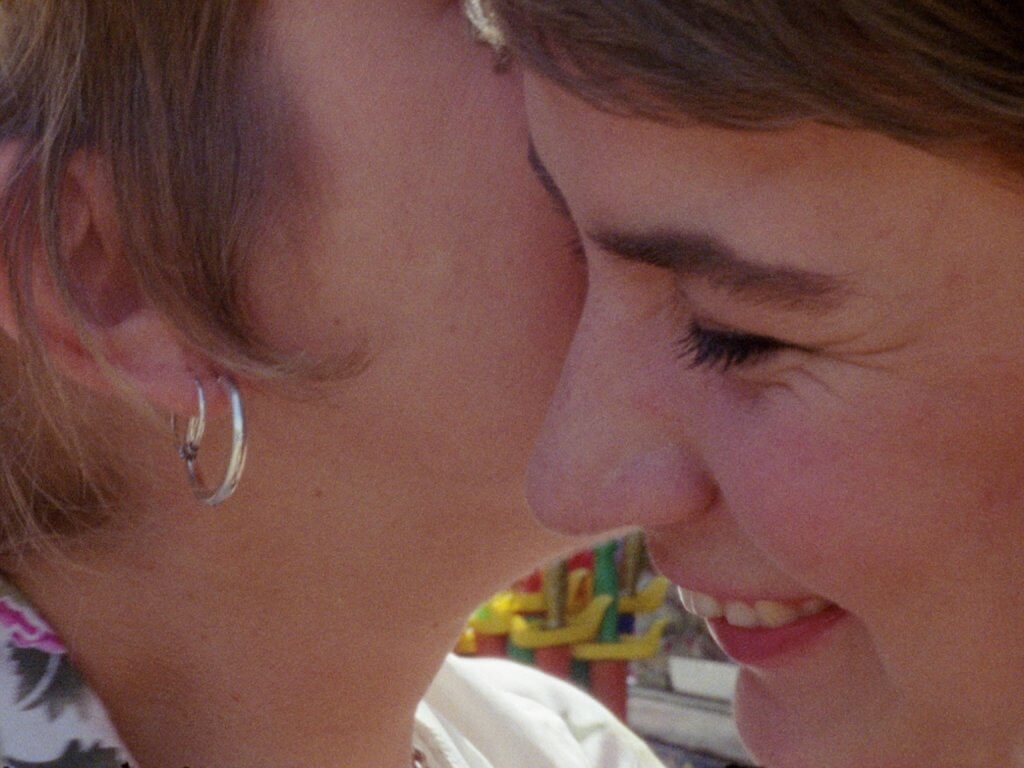
EARTH IN THE MOUTH, by contrast, weaves together impressions from Germany, Poland, Portugal, Brazil and Greece into a cinematic photo album depicting a life interwoven with return and arrival, set against a backdrop of countries, journeys and friendships.
With the programme dedicated to Ewelina Rosinska, GEGENkino continues to pursue several themes that have driven it from the start: providing a platform for short films that are under-represented in regular cinema, showcasing significant works of non-classical narrative cinema. Rosinska’s works tie in beautifully with previous programmes, such as the one on Rose Lowder, a filmmaker who seems close to her in the way of intertwining the personal with the sublime. We are looking forward that Rosinska will be attending in person.
| Mon 13 September 2026 | Schaubühne Lindenfels |
| 7 PM | In the presence of Ewelina Rosinska € 7,50 (6,50 reduced) |
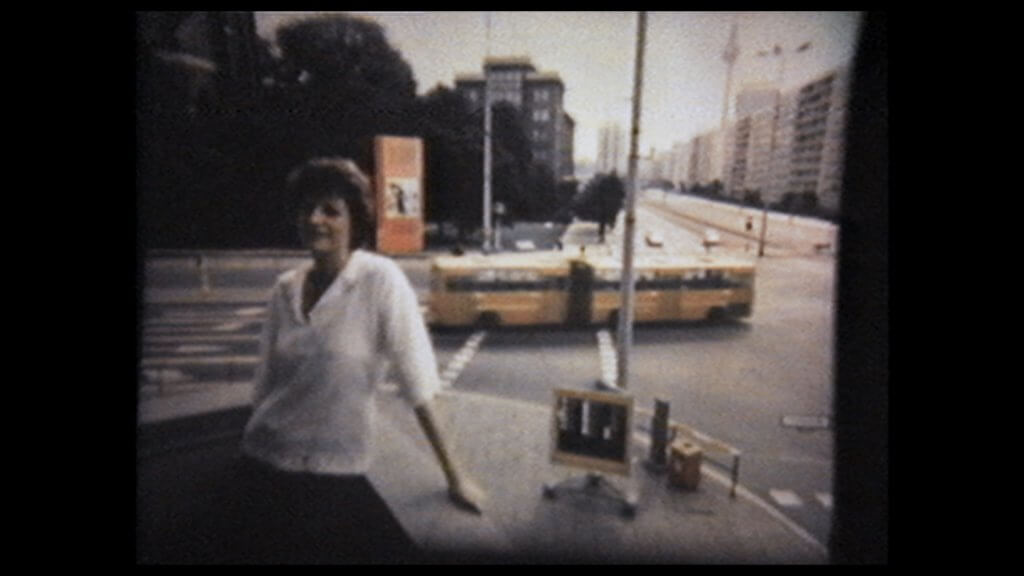
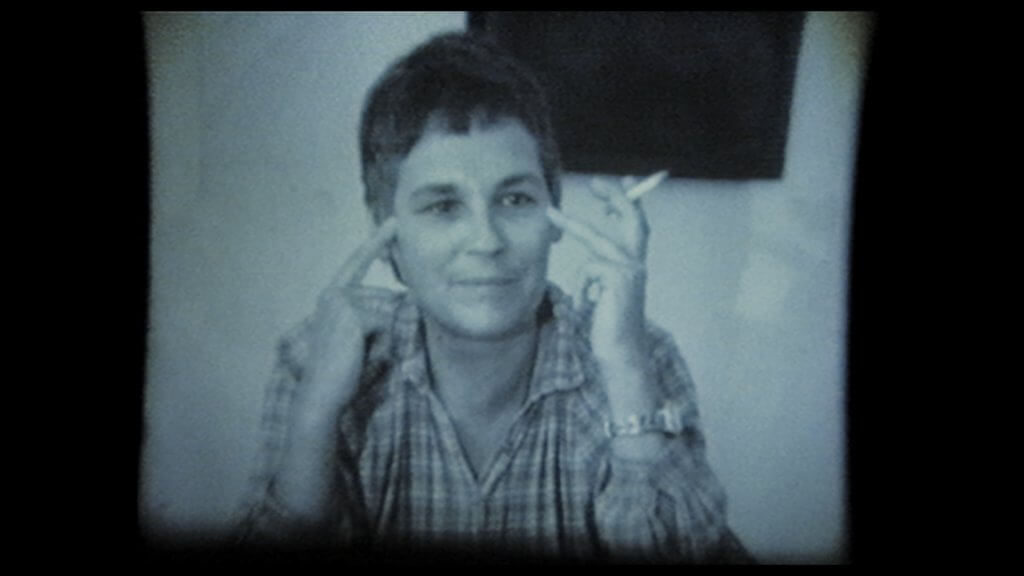
GDR 1981, D: Chetna Vora, 142′, OV with English subtitles, DCP
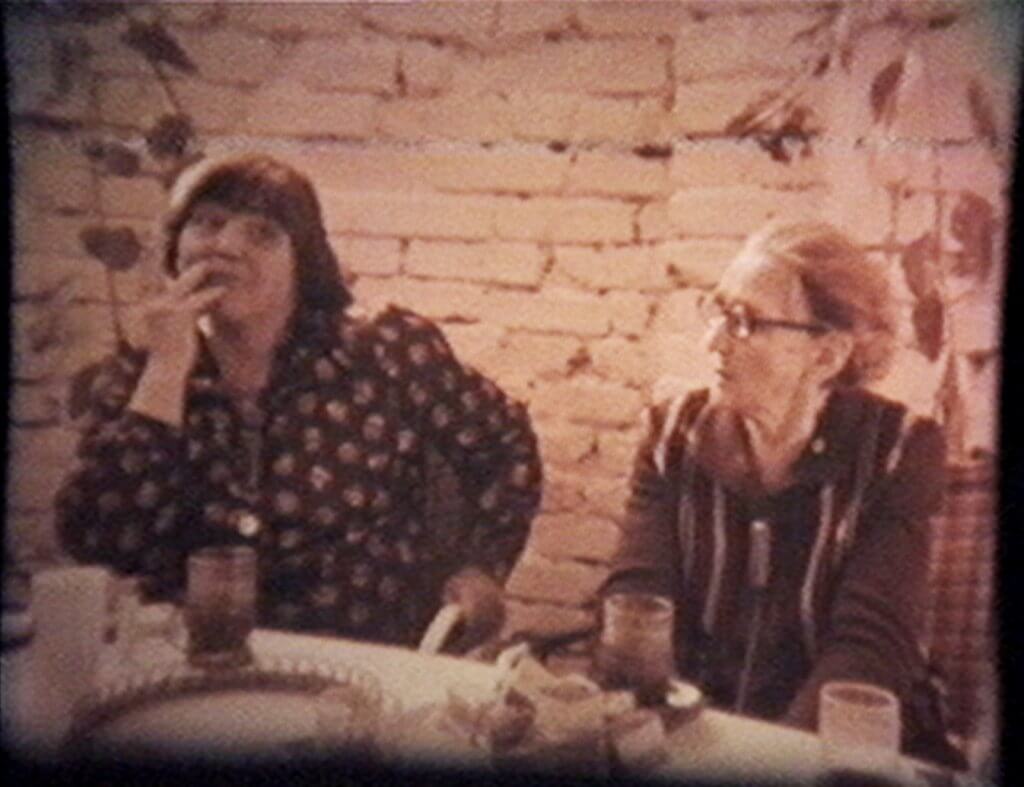
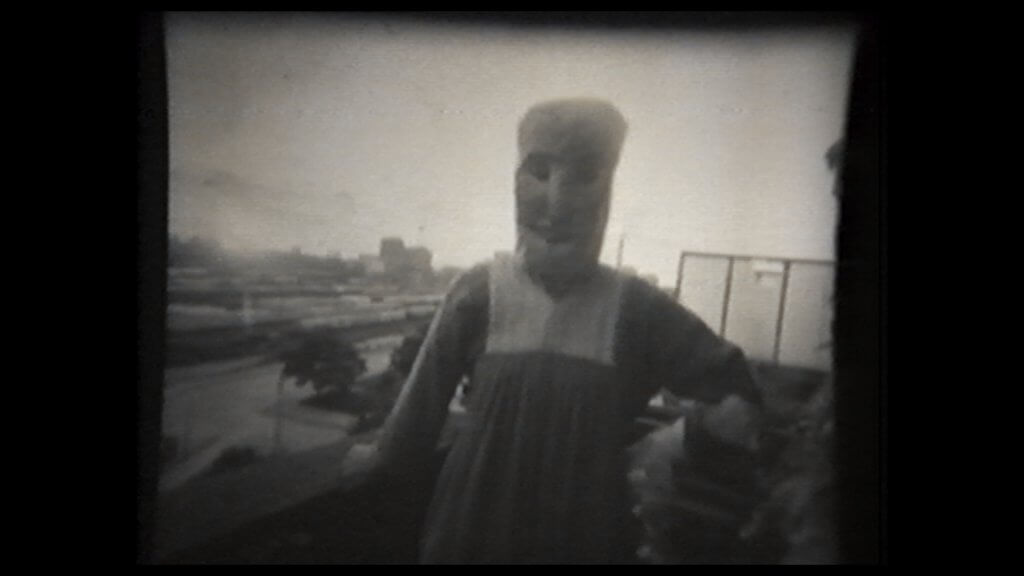
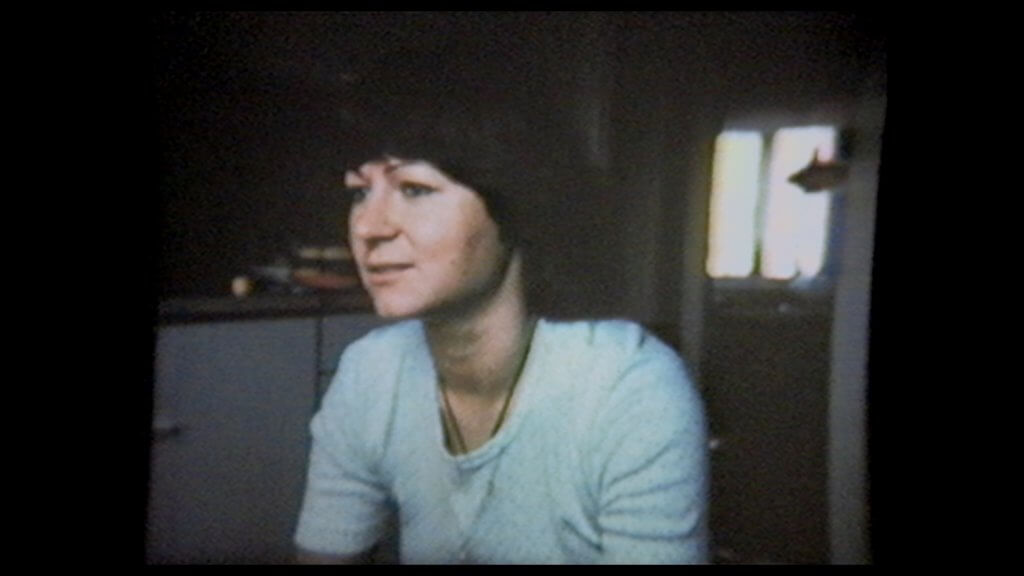
For her graduation film, Indian film student Chetna Vora interviewed a total of 14 women about their everyday lives in East Berlin. Filmed clandestinely by cinematographer Thomas Plenert in a minimalist style, the women – aged between 11 and 83 – speak openly about long-term relationships, divorce, same-sex relationships, housing, work, motherhood and much more. Alongside their private and social daily lives, the film also addresses the limits of the political system through the themes of happiness and disillusionment.
Chetna Vora’s alma mater, the GDR’s Academy of Film and Television, demanded that the film be radically cut to a running time of 30 minutes. When Vora refused, the academy forced her to abandon the project and confiscated the footage. What has survived is a secretly made copy of the rough cut material she had personally purloined; it is this digitally restored version that we are showing.
| So 13 September 2026 | Schaubühne Lindenfels |
| 3 PM | Introduction by Tobias Hering. He is a curator and writer and has carried out long-term research into Chetna Vora. € 7,50 (6,50 reduced) |
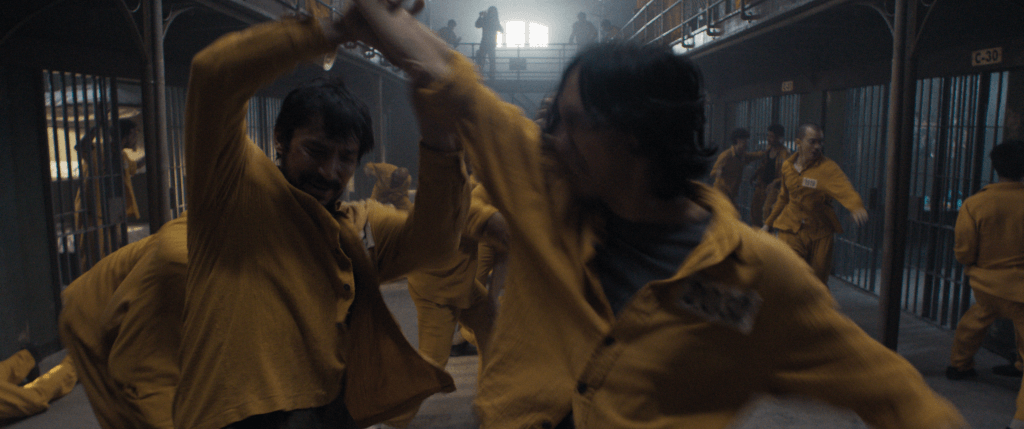
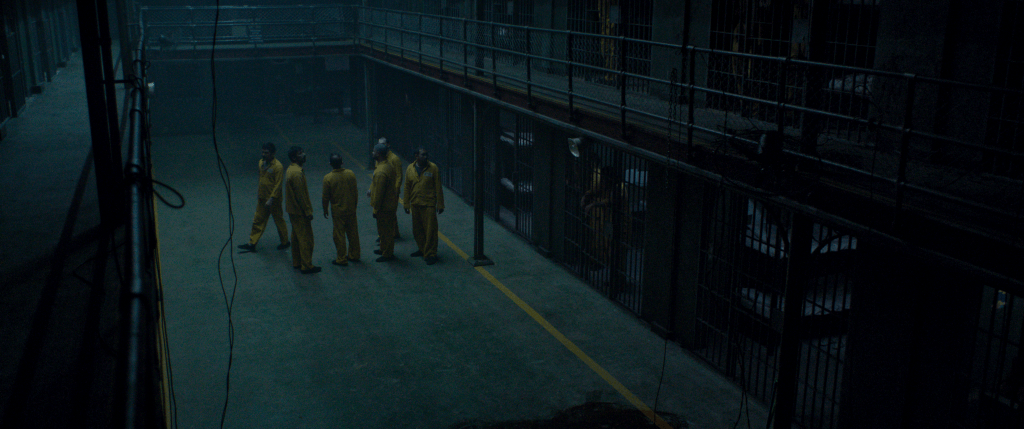
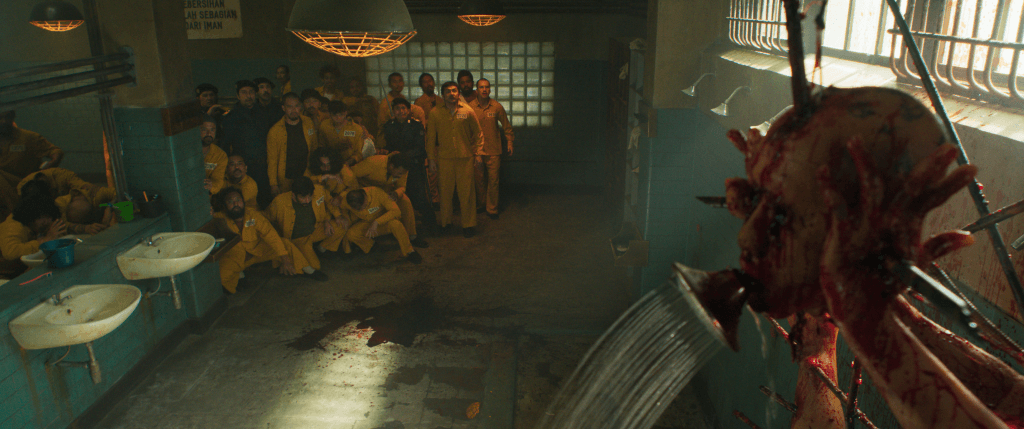
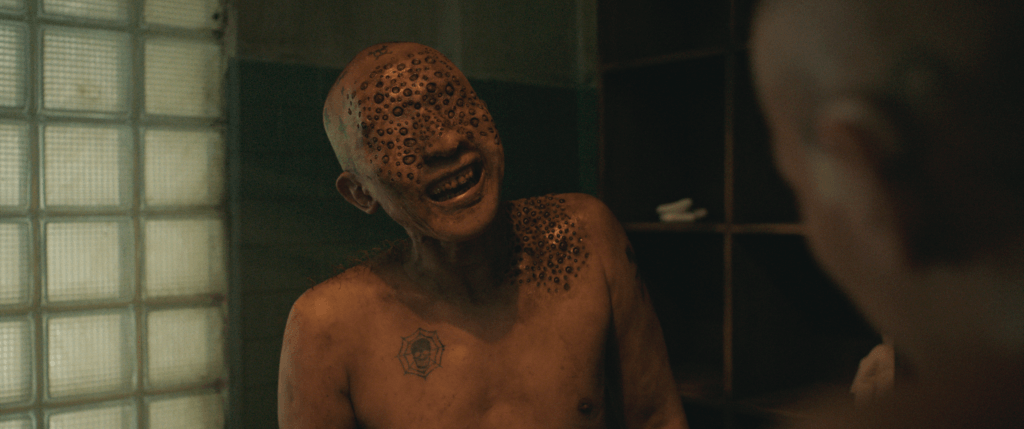
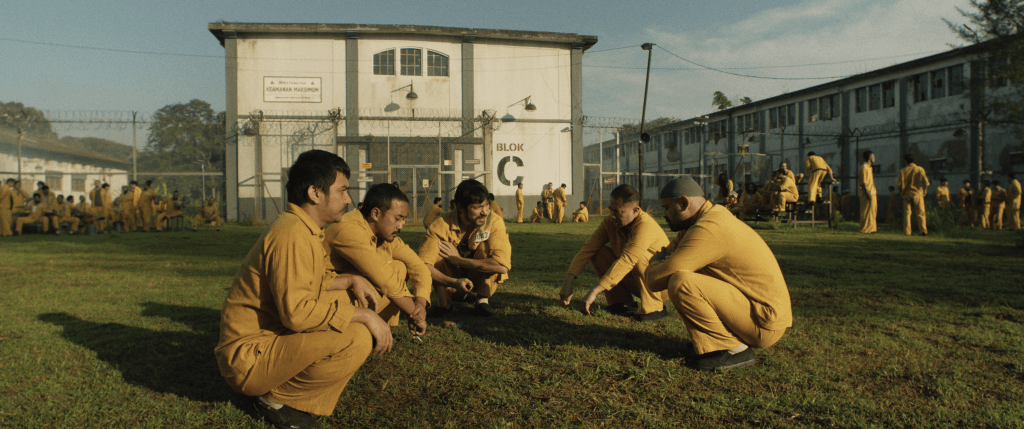
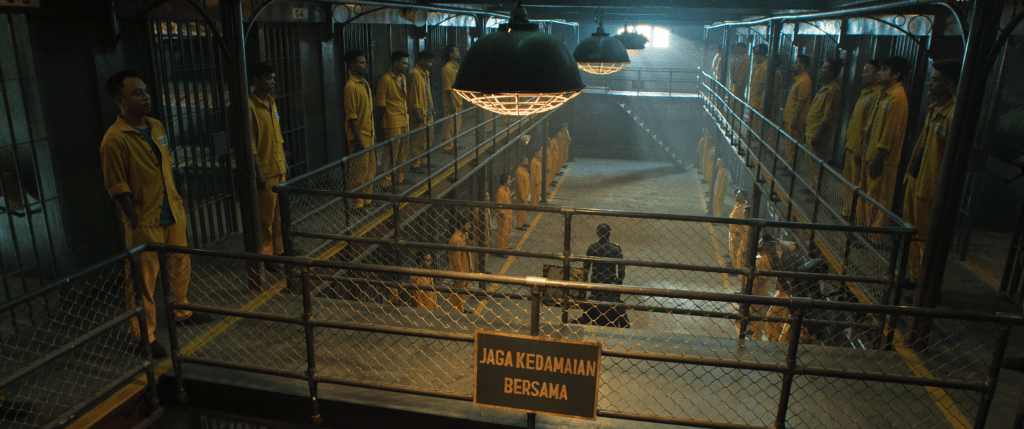
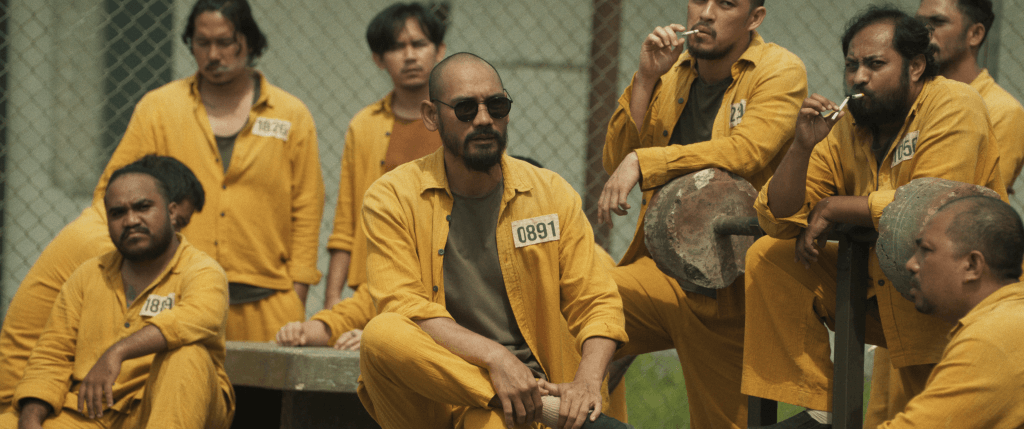
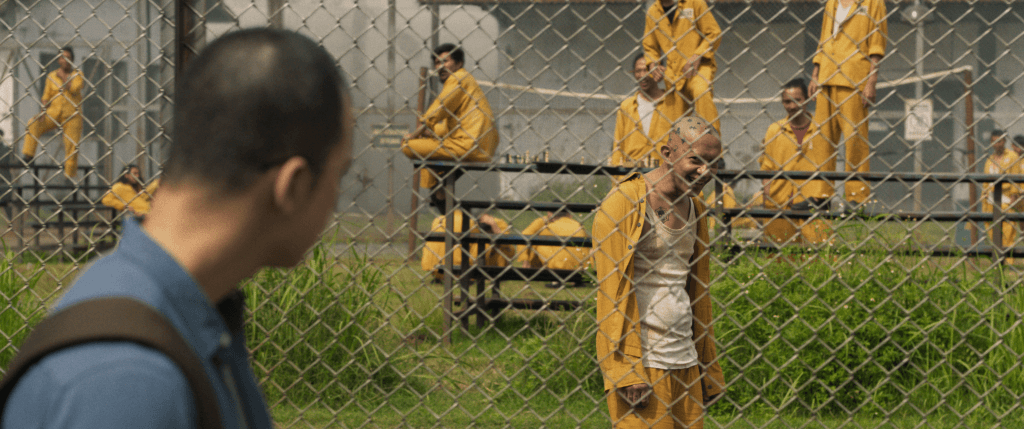
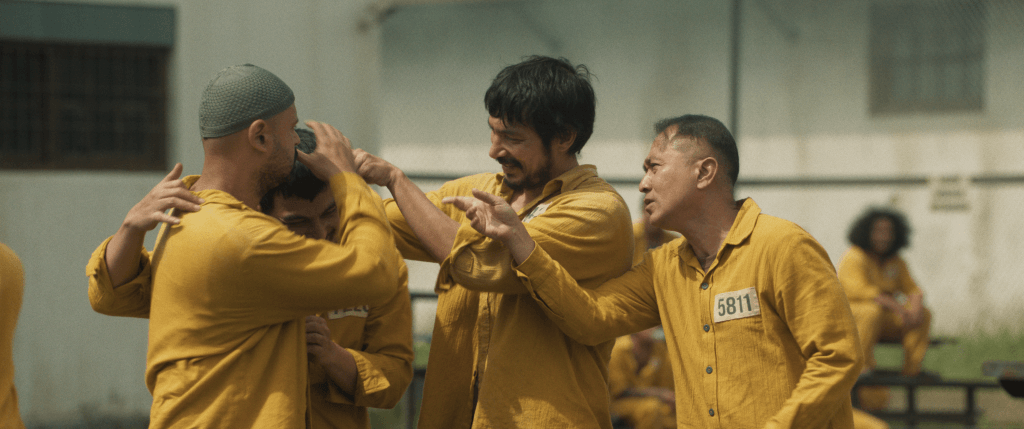
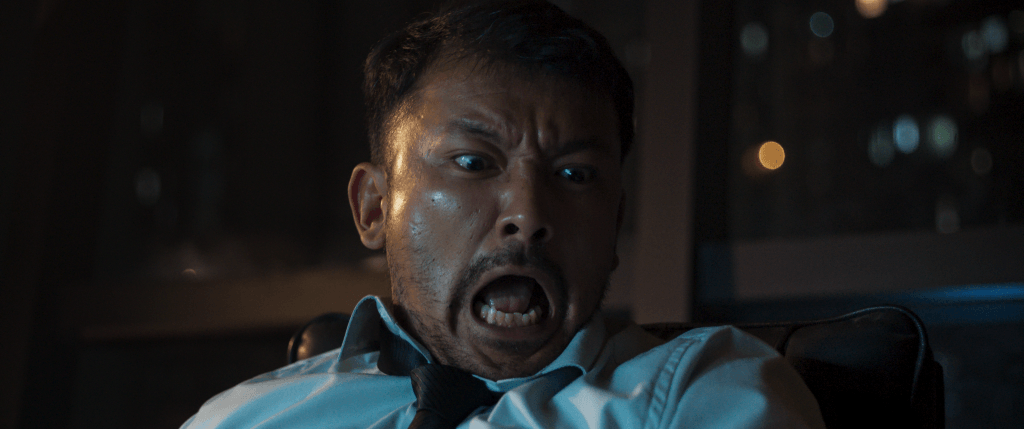
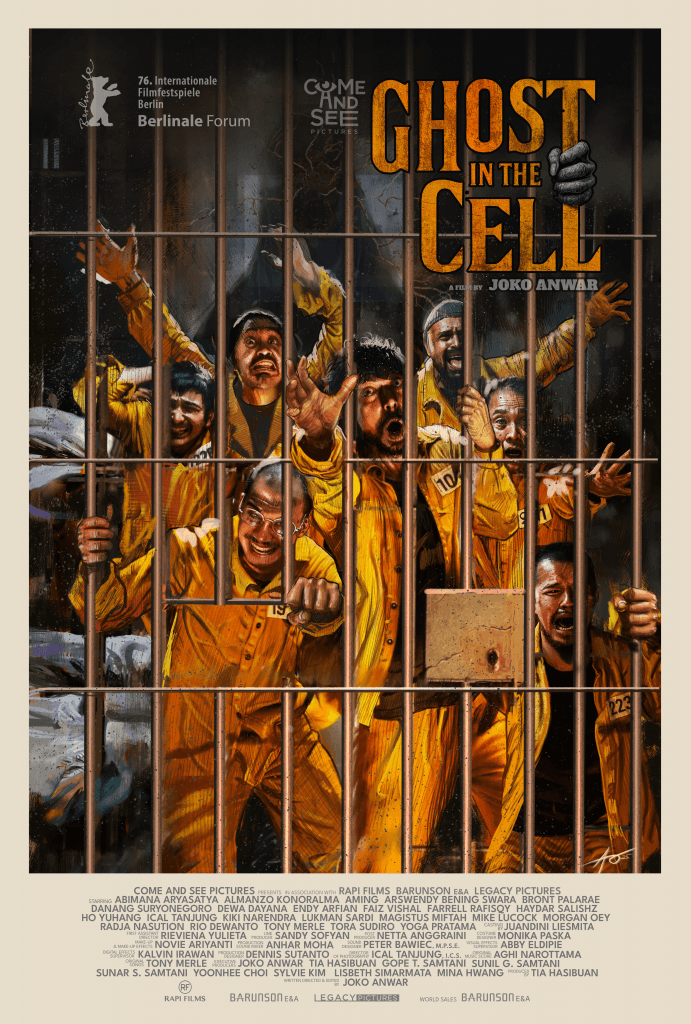
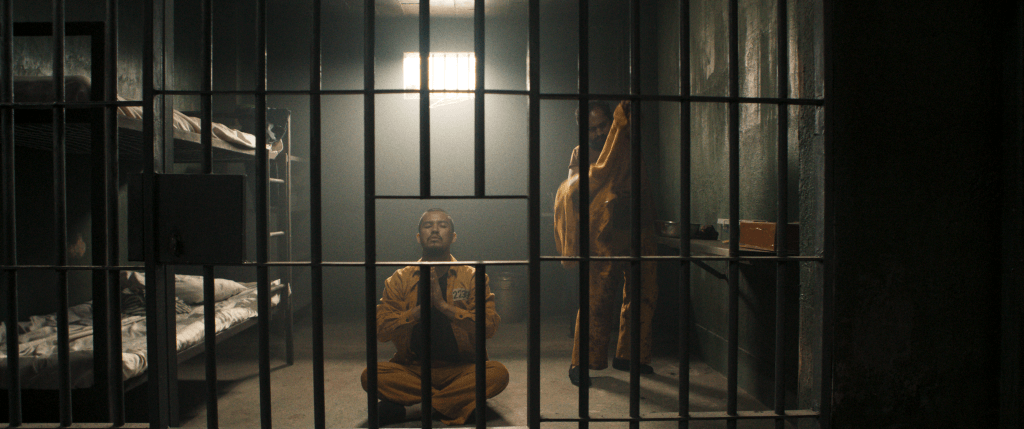
ID/KR 2026, D: Joko Anwar, A: Abimana Aryasatya, Endy Arfian, Bront Palarae, 107‘, OV with English subtitles, DCP
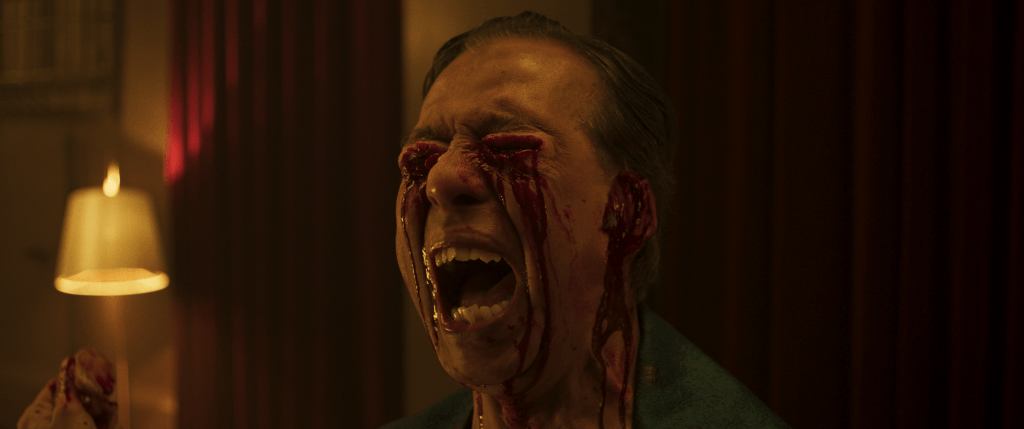
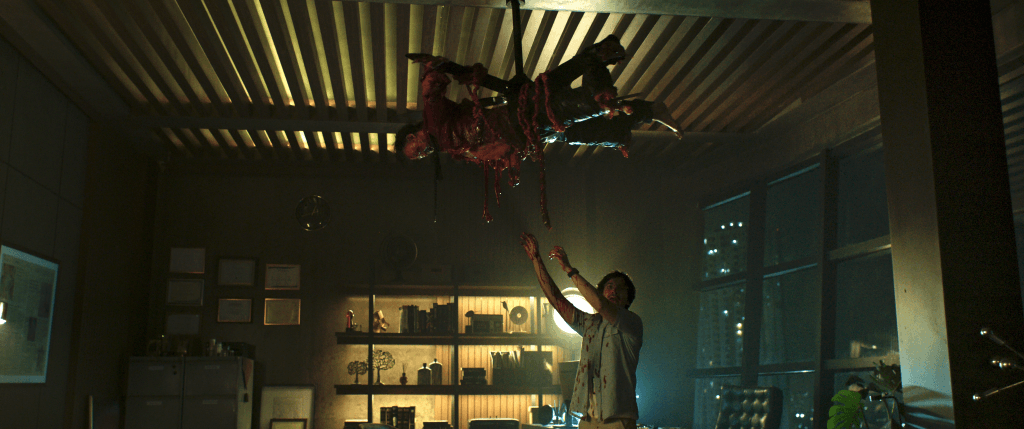
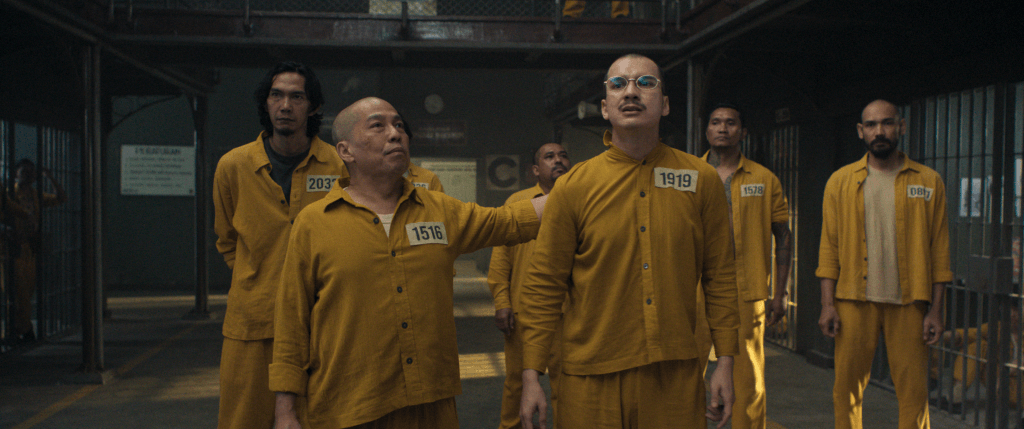
In a high-security prison, violence, corruption and oppression reign. Rival gangs fight for survival, whilst sadistic guards impose a regime of arbitrary rule. When a new prisoner, Dimas, is admitted, a gruesome series of murders begins: an invisible, supernatural force is executing the inmates in ways that are as brutal as they are macabre. Ironically, the rival prisoners must now join forces to escape the blood-bubbling nightmare. With GHOST IN THE CELL, Joko Anwar delivers a fast-paced prison thriller that combines splatter and gore, martial arts and black humour. Behind the excessive shock effects and grotesque set pieces lies a sharp critique of a social system that reproduces the power dynamics of the outside world…Walls with no way out
| Sat 12 September 2026 | Luru Kino |
| 10 PM | € 7,50 (6,50 reduced) |
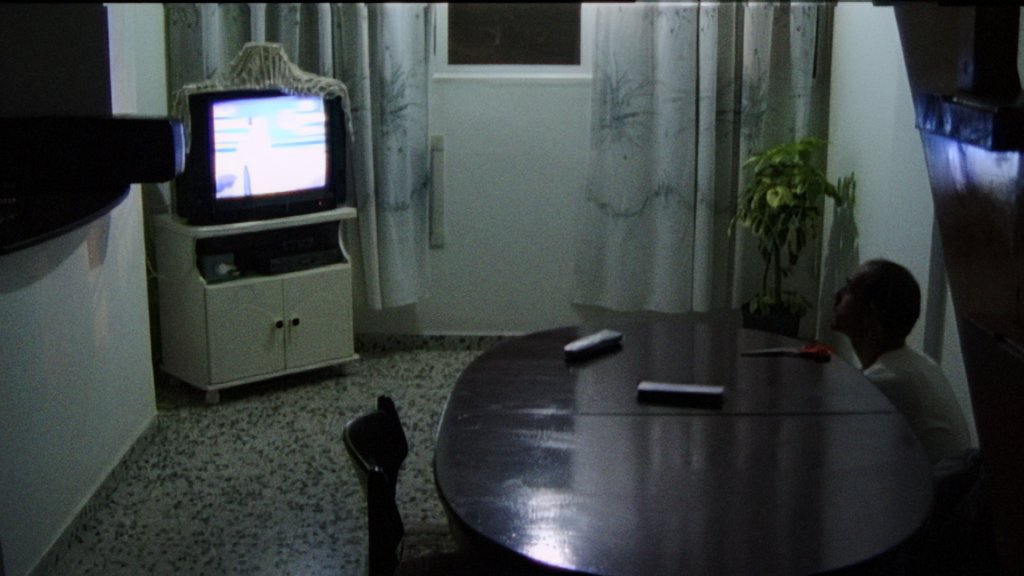
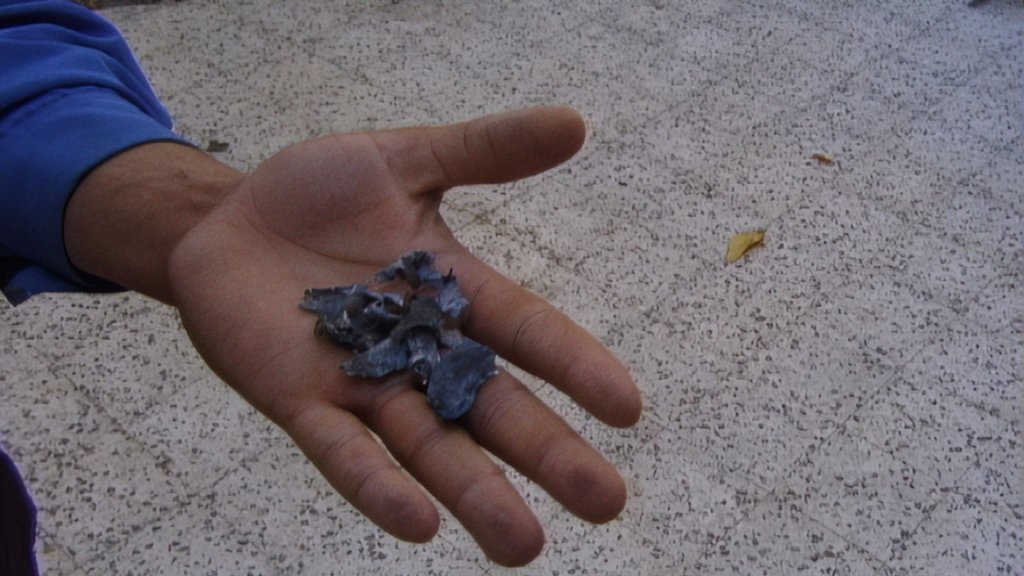
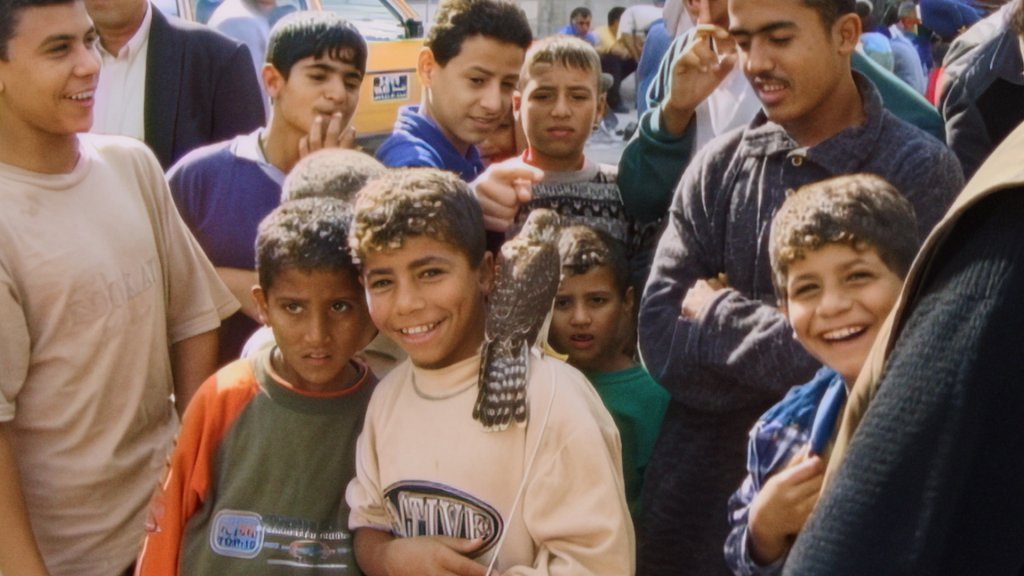
PS/DE/FR/QA 2025, D: Kamal Aljafari, 106’, OmeU, DCP
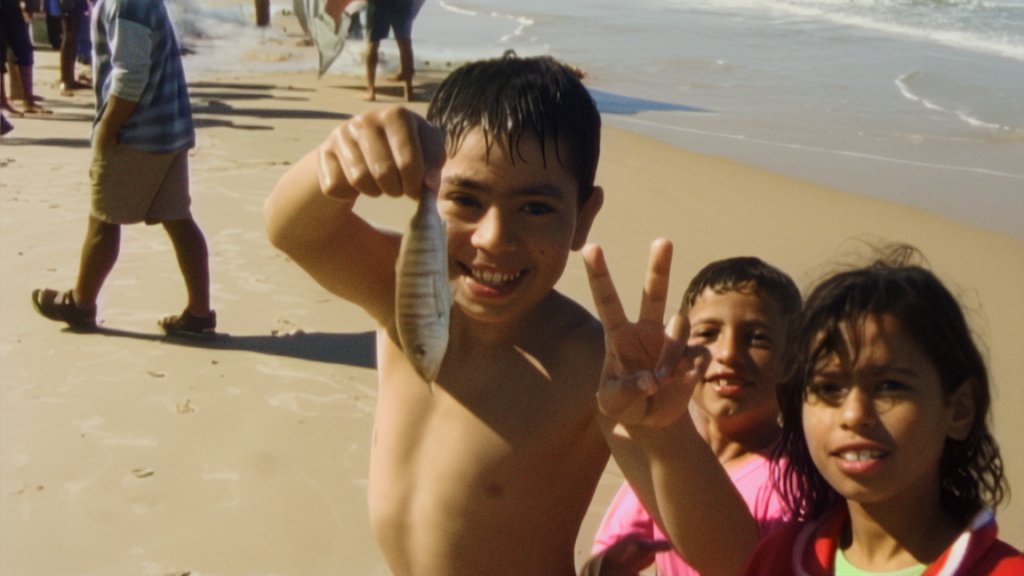
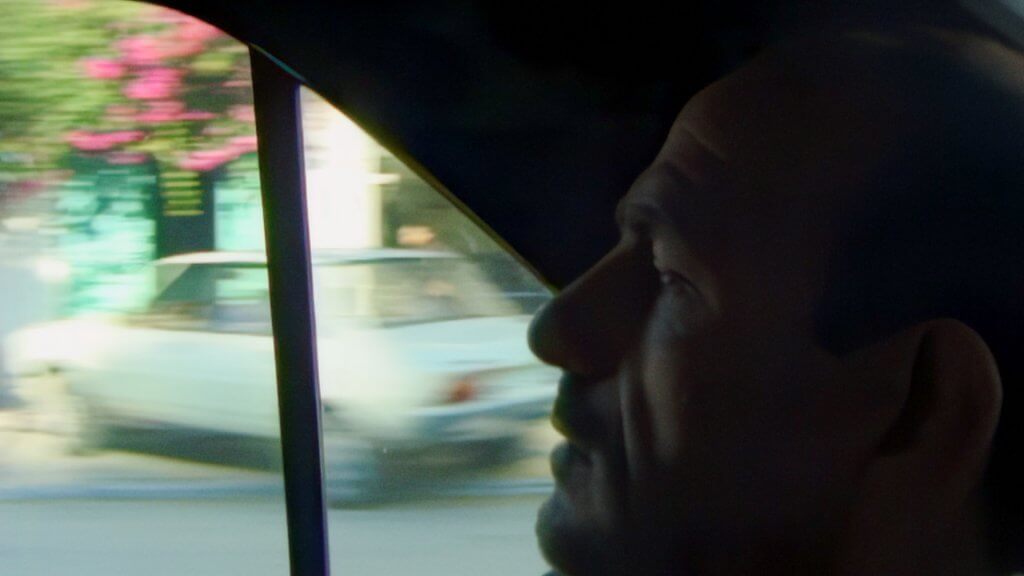
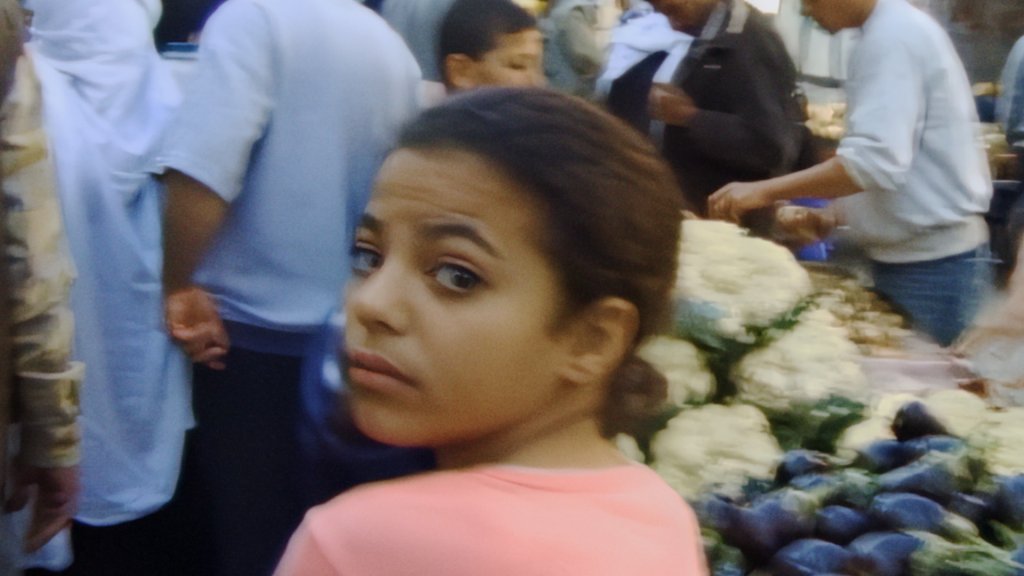
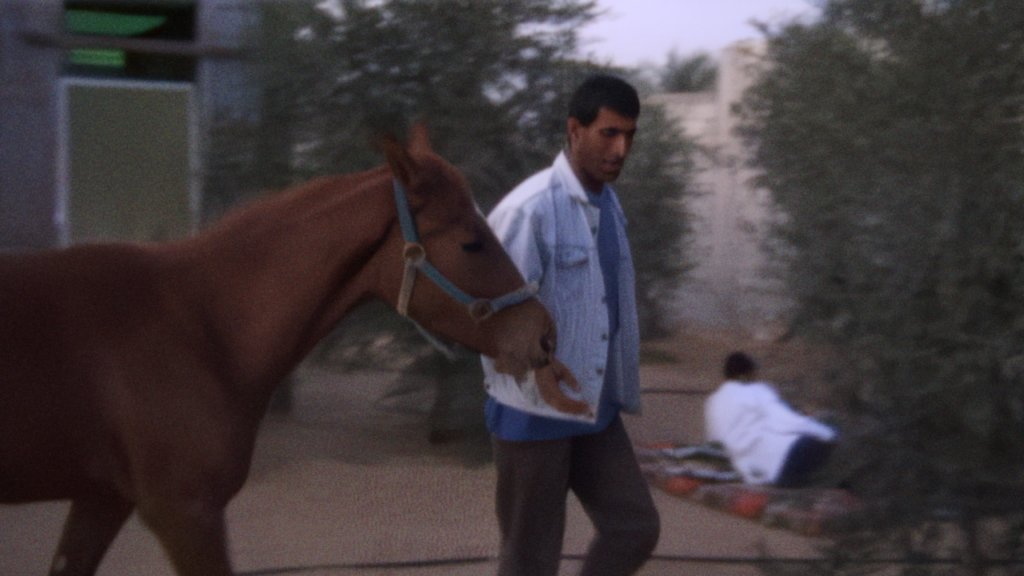
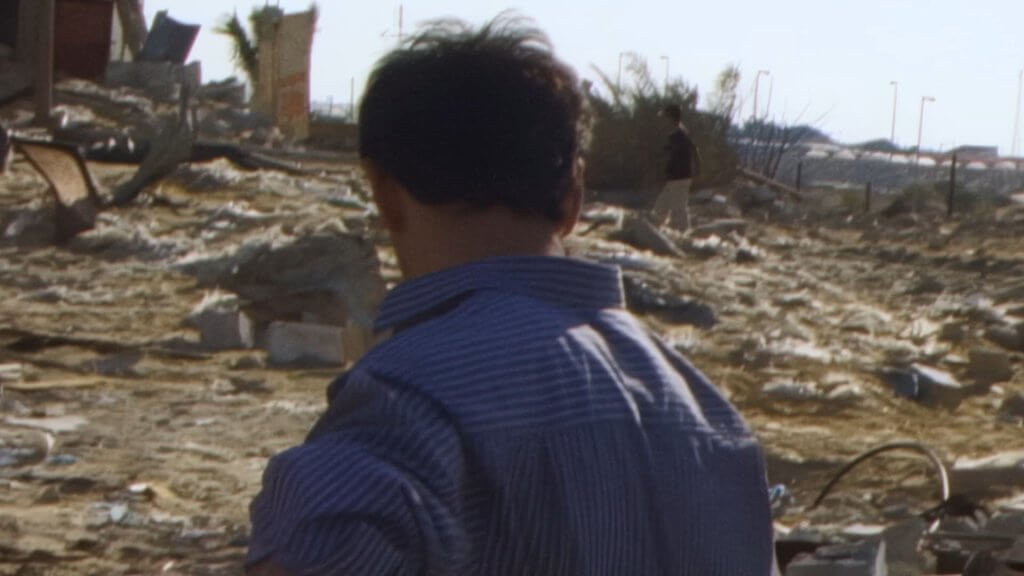
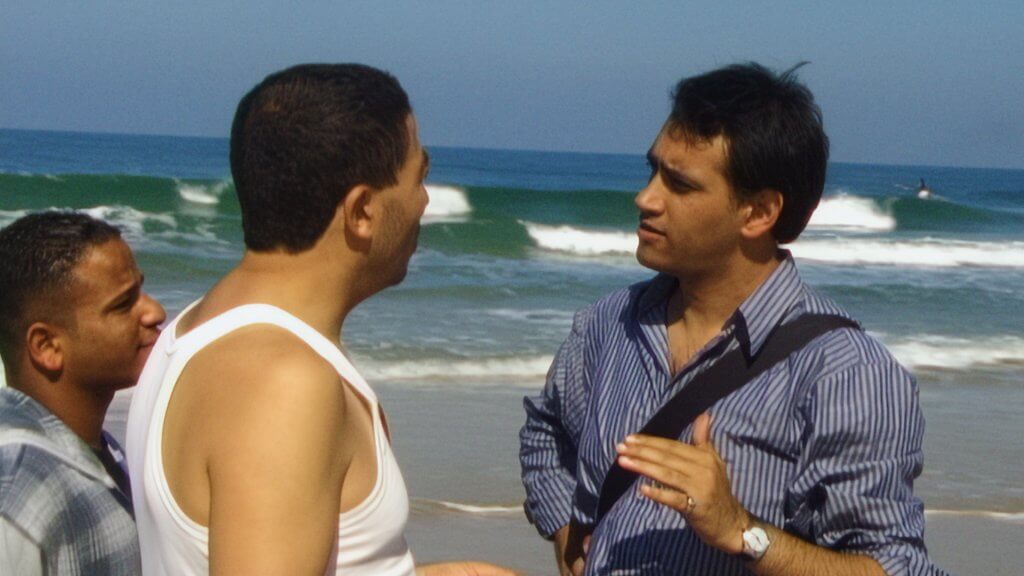
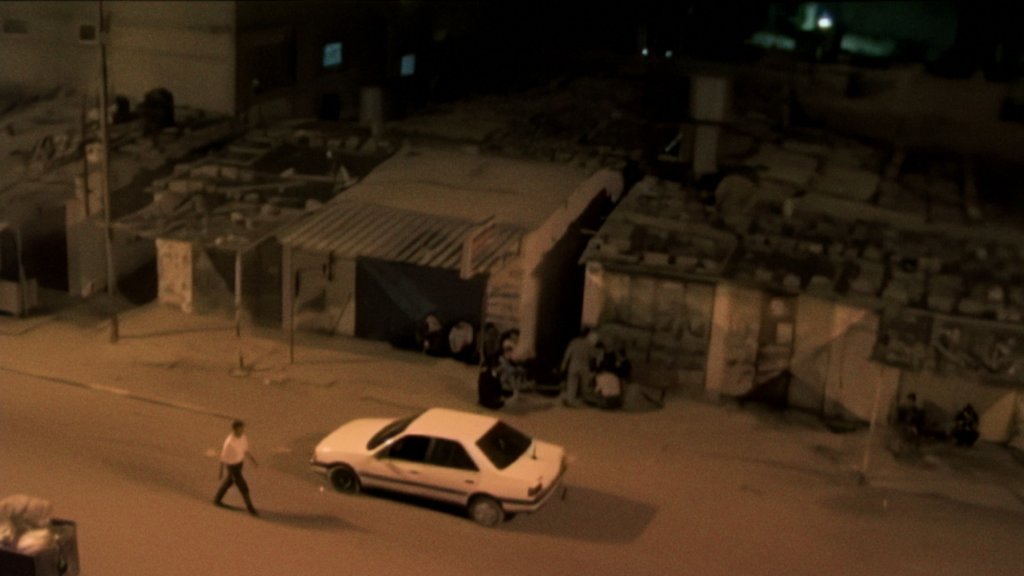
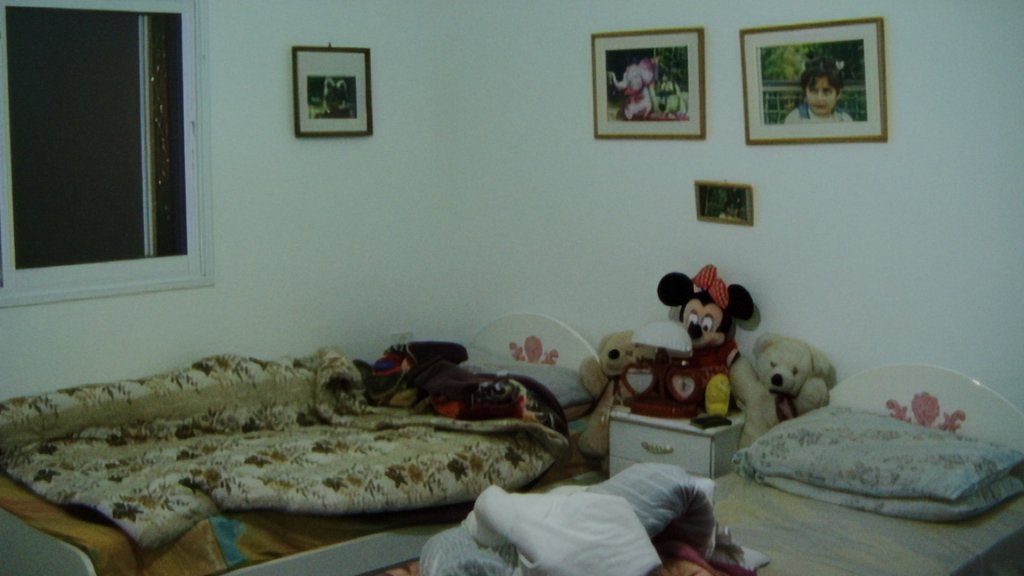
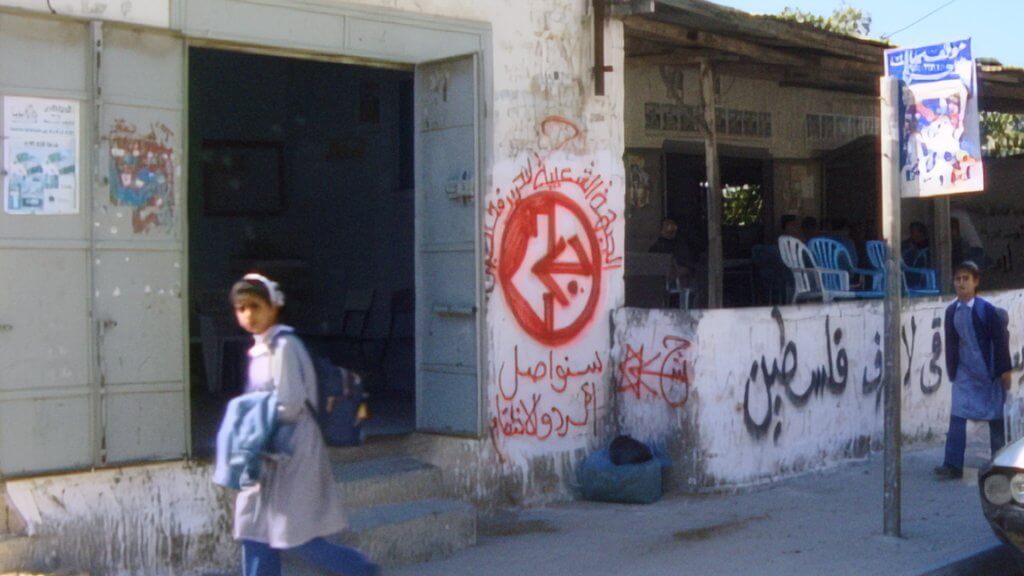
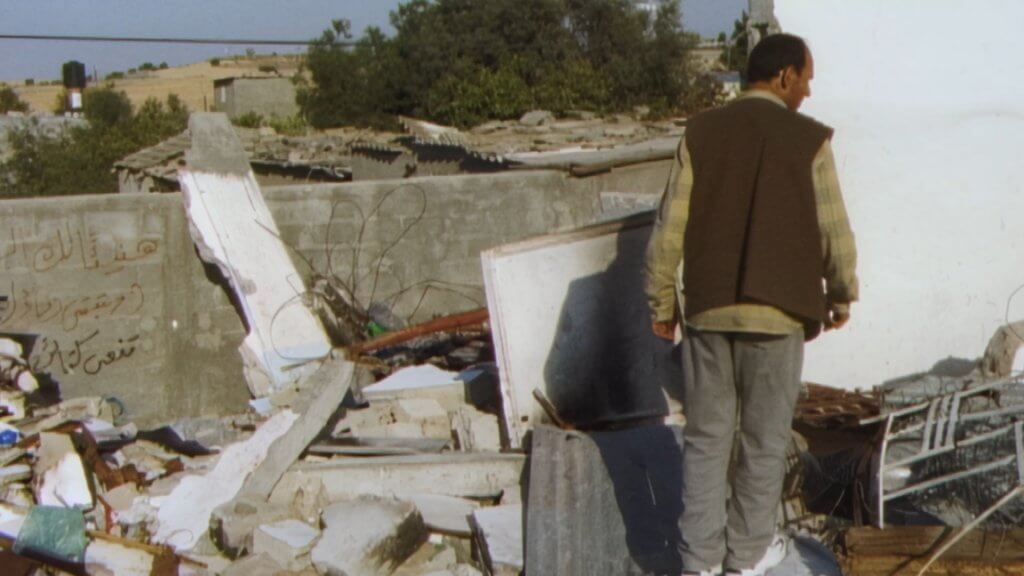
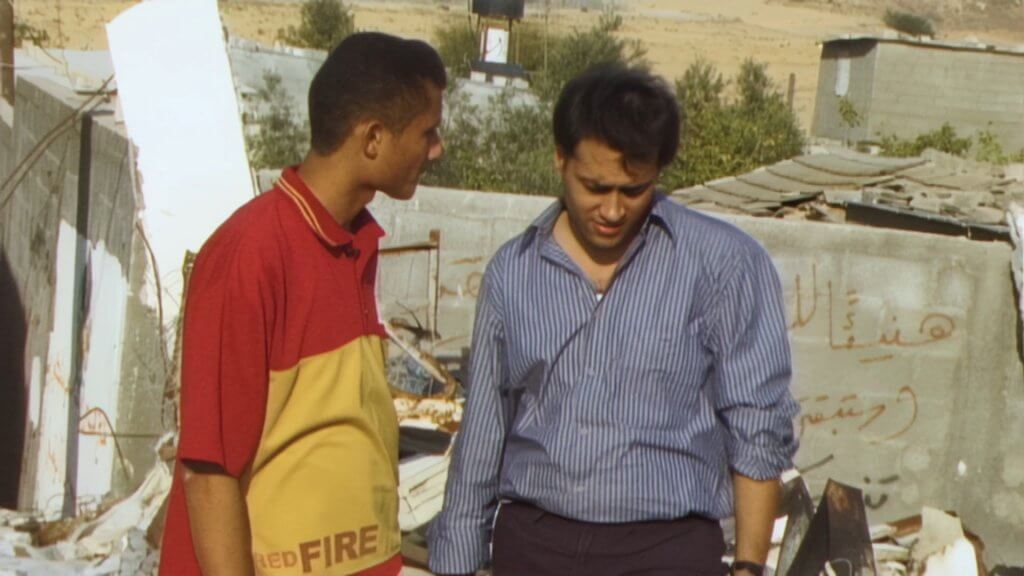
In 2001, Kamal Aljafari travelled to Gaza in search of a former prisoner with whom he had lost contact. Together with his companion Hasan, he crossed the Gaza Strip from north to south, using his camera to capture chance encounters, conversations and moments of everyday life – without any intention of turning them into a film.
Many years later, Aljafari rediscovers the three MiniDV tapes. From this forgotten footage, WITH HASAN IN GAZA emerges: a quiet reflection on memory, loss and the transformation of places and people. The images become traces of a past present and preserve a way of life that no longer exists in this form today.
| Sat 12 September 2026 | Luru Kino |
| 6 PM | In the presence of Flavia Mazzarino (Producer and collaborator of Kamal Aljafari) € 7,50 (6,50 reduced) |