
paradoks brings together video installations of local and international artists who work on the intersections of film, art and activism and whose approach and aesthetics operate at the edges of documentary filmmaking. In their work, facts are modified by fictionalised, journalistic and investigative techniques like image processing methods and re-enactments. The exhibition consists of a selection of multichannel video installations which are grouped into two thematic areas. While ‘Arrival’ deals with the different realities of migration and (non)arrival in German society, ‘Precarious Bodies’ explores the working conditions of contemporary artistic production. There will also be a panel discussion on the 27th of October, inviting artists and curators to discuss the activist potential inherent in these constantly shifting boundaries. Which approaches and methods can provide adequate counter images in view of political conditions in the age of fake news and increasing right-wing populism?
After 12 days of screenings, meetings, talks, concerts, exhibitions, drinking, sun and ice cream, GEGENkino is over. And we have more eyes than before. We really hope you had a pleasant time! Alright, now the thanks parade –
A big thank you goes out to our three main venues – UT Connewitz, Luru Kino in der Spinnerei, Schaubühne Lindenfels, with one day visits to our cooperation partners this year: Galerie für Zeitgenössische Kunst Leipzig and Pracht. Cordial thanks to you, our audience, crowd, clientele, call yourselves whatever you prefer. Also, to our guests this year, providing background knowledge, insights, and fun – Cristóbal León, Judith (from Hamburg), Ted Fendt, Wilhelm Hein, Annette Frick, Andrea Belfi, I T O E, Flying Moon In Space, Andrea Marinelli, Ramón Reichert, Frederik Lang, Nadia Tsulukidze, Beatrice Stammer, Natascha Frankenberg, Susanne Heinrich, Claus Löser, Gabriele Stötzer, Thomas Heise.
A big thanks to all the filmmakers for their films and videos and works, be it in our film programme or the exhibition, thanks to all the distributors we have been working together with all over the world. And: to people working in the venues, making it all possible, projectionists, technicians of all kinds, ticket takers, bar people! Thanks to Anne Elisabeth Witzmann for conceptualising the space of the ballroom of Schaubühne Lindenfels. Thansk to Alex Brade and Ricaletto for being our wonderful graphical wizards. And: grazie to all people supervising our exhibition MEMORY AS A FLICKER – you did a really nice job (and you were friendly). Thanks to our sponsors, giving us the money much needed. And finally, thanks to ourselves, for doing it again (and again). All for now – sorry to anyone who we have forgotten. No offense, really. Well then, see you next year in April!
Zwischendurch werden wir euch immer wieder mit kleineren Updates versorgen. Einerseits wollen wir euch Empfehlungen aussprechen. Zum Anderen gibt es vielleicht die ein oder andere kleinere GEGENkino Veranstaltung zwischendurch. Beispielsweise ist eine Verlängerung der Bitomsky Reihe in ein paar Monaten angedacht. Falls ihr auf dem Laufenden bleiben wollt, kuckt immer wieder bei uns vorbei!
Wer jetzt keine Lust auf das gute Wetter und immer noch nicht genug von Kino hat. Hier ein paar Empfehlungen für die kommenden Tage:
In the meantime, we will provide you with smaller updates. We want to make you recommendations. And perhaps there will be smaller GEGENkino events in between. For example in a few months there is an extension of the Bitomsky series is planned. If you want to stay up to date, keep on watching us pass us by!
If you are still not filled up with cinema. Here are a few recommendations for the coming days:
| 24. April Luru-Kino | Horror-Double with Donis 08 PM Das Auge des Bösen 10 PM L’Ossessa |
| 29. April Schaubühne Lindenfels | KlubKinoKlub always Monday 7 PM Updates via mailing list klubkinoklub@schaubuehne.com |
| 1. Mai Luru-Kino | ACHTERNBUSCH WERKSCHAU 07 PM Der junge Mönch 09 PM Das Gespenst |
| 2. Mai Luru-Kino | 09 PM One Cut of the Dead |
| 8. Mai Luru-Kino | Ballet Mécanique Vol. 6 (#31) Supporting Film + Lohnbuchhalter Kremke |
| 16. Mai Cinémathèque Leipzig e.V. | RosaLinde Leipzig e.V. presents 07 PM KIKI Documentary about Idahit* 2019 |
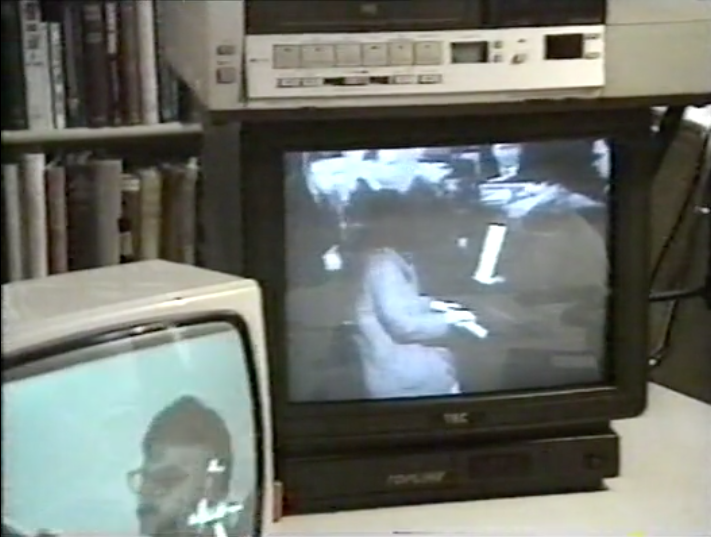

Today we continue with our Hartmut Bitomsky series. And before that, we have something special for you. At 6 PM you can listen to a radio play by Ludwig Harig in the Luru Kino der Spinnerei.
Dying is never truthful in motion pictures, yet the drama of death is omnipresent, particularly in the sometimes linear, sometimes arduous journey film characters have to undertake to meet their end. For “it is rather killing that cinema is concerned with and less death itself. Cinema engages in activities and less in conditions.”
With an introduction by Frederik Lang (in German)
17. April, 19 Uhr – Luru Kino in der Spinnerei – € 6,5 (5,5 red.)
[Working on the image | Insights into the work of Hartmut Bitomsky]
| Wed 17.4 Luru Kino | WORKING ON THE IMAGE Insights into the work of Hartmut Bitomsky |
| 6 PM | LUDWIG HARIG | RADIO PLAYS A Flowerpiece Composition: Wolfgang Wölfer • Director: Hans Bernd Müller • With Günther Sauer, Joachim Nottke, Charles Wirths • Ensemble: Zürcher Kammersprechchor and the Kinderfunkensemble Christa Frischkorn • Production: SR/HR/SDR/SWF 1968 • 53’ |
| 7 PM | Introduction by Frederik Lang Bresson’s “L’Argent” BRD 1983, D: Hartmut Bitomsky, Manfred Blank, Harun Farocki, 30’, dOV, File Cinema and Death BRD 1988, D: Hartmut Bitomsky, 46’, dOV, Betacam SP |
| 9 PM | Cinema and Wind and Photography D 1991, D: Hartmut Bitomsky, 56’, dOV, DigiBeta Spare Time UK 1939, D: Humphrey Jennings, 15’, englische OV, 16mm |
CINEMA AND DEATH
FRG 1988, D: Hartmut Bitomsky, 46′, German version, Betacam SP
BRESSON’S “L’ARGENT”
FRG 1983, D: Hartmut Bitomsky, Manfred Blank, Harun Farocki, 30′, German version, file
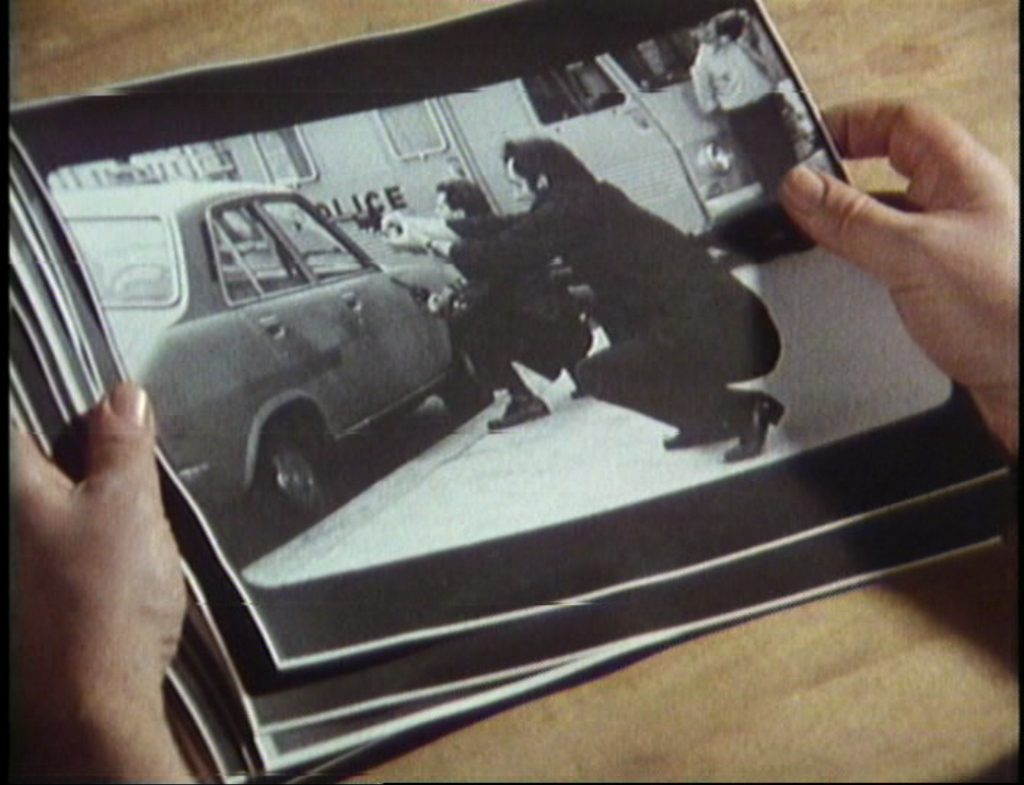
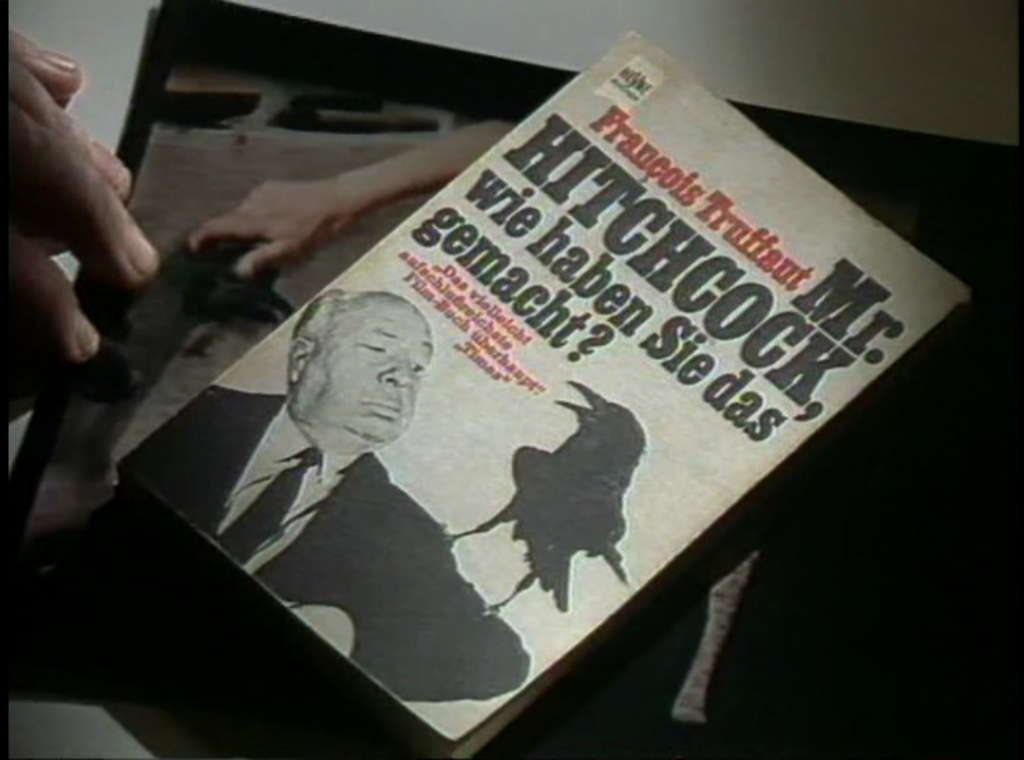
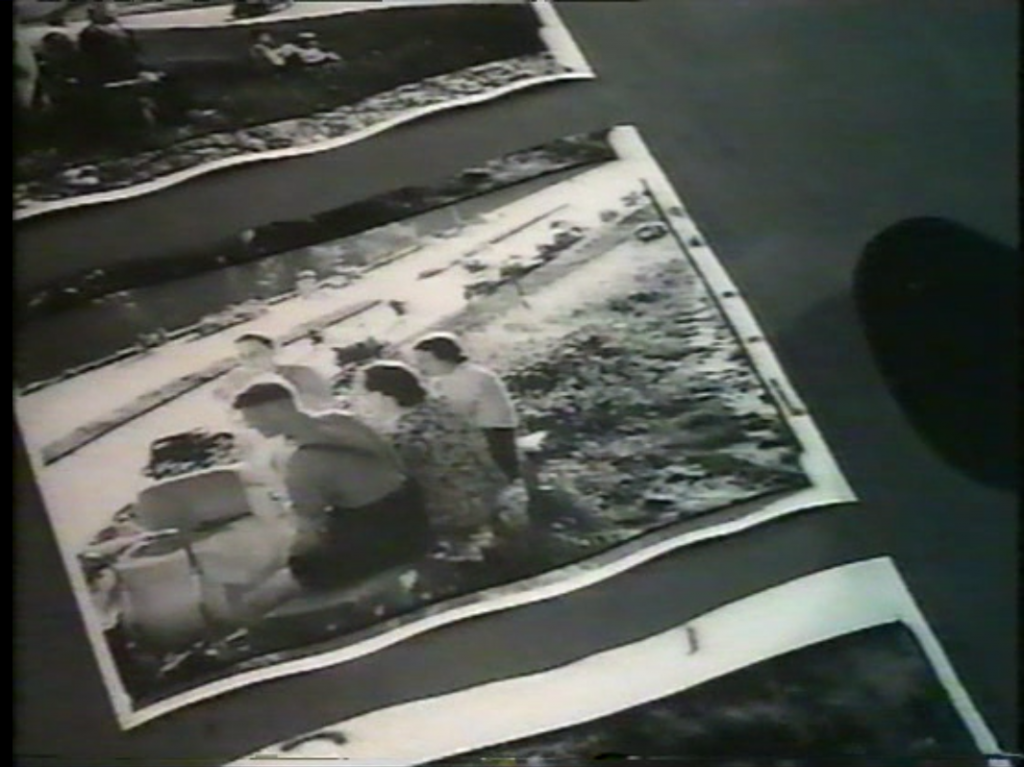
CINEMA AND DEATH is a film essay on the narratology of “cinematic death” in commercial cinema, a death that is accompanied by picturesque settings and self-referential acting. Bitomsky’s directorial reduction embodies the downright opposite: throughout the film, he is sitting in his dimly lit study, we become aware of film photographs spread out, cigarettes burning down in the ashtray and books that have been used – a seemingly private situation, an intimate dialogue with the films.
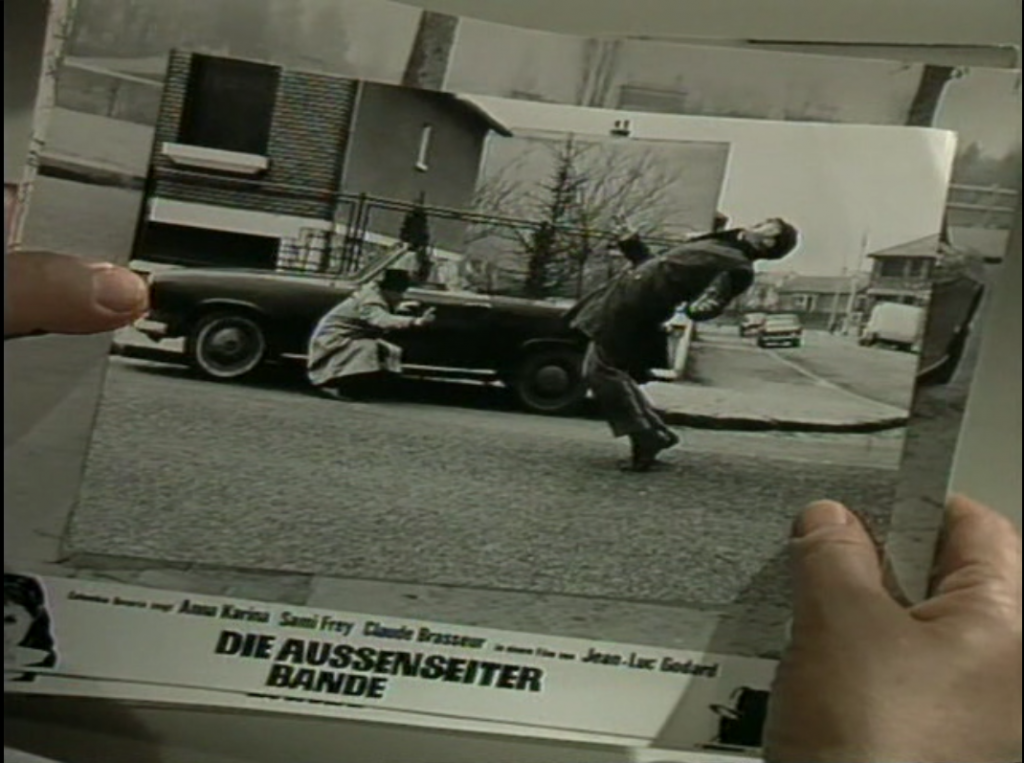
BRESSON’S “L’ARGENT” is the attempt of film analysis with the means of cinematography. This methodically reflexive approach on Robert Bresson’s last film is far from merely reproducing or even rhapsodizing, as Bitomsky makes clear in the very beginning: lying on the table in front of him is the object of his examination, that is condensed moments of cinema in the form of black and white photographs of Bresson’s film that was shot in colour – which is no aesthetic deficiency, as “a film stands in the same right to what is said or written about it”.
Extract
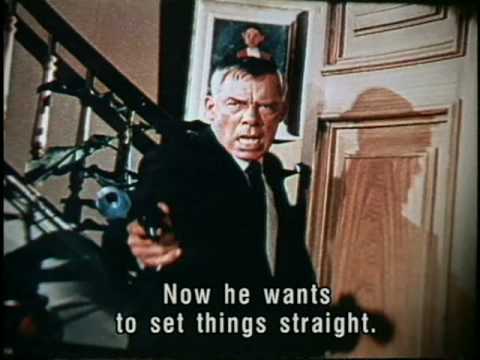
CINEMA AND WIND AND PHOTOGRAPHY
D 1991, D: Hartmut Bitomsky, 56′, German OV, DigiBeta
SPARE TIME
UK 1939, D: Humphrey Jennings, 15′, English OV, 16mm
How should one define the relationship of documentary film to reality? Does it aim at authenticity or is it rather an “exile of reality”, a “foreign homeland of reality”, where the pre-filmic, stripped of its immediacy, comes to its own right in the first place? Where in its mis-en-scène would be the line drawn to a fictional film, if drawing a line would succeed at all?
These are the kind of questions this film essay on the history and aesthetics of documentary film deals with in its seven chapters, its form decidedly incorporating the open motion of the quest. It is not about assigning rights or wrongs to individual protagonists or theorists of documentary film. Emphasised is the indecisive, ongoing dialogue with their ideas – in a kind of spatial experimental setup. We observe how Hartmut Bitomsky and his staff in turn watch films and relate them to each other. They are shown in a workspace equipped with several monitors and VHS recorders, theory books are piled up, now and then videocassettes with the next film examples are picked out and stage directions are being given. The intrinsic aesthetic value of the samples becomes secondary, what matters is the visual and ideational mediation work. For example, sequences of Humphrey Jennings’ SPARE TIME undergo an aestehtic translation. Following Bitomsky’s film, it will be shown in its entirety – what is stressed in the work of reference, what is left out?

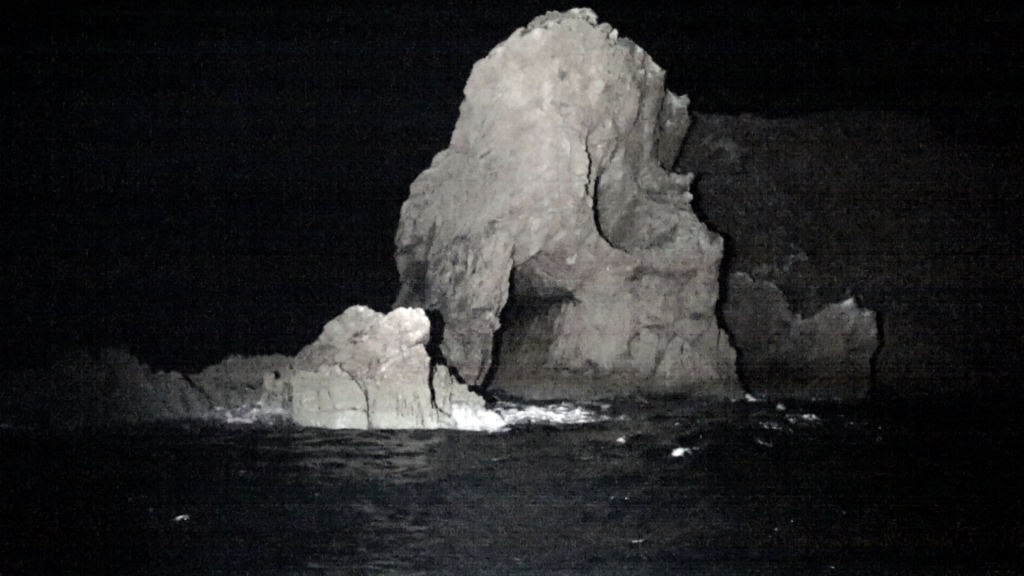
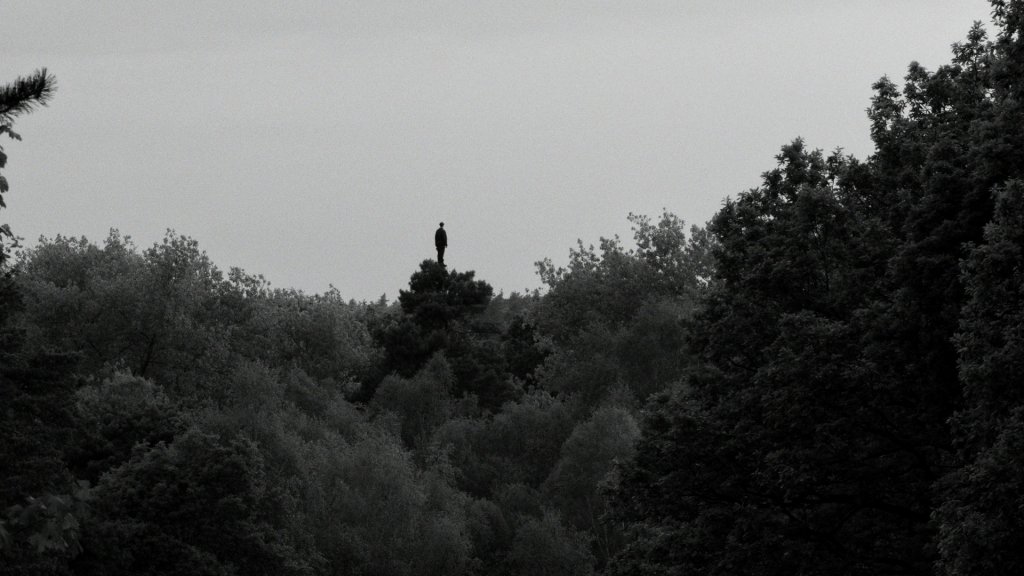
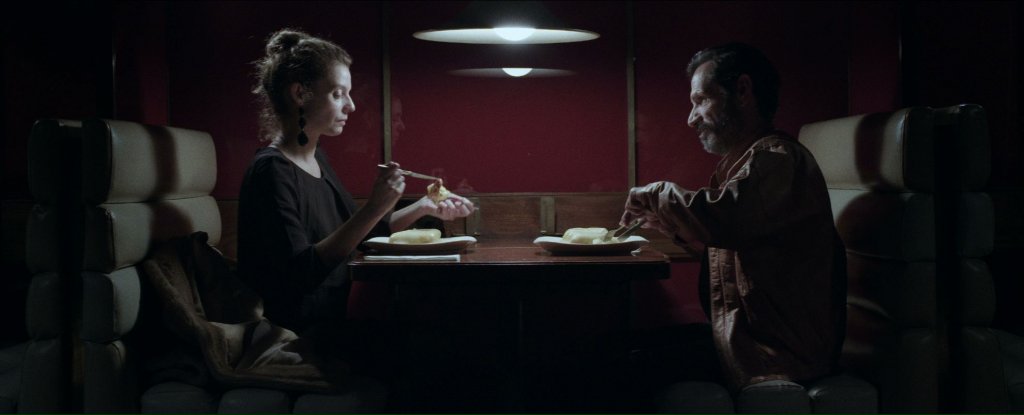
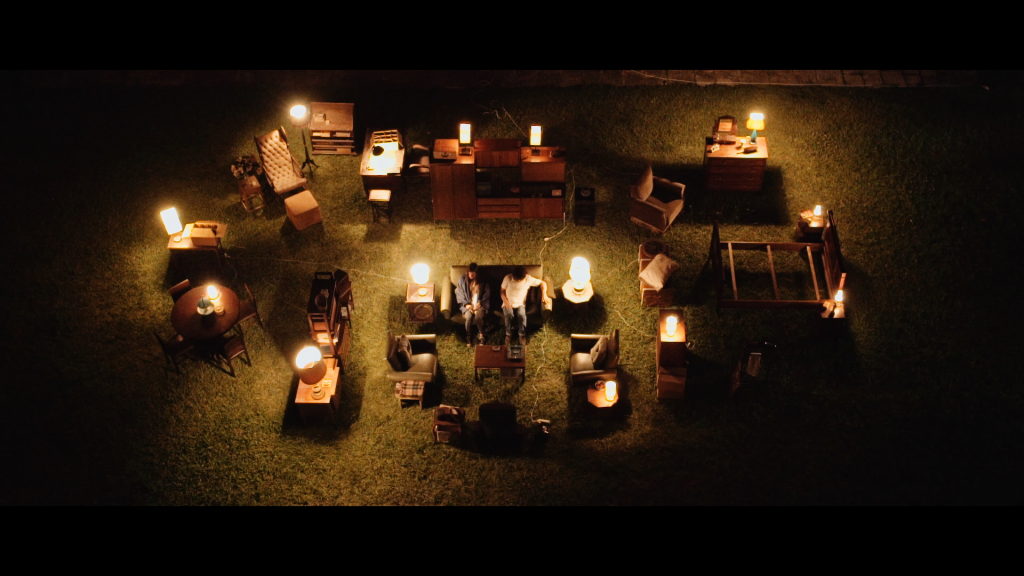
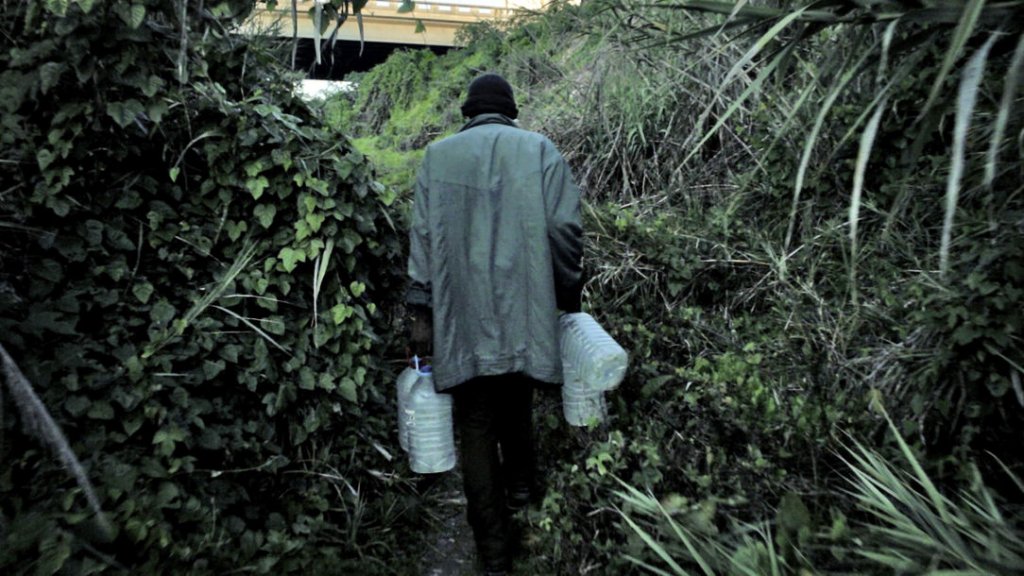
Today starts the homage PARAFIKTION about the portuguese filmmaker Salomé Lamas.
Salomé Lamas is one of the most interesting young filmmakers at the moment. She works in cinema as well as in the context of fine arts, sometimes using minimal settings and reduced cinematic procedures, then again switching to an essayistic mode, shifting between documentary and fiction. Multiple layers of meaning pile up next to each other and one above the other. In order to refer to those intentional and coincidental permeations of fact and fiction, Lamas introduced the term “parafiction”. In her practice, this term displays by her playfully handling the concepts of history and individual memory, disclosing seemingly objective narratives’ construction mechanisms and questioning human judgement. Doing so, the films put themselves at the heart of the discourse on truth and reliable narration, a discourse which, interestingly, she leads on a theoretic level in her publications as well.
More to read: [Parafiction | Salomé Lamas]
| Tue 16.4 UT Connewitz | PARAFIKTION Salomé Lamas |
| 7 PM | Short Film Reel Ubi Sunt PT 2017, Doc, 30′ OV with English subtitles, DCP A Torre PT 2017, Doc, 30′ OV with English subtitles, DCP Theatrum Orbis Terrarum PT 2017, Doc, 30′ OV with English subtitles, DCP Coup de Grâce PT 2017, Doc, 30′ OV with English subtitles, DCP |
| 9 PM | Terra de Ninguém (No Man’s Land) PT 2012, D: Salomé Lamas, 72’, Doc, OmeU, DCP |
Trailer Reel
Today is the first part of our Bitomsky program: Arbeit am Bild. Working on the Image – Insights into the work of Hartmut Bitomsky
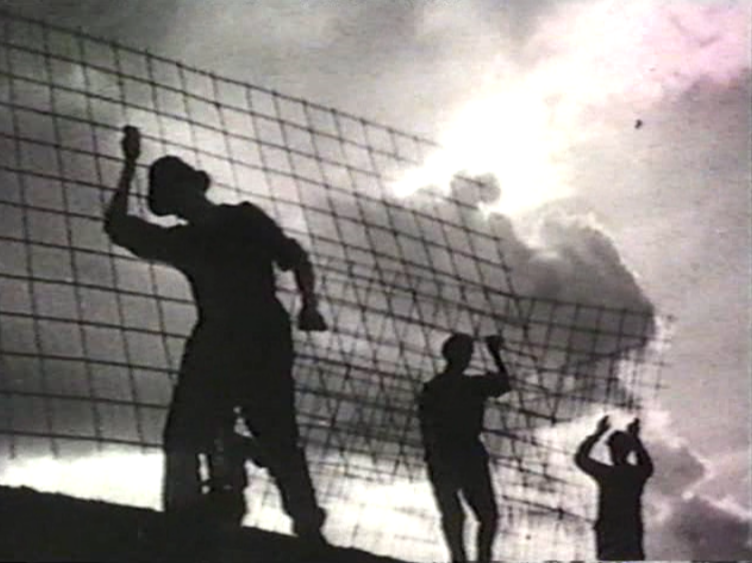
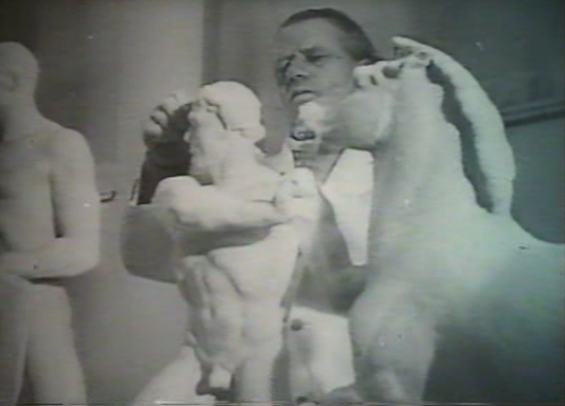
The first day of the show is dedicated to essayistic compilations of archive films, screening DEUTSCHLANDBILDER (FRG 1984) and REICHSAUTOBAHN (FRG 1986). National Socialist aesthetic, particularly in the genre of documentary „cultural film“, has to undergo a form of pictorial clarification. Combining these two film illustrates how Bitomsky’s work is shaped by reflections and cross referencies. Film scholar and cultural film expert Ramón Reichert will give an introduction, in which he will pursue Bitomsky’s method of processing archival footage artistically and relate it to other approaches of this kind.
[Working on the image | Insights into the work of Hartmut Bitomsky]
| Mo 15.4 Luru Kino | |
| 19 Uhr | Einführung von Ramón Reichert Deutschlandbilder BRD 1982/83, R: Hartmut Bitomsky, Heiner Mühlenbrock, Dok, 60’, dOV, 35mm |
| 21 Uhr | Reichsautobahn BRD 1984-86, R: Hartmut Bitomsky, Dok, 91’, OmeU, 35mm |
Deutschlandbilder
FRG 1982/83, D: Hartmut Bitomsky, Heiner Mühlenbrock, Doc, 60′, German version, 35mm
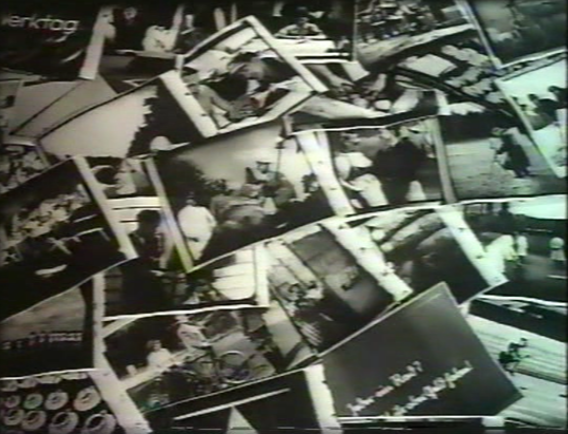
It starts as a montage of black and white scenes presenting all kinds of sportive activities, formal attractions and everyday cheerfulness. Among them are also images of a swastika-confetti shower and first uniforms; a flood of “Deutschlandbilder”. Subsequently, a tracking shot along spread film photos, the voice over soberly assesses: “The Nazis wanted to put a complexion on Germany that pleased them. They were decidedly drawn to aesthetic beauty. They appreciated films that depicted German culture – cultural films.“ These cultural films are concerned in this essayistic compilation film made of archival footage.
The construction principle seems simple: chronological panels mark the time of origin of the commented-on Nazi cultural film extracts from 1933 to 1945; occasionally interlaced are scenes that are staged divergently, showing photographic reproductions being flicked through or paced off by the camera, accompanied by a voice over. However, the question essentially driving the film is a complicated one that cannot be resolved conclusively: What do these images tell us today, and how are we to talk about about them in the present? There has been no iconoclasm: they are accessible, commonly used to prove how fascism was like, but they themselves are an immense pseudo-production. Pseudo-realities concealing more than they show. Yet they expose something. In the end, it is said: “An image is the mask of the other.“
With an introduction by Ramón Reichert (in German)
Reichsautobahn
FRG 1984-86, D: Hartmut Bitomsky, Doc, 91′, OV with English subtitles, 35mm
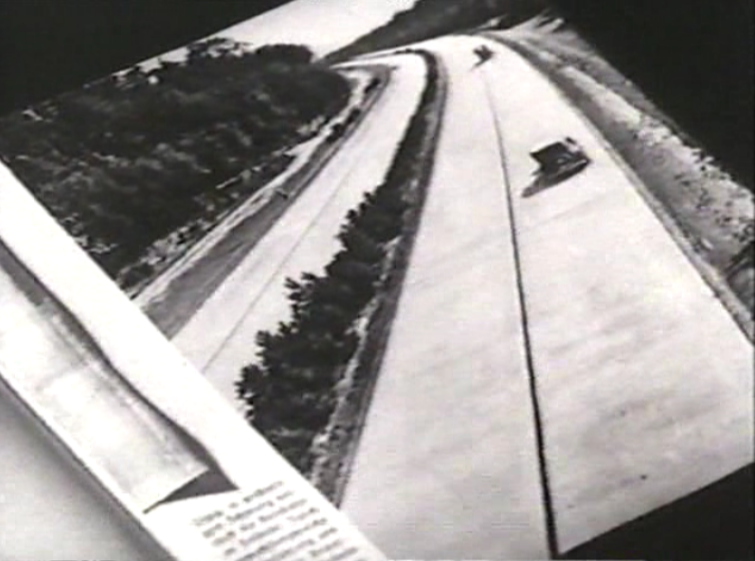
Already prior to 1933, the road- and automobile industry projected a German motorway. Only Hitler and his Inspector General for German road sector made them into a propagated showpiece. But what they created first and foremost, is its calculated aesthetics. Contemplation outshone its actual function. The autobahn was achieved through exploitative working conditions and was subsequently scarcely used. By no means, it can be regarded as a successful job creation scheme, neither did it serve as a strategic “military road“ at the beginning of the war. Nevertheless, countless films, photographs, poems, postcards, paintings and novels accompanying it never grow tired of praising it: “Books and images were the autobahn’s facade. Most of it is self-praise or reassurance. The autobahn is useful, and it is beautiful. It is proven to one what actually should have been evident. One senses the burden of the evidence.“
Repetetively, the enthusiastic worker is put into the frame, the individual bows to the big picture. It is emphasised how a modern street is in conformity with pastoral nature. An enourmous number of such produced Nazi-images is rescued from archives and compiled. Hartmut Bitomsky’s voice-over seeks to demythologise those images. Formally undogmatic on the one hand, REICHSAUTOBAHN classically gets contemporary witnesses and experts a chance to speak on the other.
There are no trailers or videos to be found in the internet. But here is a taste of the NS Imagery which Bitomsky processes in his works.